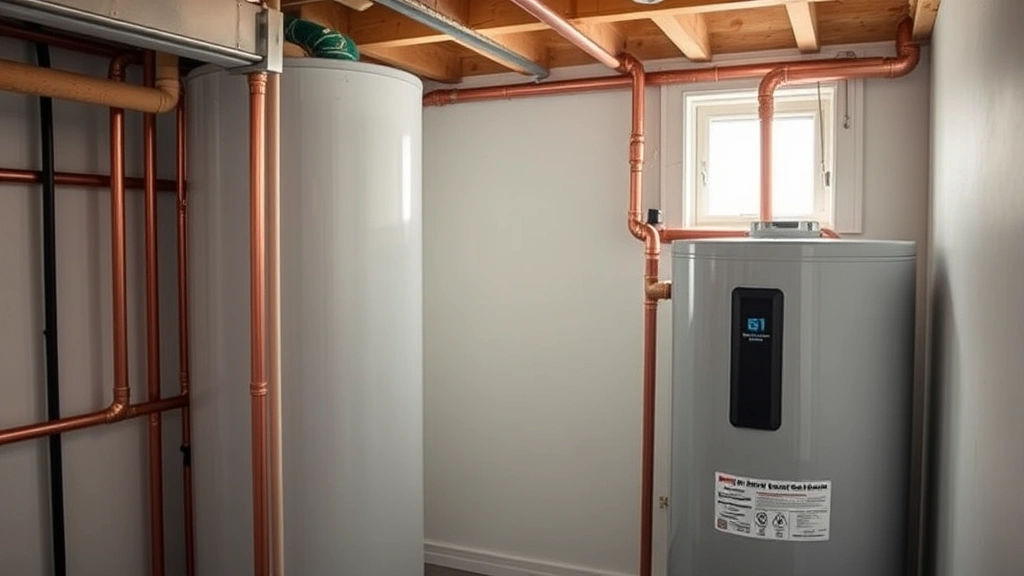
Is Bradford White Eco-Friendly? Expert Analysis of Gas Water Heaters
Bradford White has been a trusted name in water heating for over 140 years, but as environmental consciousness grows, homeowners increasingly ask whether their products align with sustainability goals. This comprehensive analysis examines Bradford White gas water heaters through an eco-friendly lens, evaluating energy efficiency, emissions, manufacturing practices, and how they compare to alternative heating solutions.
Understanding the environmental impact of your home’s water heating system is crucial for reducing your carbon footprint. Natural gas water heaters represent a significant portion of household energy consumption, making the choice between brands and technologies an important sustainability decision. We’ll explore what makes Bradford White products tick, their efficiency ratings, and whether they deserve a place in environmentally conscious homes.
Bradford White Company Overview and Sustainability Commitment
Bradford White Industries, headquartered in Middleville, Michigan, manufactures water heaters, boilers, and related products distributed across North America. The company serves both residential and commercial markets, with a reputation for durability and reliability. However, when evaluating whether Bradford White qualifies as eco-friendly, we must distinguish between product longevity and environmental responsibility.
The company has made incremental improvements toward sustainability, including manufacturing facilities that have implemented energy-efficient processes. Bradford White participates in industry standards compliance and meets federal minimum efficiency requirements mandated by the Department of Energy. That said, the company hasn’t positioned itself as a leader in green technology innovation compared to competitors investing heavily in heat pump technology and renewable energy integration.
Bradford White’s commitment to sustainability appears moderate rather than transformative. While they manufacture products that meet current efficiency standards, they haven’t publicly announced ambitious carbon neutrality goals or significant investments in alternative heating technologies. This contrasts with some competitors who actively promote sustainable energy solutions and renewable heating options.
Energy Efficiency Ratings and Performance Standards
Bradford White gas water heaters achieve varying efficiency ratings depending on the model and capacity. Most standard models operate with an Energy Factor (EF) between 0.59 and 0.65, which meets federal minimum standards established by the Department of Energy. The Energy Factor measures how efficiently a water heater converts energy into hot water, with higher numbers indicating better efficiency.
Their premium line, including models with enhanced insulation and improved burner technology, can reach EF ratings up to 0.70 or slightly higher. While these ratings represent compliance with regulations, they’re not exceptional by modern standards. For context, ENERGY STAR certified gas water heaters typically exceed 0.70 EF, and high-efficiency condensing models can achieve ratings above 0.90.
The practical implications are significant: a standard Bradford White gas water heater operating for 10-15 years will consume considerably more energy than a high-efficiency alternative. Over a decade, this difference translates to thousands of dollars in excess energy costs and substantial additional greenhouse gas emissions. For homeowners prioritizing sustainability, understanding these efficiency gaps is essential for making informed decisions.
Bradford White does offer some ENERGY STAR qualified models, particularly in their commercial line and select residential options. These certified units incorporate features like improved insulation, more efficient burners, and better heat recovery mechanisms. However, the availability and promotion of ENERGY STAR options vary by region and retailer.
Gas Emissions and Environmental Impact
Natural gas water heaters inherently produce carbon dioxide and other greenhouse gases during operation. A typical household water heater burning natural gas generates approximately 2-3 tons of CO2 annually, depending on usage patterns and efficiency. Bradford White gas water heaters don’t differ significantly from competitors in emissions production—the environmental impact stems from the fuel source itself rather than brand-specific factors.
The combustion process in gas water heaters involves burning methane (natural gas), which releases CO2, water vapor, and trace amounts of nitrogen oxides. While these emissions are lower per unit than oil-burning alternatives, they still contribute meaningfully to household carbon footprints. A family of four using a standard Bradford White gas water heater generates roughly equivalent emissions to driving a car 5,000-7,000 miles annually.
Bradford White’s gas water heaters include draft hood designs that safely vent combustion byproducts, meeting safety standards. However, this venting system means some heat escapes with exhaust gases, reducing efficiency. Advanced condensing models capture this heat, improving efficiency but increasing upfront costs. Bradford White offers limited condensing models compared to some manufacturers, representing a gap in their eco-friendly offerings.
The upstream environmental impact of natural gas extraction and transportation also factors into the complete lifecycle assessment. Methane leakage during extraction, processing, and distribution adds to the climate impact beyond direct combustion emissions. This reality makes transitioning from gas heating—regardless of brand—a significant sustainability goal for environmentally conscious households.
Manufacturing and Production Practices
Bradford White operates manufacturing facilities across North America, with primary plants in Michigan, Indiana, and Mexico. The company has implemented waste reduction programs and energy-efficient manufacturing processes at these facilities. However, detailed sustainability reporting and third-party verified environmental certifications remain limited compared to industry leaders.
The company recycles scrap steel and other materials from manufacturing operations, reducing landfill waste. Water usage in production has been optimized through improved cooling systems and recycling practices. These initiatives represent responsible manufacturing but don’t constitute industry-leading sustainability practices.
Supply chain transparency and environmental accountability in manufacturing represent areas where Bradford White could enhance its eco-friendly credentials. The company doesn’t publish comprehensive sustainability reports detailing carbon emissions from manufacturing, transportation, or supply chain activities. This lack of transparency makes it difficult for consumers to fully assess the environmental impact of choosing Bradford White products.
Transportation and logistics also contribute to the environmental footprint. Shipping heavy water heaters from manufacturing facilities to distributors and retailers generates emissions. Bradford White’s logistics optimization efforts aren’t prominently documented, though the company likely benefits from regional distribution networks that minimize transportation distances.
Comparing Bradford White to Eco-Friendly Alternatives
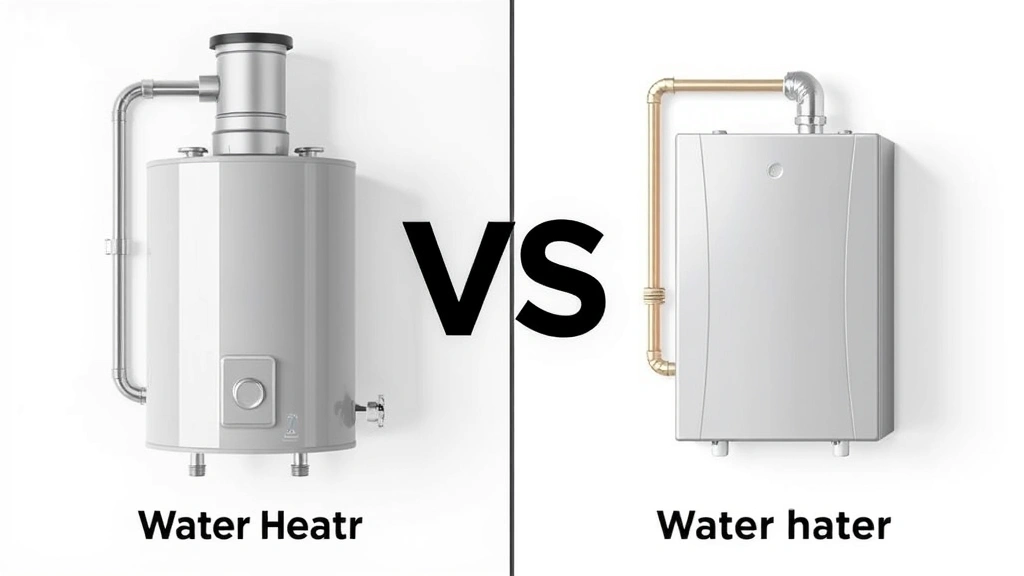
When evaluating Bradford White against alternatives, several categories emerge: conventional gas competitors, ENERGY STAR certified gas models, heat pump water heaters, and solar thermal systems. Understanding these comparisons helps determine whether Bradford White aligns with sustainability goals.
Conventional Gas Competitors: Rheem, A.O. Smith, and Lochinvar manufacture gas water heaters with similar efficiency profiles to Bradford White. None of these brands significantly outperform Bradford White in standard models, though some offer more extensive ENERGY STAR-certified options. The choice between these conventional brands involves factors like warranty, local availability, and specific efficiency ratings rather than meaningful sustainability differences.
ENERGY STAR and High-Efficiency Gas Models: Manufacturers like Navien and Rinnai specialize in condensing gas water heaters achieving 90%+ efficiency. These models reduce energy consumption by 20-30% compared to standard gas heaters, though they cost $1,500-$2,500 more upfront. Over 15 years, the energy savings typically justify the premium investment. Bradford White’s limited condensing options place them behind these specialists.
Heat Pump Water Heaters: Hybrid electric heat pump systems (offered by Rheem, A.O. Smith, and others) achieve efficiency ratings exceeding 2.0 EF by extracting heat from ambient air. These systems reduce energy consumption by 50-60% compared to standard gas heaters and qualify for substantial federal tax credits. They represent a major sustainability leap but require compatible electrical infrastructure and adequate space.
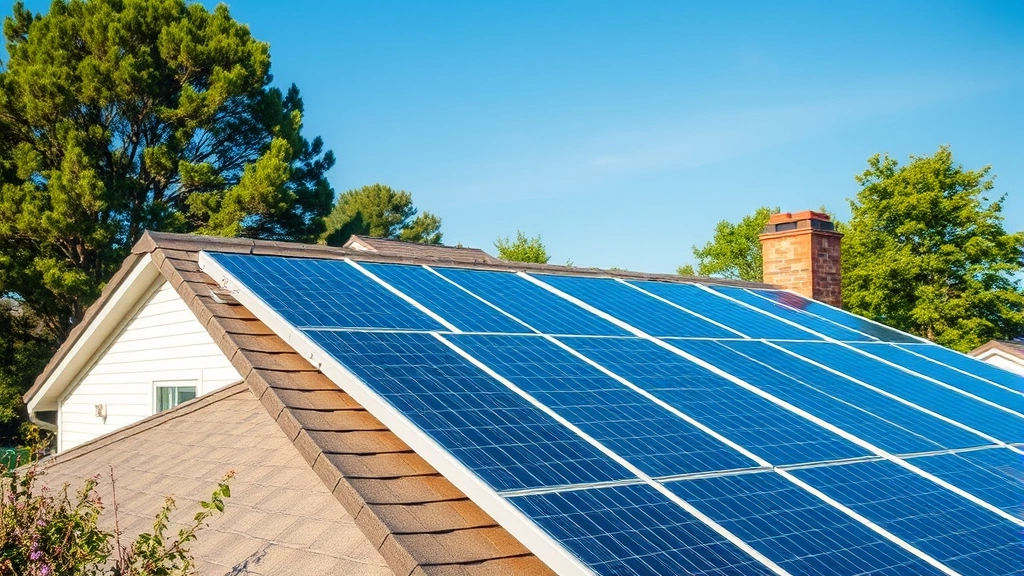
Solar Thermal Systems: Solar water heating provides the most sustainable option, reducing or eliminating grid energy consumption. Combined with a backup gas heater, solar systems cut water heating emissions by 50-80%. While expensive ($3,000-$6,000 installed), 30-year lifespans and federal incentives make them economically viable for many homeowners committed to principles of sustainability.
Cost-Benefit Analysis for Sustainability
Bradford White gas water heaters typically cost $800-$1,500 installed, positioning them as affordable options. This low upfront cost appeals to budget-conscious consumers but often represents a false economy when factoring environmental and long-term financial impacts.
A standard Bradford White unit operating for 13 years (typical lifespan) consumes approximately 130-140 million BTUs of natural gas annually, translating to roughly $1,200-$1,600 yearly energy costs at current rates. Over the heater’s life, total energy costs approach $16,000-$21,000. Upgrading to a high-efficiency gas condensing model (costing $2,500-$3,500 installed) reduces annual energy costs to $900-$1,200, saving $3,000-$5,000 over the product life while preventing 3-5 tons of CO2 emissions.
Heat pump water heaters cost $1,500-$2,500 installed (after considering federal tax credits of up to $600). These systems reduce annual energy costs to $600-$800, saving $5,000-$8,000 over 13 years while preventing 15-20 tons of CO2 emissions. The payback period typically ranges from 6-8 years, making them financially superior long-term investments.
For environmentally committed homeowners, Bradford White represents a compromise position: better than the cheapest models but significantly behind optimized alternatives. The choice depends on budget constraints, existing infrastructure, and sustainability priorities. Renters and those planning to move within 5-7 years may reasonably choose Bradford White, while long-term homeowners should consider premium alternatives.
Upgrading to Greener Water Heating Solutions
Transitioning from Bradford White gas water heaters to eco-friendly alternatives involves several pathways, each with distinct advantages and considerations.
High-Efficiency Gas Condensing Models: If replacing an existing gas water heater, upgrading to a condensing model from manufacturers like Navien, Rinnai, or Takagi provides immediate efficiency gains without requiring electrical infrastructure changes. These units cost $500-$1,000 more than Bradford White but deliver measurable energy savings and reduced emissions. Installation typically costs $300-$600 additional for vent modifications.
Hybrid Heat Pump Systems: For homes with adequate electrical capacity and space, hybrid heat pump water heaters represent the optimal efficiency choice. These systems combine heat pump technology with electric resistance backup, achieving exceptional efficiency ratings. Installation requires 240V electrical service and costs $1,500-$2,500 installed. Federal tax credits and many state incentives significantly reduce net costs.
Solar Thermal Integration: Adding solar thermal collectors to supplement any water heater dramatically reduces grid energy dependence. Modern systems integrate with existing heaters, providing preheated water that reduces fuel consumption. Cost ranges from $3,000-$6,000 installed, with federal tax credits covering 30% of expenses. Payback periods typically span 8-12 years, after which the system operates essentially free.
Homeowners currently using Bradford White gas water heaters should evaluate their remaining equipment life, budget, and sustainability goals. If the heater is 7-10 years old with 3-6 years remaining lifespan, upgrading immediately may not be economically justified. However, replacement planning should prioritize high-efficiency alternatives to minimize future environmental impact.
For detailed guidance on gas and energy resources, consulting with HVAC professionals familiar with sustainable energy solutions ensures informed decision-making tailored to specific circumstances.
FAQ
Is Bradford White ENERGY STAR certified?
Some Bradford White models carry ENERGY STAR certification, particularly commercial units and select residential options. However, the company’s ENERGY STAR portfolio is smaller than competitors like Rheem or A.O. Smith. Check specific model numbers and ENERGY STAR database listings to confirm certification status.
How long do Bradford White water heaters last?
Bradford White gas water heaters typically last 10-15 years with proper maintenance. This lifespan is comparable to competitors and depends on water quality, usage patterns, and maintenance frequency. Hard water and neglected flushing can reduce lifespan to 8-10 years.
What’s the environmental impact of switching from Bradford White to a heat pump?
Switching to a heat pump water heater reduces annual water heating emissions by 50-60%, preventing approximately 1-1.5 tons of CO2 annually compared to standard gas heaters. Over a 15-year period, this represents 15-22.5 tons of prevented emissions—equivalent to planting 250-400 trees.
Are Bradford White water heaters recyclable?
Bradford White water heaters are largely recyclable at end-of-life. The steel tank, copper components, and other metals can be recycled through scrap metal facilities. Insulation materials and electronic components require proper disposal. Contact local recycling centers for guidance on responsible end-of-life management.
Does Bradford White offer tankless water heaters?
Bradford White manufactures tankless water heaters for commercial applications but has limited residential tankless offerings compared to competitors. Tankless models eliminate standby heat loss, improving efficiency by 15-20% compared to tank models. If interested in tankless technology, exploring other brands may provide more residential options.
How can I improve Bradford White water heater efficiency?
Several maintenance practices optimize Bradford White efficiency: drain sediment annually, insulate hot water pipes, lower thermostat to 120°F, install low-flow showerheads, and fix leaks promptly. These measures can reduce energy consumption by 10-15%, saving $150-$250 annually while decreasing environmental impact.
What certifications validate water heater environmental performance?
Key certifications include ENERGY STAR (verified efficiency), WaterSense (water conservation), and third-party environmental certifications from organizations like NSF International. The ENERGY STAR program provides the most reliable efficiency verification for consumers.


