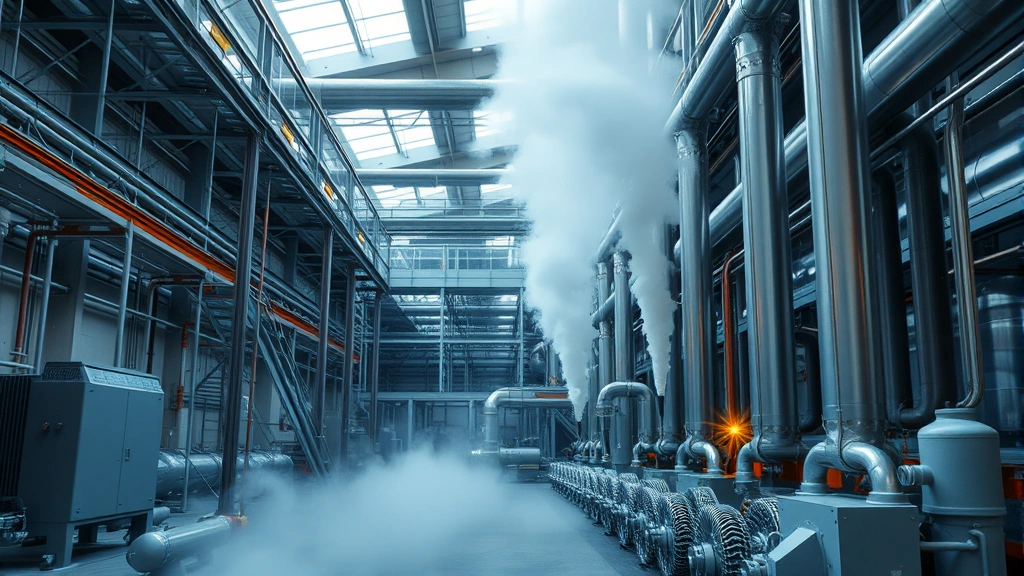
Cascade Gas: Eco-Friendly or Not? Expert Analysis
Cascade Gas has emerged as a topic of significant interest in discussions about energy alternatives and environmental sustainability. As consumers and businesses increasingly seek cleaner energy solutions, understanding the true environmental impact of cascade gas becomes crucial. This comprehensive analysis examines whether cascade gas truly qualifies as an eco-friendly option or if it falls short of genuine sustainability standards.
The term “cascade gas” refers to a multi-stage gas utilization system where natural gas or other gases are used sequentially through different processes, maximizing energy efficiency at each stage. This approach has gained attention from energy companies and environmental advocates alike, though opinions remain divided on its actual environmental benefits. Our expert analysis cuts through marketing claims to provide you with factual, science-based insights into this energy solution.
What Is Cascade Gas Technology
Cascade gas technology represents a sophisticated approach to energy utilization that differs fundamentally from conventional single-stage gas consumption. The system operates by channeling gas through multiple sequential applications, with each stage extracting maximum value before the gas moves to the next process. Understanding this technology requires examining both its mechanical function and its theoretical sustainability advantages.
The cascade principle works by using high-temperature applications first, then progressively lower-temperature uses, ensuring no energy potential goes to waste. For example, initial high-temperature processes might include electricity generation or industrial heating. Residual heat then flows to secondary applications like water heating or space conditioning. This layered approach theoretically maximizes the energy extracted from each unit of fuel consumed.
Within the context of sustainable energy solutions, cascade gas sits in a middle ground between traditional fossil fuels and renewable alternatives. It’s neither a renewable resource nor a zero-emission technology, but rather an optimization strategy for existing gas infrastructure. The technology has attracted interest from utilities and industrial facilities seeking efficiency improvements without complete operational overhauls.
Implementation of cascade gas systems requires significant infrastructure investment and technical expertise. Facilities must be retrofitted with heat recovery equipment, secondary distribution networks, and integrated control systems. This complexity means adoption remains limited primarily to large industrial operations and district energy systems rather than residential applications.
Environmental Impact Assessment
The environmental credentials of cascade gas depend critically on several interconnected factors. While the technology does improve efficiency compared to traditional single-stage gas use, efficiency improvements alone don’t automatically translate to environmental friendliness. A comprehensive assessment must consider emissions, resource extraction, and lifecycle impacts.
Carbon Emissions and Climate Impact
Cascade gas systems reduce per-unit carbon emissions compared to conventional gas applications because they extract more useful energy from each unit of fuel. If a standard system achieves 40% efficiency and a cascade system achieves 65% efficiency, the cascade approach produces fewer emissions per unit of energy delivered. However, this remains a relative improvement rather than absolute sustainability.
Natural gas, the primary fuel for most cascade systems, is predominantly methane (CH₄). While less carbon-intensive than coal or oil per unit of energy, methane combustion still produces significant CO₂ emissions. Furthermore, methane itself is a potent greenhouse gas with a global warming potential approximately 28-36 times greater than CO₂ over a 100-year period. Leakage during extraction, processing, and distribution further compounds climate concerns.
The International Energy Agency notes that natural gas infrastructure leakage rates range from 1-5% depending on system age and maintenance. These fugitive emissions represent a significant hidden environmental cost that cascade technology does not address.
Resource Extraction and Habitat Impact
Natural gas extraction through hydraulic fracturing (fracking) and conventional drilling creates substantial environmental disruptions. Water contamination risks, habitat fragmentation, and induced seismic activity represent ongoing concerns in extraction regions. Cascade gas technology doesn’t eliminate these upstream impacts—it only optimizes downstream utilization of extracted resources.
The U.S. Geological Survey documents extensive environmental considerations surrounding natural gas extraction that remain relevant regardless of how efficiently the gas is subsequently used.
Air Quality and Local Pollution
While cascade systems may reduce overall emissions intensity, they still produce nitrogen oxides (NOx), sulfur dioxide (SO₂), and particulate matter during combustion. In urban areas with existing air quality challenges, cascade gas facilities can contribute to localized pollution problems. Communities near industrial cascade installations may experience respiratory health impacts and environmental justice concerns.
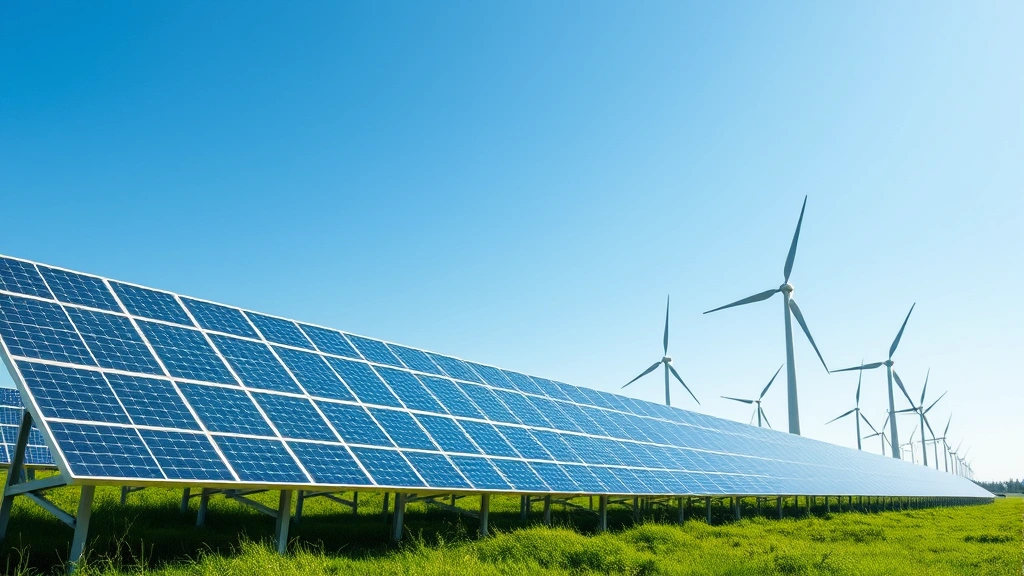
Comparing cascade gas to renewable alternatives reveals important distinctions in pollution profiles. Solar, wind, and hydroelectric systems produce zero direct emissions during operation, whereas cascade gas combustion creates continuous pollution regardless of efficiency improvements.
Comparing to Alternative Energy Sources
Evaluating cascade gas requires direct comparison with competing energy technologies across multiple dimensions. This analysis reveals where cascade gas performs well and where alternatives demonstrate clear environmental superiority.
Versus Renewable Energy
Solar, wind, and geothermal technologies eliminate operational emissions entirely. While renewable installations require manufacturing energy and material extraction, lifecycle analyses consistently show renewables outperform fossil fuel systems across their entire lifespan. A solar panel produces clean energy for 25-30 years with minimal ongoing environmental impact, whereas cascade gas continues generating emissions for its operational lifetime.
The scalability advantage favors renewables as well. Solar installations can be deployed from residential rooftop scale to utility-scale farms. Wind farms can be installed onshore or offshore. These technologies integrate increasingly well with modern grids, with green technology innovations continuously improving storage and grid management capabilities.
Versus Traditional Natural Gas Systems
Here cascade gas demonstrates clear technical advantages. A cascade system achieving 65% efficiency versus a conventional system at 40% represents a meaningful improvement. For industrial operations unable to transition immediately to renewables, cascade technology provides a logical interim step. This makes cascade gas potentially valuable in a transition strategy rather than as a long-term solution.
The cost-effectiveness of retrofitting existing infrastructure to cascade systems often proves superior to complete renewable replacement in some industrial contexts. However, this economic advantage shouldn’t obscure the fact that cascade remains a fossil fuel technology.
Versus Electric Heat Pump Systems
Modern electric heat pumps powered by renewable electricity represent a compelling alternative to cascade gas for heating applications. When powered by clean electricity from wind or solar sources, heat pumps achieve equivalent or superior efficiency while eliminating combustion emissions entirely. As electricity grids decarbonize globally, heat pump economics continue improving, making them increasingly competitive with cascade systems.
The advantages of electric alternatives extend beyond efficiency to include energy security, reduced vulnerability to fuel price volatility, and elimination of extraction-related environmental damage.
Economic Considerations
Economic viability significantly influences whether cascade gas actually gets deployed. Understanding the financial landscape provides insight into whether this technology will scale or remain a niche application.
Capital Investment Requirements
Implementing cascade gas systems demands substantial upfront investment in heat recovery equipment, secondary distribution infrastructure, and sophisticated control systems. Industrial facilities considering cascade retrofit must typically invest $500,000 to several million dollars depending on facility size and complexity. These capital barriers limit adoption primarily to large operations with long payback period tolerances.
In contrast, renewable energy costs have declined dramatically. Solar installation costs have fallen approximately 90% over the past decade, making new renewable capacity increasingly cost-competitive with fossil fuel infrastructure, including cascade systems.
Operational Cost Dynamics
Natural gas prices remain subject to volatile commodity markets influenced by geopolitical factors, extraction costs, and demand fluctuations. Facilities locked into cascade gas infrastructure face ongoing fuel price exposure. Renewable-powered systems, once installed, enjoy predictable zero-fuel-cost operations for decades.
Maintenance requirements for cascade systems exceed those of renewable alternatives. Heat recovery equipment, circulation pumps, and control systems require regular servicing, creating ongoing operational expenses that renewable installations largely avoid.
Government Incentives and Policy Support
Many jurisdictions offer tax credits, grants, and favorable financing for renewable energy installations but provide limited support for cascade gas projects. This policy environment reflects growing recognition that fossil fuel optimization, while marginally beneficial, doesn’t align with long-term climate objectives. Principles of sustainability increasingly emphasize transitioning beyond fossil fuels entirely rather than optimizing their use.
Real-World Applications and Case Studies
Examining actual cascade gas implementations provides concrete insights into practical performance and environmental outcomes.
Industrial Combined Heat and Power Systems
Several Scandinavian district heating systems have implemented cascade gas technology successfully, achieving efficiency improvements from 45% to approximately 70%. These systems serve multiple buildings simultaneously, with exhaust heat from electricity generation supplying district heating networks. While successful technically, these systems remain dependent on natural gas supply chains.
A case study from Copenhagen’s district heating system demonstrates cascade principles applied at scale, serving approximately 60% of the city’s heating demand. However, Denmark is simultaneously investing heavily in renewable heating solutions and heat pump technology to further decarbonize these systems.
Food and Beverage Processing Facilities
Industrial food processing operations have adopted cascade gas systems to optimize energy use across multiple thermal stages—from high-temperature cooking and pasteurization through lower-temperature drying and packaging operations. These applications achieve 15-25% efficiency improvements over baseline systems.
Despite these improvements, progressive food companies increasingly explore renewable steam generation and electric heat pump alternatives as part of broader decarbonization commitments.
Residential District Heating Systems
Limited residential cascade gas applications exist, primarily in European district heating networks. These systems serve hundreds to thousands of residential units with centralized heat distribution. While operationally successful, they don’t represent scalable solutions for dispersed residential populations typical of North American development patterns.
Challenges and Limitations
Despite theoretical advantages, cascade gas faces significant practical and strategic limitations that constrain its role in sustainability transitions.
Infrastructure Lock-In Effects
Investing heavily in cascade gas infrastructure creates decades-long commitments to fossil fuel consumption. Facilities that retrofit with cascade systems typically operate these installations for 20-30 years, preventing more rapid transitions to renewable alternatives. This infrastructure lock-in conflicts with aggressive climate targets requiring rapid fossil fuel phase-out.
Economic stranded asset risks emerge as carbon pricing, emissions regulations, and renewable alternatives accelerate. A facility that invests $2 million in cascade infrastructure faces difficult decisions if regulations tighten or renewable alternatives become significantly cheaper within 10-15 years.
Fugitive Emissions and Methane Leakage
Cascade technology optimization occurs at the point of use but cannot address upstream leakage throughout natural gas supply chains. Depending on system age and maintenance, 1-5% of extracted gas escapes as methane emissions before reaching end-use facilities. These fugitive emissions represent a fundamental flaw in natural gas infrastructure that cascade technology cannot resolve.
Limited Scalability to Decarbonized Energy Systems
Long-term energy systems must achieve near-zero carbon emissions by mid-century to meet climate targets. Cascade gas, as a fossil fuel technology, cannot contribute to this objective. Investments in cascade systems represent resources diverted from renewable alternatives and grid infrastructure required for true decarbonization.
Technological Obsolescence Risk
Rapid advancement in renewable energy, battery storage, and heat pump technologies creates risks that cascade gas infrastructure becomes economically obsolete before reaching end-of-life. A facility installing cascade systems today faces potential premature retirement if superior alternatives become dramatically cheaper within 10-15 years.
Future Prospects for Cascade Gas
Evaluating cascade gas’s future role requires honest assessment of its position within broader energy transition dynamics.
Near-Term Role in Industrial Transition
Cascade gas likely maintains relevance for 10-20 years as an interim optimization strategy for industrial facilities unable to immediately transition to renewables. For heavy industrial processes requiring high-temperature heat, cascade systems can reduce emissions intensity while renewable heating alternatives mature technologically and economically.
This transitional role represents cascade gas’s most defensible application—not as a long-term solution but as a pragmatic interim step for specific industrial contexts. However, even this limited application requires careful cost-benefit analysis against alternative interim solutions like renewable hydrogen or accelerated renewable deployment.
Declining Competitiveness
As renewable energy costs continue declining and electricity grid decarbonization accelerates, cascade gas becomes increasingly uncompetitive. Heat pump technology, powered by clean electricity, offers superior environmental profiles and improving economics. New renewable capacity installation increasingly undercuts fossil fuel infrastructure on cost alone.
Policy and Regulatory Headwinds
Strengthening climate regulations, carbon pricing mechanisms, and emissions standards create unfavorable regulatory environments for new fossil fuel infrastructure. The European Union’s taxonomy regulations increasingly restrict sustainable investment classifications for fossil fuel projects. Similar policy developments globally will further constrain cascade gas deployment.
The Renewable Transition Path
Long-term energy system sustainability requires wholesale transition to renewables, electrification, and efficiency improvements. Cascade gas represents a detour on this path rather than a step toward the destination. Resources invested in cascade systems might more effectively accelerate renewable deployment and grid modernization required for genuine decarbonization.
Leading climate science and energy modeling exercises universally show fossil fuel phase-out as essential to meeting climate targets. Cascade gas, while marginally better than conventional gas use, cannot satisfy this requirement.
For facilities seeking practical energy conservation strategies, cascade technology may offer interim benefits, but should be evaluated within comprehensive decarbonization planning rather than as a final destination.
FAQ
Is cascade gas truly renewable energy?
No. Cascade gas is not renewable energy. It represents an optimization strategy for natural gas consumption that improves efficiency but doesn’t change the fundamental fossil fuel nature of the resource. Renewable energy comes from naturally replenishing sources like solar, wind, and hydroelectric power.
How much do cascade gas systems reduce emissions compared to conventional gas?
Cascade systems typically reduce emissions by 30-50% per unit of energy delivered compared to conventional single-stage gas systems, through improved efficiency. However, this represents relative improvement rather than absolute decarbonization. Combustion still produces significant CO₂ emissions.
Can cascade gas systems be retrofitted to existing facilities?
Yes, cascade systems can be retrofitted to existing facilities, though this requires substantial capital investment in heat recovery equipment and infrastructure modifications. Retrofitting costs typically range from hundreds of thousands to millions of dollars depending on facility size and complexity.
What’s the main environmental advantage of cascade gas?
The primary environmental advantage is improved energy efficiency. By extracting more useful energy from each unit of fuel, cascade systems reduce overall fuel consumption and associated emissions. However, this efficiency improvement doesn’t eliminate the environmental costs of fossil fuel extraction and combustion.
How does cascade gas compare to heat pumps for heating?
Electric heat pumps powered by renewable electricity offer superior environmental profiles compared to cascade gas systems. Heat pumps eliminate combustion emissions entirely and achieve comparable or superior efficiency. As renewable electricity becomes increasingly available and affordable, heat pumps represent the preferable long-term heating solution.
Should businesses invest in cascade gas infrastructure today?
Business decisions regarding cascade gas investment should consider: facility-specific heating requirements, available capital budget, timeline for operations, renewable energy availability in the region, and regulatory environment. For facilities unable to immediately transition to renewables, cascade systems may offer interim benefits. However, comprehensive cost-benefit analysis should evaluate renewable alternatives and heat pump technologies as well.
What role will cascade gas play in future energy systems?
Cascade gas will likely play a limited transitional role for specific industrial applications unable to immediately access renewable alternatives. However, as renewable energy, battery storage, and heat pump technologies continue improving and declining in cost, cascade gas deployment will decrease. Long-term energy system decarbonization requires transitioning beyond fossil fuels entirely, including cascade gas systems.


