
Cut Gas Bill Now: CenterPoint Energy Tips for Sustainable Savings
Managing your energy costs doesn’t have to mean sacrificing comfort or environmental responsibility. For CenterPoint Energy customers, there are numerous practical strategies to reduce your centerpoint gas payment while supporting a more sustainable lifestyle. Natural gas heating represents one of the largest expenses in most households, particularly during winter months, and optimizing your usage patterns can lead to significant savings without requiring major home renovations.
CenterPoint Energy serves millions of customers across Texas, Indiana, Louisiana, and Mississippi, making it one of the largest natural gas distributors in North America. Whether you’re a long-time customer or new to managing your account, understanding how to control consumption and take advantage of available programs can transform your monthly bills. This comprehensive guide explores actionable strategies specifically tailored to CenterPoint Energy customers, helping you achieve both financial and environmental goals simultaneously.
Understanding Your CenterPoint Gas Bill
Before implementing cost-reduction strategies, it’s essential to understand what comprises your CenterPoint gas payment. Your bill typically includes several components: the actual natural gas consumption measured in therms, a customer charge (fixed monthly fee), distribution and transmission charges, and various taxes and regulatory fees. Many customers focus solely on consumption but overlook opportunities to understand their usage patterns and identify anomalies.
CenterPoint Energy provides detailed billing statements that show your monthly consumption trends. By reviewing your bill history, you can identify seasonal patterns and notice any unusual spikes that might indicate a leak or malfunction. Most residential customers see their highest consumption during winter months (November through March), but understanding your specific baseline helps you set realistic reduction goals. The average Texas household using CenterPoint Energy consumes approximately 45-50 therms monthly during winter, though this varies significantly based on home size, insulation quality, and heating system efficiency.
Your bill also includes opportunities to understand pricing structures. CenterPoint Energy offers both fixed-rate and variable-rate options depending on your service area. Understanding whether your rates fluctuate with market conditions or remain stable helps you plan your budget more effectively. Many customers don’t realize they can contact CenterPoint to request a detailed explanation of their bill components, which can reveal unexpected charges or opportunities for adjustments.
Smart Thermostat Installation and Management
Installing a smart thermostat represents one of the most effective ways to reduce energy consumption. Modern smart thermostats learn your household’s temperature preferences and occupancy patterns, automatically adjusting heating to minimize waste. Research from the U.S. Department of Energy indicates that smart thermostat users save approximately 10-15% on heating costs annually, translating to substantial savings on your CenterPoint gas payment.
When selecting a smart thermostat compatible with your home, look for models with learning capabilities, remote access via smartphone apps, and integration with weather forecasting. These features enable you to adjust temperatures from anywhere, ensuring your heating system doesn’t run unnecessarily when no one is home. Programming your thermostat to lower temperatures by just 7-10 degrees Fahrenheit for eight hours daily can reduce heating costs by up to 10%. During sleeping hours or when your household is away, dropping the temperature to 62-65 degrees Fahrenheit represents a comfortable compromise between comfort and efficiency.
CenterPoint Energy customers should verify whether their utility offers rebates for smart thermostat installation. Many service areas provide financial incentives ranging from $25-$100 for upgrading to energy-efficient smart home technology. These rebates effectively reduce your upfront investment, allowing you to recoup installation costs within 1-2 years through reduced gas consumption. Advanced models even provide detailed energy reports, helping you understand exactly which behaviors and times of day consume the most natural gas.
Weatherization and Home Insulation Improvements
Your home’s envelope—comprising walls, roof, windows, and doors—directly impacts how efficiently it retains heat. Poor insulation and air leaks force your heating system to work harder, increasing your CenterPoint gas payment significantly. Weatherization improvements represent long-term investments that pay dividends year after year, while simultaneously reducing your household’s carbon footprint and supporting broader sustainability principles.
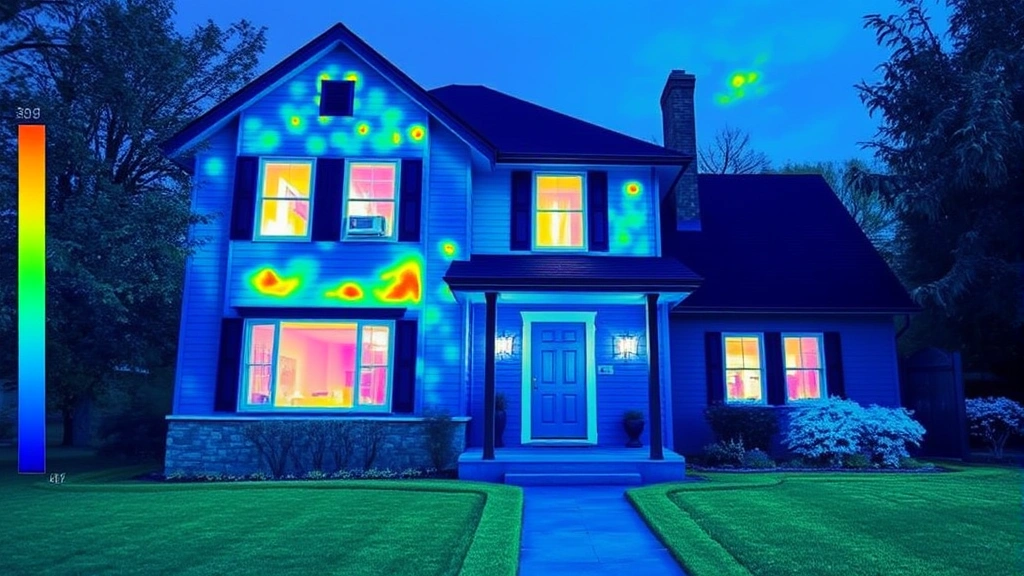
Begin with a professional energy audit, which many CenterPoint Energy service areas offer at reduced rates or free through utility programs. Energy auditors use thermal imaging cameras to identify heat loss locations, air leaks around windows and doors, and inadequate insulation areas. Common problem areas include basement rim joists, attic penetrations, and gaps around electrical outlets. Sealing air leaks using weatherstripping and caulk costs relatively little but prevents conditioned air from escaping, reducing your heating demand substantially.
Attic insulation represents another critical improvement area. Most homes built before 2000 have insufficient attic insulation by modern standards. Adding insulation to achieve an R-38 to R-60 rating (depending on your climate zone) can reduce heating costs by 15-20%. CenterPoint Energy customers in colder climates should prioritize attic insulation, as heat naturally rises and escapes through inadequate overhead barriers. Window upgrades, while more expensive, provide long-term benefits. Double-pane, low-emissivity windows reduce heat transfer significantly, though payback periods typically extend 7-10 years.
Basement and foundation improvements shouldn’t be overlooked. Insulating basement walls and sealing foundation cracks prevents cold air from infiltrating your home’s lower levels. Many homeowners discover that their basement stays significantly colder than other areas, indicating air leakage or inadequate insulation. Addressing these issues reduces the burden on your heating system and creates more comfortable living spaces throughout your home.
CenterPoint Energy Programs and Rebates
CenterPoint Energy administers numerous programs designed to help customers reduce consumption and associated costs. Understanding and accessing these programs represents a direct path to lowering your centerpoint gas payment. Many customers remain unaware of available incentives, missing opportunities to offset improvement costs significantly.
The CenterPoint Energy Home Energy Efficiency Rebate Program provides financial incentives for qualifying equipment upgrades and home improvements. Eligible measures typically include high-efficiency furnaces (95% AFUE or higher), smart thermostats, water heater insulation blankets, and weatherization improvements. Rebate amounts vary by service area and improvement type, ranging from $25 for simple upgrades to several hundred dollars for major equipment replacements. The application process usually requires submitting proof of purchase and sometimes a receipt from a licensed contractor.
CenterPoint Energy also offers budget billing programs that spread your annual gas consumption costs evenly across twelve months. This approach eliminates the shock of high winter bills, making household budgeting more predictable. While budget billing doesn’t reduce total annual consumption, it provides financial planning benefits and can motivate customers to track their usage more carefully. If your actual consumption exceeds the projected amount, you’ll reconcile the difference during annual true-up periods.
Low-income customers should explore CenterPoint Energy’s assistance programs, which provide bill payment help and energy-saving services. Programs like LIHEAP (Low Income Home Energy Assistance Program) and LIEE (Low Income Weatherization Assistance Program) offer free or heavily subsidized weatherization improvements for qualifying households. These programs align with broader principles of sustainability that emphasize equitable access to energy efficiency.

Behavioral Changes for Immediate Savings
While equipment upgrades and home improvements deliver substantial long-term savings, behavioral modifications can reduce your CenterPoint gas payment immediately. These changes require minimal investment but demand consistent attention and household participation. Many families discover that simple habit adjustments yield surprising results within a single billing cycle.
Temperature management represents the most impactful behavioral change. Each degree reduction in your thermostat setting reduces heating costs by approximately 3%. Lowering your temperature from 72°F to 68°F saves roughly 12% monthly on heating expenses. Layer your clothing, use blankets strategically, and accept slightly cooler temperatures during sleeping hours and when away from home. Many people find that 68°F feels perfectly comfortable with appropriate clothing and blankets, yet delivers significant savings compared to higher settings.
Water heating consumes substantial natural gas in most homes. Reducing hot water usage through shorter showers, cold-water laundry, and insulating hot water pipes decreases your consumption directly. Insulating exposed hot water pipes costs just $15-30 for materials but prevents heat loss during distribution. Showering instead of bathing, and using low-flow showerheads, reduces both water consumption and associated heating energy. These behavioral changes support broader sustainability initiatives by conserving multiple resources simultaneously.
Cooking and oven usage patterns also influence gas consumption. Using smaller burners when possible, keeping lids on pots to retain heat, and using the microwave or toaster oven for small meals consumes less energy than heating a full-size oven. If you use gas cooking, these adjustments are particularly impactful. Batch cooking during cooler months and utilizing outdoor grilling during warm seasons further reduces reliance on gas-powered cooking appliances.
Ventilation management affects heating efficiency significantly. While proper ventilation prevents indoor air quality problems, excessive ventilation during winter removes heated air from your home. Use exhaust fans in bathrooms and kitchens only during and briefly after activities that generate moisture, then turn them off promptly. Some homes with older ventilation systems lose significant heated air unnecessarily. Modern energy recovery ventilation systems balance fresh air intake with heat recovery, preventing this waste while maintaining indoor air quality.
Advanced Energy Efficiency Strategies
For customers committed to maximizing efficiency and minimizing their environmental impact, advanced strategies offer additional savings opportunities. These approaches often require professional assistance and larger upfront investments but deliver superior long-term results and align with comprehensive sustainability commitments.
High-efficiency furnace replacement represents the most significant upgrade available. Modern condensing furnaces achieve 95% AFUE (Annual Fuel Utilization Efficiency) or higher, compared to 78-85% in conventional units. This means 95 cents of every dollar spent on natural gas translates to home heating, with minimal waste. While furnace replacement costs $3,000-6,000 installed, the energy savings over a 15-20 year lifespan typically exceed the initial investment. CenterPoint Energy rebates can offset 15-25% of these costs, improving the financial case substantially.
Heat pump technology represents an emerging alternative for customers in moderate climates. Modern air-source heat pumps operate efficiently even in cold temperatures, using electricity rather than natural gas. While this requires electricity consumption, the efficiency advantage often results in lower overall energy costs. Ground-source heat pumps offer even better performance but require significant installation investment. As electricity grids transition toward renewable energy sources, heat pump adoption becomes increasingly sustainable from an environmental perspective.
Ductwork optimization improves heating distribution efficiency. Many homes lose 15-30% of heated air through leaky ducts, forcing furnaces to work harder and increasing your CenterPoint gas payment unnecessarily. Professional duct sealing using mastic sealant and insulation tape prevents this waste. Ductwork insulation in unconditioned spaces like attics and crawlspaces further reduces heat loss. These improvements often qualify for utility rebates and deliver noticeable comfort improvements alongside energy savings.
Zoning systems allow different areas of your home to maintain different temperatures based on occupancy and use patterns. Installing a zoning system with dampers and multiple thermostats enables you to heat only occupied areas, reducing overall consumption significantly. This approach proves particularly beneficial in larger homes or those with rooms that remain unoccupied during certain periods.
Sustainable Living and Long-Term Benefits
Reducing your centerpoint gas payment extends beyond personal financial benefits. Lowering natural gas consumption directly reduces your household’s carbon footprint, contributing to broader climate change mitigation efforts. Natural gas combustion produces carbon dioxide and methane, potent greenhouse gases. Each therm of natural gas avoided prevents approximately 5.3 pounds of CO2 equivalent from entering the atmosphere. Cumulative reductions across millions of households drive meaningful environmental progress.
Embracing energy efficiency connects to comprehensive sustainability practices that extend beyond energy management. Households that prioritize energy efficiency often adopt complementary sustainable behaviors including water conservation, waste reduction, and sustainable transportation. These integrated approaches create holistic lifestyle changes that maximize environmental benefits while improving quality of life and reducing household expenses across multiple categories.
Long-term financial planning benefits significantly from reduced utility expenses. Money saved on energy bills becomes available for other household priorities, savings goals, or additional sustainability investments like renewable energy systems. Some customers use energy savings to fund electric vehicle purchases, further reducing their household’s fossil fuel dependence. This progression toward comprehensive decarbonization represents the ultimate sustainability achievement for individual households.
Community and environmental benefits accumulate as more households reduce energy consumption. Lower demand reduces pressure on natural gas infrastructure, delaying costly expansions and minimizing environmental disruption from pipeline construction and maintenance. Reduced demand also moderates energy prices, benefiting all customers. From a climate perspective, widespread energy efficiency improvements represent one of the most cost-effective strategies for reducing greenhouse gas emissions and achieving climate goals outlined by organizations like the EPA Climate Change Division.
CenterPoint Energy customers who successfully reduce consumption often become advocates for energy efficiency within their communities. Sharing experiences and recommendations with neighbors, friends, and family members multiplies the impact of individual efforts. Community-wide efficiency improvements strengthen local resilience and reduce collective environmental impact significantly.
FAQ
How can I check my CenterPoint Energy account balance and usage?
Log into your CenterPoint Energy account through their website or mobile app using your account number and password. Your online portal displays current balance, recent bills, usage history, and payment options. You can also call CenterPoint Energy customer service at 713-207-2700 to speak with a representative who can provide detailed account information and answer questions about your specific centerpoint gas payment.
What is the average CenterPoint Energy bill for Texas homes?
Average bills vary seasonally and by home size. Winter months typically see bills of $150-300 for typical residential customers, while summer months may drop to $50-100 since natural gas usage decreases. Smaller homes and efficient households may see lower bills, while larger homes or those with older equipment may exceed these averages. Your specific bill depends on consumption, rates in your service area, and current weather patterns.
Does CenterPoint Energy offer paperless billing discounts?
CenterPoint Energy encourages paperless billing to reduce environmental impact and administrative costs. While specific discounts vary by service area, signing up for paperless billing through your online account typically qualifies you for small monthly credits ranging from $0.25-1.00. These savings accumulate over time while supporting environmental goals by reducing paper consumption and associated waste.
How long does it take to see savings from energy efficiency improvements?
Simple behavioral changes like thermostat adjustments show results within the first billing cycle. Weatherization improvements like caulking and weatherstripping typically show 5-15% savings within one month. Larger upgrades like smart thermostats show 10-15% savings within 2-3 months. Major equipment replacements like furnace upgrades may take several billing cycles to demonstrate full benefits as the system optimizes to your home’s characteristics.
Can I switch from natural gas to electric heating?
Yes, though this represents a significant decision requiring professional assessment. Modern air-source and ground-source heat pumps provide efficient electric heating alternatives. Feasibility depends on your home’s current electrical service capacity, climate zone, and available incentives. Contact CenterPoint Energy and a licensed HVAC professional to evaluate whether conversion makes economic and practical sense for your specific situation. Federal tax credits and state incentives may offset conversion costs substantially.
What should I do if I notice an unusually high CenterPoint gas payment?
Contact CenterPoint Energy immediately to report the high bill. They can check for meter errors, leaks, or billing mistakes. Request a meter inspection if you suspect accuracy problems. Review your usage history to identify unusual spikes. Check your home for natural gas leaks (gas has a distinctive sulfur-like odor) and ensure heating equipment operates properly. Temporary billing increases sometimes result from unusually cold weather, equipment malfunctions, or household changes requiring investigation.


