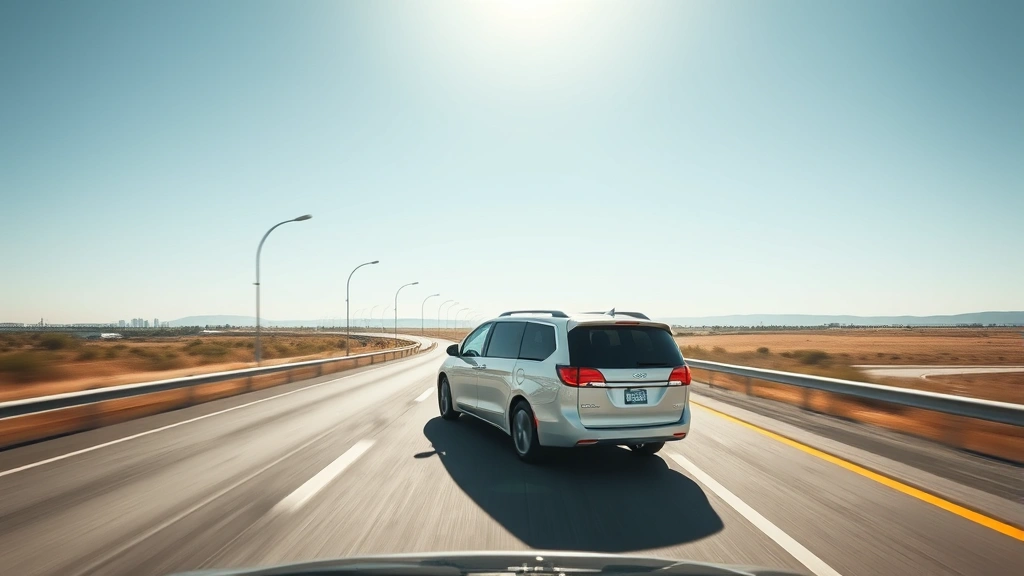
Chrysler Pacifica MPG: Is It Fuel Efficient?
The Chrysler Pacifica has established itself as a popular choice among families seeking a minivan that balances practicality with performance. However, when it comes to fuel efficiency, potential buyers often wonder whether this vehicle truly delivers on gas mileage expectations. Understanding the Pacifica’s fuel economy metrics is essential for making an informed purchasing decision, especially when considering the broader context of sustainable transportation choices and reducing your household’s carbon footprint.
The Chrysler Pacifica offers multiple powertrain options, including traditional gasoline engines and a hybrid variant. Each configuration presents different fuel efficiency profiles, affecting both your wallet and environmental impact. This comprehensive guide examines the actual Chrysler Pacifica gas mileage figures, compares different model years, and explores how this minivan stacks up against competitors in the family vehicle segment.
Understanding EPA Fuel Economy Ratings
The Environmental Protection Agency (EPA) establishes standardized fuel economy testing procedures to provide consumers with consistent, comparable data across all vehicle manufacturers. These ratings represent combined city and highway driving conditions, though real-world results often vary based on individual driving habits and environmental factors. The EPA testing protocol has evolved over time to better reflect actual driving patterns, making newer ratings more accurate than historical benchmarks.
When evaluating Chrysler Pacifica MPG specifications, you’ll encounter three primary figures: city MPG, highway MPG, and combined MPG. The combined rating typically carries the most weight in consumer decision-making, as it represents an average of typical driving scenarios. Understanding these distinctions helps you set realistic expectations for fuel consumption and calculate potential annual fuel costs. The EPA’s rigorous testing methodology ensures that published figures are reliable and comparable across different vehicle models and years.
Chrysler Pacifica Gasoline Models MPG
The standard gasoline-powered Chrysler Pacifica, equipped with a 3.6-liter V6 engine, delivers respectable fuel economy for a full-size minivan. Recent model years (2022-2024) achieve approximately 19-21 MPG combined, with city ratings around 17-18 MPG and highway ratings between 24-27 MPG. These figures represent a solid baseline for the segment, though they don’t position the Pacifica as a fuel economy champion. The V6 engine provides adequate power for family hauling while maintaining reasonable efficiency for its class.
Transmission technology plays a significant role in fuel efficiency optimization. The Pacifica utilizes an advanced 9-speed automatic transmission that helps optimize engine performance across various driving conditions. This modern transmission system contributes to the vehicle’s ability to achieve highway MPG figures that exceed city ratings by a notable margin. When considering whether the Pacifica’s gas mileage meets your needs, factor in your typical driving patterns—those who spend significant time on highways may experience better-than-average fuel economy.
Model year variations show modest improvements in efficiency over time, reflecting ongoing engineering refinements and green technology innovations implemented by Chrysler. Older Pacifica models (2015-2018) typically achieved 17-19 MPG combined, demonstrating how automotive efficiency standards have gradually improved across the industry.
Hybrid Pacifica Fuel Efficiency
The Chrysler Pacifica Hybrid represents a significant leap forward in minivan fuel efficiency, introducing plug-in hybrid electric vehicle (PHEV) technology to the segment. This innovative powertrain combines a gasoline engine with electric motors and a rechargeable battery system, enabling substantially improved fuel economy and reduced emissions. The hybrid Pacifica achieves approximately 32 MPG combined when operating in hybrid mode, nearly doubling the efficiency of the gasoline-only variant. This dramatic improvement reflects the substantial benefits of electric vehicle technology advantages in reducing fuel consumption.
When the battery is fully charged, the hybrid Pacifica can operate on electric power alone for approximately 32-33 miles, allowing many daily commutes and local trips to occur with zero gasoline consumption. EPA ratings for the plug-in hybrid system show combined fuel economy of 32 MPG, with additional ratings measured in miles per gallon equivalent (MPGe) for electric operation. For households with regular charging infrastructure, the hybrid variant can dramatically reduce annual fuel expenses and environmental impact compared to gasoline-only models.
The hybrid system’s efficiency advantages extend beyond simple fuel economy numbers. When charged regularly from renewable energy sources, the Pacifica Hybrid can operate with minimal carbon emissions during electric-only driving phases. This capability makes it an excellent choice for environmentally conscious families seeking to align their transportation decisions with broader environmental footprint reduction goals. The initial higher purchase price of the hybrid model is often offset by fuel savings and potential tax incentives over the vehicle’s lifetime.
Real-World Driving Conditions
EPA fuel economy ratings, while standardized and useful for comparison, often differ from real-world driving results. Most drivers experience fuel economy that falls somewhat below published EPA estimates, typically by 10-20 percent depending on driving conditions and habits. Understanding this variance helps set realistic expectations for your Chrysler Pacifica’s actual performance. Real-world testing by independent automotive organizations frequently reveals that highway driving produces results closer to EPA estimates, while city driving often falls short due to frequent acceleration and deceleration cycles.
Several factors influence actual fuel consumption during daily driving. Traffic congestion, aggressive acceleration, excessive idling, and frequent stop-and-go driving all reduce efficiency compared to steady-state highway conditions. Conversely, consistent highway speeds, smooth acceleration, and optimal tire pressure can sometimes exceed EPA estimates. Seasonal variations also affect fuel economy—cold weather reduces efficiency due to engine warm-up periods and increased fuel enrichment, while warm weather typically improves results.
The Pacifica’s weight and aerodynamic design influence real-world efficiency. As a large, family-oriented vehicle, the Pacifica carries substantial curb weight (approximately 4,400-4,600 pounds depending on configuration), which requires more energy to accelerate and maintain speed. However, its relatively streamlined design helps minimize aerodynamic drag at highway speeds. Payload weight—including passengers, cargo, and equipment—directly impacts fuel consumption; a fully loaded Pacifica will deliver noticeably lower MPG than the same vehicle lightly loaded.
Comparing Pacifica to Competitors
In the minivan segment, the Chrysler Pacifica faces competition from the Honda Odyssey and Toyota Sienna. The Honda Odyssey achieves approximately 19-22 MPG combined with its 3.5-liter V6 engine, placing it roughly on par with the gasoline Pacifica. However, the Toyota Sienna operates exclusively as a hybrid, delivering approximately 36 MPG combined, positioning it as the efficiency leader in the minivan category. This comparison highlights the growing importance of hybrid technology in achieving superior fuel economy across automotive segments.
When evaluating minivan options, fuel economy represents just one factor among many considerations. The Pacifica offers a hybrid option that brings its efficiency closer to the Sienna’s performance, while potentially offering better performance characteristics and towing capacity than competitors. The gasoline Pacifica’s fuel economy aligns reasonably with the Odyssey, suggesting that fuel efficiency differences should not be the primary deciding factor when choosing between these vehicles. Instead, consider overall value, features, reliability, and driving dynamics alongside fuel economy metrics.
For families prioritizing sustainable energy solutions, the hybrid Pacifica or Sienna represent optimal choices within the minivan category. Both vehicles substantially reduce fuel consumption and emissions compared to gasoline-only models, making them excellent options for environmentally conscious families. The Pacifica Hybrid’s plug-in capability adds an additional advantage for households with home charging infrastructure, enabling longer all-electric operation than the Sienna’s traditional hybrid system.
Factors Affecting Your Fuel Economy
Numerous variables influence your Chrysler Pacifica’s actual fuel consumption, extending beyond the vehicle’s engineering specifications. Tire pressure significantly impacts rolling resistance; underinflated tires can reduce fuel economy by 3-5 percent or more. Maintaining tires at manufacturer-recommended pressure levels—typically found on the driver’s door jamb rather than the tire sidewall—ensures optimal efficiency. Tire condition also matters; worn tires with less tread generate greater rolling resistance than properly maintained tires.
Engine maintenance directly affects fuel economy performance. A well-maintained engine with fresh air filters, clean fuel injectors, and properly functioning oxygen sensors operates more efficiently than one requiring service. Following Chrysler’s recommended maintenance schedule ensures that your Pacifica operates at peak efficiency. Regular oil changes using the correct viscosity oil reduce engine friction and improve fuel economy. Spark plugs, fuel filters, and transmission fluid condition all contribute to overall efficiency.
Driving behavior represents perhaps the most controllable variable affecting fuel consumption. Aggressive acceleration, rapid deceleration, excessive speeding, and unnecessary idling all reduce efficiency. Conversely, smooth acceleration, anticipatory braking, consistent speeds, and minimizing idle time improve fuel economy. For the hybrid Pacifica, driving patterns significantly influence electric versus gasoline operation; drivers who charge regularly and take advantage of electric-only capability realize the greatest efficiency benefits.
Environmental conditions including temperature, humidity, and altitude affect engine performance and fuel consumption. Cold weather reduces efficiency due to increased engine friction and extended warm-up periods. High-altitude driving may improve fuel economy slightly due to thinner air reducing aerodynamic drag. Wind conditions, particularly strong headwinds, increase fuel consumption by requiring additional energy to overcome air resistance. While most drivers cannot control environmental conditions, understanding their effects helps explain variations in fuel economy across seasons and geographic locations.
Tips for Improving MPG
Maximizing your Chrysler Pacifica’s fuel efficiency involves implementing practical strategies that reduce fuel consumption without sacrificing functionality or safety. Reduce excess weight by removing unnecessary cargo and roof racks when not actively in use. Every 100 pounds of additional weight reduces fuel economy by approximately one percent, so eliminating unnecessary items provides measurable benefits. Roof racks and carriers create significant aerodynamic drag, particularly at highway speeds; removing them when not needed can improve fuel economy by 5-10 percent or more.
Optimize your driving habits through conscious fuel conservation techniques. Plan trips efficiently to combine multiple errands into single outings, reducing overall driving distance. Maintain consistent speeds on highways rather than fluctuating between fast and slow driving; cruise control can help maintain steady highway speeds. Avoid excessive idling—modern engines use minimal fuel during acceleration but consume fuel during idle periods. During winter months, allow brief warm-up periods (30 seconds is typically sufficient) rather than extended idling.
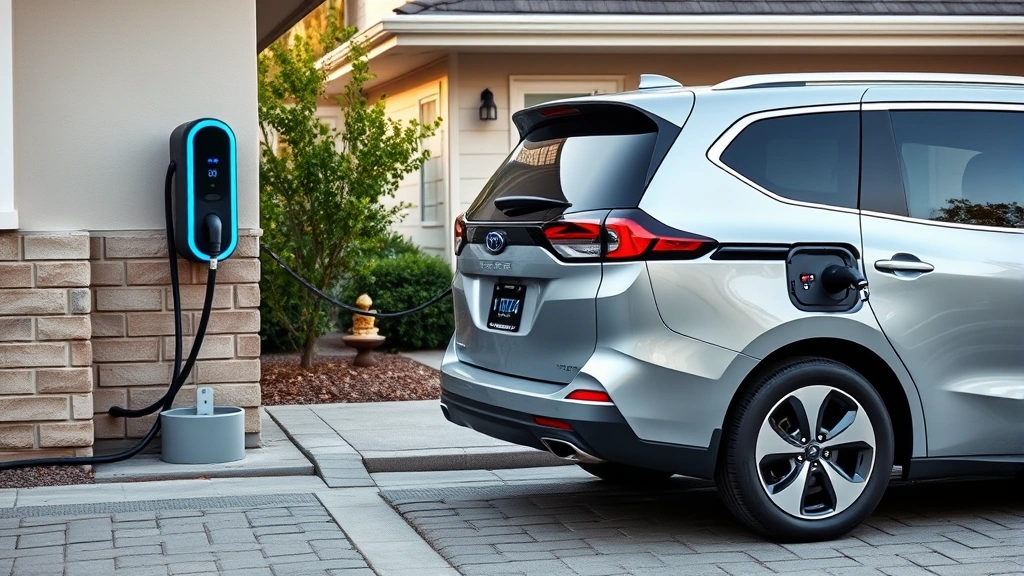
For hybrid Pacifica owners, maximizing electric operation provides the most dramatic efficiency improvements. Charge the vehicle regularly from household power, preferably using renewable energy sources if available. Plan short trips to utilize electric-only capability. Adjust driving patterns to maximize regenerative braking—gradual deceleration recovers more energy than hard braking. Many hybrid owners report fuel economy exceeding EPA estimates when they actively optimize their driving behavior and charging patterns.
Maintain optimal tire pressure through regular monitoring. Check tire pressure monthly and before long trips; properly inflated tires improve fuel economy and extend tire lifespan. Use the pressure specified on the door jamb rather than the maximum pressure listed on the tire sidewall. Consider low-rolling-resistance tires designed specifically to improve fuel economy; while they may cost slightly more initially, fuel savings and extended lifespan often justify the investment.
Environmental Impact Assessment
Understanding the Chrysler Pacifica’s fuel efficiency within the broader context of environmental sustainability requires examining its carbon footprint and emissions impact. The gasoline Pacifica produces approximately 8.8 metric tons of carbon dioxide annually based on EPA estimates and typical 12,000-mile annual driving. This calculation reflects the carbon intensity of gasoline combustion and the energy required to produce and refine fuel. For families concerned about climate impact, these emissions represent a meaningful contribution to household carbon footprint.
The hybrid Pacifica substantially reduces annual emissions, producing approximately 5.0 metric tons of carbon dioxide annually under similar driving conditions—a reduction of nearly 43 percent compared to the gasoline model. When charged from renewable electricity sources, the emissions reduction becomes even more substantial. For households with home solar systems or access to renewable grid electricity, the Pacifica Hybrid can reduce annual transportation emissions by 60 percent or more. This dramatic improvement aligns well with contemporary sustainability principles and practices.
The manufacturing process for hybrid vehicles, including battery production, generates higher initial emissions than gasoline-only vehicles. However, this manufacturing carbon debt is typically repaid through operational emissions reductions within 2-3 years of average driving. Over a vehicle’s typical 10-15 year lifespan, the hybrid Pacifica delivers substantially lower total lifecycle emissions than the gasoline variant, making it the environmentally superior choice for long-term ownership.
Beyond carbon emissions, fuel consumption relates directly to air quality impacts. Gasoline combustion produces nitrogen oxides (NOx) and particulate matter that contribute to smog formation and respiratory health issues. The hybrid Pacifica’s reduced fuel consumption proportionally reduces these localized air pollutants. Electric-only operation during short trips eliminates tailpipe emissions entirely, improving air quality in residential neighborhoods and reducing exposure to vehicle emissions for drivers and pedestrians.
For families seeking to understand their complete environmental impact, consider that vehicle choice represents a significant decision within household sustainability goals. Selecting the hybrid Pacifica, optimizing driving behaviors, and complementing these choices with other environmental footprint reduction strategies creates meaningful progress toward climate goals. The Pacifica’s minivan utility enables family transportation that might otherwise require multiple vehicles, further reducing overall transportation impact.
FAQ
What is the average MPG for a Chrysler Pacifica?
The gasoline Chrysler Pacifica achieves approximately 19-21 MPG combined, with city ratings around 17-18 MPG and highway ratings of 24-27 MPG. The hybrid variant delivers approximately 32 MPG combined, plus up to 33 miles of electric-only range when fully charged.
Is the Chrysler Pacifica hybrid worth the extra cost?
For families with home charging infrastructure and regular local driving, the hybrid Pacifica typically pays for its premium through fuel savings over 5-7 years. Additionally, hybrid owners benefit from environmental advantages and potential tax incentives. The break-even analysis depends on local fuel prices, electricity costs, and individual driving patterns.
How does the Pacifica’s fuel economy compare to the Honda Odyssey?
The Honda Odyssey achieves approximately 19-22 MPG combined, placing it roughly on par with the gasoline Pacifica. The Toyota Sienna, which operates exclusively as a hybrid, delivers approximately 36 MPG combined, making it the efficiency leader in the minivan segment.
Can I improve my Pacifica’s fuel economy?
Yes, several strategies improve fuel economy: maintain proper tire pressure, reduce excess weight, drive smoothly without aggressive acceleration, minimize idling, and follow regular maintenance schedules. Hybrid owners should maximize electric operation through regular charging and anticipatory driving.
What external factors most significantly impact fuel economy?
Cold weather, tire pressure, payload weight, driving speed, and traffic conditions represent the most influential factors. Highway driving typically produces better fuel economy than city driving due to more consistent speeds and less acceleration. Cold weather reduces efficiency by 5-15 percent due to increased engine friction.
Is the Pacifica’s fuel economy adequate for a family minivan?
The gasoline Pacifica’s fuel economy aligns with minivan segment standards, while the hybrid variant leads the category. For families prioritizing fuel efficiency, the hybrid Pacifica represents an excellent choice. For those with moderate driving distances, the gasoline model provides acceptable efficiency balanced against other vehicle qualities.
What tax incentives are available for the Pacifica Hybrid?
Tax incentives for plug-in hybrid vehicles vary by location and change annually. Check the EPA’s fuel economy and tax incentives resource and your state’s environmental agency for current incentive information. Federal credits up to $7,500 may apply for qualifying hybrid vehicles.
How does driving behavior affect real-world MPG?
Aggressive acceleration, rapid deceleration, excessive speeding, and frequent idling reduce fuel economy by 10-25 percent compared to smooth, consistent driving patterns. Highway driving at steady speeds typically produces results closer to EPA estimates than city driving.


