Citizens Gas Indiana’s Green Initiatives: A Review
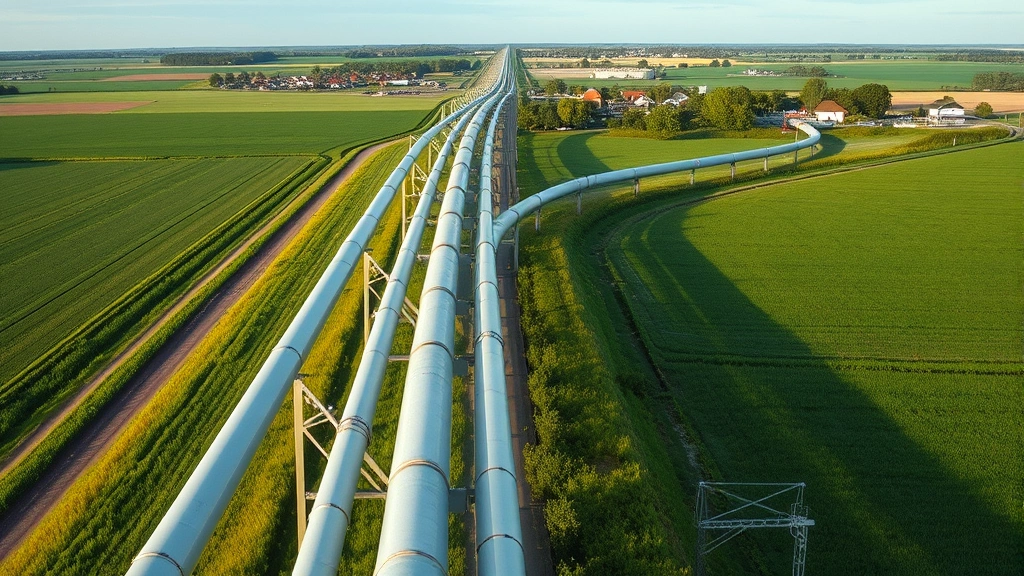
Citizens Gas Indiana, one of the Midwest’s largest natural gas distribution companies, has been navigating the complex intersection of energy provision and environmental responsibility. As climate concerns intensify and regulatory pressures mount, utilities across the nation face mounting expectations to transition toward cleaner energy sources while maintaining reliable service to millions of customers. Citizens Gas Indiana’s approach to sustainability reflects broader industry trends, showcasing both meaningful commitments and the inherent challenges of transforming a traditional fossil fuel business.
This comprehensive review examines Citizens Gas Indiana’s environmental programs, renewable energy initiatives, and decarbonization strategies. We’ll explore what the company is doing right, where gaps remain, and how their efforts compare to industry standards and climate science recommendations. Whether you’re a customer seeking to understand your utility’s environmental impact, an investor evaluating corporate responsibility, or a sustainability advocate monitoring progress toward net-zero goals, this analysis provides actionable insights into one of Indiana’s most influential energy providers.

Citizens Gas Indiana Overview and Market Position
Citizens Gas Indiana operates as a subsidiary of Vectren Corporation and serves approximately 450,000 customers across central and southern Indiana. The company distributes natural gas to residential, commercial, and industrial customers, making it a critical infrastructure provider for the region. Understanding their environmental initiatives requires first recognizing their scale and influence within Indiana’s energy landscape.
The utility industry stands at a crossroads. Natural gas has historically been positioned as a transitional fuel—cleaner than coal but not as emission-free as renewable electricity. However, as climate science demands deeper decarbonization, utilities like Citizens Gas Indiana face pressure to accelerate their sustainability timelines. The company’s green initiatives reflect this tension between maintaining current business models and adapting to climate imperatives.
Citizens Gas Indiana’s parent company, Vectren, serves over 1.1 million customers across Indiana and Ohio, making environmental decisions at this level consequential for millions of people. Recent corporate restructuring and ownership changes have prompted renewed focus on sustainability metrics and climate commitments.
Renewable Natural Gas Programs
One of Citizens Gas Indiana’s most significant environmental initiatives involves renewable natural gas (RNG) development. Also called biomethane, RNG is produced from organic waste materials—including agricultural residue, wastewater treatment, and landfill gas—and can be injected directly into existing natural gas pipelines.
RNG represents a potentially transformative pathway for reducing carbon emissions from natural gas consumption. When biogas from decomposing organic matter is captured instead of released into the atmosphere, it prevents methane—a greenhouse gas roughly 28-36 times more potent than carbon dioxide over a 100-year period—from entering the atmosphere. Processing this biogas into pipeline-quality RNG creates a renewable fuel that produces lower lifecycle carbon emissions compared to conventional natural gas.
Citizens Gas Indiana has invested in RNG sourcing agreements and pilot programs to integrate renewable natural gas into their supply mix. These initiatives typically involve partnerships with agricultural operations, food processing facilities, and waste management companies. The company has highlighted its commitment to increasing RNG percentages in delivered gas over time, though specific targets and timelines remain modest compared to climate science recommendations.
However, RNG faces significant scalability challenges. The total available RNG potential in North America, while growing, remains limited relative to total natural gas consumption. Additionally, RNG pricing currently exceeds conventional natural gas costs, creating economic barriers to rapid deployment. Sustainable energy solutions require integrating multiple approaches rather than relying exclusively on any single technology.
Energy Efficiency and Conservation Initiatives
Beyond fuel switching, Citizens Gas Indiana operates comprehensive energy efficiency programs targeting both residential and commercial customers. These initiatives align with the broader principle that the most sustainable energy is energy not consumed—efficiency improvements reduce overall demand while lowering customer costs.
Residential efficiency programs offered by Citizens Gas Indiana include weatherization assistance, HVAC system optimization, and insulation improvements. The company provides rebates and incentives encouraging customers to upgrade to high-efficiency furnaces, water heaters, and boilers. These programs deliver immediate benefits: reduced energy bills for participants and decreased overall system demand.
Commercial and industrial customers access specialized energy audits and custom efficiency projects. Manufacturing facilities, office buildings, and institutional customers can identify optimization opportunities and receive financial incentives for implementation. These programs recognize that large-scale energy users require tailored solutions rather than one-size-fits-all approaches.
The effectiveness of efficiency programs depends partly on customer awareness and participation rates. Citizens Gas Indiana invests in outreach and education, yet reaching all customer segments remains challenging. Low-income households, which often occupy less efficient housing stock and struggle with energy costs, require targeted support to access efficiency improvements. How to reduce your environmental footprint begins with understanding your current consumption patterns.
Methane Emissions Reduction Efforts
Methane emissions from natural gas infrastructure represent a critical environmental concern. While natural gas burns relatively cleanly compared to coal, methane leakage from pipelines, compressors, and distribution systems substantially increases the climate impact of natural gas consumption. A single methane leak can offset years of climate benefits from using natural gas instead of dirtier fuels.
Citizens Gas Indiana has implemented methane detection and repair programs designed to identify leaks across their distribution network. These efforts involve regular pipeline inspections, leak detection technology, and rapid repair protocols. The company reports steady progress in reducing methane emissions intensity—the amount of methane lost per unit of gas delivered.
However, environmental organizations and climate advocates argue that current leak rates remain unacceptably high. EPA greenhouse gas emissions data demonstrates that methane from natural gas systems represents a significant portion of industrial methane emissions. Accelerating leak detection and repair, deploying advanced sensing technologies, and implementing stricter performance standards could substantially reduce these emissions.
The company’s methane reduction efforts also extend to encouraging customer-side efficiency improvements. When customers reduce natural gas consumption through efficiency upgrades, less fuel flows through the distribution system, proportionally reducing leakage losses. This creates alignment between customer interests (lower bills) and environmental goals (reduced emissions).
Community and Customer Engagement
Citizens Gas Indiana recognizes that achieving sustainability goals requires engaging customers as active participants rather than passive consumers. The company operates educational programs, community partnerships, and customer communication initiatives focused on energy awareness and conservation.
Community partnerships with local environmental organizations, universities, and non-profits help extend the company’s reach and credibility. Collaborative initiatives address local energy challenges while building trust with stakeholders. These partnerships often focus on underserved communities where energy costs consume disproportionate household income shares.
Customer communication about energy usage patterns helps individuals make informed decisions. Smart meter technology and enhanced billing information allow customers to monitor consumption and identify opportunities for reduction. Natural gas news and utility communications help customers understand their role in broader sustainability transitions.
Educational initiatives targeting schools and youth organizations build long-term awareness about energy, sustainability, and climate change. These programs cultivate informed citizens who will make energy-conscious decisions throughout their lives and potentially advocate for stronger environmental policies.
Comparison with Industry Standards
Evaluating Citizens Gas Indiana’s environmental performance requires contextualizing their efforts within broader industry trends and climate science requirements. How do their initiatives compare to peer utilities and to what climate scientists say is necessary?
Against peer utilities: Many natural gas distribution companies have adopted RNG programs and efficiency initiatives similar to Citizens Gas Indiana’s offerings. Some leading utilities have committed to more aggressive decarbonization timelines and higher renewable fuel targets. For instance, utilities in California, the Northeast, and parts of the Midwest have announced plans to achieve significantly higher percentages of renewable or carbon-neutral gas within the next 10-15 years.
Against climate science: Here lies a more sobering comparison. The Intergovernmental Panel on Climate Change (IPCC) and IPCC climate mitigation pathways indicate that achieving climate goals requires dramatic reductions in fossil fuel consumption—not merely transitioning to slightly cleaner versions of existing fuels. Deep decarbonization scenarios involve substantial electrification, particularly in heating applications currently served by natural gas.
This means that while Citizens Gas Indiana’s RNG and efficiency initiatives represent genuine progress, they may be insufficient relative to climate imperatives. The company’s long-term viability may depend less on optimizing natural gas delivery and more on transitioning toward alternative business models serving decarbonized energy futures.
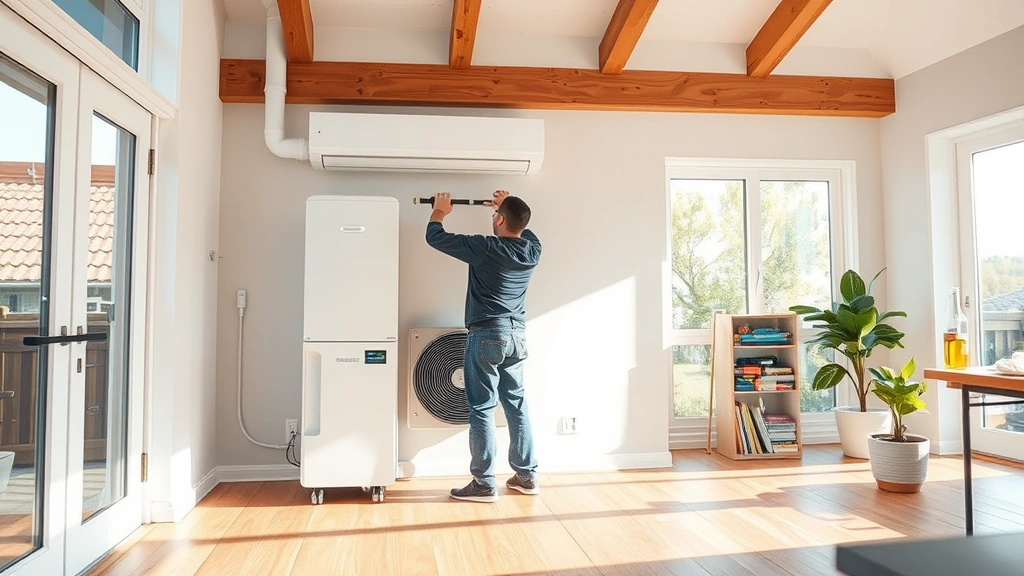
Green technology innovations transforming our future include heat pump technology, electric resistance heating, and renewable electricity that could ultimately replace much natural gas consumption in buildings.
Challenges and Future Outlook
Citizens Gas Indiana faces substantial challenges in navigating energy transition while maintaining service reliability and economic viability. Understanding these challenges illuminates both the company’s constraints and opportunities.
RNG scalability: As discussed, renewable natural gas availability remains limited relative to total demand. Expanding RNG supply requires developing new infrastructure, securing feedstock, and managing higher costs. The company must balance ambitious RNG goals with economic realities.
Stranded assets: Infrastructure investments in natural gas distribution systems have multi-decade operational lifespans. If decarbonization accelerates faster than anticipated, some assets could become underutilized before their intended depreciation period concludes, creating financial risks for the utility and its investors.
Customer transitions: Moving customers away from natural gas toward electrified heating and cooking requires coordinated infrastructure investment, technological deployment, and consumer behavior change. Citizens Gas Indiana’s incentive structures currently favor natural gas consumption, creating tension with decarbonization goals.
Regulatory evolution: State and federal regulations governing utility performance continue evolving. Future carbon pricing, emissions standards, and renewable requirements could substantially alter the economics of natural gas distribution. Companies preparing proactively for regulatory changes position themselves better than those caught off-guard.
Future outlook: Citizens Gas Indiana will likely continue incremental improvements in RNG sourcing, efficiency programs, and methane reduction. However, transformative change may require fundamental business model evolution—potentially involving diversification into electric heating services, renewable electricity distribution, or energy services beyond traditional gas delivery.
The company’s success in sustainability ultimately depends not only on their initiatives but on broader energy policy, customer demand, and technological development. Advantages of electric vehicles extend beyond transportation—electrification of heating and other end-uses creates opportunities for utility companies to participate in decarbonization while serving customer needs differently.
Stakeholders should monitor Citizens Gas Indiana’s commitment to setting science-based emissions reduction targets, increasing RNG procurement percentages, and exploring business model innovations that align profit incentives with climate goals.
FAQ
What is renewable natural gas and how does it differ from conventional natural gas?
Renewable natural gas (RNG) is methane produced from organic waste decomposition—agricultural residues, wastewater treatment, landfills, and food processing—rather than fossil fuel extraction. When processed to pipeline quality, RNG is chemically identical to conventional natural gas but carries substantially lower lifecycle carbon emissions. Conventional natural gas releases carbon stored underground for millions of years; RNG utilizes carbon from recent biological processes, creating a closed-loop cycle.
How can Citizens Gas Indiana customers reduce their environmental impact?
Customers can participate in utility efficiency programs, upgrade to high-efficiency HVAC systems and water heaters, improve home insulation and weatherization, and reduce consumption through behavioral changes. SustainWise Hub Blog offers additional resources for reducing energy consumption. Over longer timeframes, transitioning to heat pump heating and electric appliances provides the most substantial environmental benefits.
What percentage of Citizens Gas Indiana’s supply comes from renewable natural gas?
Current RNG percentages remain relatively modest—typically 1-3% of total supply depending on market conditions and available RNG sources. The company has announced intentions to increase this percentage over time, though specific targets and timelines vary by regulatory jurisdiction.
How does methane leakage affect natural gas’s climate impact?
Methane is approximately 28-36 times more potent than carbon dioxide over a 100-year period. Pipeline leakage means some extracted natural gas never reaches customers—it enters the atmosphere as pure methane. Reducing leakage rates substantially improves natural gas’s climate performance. Current industry leakage rates of 1-3% of delivered gas significantly increase the climate impact of natural gas consumption.
What is the long-term future of natural gas utilities?
Industry experts project that natural gas utilities will face declining demand as electrification accelerates and renewable electricity supply increases. Successful utilities may diversify into renewable energy distribution, efficiency services, and emerging technologies. Others may consolidate or transition to alternative business models. The transition will likely span 20-30 years but represents an inevitable evolution driven by climate imperatives and economic competitiveness of renewable alternatives.
How can I find information about Citizens Gas Indiana’s current sustainability initiatives?
Citizens Gas Indiana publishes sustainability reports, environmental programs information, and customer resources through their website and customer communications. Third-party environmental organizations and utility regulatory filings also contain information about utility environmental performance and commitments.


