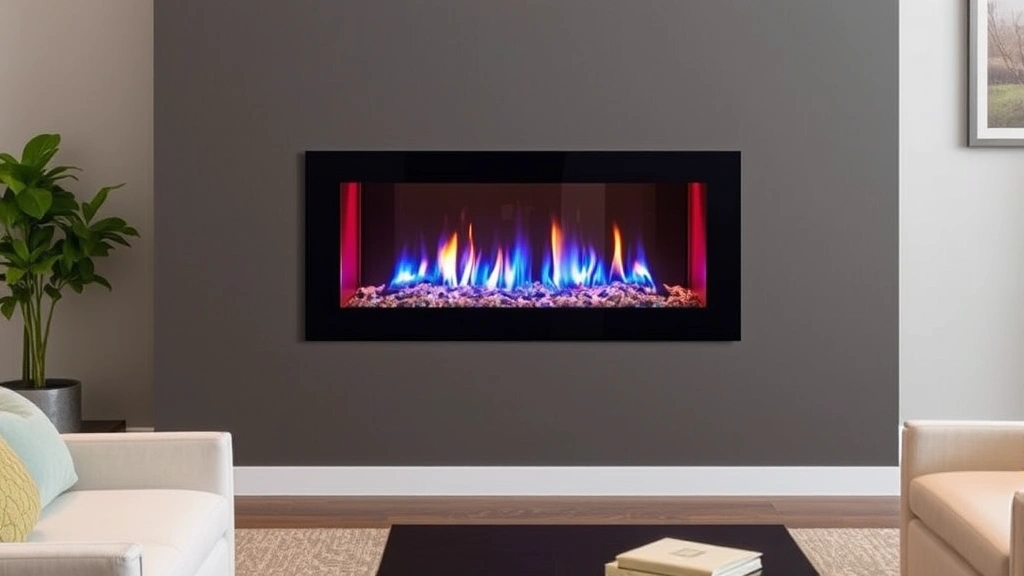
Is Direct Vent Efficient? Fireplace Expert Insights
Direct vent gas fireplaces have become increasingly popular among homeowners seeking efficient heating solutions that combine comfort with environmental responsibility. Unlike traditional wood-burning fireplaces that lose significant heat up the chimney, direct vent for gas fireplaces represents a modern approach to home heating that maximizes energy efficiency. These systems draw combustion air directly from outside and exhaust fumes back outside through sealed pipes, creating a closed-loop system that prevents heated indoor air from escaping.
The question of whether direct vent fireplaces truly deliver on their efficiency promises deserves careful examination. Understanding how these systems work, comparing their performance metrics, and evaluating their long-term sustainability impact can help homeowners make informed decisions about their heating investments. This comprehensive guide explores the technical aspects, real-world performance, and environmental considerations of direct vent gas fireplace technology.
How Direct Vent Gas Fireplaces Work
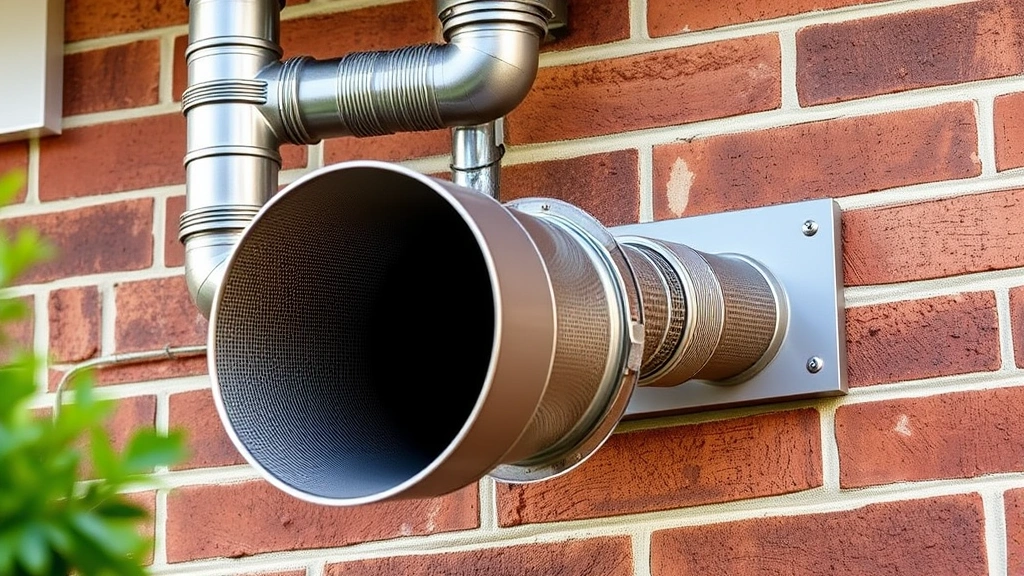
Direct vent technology operates on a fundamentally different principle than traditional heating methods. The system features a sealed combustion chamber with two concentric pipes: an inner pipe that draws fresh air from outside for combustion, and an outer pipe that expels exhaust gases back outside. This design ensures that no indoor air is consumed during the combustion process, which is a critical distinction from natural gas heating advantages.
The combustion process occurs entirely within the sealed unit, generating heat that radiates into your living space through a glass front or integrated heating elements. Because the system is sealed, it prevents the stack effect—where heated indoor air escapes up a traditional chimney, forcing your HVAC system to work harder to maintain temperature. This sealed design directly contributes to superior efficiency ratings compared to conventional fireplace installations.
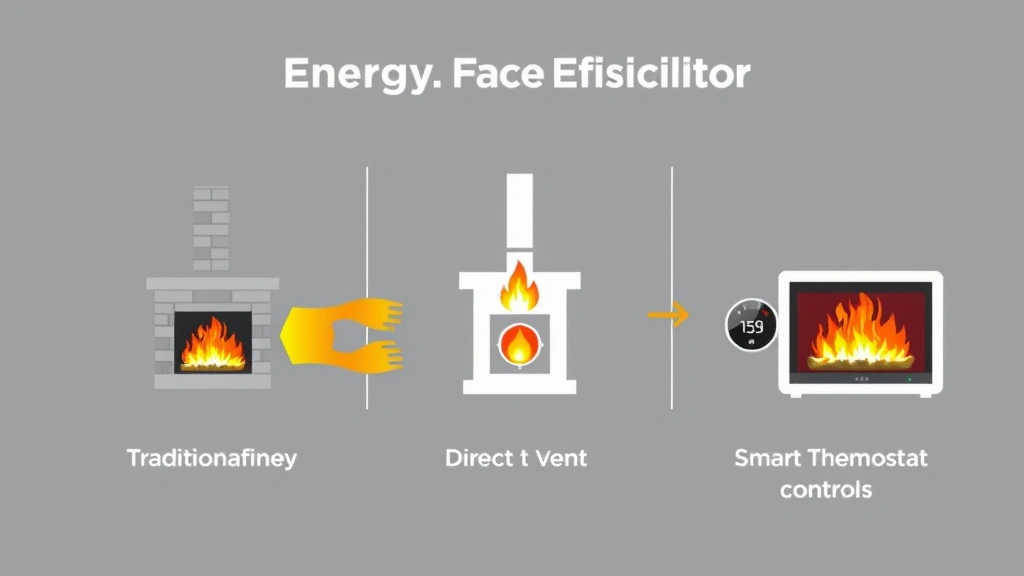
Most direct vent systems include electronic ignition, thermostatic controls, and variable heat output settings. These features allow homeowners to adjust heating intensity based on real-time comfort needs, further optimizing energy consumption. The glass front typically remains cool to the touch due to the sealed design, making these fireplaces safer for households with children or pets.
Understanding Efficiency Ratings and Performance Metrics
Direct vent gas fireplaces typically achieve efficiency ratings between 70-90%, with premium models reaching up to 95%. This represents a dramatic improvement over traditional wood-burning fireplaces, which operate at 10-30% efficiency. The efficiency percentage represents how much of the fuel’s energy actually contributes to heating your home, with the remainder lost through the exhaust system.
The EPA Indoor Air Quality standards recognize direct vent fireplaces as among the cleanest burning residential heating appliances. These ratings reflect both thermal efficiency and environmental performance. When evaluating specific models, look for AFUE (Annual Fuel Utilization Efficiency) ratings and manufacturer specifications that detail BTU output relative to fuel consumption.
Real-world efficiency depends on several factors including proper installation, regular maintenance, and appropriate unit sizing for your space. An oversized unit will cycle on and off frequently, reducing efficiency, while an undersized unit won’t adequately heat the space. Professional assessment ensures your system operates at peak efficiency throughout its lifespan.
Modern direct vent systems incorporate advanced controls that optimize performance. Thermostatic controls maintain consistent temperature settings, while modulating flame technology adjusts heat output in response to room temperature changes. These features prevent energy waste from unnecessary heating cycles.
Key Advantages of Direct Vent Systems
The advantages of direct vent gas fireplaces extend beyond simple efficiency metrics. These systems offer homeowners multiple benefits that contribute to both comfort and sustainability:
- Energy efficiency: Direct vent fireplaces lose minimal heat through exhaust, with most energy converting to usable warmth. This efficiency directly reduces heating costs and energy consumption compared to traditional heating methods.
- No chimney required: The sealed pipe design eliminates the need for expensive chimney construction or renovation, making installation feasible in apartments, modern homes, and retrofit situations.
- Indoor air quality: Because combustion occurs in a sealed chamber, no indoor air is consumed and no pollutants are released into living spaces. This represents a significant improvement for households concerned about environmental sustainability examples in home design.
- Zone heating capability: Direct vent fireplaces allow homeowners to heat specific rooms, reducing the demand on central heating systems and lowering overall energy consumption.
- Consistent performance: Unlike wood-burning fireplaces that depend on fuel quality and weather conditions, direct vent systems provide reliable, consistent heat output regardless of external factors.
- Safety features: The cool glass front, sealed combustion chamber, and lack of escaping carbon monoxide make these systems significantly safer than traditional alternatives.
These advantages combine to create a heating solution that aligns with modern sustainability goals while providing practical comfort benefits.
Direct Vent vs. Traditional Fireplaces
Comparing direct vent technology with traditional fireplace options reveals substantial differences in efficiency and environmental impact. Traditional wood-burning fireplaces, while aesthetically appealing, operate at remarkably low efficiency levels. These units consume heated indoor air for combustion and expel it through the chimney, actually increasing heating costs during winter months despite providing some localized warmth.
Ventless gas fireplaces, another alternative, burn fuel inside the home without external exhaust, which raises indoor moisture and potential air quality concerns. While ventless systems achieve high efficiency ratings, they compromise indoor air quality—a trade-off many homeowners find unacceptable. Direct vent systems eliminate this compromise by maintaining efficiency while ensuring all combustion byproducts exit the home.
Electric fireplaces offer 100% efficiency in converting electricity to heat, but electricity typically carries a higher cost per BTU than natural gas. Additionally, the electricity grid in many regions relies on fossil fuel generation, making electric heating less sustainable than direct vent gas systems that use natural gas advantages efficiently.
Heat pump technology and sustainable energy solutions represent emerging alternatives, but these systems require significant infrastructure investment and aren’t suitable for all climates or home configurations. For homeowners seeking an efficient, practical heating solution with reasonable installation costs, direct vent gas fireplaces offer compelling advantages.
Installation and Maintenance Considerations
Proper installation is essential for achieving the efficiency ratings that direct vent systems promise. The sealed pipe system must be correctly sized, installed at appropriate angles, and positioned to ensure adequate outside air intake and proper exhaust venting. Professional installation by certified technicians ensures compliance with building codes and manufacturer specifications.
The installation location significantly impacts performance. Positioning the unit away from windows, doors, and air conditioning returns prevents short-cycling where the system’s own exhaust is drawn back into the intake. Proper clearance from combustible materials and adequate ventilation space around the unit ensures safe, efficient operation.
Maintenance requirements for direct vent systems remain minimal compared to traditional fireplaces. Annual professional inspection ensures the combustion chamber, heat exchanger, and venting pipes remain clean and function properly. Homeowners should keep the exterior vents clear of debris, snow, and vegetation that might obstruct air flow. These simple maintenance tasks typically cost $100-200 annually and preserve the system’s efficiency throughout its 15-20 year lifespan.
Regular cleaning of the glass front maintains visibility and aesthetic appeal while ensuring proper heat radiation. Most manufacturers recommend professional cleaning annually, though homeowners can perform basic cleaning between professional services using appropriate glass cleaners designed for fireplace use.
Environmental Impact and Sustainability
The environmental considerations surrounding direct vent gas fireplaces merit careful examination. While natural gas is a fossil fuel and not renewable, direct vent technology represents a significant improvement in heating efficiency and emissions compared to traditional alternatives. When examining whether natural gas is renewable or nonrenewable, it’s important to recognize that efficiency improvements reduce overall environmental impact regardless of fuel source.
Direct vent systems produce minimal particulate emissions and lower greenhouse gas emissions per unit of heat generated compared to wood-burning fireplaces or inefficient traditional heating systems. The U.S. Department of Energy acknowledges that transitional technologies like efficient gas heating reduce environmental impact while renewable energy infrastructure develops.
For homeowners committed to sustainability, direct vent systems serve as an interim solution that delivers immediate environmental benefits. The reduced energy consumption directly translates to lower carbon emissions. Over a 20-year lifespan, an efficient direct vent system prevents thousands of pounds of carbon dioxide emissions compared to operating an inefficient traditional fireplace or older heating system.
Future-proofing your home with a direct vent system positions you well for eventual transition to renewable energy sources. Hybrid systems combining direct vent fireplaces with solar heating or heat pump technology represent emerging options for homeowners seeking maximum sustainability. The sealed infrastructure of direct vent systems integrates well with evolving home energy management technologies.
The EPA Greenhouse Gas Reporting Program tracks emissions from residential heating, and direct vent systems consistently perform better than conventional alternatives in these comparative analyses.
Cost Analysis and Return on Investment
The financial case for direct vent gas fireplaces depends on your current heating situation and local energy costs. Initial installation costs range from $2,000-6,000 including the unit, venting materials, and professional installation. This represents a significant investment but proves economical when compared to traditional fireplace installation requiring full chimney construction.
Operating costs depend on natural gas prices in your region, typically ranging from $0.50-1.50 per therm. A direct vent system operating at 80% efficiency and producing 25,000 BTU per hour costs approximately $1-3 daily to operate during peak heating season. Zone heating capabilities allow homeowners to reduce central heating system runtime, offsetting operating costs through reduced overall energy consumption.
The return on investment timeline varies based on your previous heating method and local energy prices. Homeowners replacing inefficient traditional fireplaces or supplementing expensive electric heating typically see positive ROI within 5-7 years. Tax incentives for energy-efficient home improvements in some jurisdictions further improve financial returns. Visit the Energy.gov home energy tax credits page to determine available incentives in your area.
Long-term value extends beyond simple energy cost calculations. Direct vent fireplaces enhance home resale value, with many buyers prioritizing efficient heating systems and attractive focal points. The reliability and low maintenance requirements provide additional financial benefits through reduced repair costs compared to traditional fireplaces requiring periodic chimney cleaning and inspection.
FAQ
What efficiency percentage should I expect from a direct vent gas fireplace?
Most quality direct vent systems achieve 70-90% efficiency, with premium models reaching 95%. This means 70-95% of the fuel’s energy converts to usable heat in your home. Compare this to traditional fireplaces at 10-30% efficiency to understand the dramatic improvement.
Can I install a direct vent fireplace in an apartment?
Yes, one major advantage of direct vent systems is their flexibility. The sealed pipe design requires only a small opening through an exterior wall, making installation possible in apartments, condos, and homes without existing chimneys. Always verify that your lease or HOA permits such modifications before proceeding.
Do direct vent fireplaces require electricity?
Most direct vent systems include electronic ignition and controls, requiring a standard electrical outlet nearby. Some models offer battery-operated ignition as an alternative. The electrical requirement is minimal, typically drawing less than 100 watts when operating.
How often should I have my direct vent fireplace serviced?
Professional annual inspection and maintenance preserves efficiency and ensures safe operation. Many homeowners schedule service in late summer before the heating season begins. Between professional visits, simply keep exterior vents clear of debris and snow.
Are direct vent fireplaces safe for homes with children and pets?
Yes, direct vent fireplaces are significantly safer than traditional options. The sealed combustion chamber prevents carbon monoxide release into living spaces, the cool glass front eliminates burn hazards, and the sealed design prevents backdrafting. These features make direct vent systems excellent choices for safety-conscious households.
Can a direct vent fireplace serve as my primary heating source?
Direct vent fireplaces work best as zone heating or supplemental heating sources rather than primary systems. Their output (typically 20,000-40,000 BTU) suits individual room heating rather than whole-home climate control. For primary heating, integrate a direct vent system with your existing HVAC system or consider hybrid approaches.
What’s the difference between direct vent and power vent systems?
Direct vent systems use natural draft to exhaust gases, while power vent systems use a fan to assist exhaust. Power vent systems offer more installation flexibility but require electricity and periodic fan maintenance. Direct vent systems remain simpler and more reliable due to fewer moving parts.
How does direct vent compare to electric heating alternatives?
Direct vent gas fireplaces typically cost less to operate than electric heating in most regions because natural gas pricing is lower per BTU than electricity. However, electric systems offer 100% efficiency and produce zero emissions at the point of use. The choice depends on your local energy costs and sustainability priorities.
Can I control my direct vent fireplace remotely?
Many modern direct vent systems include remote controls and thermostat compatibility. Some premium models integrate with smart home systems for remote operation via smartphone apps. Check specific model specifications when selecting a system if remote control capability matters to you.
What happens if the outside vent becomes blocked?
If the outside vent becomes blocked by ice, snow, or debris, the system’s safety controls prevent operation. This design prevents dangerous backdrafting and carbon monoxide accumulation. Regular maintenance and seasonal checks of exterior vents prevent this issue and ensure uninterrupted operation.
Explore additional resources on the SustainWise Hub Blog for more insights on efficient home heating and sustainable living practices. Understanding your heating options empowers you to make decisions that align with both your comfort needs and environmental values.


