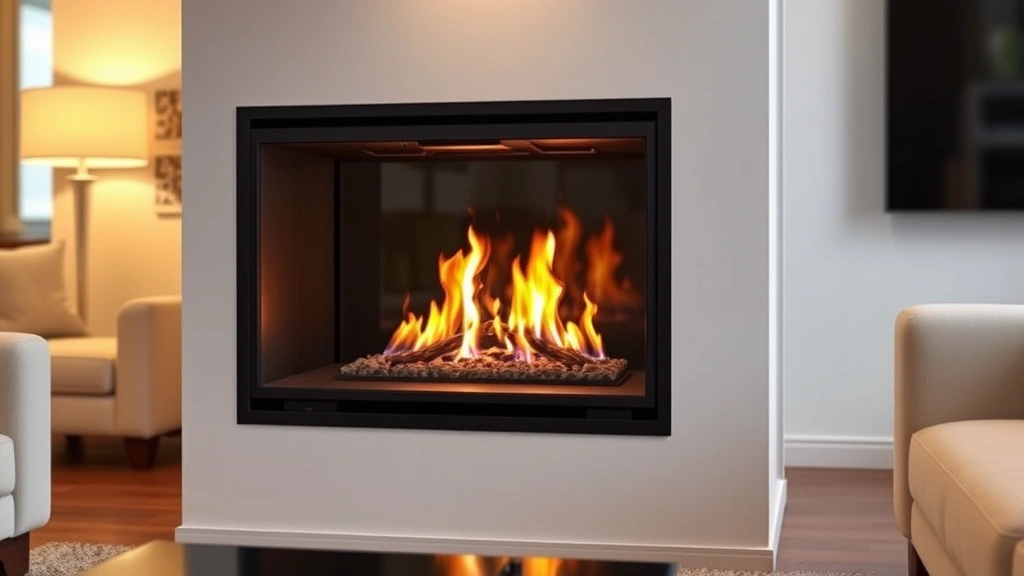
Is a Direct Vent Gas Fireplace Efficient? Expert Insights on Performance, Sustainability, and Home Heating
Direct vent gas fireplaces have become increasingly popular among homeowners seeking efficient heating solutions that don’t compromise on ambiance. Unlike traditional open fireplaces that lose 80-90% of their heat up the chimney, direct vent models are engineered to maximize energy retention while minimizing environmental impact. But are they truly efficient, and should they be part of your home’s heating strategy? This comprehensive guide examines the science behind direct vent technology, comparing it to alternative heating methods and exploring its role in sustainable home design.
As energy costs continue to rise and environmental concerns mount, understanding the efficiency of your home heating systems is crucial. Direct vent gas fireplaces operate on a closed combustion principle, drawing air directly from outdoors for burning and venting exhaust back outside through sealed ducts. This design eliminates the heat loss associated with traditional fireplaces and reduces the need for constant climate control adjustments. Whether you’re renovating your home or building new, knowing the true efficiency metrics of direct vent fireplaces helps you make informed decisions aligned with both your comfort needs and sustainability goals.
How Direct Vent Gas Fireplaces Work
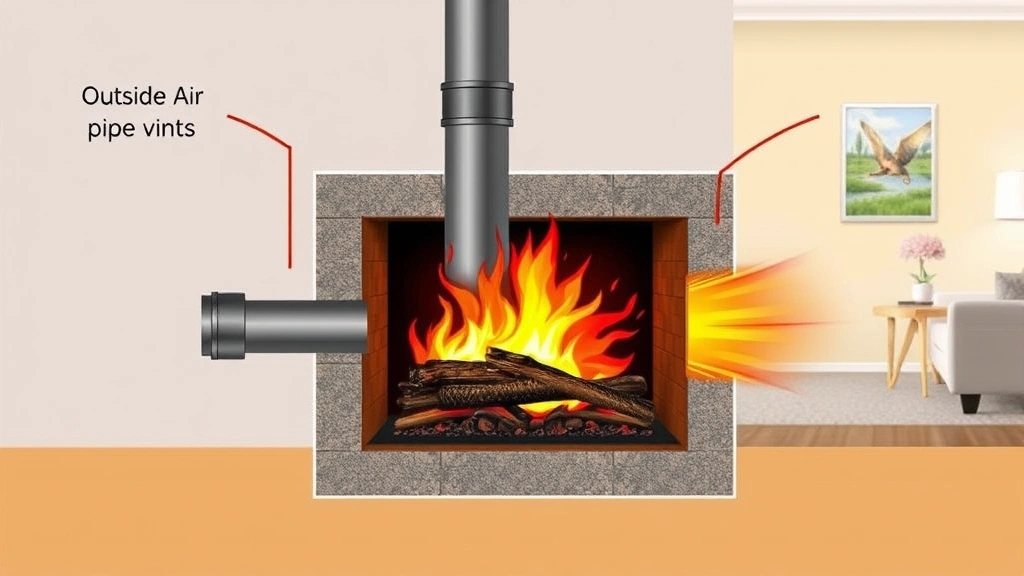
Direct vent gas fireplaces represent a significant advancement in home heating technology. The system operates through a sealed combustion chamber where natural gas or propane burns with air drawn directly from outside the home. This outside air enters through one pipe while combustion byproducts exit through another pipe, both typically routed through an exterior wall or roof. The sealed design prevents conditioned indoor air from escaping, which is a major advantage over traditional fireplaces that require constant air replacement to sustain combustion.
The combustion process generates heat that radiates into your living space through a glass panel or ceramic logs. Many models include fans or blowers that circulate warm air more efficiently throughout the room. The dual-pipe system ensures that no indoor air is consumed for combustion, meaning your home’s heated or cooled air remains undisturbed. This fundamental design principle is what makes direct vent fireplaces substantially more efficient than their conventional counterparts. Understanding this mechanism helps explain why efficiency ratings for direct vent systems typically range from 70-90%, compared to just 10-20% for traditional open fireplaces.
Efficiency Ratings and Performance Metrics
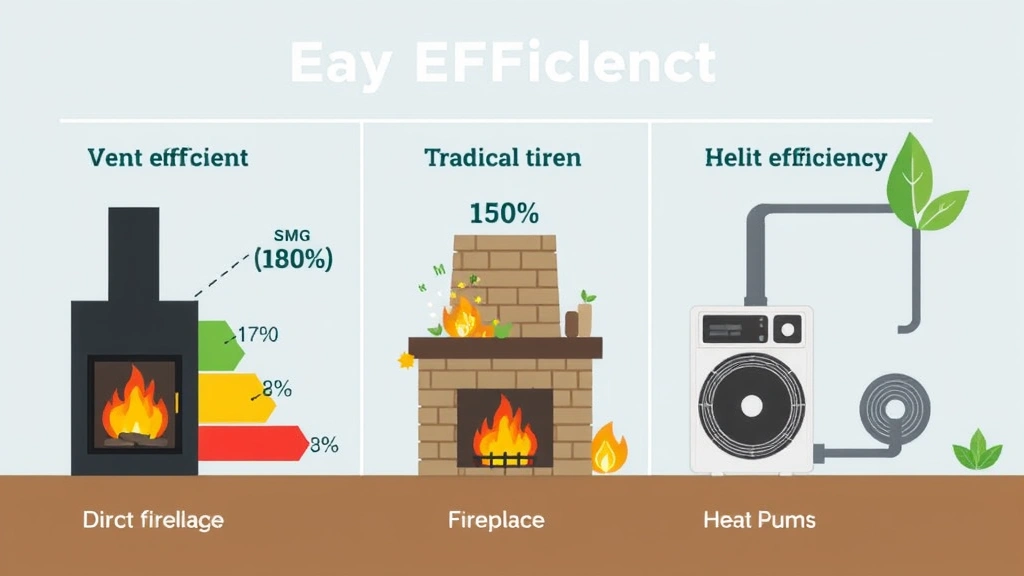
Direct vent gas fireplace efficiency is measured through several standardized metrics that help consumers compare models. The primary measurement is Annual Fuel Utilization Efficiency (AFUE), which represents the percentage of fuel energy converted into usable heat. Most direct vent fireplaces achieve AFUE ratings between 70-90%, with premium models sometimes exceeding 90%. This means that for every dollar spent on fuel, 70-90 cents generates actual heat in your home, while the remainder exits as exhaust.
Another important metric is steady-state efficiency, which measures how much of the fuel’s energy becomes heat during continuous operation. Direct vent fireplaces typically demonstrate steady-state efficiency ratings of 80-85%. Some manufacturers also report thermal efficiency, which accounts for heat output relative to fuel consumption under real-world conditions. When evaluating direct vent models, look for Energy Star certification or verification from the Environmental Protection Agency (EPA), which indicates independent testing and validation of efficiency claims.
The efficiency advantage becomes even more apparent when you consider that traditional fireplaces with dampers closed lose heated indoor air continuously, while open fireplaces create negative pressure that draws conditioned air from throughout your home. Direct vent systems eliminate this problem entirely. Additionally, many modern direct vent models include variable flame controls and thermostatic features that allow you to maintain desired temperatures without excessive fuel consumption. Some advanced models integrate with smart home systems, enabling remote operation and programmable heating schedules that optimize energy use patterns.
Comparing Direct Vent to Other Heating Systems
To understand whether a direct vent gas fireplace is truly efficient, it’s helpful to compare it against other common home heating solutions. Central heating systems using forced air typically achieve AFUE ratings of 80-95% for modern units, placing them in a similar efficiency range as direct vent fireplaces. However, central systems heat your entire home, while direct vent fireplaces are typically zone heaters designed for specific rooms. This distinction is important: a direct vent fireplace can be more efficient than central heating if you’re only heating occupied spaces, reducing overall energy consumption.
When comparing to traditional wood-burning fireplaces, direct vent systems are dramatically more efficient. Wood fireplaces operate at 10-20% efficiency because most heat escapes up the chimney. Even with a fireplace insert, efficiency rarely exceeds 60-70%. Direct vent gas fireplaces outperform wood systems by a factor of 4-8 times, making the switch a sound investment for both efficiency and convenience.
Electric space heaters, while 100% efficient at converting electricity to heat, often result in higher operating costs because electricity rates typically exceed natural gas prices per BTU. Heat pump technology offers excellent efficiency ratings (300-400% in heating mode) but requires specific climate conditions and higher upfront investment. Radiant heating systems provide comparable efficiency to direct vent fireplaces but serve different purposes—radiant heats surfaces rather than air, creating different comfort profiles. Understanding these comparisons helps contextualize where direct vent fireplaces fit within your broader home energy strategy, particularly when integrated with other sustainable energy solutions.
Environmental Impact and Emissions
The environmental implications of direct vent gas fireplaces involve both positive and negative considerations. On the positive side, the sealed combustion design means no indoor air quality degradation from combustion byproducts—nitrogen oxides, carbon monoxide, and particulates remain outside. This is a significant health advantage over traditional fireplaces and wood stoves. The efficiency advantage also translates to environmental benefits: less fuel consumption means lower greenhouse gas emissions per unit of heat produced.
However, it’s important to acknowledge that natural gas is a fossil fuel, and whether natural gas is truly renewable remains a complex sustainability question. Direct vent fireplaces burning natural gas do produce carbon dioxide and methane during combustion. The lifecycle emissions depend on your region’s energy grid composition and natural gas sourcing practices. In areas with renewable electricity, heat pump systems or electric resistance heating may offer lower overall emissions. Conversely, in regions relying heavily on fossil fuels for electricity, gas heating often produces fewer emissions than electric resistance heating.
The combustion byproducts from direct vent fireplaces are vented directly outside, preventing indoor accumulation of pollutants. Modern direct vent units also include oxygen depletion sensors that shut down the fireplace if indoor oxygen levels drop too low—an important safety feature. Some manufacturers have developed low-NOx (nitrogen oxide) burners that reduce atmospheric pollution. If environmental impact concerns you, consider whether green technology innovations like heat pumps or renewable gas options align better with your values. Many progressive utility companies now offer renewable natural gas blends or carbon offset programs that can reduce the environmental footprint of gas heating systems.
Installation and Operational Costs
Direct vent gas fireplace efficiency extends beyond operational performance to encompass total cost of ownership. Installation costs typically range from $2,500-$5,000, depending on whether you’re retrofitting an existing fireplace opening or installing in new construction. The dual-pipe venting system requires professional installation to ensure proper sizing, sealing, and clearances from combustible materials. This upfront investment is higher than traditional fireplace installation but significantly lower than central heating system replacement.
Operating costs depend on several variables: natural gas prices in your region, fireplace efficiency rating, usage patterns, and climate. A direct vent fireplace burning gas at $1.50 per therm might cost approximately $1-$3 per hour to operate, depending on BTU output and efficiency. This compares favorably to electric space heaters (typically $0.30-$0.50 per hour at current electricity rates) but serves different purposes. Many homeowners use direct vent fireplaces as supplemental heating in specific rooms, reducing overall central heating demands and lowering total utility bills by 10-15%.
Maintenance costs are minimal compared to wood stoves or traditional fireplaces. Annual inspections by certified technicians (typically $100-$200) ensure safe operation and optimal efficiency. No chimney cleaning, ash removal, or wood seasoning is required. The glass panel may need occasional cleaning, but replacement parts are generally inexpensive and readily available. When calculating long-term value, consider that a well-maintained direct vent fireplace lasts 15-20 years, providing reliable heating and ambiance throughout its lifespan. This longevity, combined with low maintenance requirements, makes the total cost of ownership quite reasonable when amortized over the system’s lifetime.
Maximizing Your Direct Vent Fireplace Efficiency
If you already own a direct vent gas fireplace or are planning to install one, several strategies can optimize its efficiency contribution to your home’s heating profile. First, ensure proper thermostat integration—many modern fireplaces include built-in thermostats that automatically cycle the flame to maintain set temperatures. Programming lower settings for unoccupied periods and higher settings when you’re home prevents unnecessary fuel consumption. Some models allow integration with smart home systems, enabling remote control and detailed usage monitoring through mobile applications.
Zone heating is another efficiency multiplier. Rather than heating your entire home to comfortable temperatures, concentrate direct vent fireplace use in primary living spaces during evening and weekend hours. This approach, combined with practical tips for saving energy at home, can reduce overall heating energy consumption by 20-30%. Keep the glass panel clean—dust and debris can reduce radiant heat transfer efficiency by 5-10%. Ensure surrounding furniture and decor don’t obstruct heat circulation, and avoid blocking the fireplace with heavy drapes or furniture.
Proper installation maintenance is equally important. Have a certified technician inspect your system annually to verify combustion efficiency, check for gas leaks, and ensure all seals remain intact. A degraded seal can significantly reduce efficiency by allowing indoor air to infiltrate the combustion chamber. Some manufacturers offer efficiency upgrades or replacement burners that improve flame characteristics and heat output. If your direct vent fireplace is older than 10 years, upgrading to a newer model with improved efficiency ratings might provide long-term savings that justify the replacement cost.
Is Direct Vent Right for Your Home?
Determining whether a direct vent gas fireplace fits your home’s heating needs requires honest assessment of several factors. Direct vent systems excel in specific scenarios: as supplemental heating for living rooms or bedrooms, as backup heating during power outages (if your model doesn’t require electricity), and as ambiance-providing heat sources in homes with limited space for traditional HVAC systems. They’re particularly valuable in mild climates where supplemental heating suffices rather than comprehensive heating systems.
However, direct vent fireplaces have limitations. They cannot serve as a home’s primary heating source in cold climates without substantial supplemental heating from central systems. They require exterior wall or roof venting, making them impractical for some interior rooms. If your home already has efficient central heating, the incremental efficiency gains may not justify installation costs. Renters or those in leased properties may lack permission to install permanent venting systems.
Consider your broader sustainability philosophy and energy goals. If achieving maximum environmental impact reduction is your priority, heat pump systems powered by renewable electricity offer superior lifecycle environmental profiles. If combining comfort, ambiance, and heating efficiency in a cost-effective package appeals to you, direct vent fireplaces represent an excellent choice. Reviewing the definition of sustainability in your specific context—balancing environmental impact, economic viability, and personal comfort—helps clarify whether direct vent technology aligns with your home’s energy strategy.
For those interested in exploring heating alternatives beyond direct vent systems, understanding the advantages of electric vehicles and grid electrification trends provides context for how residential heating strategies may evolve. Many energy experts predict increasing electrification of home heating through heat pumps powered by renewable electricity, suggesting that gas heating systems represent a transitional technology. This perspective doesn’t diminish direct vent fireplace value today but rather contextualizes their role in evolving home energy ecosystems.
FAQ
What is the average efficiency of a direct vent gas fireplace?
Most direct vent gas fireplaces achieve efficiency ratings between 70-90%, with many modern models exceeding 80%. This represents a dramatic improvement over traditional fireplaces (10-20% efficiency) and is comparable to central heating systems. Premium models with advanced combustion technology and variable flame controls can reach 90%+ efficiency ratings.
Do direct vent fireplaces require electricity to operate?
Some direct vent models operate without electricity, using natural draft principles and manual ignition. However, most modern units include electric ignition systems and blowers for improved efficiency and convenience. During power outages, non-electric models continue functioning, though you lose the efficiency benefits of mechanical blowers. Consider your priorities when selecting between electric and non-electric models.
How much money can I save using a direct vent fireplace?
Savings depend on your climate, current heating system, and usage patterns. Homeowners using direct vent fireplaces for zone heating in specific rooms report 10-15% reductions in overall heating bills. In mild climates where supplemental heating suffices, savings can reach 20-30%. Calculate your specific scenario by comparing current heating costs to estimated direct vent operating expenses based on local gas prices and your fireplace’s BTU output.
Are direct vent gas fireplaces safe for indoor air quality?
Yes, direct vent fireplaces are among the safest heating options for indoor air quality. The sealed combustion design vents all byproducts outside, preventing indoor accumulation of nitrogen oxides, carbon monoxide, or particulates. Modern units include oxygen depletion sensors that shut down the fireplace if indoor oxygen drops below safe levels. This contrasts sharply with traditional fireplaces and wood stoves, which can degrade indoor air quality.
Can I install a direct vent fireplace in any room?
Direct vent fireplaces require access to an exterior wall or roof for the dual-pipe venting system. Interior rooms without exterior walls cannot accommodate direct vent installation. Additionally, proper clearances from combustible materials must be maintained around the fireplace. Consult with a certified installer to determine whether your desired location permits safe installation.
What’s the lifespan of a direct vent gas fireplace?
Well-maintained direct vent fireplaces typically last 15-20 years, with some units reaching 25+ years. Annual professional inspections and basic maintenance (glass cleaning, checking seals) ensure longevity. Unlike wood stoves requiring regular cleaning and maintenance, direct vent systems need minimal upkeep, contributing to their extended lifespan and low total cost of ownership.
How does a direct vent fireplace compare to a wood stove?
Direct vent gas fireplaces are significantly more efficient (70-90%) than wood stoves (60-85% for high-efficiency models). Direct vent requires no fuel processing, produces no ash or indoor air quality issues, and demands minimal maintenance. Wood stoves provide ambiance and can use renewable fuel if sustainably harvested, but require regular cleaning, ash removal, and consistent fuel supply. For convenience and efficiency, direct vent systems are superior; for sustainability and ambiance, wood stoves offer different advantages.


