Does Gas Go Bad? A Chemist Explains Fuel Degradation
Gasoline is one of the most commonly used fuels in the world, powering millions of vehicles daily. Yet many people wonder: does gas go bad? The answer is yes—gasoline does degrade over time, and understanding this process is crucial for vehicle maintenance, storage safety, and environmental responsibility. As a chemist, I’ll walk you through the science behind fuel oxidation, the factors that accelerate degradation, and practical solutions to keep your fuel fresh and your engine running smoothly.
Unlike milk or food products with clear expiration dates, gasoline doesn’t have an obvious “best by” date. However, the chemical composition of gasoline changes over time through oxidation and evaporation. These processes don’t just affect performance; they can damage your engine, reduce fuel efficiency, and create environmental hazards. Whether you’re storing fuel for emergencies, maintaining seasonal equipment, or simply curious about what happens in your gas tank, this comprehensive guide will answer all your questions about fuel degradation.
What Happens to Gasoline Over Time
Gasoline is a complex mixture of hydrocarbons—organic compounds made up of hydrogen and carbon atoms. When exposed to oxygen, light, and heat, these hydrocarbons undergo chemical reactions that fundamentally alter the fuel’s composition. The primary process responsible for gas degradation is oxidation, where oxygen molecules attack the hydrocarbon chains, breaking them apart and forming new compounds.
During oxidation, gasoline develops gums and varnishes—sticky residues that accumulate in fuel injectors, carburetors, and engine valves. These deposits reduce engine efficiency and can cause starting problems, rough idling, and reduced power output. Additionally, oxidized gasoline becomes more acidic, which can corrode fuel system components and damage engine seals.
Another critical process is evaporation, where lighter hydrocarbon molecules escape into the atmosphere. This means that stored gasoline doesn’t just degrade chemically—it literally loses its most volatile and combustible components. The remaining fuel becomes heavier and less suitable for combustion, leading to poor engine performance.
The Chemistry of Fuel Oxidation
To understand why gas degrades, we need to examine the molecular level. Gasoline contains hundreds of different hydrocarbon compounds, ranging from light molecules like pentane to heavier components like decane. These molecules are relatively stable under normal conditions but become reactive when exposed to oxygen.
The oxidation process begins when oxygen molecules collide with hydrocarbon chains. This reaction is accelerated by three primary factors: heat, light, and the presence of trace metals. Free radicals—highly reactive molecules with unpaired electrons—form and propagate a chain reaction of oxidation. Each free radical attacks another hydrocarbon molecule, creating more free radicals in an exponential cascade.
As oxidation progresses, the molecular weight of gasoline increases. The lighter, more volatile components evaporate or react away, leaving behind heavier compounds. These heavier molecules have higher boiling points and don’t vaporize as easily in the engine’s combustion chamber, reducing fuel efficiency and engine performance.
The formation of polymers—long chains of linked molecules—represents the end stage of oxidation. These polymers are the gums and varnishes that cause engine problems. They’re essentially the “rust” of gasoline, accumulating in fuel systems and creating blockages.
Factors That Speed Up Gas Degradation
Not all stored gasoline degrades at the same rate. Several environmental and chemical factors significantly influence how quickly fuel goes bad:
- Temperature: Heat is the primary accelerator of oxidation. For every 15°C (27°F) increase in temperature, oxidation rates can double. Gasoline stored in hot environments degrades 2-4 times faster than fuel kept cool. This is why underground fuel storage tanks maintain relatively stable, cool temperatures.
- Oxygen Exposure: More oxygen in the headspace of a storage container means faster oxidation. Partially filled containers expose more fuel surface area to air. Tightly sealed, completely full containers slow degradation significantly.
- Light Exposure: Ultraviolet (UV) radiation catalyzes oxidation reactions. Clear or translucent containers allow light penetration, accelerating degradation. Opaque, dark-colored containers provide better protection.
- Trace Metals: Copper, iron, and other metals act as catalysts for oxidation. Even tiny amounts of these metals—from worn fuel system components or contaminated storage containers—can dramatically speed up degradation. This is why stainless steel and aluminum containers are preferred.
- Water Contamination: Moisture promotes microbial growth and facilitates oxidation reactions. Water can separate into layers within fuel, creating conditions for bacterial and fungal growth, which further degrades fuel quality.
- Fuel Composition: Gasoline blends vary by season and region. Winter blends contain more volatile compounds and degrade faster. Ethanol-blended gasoline (E10 or E15) is more hygroscopic (attracts water) and degrades more quickly than pure gasoline.
Understanding these factors is essential for sustainable energy solutions that prioritize fuel efficiency and longevity.
Signs Your Gasoline Has Gone Bad
How can you tell if your stored gasoline has deteriorated? Several observable signs indicate fuel degradation:
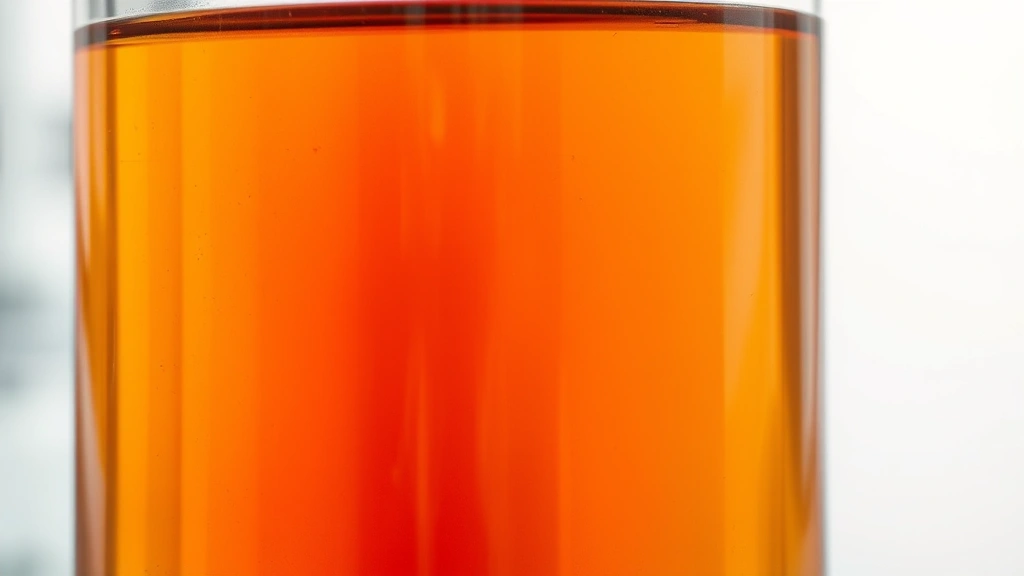
- Color Changes: Fresh gasoline is typically clear to pale yellow. Degraded gasoline becomes darker—ranging from amber to brown to even dark red or black in severely oxidized fuel. This color change indicates the formation of polymers and oxidized compounds.
- Odor Changes: Fresh gasoline has a characteristic sharp, chemical smell. Oxidized gasoline develops a stale, sour, or varnish-like odor. Some describe it as similar to old paint thinner.
- Visible Sediment: Gums, varnishes, and other degradation products may settle at the bottom of storage containers as visible sediment or sludge.
- Engine Performance Issues: Poor starting, rough idling, hesitation during acceleration, and reduced fuel economy are common symptoms of using degraded gasoline. These occur because the fuel burns less efficiently and deposits clog fuel injectors.
- Fuel Filter Clogging: If your fuel filter becomes clogged prematurely, it may indicate you’re using degraded fuel with high levels of particulates and varnishes.
- Check Engine Light: Modern vehicles with oxygen sensors and emission monitoring systems may trigger warning lights when running on poor-quality fuel.
How Long Does Gasoline Last
The lifespan of gasoline depends heavily on storage conditions, but here are general guidelines:
- In a Vehicle’s Tank: Gasoline in a regularly used vehicle lasts indefinitely because the fuel is consumed before significant degradation occurs. However, if a vehicle sits unused, fuel quality begins declining within 1-3 months, with noticeable degradation after 6 months.
- In Sealed Containers at Room Temperature: Properly stored gasoline in sealed containers remains usable for 3-6 months. After six months, degradation becomes significant, and fuel quality is questionable.
- In Sealed Containers in Cool Conditions: When stored in cool environments (50-70°F or 10-21°C) in sealed, opaque containers, gasoline can remain viable for 6-12 months. Some studies suggest properly stored fuel can last up to 2 years, though performance may be compromised.
- With Fuel Stabilizers: Adding fuel stabilizers can extend gasoline lifespan to 12-24 months under proper storage conditions. These additives inhibit oxidation and prevent gum formation.
- Ethanol-Blended Gasoline (E10/E15): Fuel containing ethanol degrades faster—typically lasting 1-3 months before significant quality loss occurs. Ethanol attracts water, which accelerates degradation.
These timeframes emphasize the importance of understanding fuel storage and management practices for both personal and environmental benefit.
Storage Best Practices
If you need to store gasoline for emergency supplies, seasonal equipment, or other purposes, follow these evidence-based practices to minimize degradation:
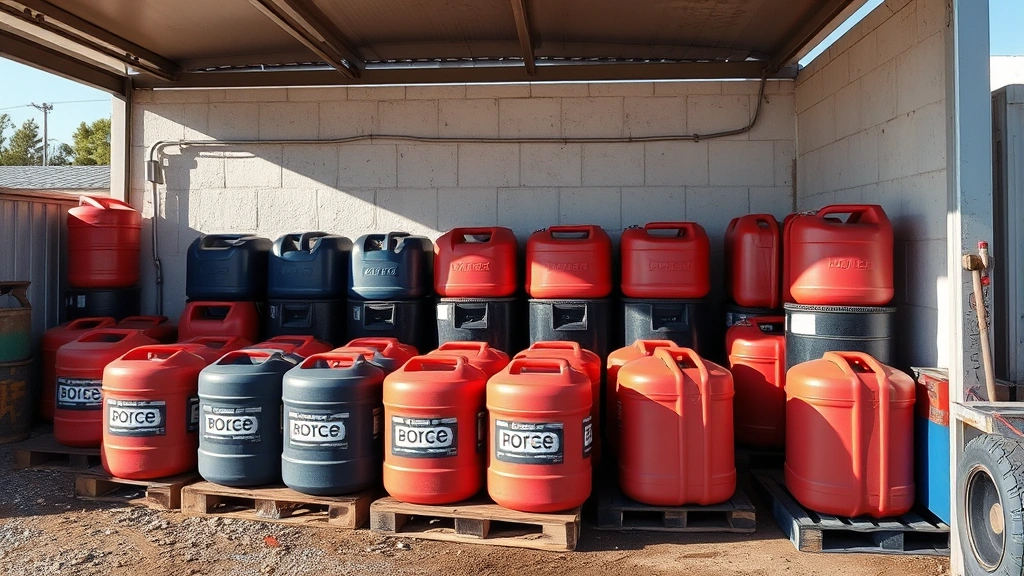
- Use Appropriate Containers: Store gasoline only in approved, code-compliant fuel containers made from metal or polyethylene. Never use glass bottles or containers designed for other purposes. Containers should have tight-sealing caps to minimize oxygen exposure.
- Choose Opaque, Dark-Colored Containers: UV light accelerates oxidation, so select containers that block light penetration. Red or blue fuel cans are standard because these colors effectively filter UV radiation.
- Maintain Cool Storage Temperatures: Store fuel in the coolest location available—ideally between 50-70°F (10-21°C). Avoid hot garages, sheds in direct sunlight, or areas near heat sources. Underground storage or insulated storage areas are ideal.
- Keep Containers Completely Full: Minimize the headspace (air gap) in containers. Full containers have less oxygen available for oxidation reactions. Top off containers periodically if you notice fuel levels dropping due to evaporation.
- Store in Well-Ventilated Areas: Gasoline vapors are flammable and toxic. Store fuel outdoors or in detached structures with excellent ventilation. Never store gasoline in basements, attics, or living spaces.
- Keep Away from Water Sources: Moisture promotes degradation and microbial growth. Store containers on elevated surfaces away from potential water exposure, and inspect containers regularly for leaks or condensation.
- Maintain Inventory Rotation: Use oldest fuel first (first-in, first-out principle). Establish a rotation schedule and label containers with storage dates.
- Add Fuel Stabilizers: For long-term storage, add stabilizers according to manufacturer instructions before sealing containers. This can extend usable life significantly.
Fuel Stabilizers and Additives
Fuel stabilizers are chemical additives designed to inhibit oxidation and extend gasoline lifespan. Understanding how they work helps you make informed decisions about fuel storage:
How Stabilizers Work: Fuel stabilizers contain antioxidant compounds that react with free radicals before they can attack hydrocarbon molecules. By neutralizing free radicals, stabilizers interrupt the oxidation chain reaction, dramatically slowing degradation. Common antioxidant compounds include phenols and aminic compounds.
Common Products: Popular fuel stabilizers include Sta-Bil, PRI-G, Redline Fuel Stabilizer, and others. Most are designed to treat 1-5 gallons of fuel per ounce of product. Always follow manufacturer instructions for proper dosing.
Effectiveness: When used properly, fuel stabilizers can extend gasoline viability from 6 months to 12-24 months. However, they’re not a cure-all—stabilizers work best when combined with proper storage conditions (cool, dark, sealed containers).
Limitations: Stabilizers cannot reverse oxidation that has already occurred. If you add stabilizer to fuel that’s already degraded, the varnishes and gums won’t disappear. Additionally, some stabilizers may affect emissions or engine performance in modern vehicles with strict emission controls.
Environmental Considerations: When choosing fuel additives, consider products with minimal environmental impact. Some stabilizers are more biodegradable and less toxic than others. Research products and choose those certified by environmental organizations.
Environmental Impact of Degraded Fuel
Beyond engine performance issues, degraded fuel has significant environmental consequences:
Emissions Pollution: Oxidized gasoline burns less completely, producing higher emissions of carbon monoxide, nitrogen oxides, and particulate matter. These pollutants contribute to air quality degradation and respiratory health problems. Using poor-quality fuel essentially makes your vehicle a greater source of environmental contamination.
Fuel Waste: Degraded fuel reduces engine efficiency, meaning more fuel is consumed to travel the same distance. This waste increases your carbon footprint and accelerates climate change. Proper fuel storage practices directly support green technology innovations by optimizing fuel efficiency.
Water Contamination: Improperly stored fuel can leak or spill, contaminating groundwater and soil. Gasoline components like benzene are toxic and persist in the environment. Proper storage prevents these environmental disasters.
Microbial Growth: Water-contaminated fuel develops microbial blooms, which produce metabolic byproducts that further degrade fuel and can contaminate water systems. This creates cascading environmental problems.
Disposal Challenges: Heavily degraded fuel that’s no longer usable must be disposed of as hazardous waste, requiring expensive and environmentally impactful treatment processes. Prevention through proper storage is far preferable.
As environmental consciousness grows, understanding fuel degradation becomes part of responsible stewardship. For those interested in reducing fossil fuel dependence altogether, exploring advantages of electric vehicles represents a sustainable alternative.
The SustainWise Hub Blog regularly covers topics related to fuel efficiency and sustainable transportation solutions.
FAQ
Can you use gas that’s been sitting for a year?
Gasoline that’s been sitting for a year is likely significantly degraded and should not be used in modern engines. If stored in optimal conditions (cool, dark, sealed containers with stabilizer), it might be marginally usable, but performance will be compromised. Using year-old fuel risks engine damage and poor performance.
What does bad gas smell like?
Degraded gasoline smells stale, sour, or like old varnish—noticeably different from the sharp chemical smell of fresh fuel. Some describe it as musty or moldy, especially if water contamination has occurred.
Does gas go bad in a sealed container?
Yes, gasoline degrades even in sealed containers, though much more slowly than in open containers. Sealed containers minimize oxygen exposure and evaporation, but oxidation still occurs, especially if containers are stored in warm or sunny locations.
Can you mix old gas with new gas?
Mixing small amounts of slightly degraded fuel with fresh fuel is generally acceptable if the old fuel isn’t severely oxidized. However, if the old fuel shows signs of significant degradation (dark color, varnish smell, visible sediment), it’s better to dispose of it properly rather than risk engine problems.
How do fuel stabilizers work?
Fuel stabilizers contain antioxidant compounds that neutralize free radicals, preventing the oxidation chain reaction. They essentially “freeze” the fuel’s chemical composition, slowing degradation dramatically when combined with proper storage conditions.
Is ethanol gasoline more prone to degradation?
Yes, ethanol-blended gasoline (E10, E15) degrades faster than pure gasoline. Ethanol is hygroscopic, meaning it attracts water from the air. Water promotes microbial growth and accelerates oxidation, reducing the usable lifespan of ethanol-blended fuel to 1-3 months in typical storage conditions.
What temperature is best for storing gasoline?
The ideal storage temperature is between 50-70°F (10-21°C). Every 15°C increase in temperature can double oxidation rates, so cooler storage dramatically extends fuel lifespan. Underground storage tanks or insulated structures maintain these optimal temperatures.
Will bad gas damage my engine?
Yes, degraded gasoline can damage engines. Varnishes and gums clog fuel injectors, damage engine valves, and accumulate in combustion chambers. Additionally, oxidized fuel burns less efficiently and may cause knocking or pinging. In severe cases, fuel system components can be damaged.
How often should I use stored fuel?
For emergency supplies, establish a rotation schedule where you use stored fuel every 6-12 months (depending on storage conditions), replacing it with fresh fuel. This ensures your emergency supply remains viable. Adding fuel stabilizer can extend this timeline to 12-24 months.
Can degraded gasoline be restored?
No, degraded gasoline cannot be restored to its original state. The oxidation process is irreversible—once gums and varnishes form, they cannot be converted back to usable fuel. This is why prevention through proper storage is crucial.


