Dominion Energy Gas: A Comprehensive Review of Operations, Environmental Impact, and Sustainability Practices
Dominion Energy represents one of the largest energy producers in the United States, serving millions of customers across multiple states. As a major natural gas provider, understanding their operations, environmental commitments, and sustainability initiatives is crucial for consumers, investors, and environmental advocates alike. This comprehensive review examines Dominion Energy’s gas division through the lens of corporate responsibility and environmental stewardship.
The energy sector faces unprecedented pressure to transition toward cleaner sources while maintaining reliable service. Dominion Energy’s gas operations sit at the intersection of this challenge, operating extensive pipeline networks, storage facilities, and distribution systems. Evaluating their performance requires examining both their current practices and their stated definition of sustainability commitments in the context of climate change and regulatory requirements.
Dominion Energy Overview and Gas Operations
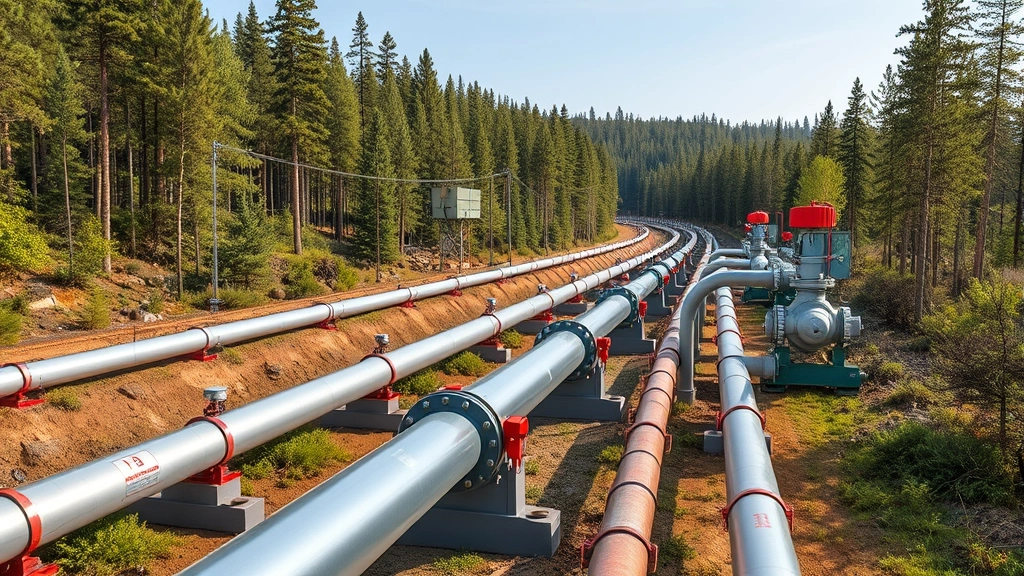
Dominion Energy operates as an integrated energy company headquartered in Richmond, Virginia, with natural gas operations spanning the Mid-Atlantic and Midwest regions. Their gas division manages approximately 70,000 miles of pipeline infrastructure, serving residential, commercial, and industrial customers. The company’s natural gas operations represent a significant portion of their business portfolio, alongside electricity generation and distribution.
The company’s gas segment includes transmission pipelines, distribution networks, and storage facilities that collectively ensure energy reliability across their service territory. Understanding these operations provides context for evaluating their environmental performance and sustainability positioning. Dominion Energy’s scale means their decisions impact millions of customers and carry substantial environmental implications.
As you explore energy providers’ sustainability credentials, consider reviewing the principles of sustainability to better assess corporate commitments. This framework helps distinguish between genuine sustainability efforts and marketing claims.

Environmental Impact Assessment
Natural gas operations inherently carry environmental considerations, from extraction and transportation to combustion. Dominion Energy’s environmental footprint encompasses greenhouse gas emissions, methane leakage, land use impacts, and water resource considerations. A thorough assessment requires examining both direct operational impacts and lifecycle emissions associated with their gas supply chain.
The company’s natural gas infrastructure requires careful management to minimize environmental degradation. Pipeline construction, maintenance activities, and operational requirements can affect ecosystems and land use patterns. Additionally, the combustion of natural gas contributes to carbon dioxide emissions, positioning gas as a transitional energy source rather than a permanent climate solution.
For comprehensive understanding of environmental responsibility, explore how organizations can reduce environmental footprints through operational efficiency and technological advancement. These principles apply equally to large energy corporations.
Sustainability Initiatives and Commitments
Dominion Energy has publicly committed to achieving net-zero greenhouse gas emissions by 2050, with interim targets for 2030 and 2040. These commitments reflect industry-wide pressure and regulatory expectations for decarbonization. The company’s sustainability strategy emphasizes transitioning away from fossil fuels while maintaining grid reliability and affordability.
The company’s stated initiatives include:
- Renewable energy expansion through wind and solar investments to displace fossil fuel generation
- Grid modernization projects improving efficiency and reducing transmission losses
- Energy efficiency programs helping customers reduce consumption and associated emissions
- Methane management programs targeting leak detection and infrastructure upgrades
- Carbon capture research exploring technology for reducing emissions from existing operations
However, critics argue these commitments rely heavily on future technologies and market conditions that remain uncertain. The timeline extending to 2050 allows continued fossil fuel operations for decades, raising questions about the urgency of climate action. Sustainable energy solutions require more immediate transitions, according to climate scientists and environmental advocates.
IMAGE_2
Methane Emissions and Leak Detection
Methane represents a critical concern in natural gas operations, as this greenhouse gas carries approximately 84-86 times the warming potential of carbon dioxide over a 20-year period. Dominion Energy’s gas distribution and transmission systems inevitably experience some methane leakage through aging infrastructure, maintenance activities, and operational processes. Quantifying and managing these emissions remains essential for environmental responsibility.
The company has invested in leak detection technology, including aerial surveys and ground-based monitoring systems. These initiatives aim to identify and repair leaks more rapidly than traditional methods allow. However, environmental groups argue that more aggressive infrastructure replacement and repair schedules are necessary to adequately address this challenge.
Key concerns regarding methane emissions include:
- Aging infrastructure in older service territories with higher leak rates
- Incomplete emissions reporting and verification methodologies
- Insufficient pace of pipe replacement programs
- Limited transparency regarding actual emissions data
- Regulatory gaps in federal methane standards for distribution systems
According to EPA climate change resources, methane management across the natural gas supply chain represents a critical climate mitigation opportunity. Federal agencies continue developing stronger emissions standards and monitoring requirements.
Infrastructure Investment and Modernization
Dominion Energy has committed substantial capital expenditures toward infrastructure modernization, including pipeline replacements, compression station upgrades, and digital monitoring systems. These investments theoretically reduce emissions by minimizing leakage and improving operational efficiency. However, the pace and scale of these efforts remain subjects of debate among stakeholders.
IMAGE_3
The company’s modernization strategy addresses multiple objectives simultaneously:
- Reducing methane emissions through pipeline replacement and repair
- Improving reliability and reducing service interruptions
- Integrating renewable natural gas and hydrogen pilot programs
- Enhancing system resilience against extreme weather events
- Supporting grid electrification through strategic infrastructure adaptation
Capital intensity of these programs raises questions about cost allocation and customer rate impacts. Regulatory commissions must balance infrastructure investment needs against affordability concerns for low-income customers. The transition toward cleaner energy systems requires careful attention to equity and accessibility considerations.
Renewable Energy Integration
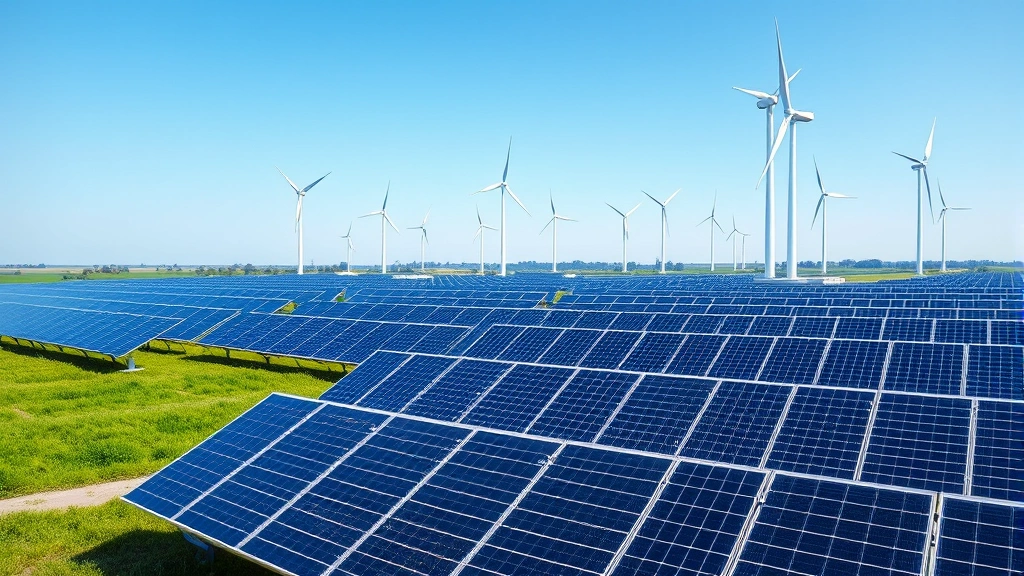
Beyond natural gas operations, Dominion Energy has developed significant renewable energy generation capacity, particularly in wind and solar resources. This diversification reduces the company’s reliance on fossil fuels and positions them as a multi-source energy provider. However, renewable energy integration creates operational complexity, as variable generation requires sophisticated grid management.
The company’s renewable portfolio includes offshore wind projects, utility-scale solar installations, and distributed solar programs. These initiatives demonstrate recognition that long-term business viability depends on transitioning toward clean energy. However, critics note that renewable energy expansion should occur more rapidly to align with climate science recommendations.
Dominion Energy’s approach to green technology innovations includes emerging technologies like battery storage, which addresses renewable energy’s intermittency challenges. These investments position the company for future market conditions while maintaining current operations.
Regulatory Compliance and Standards
Dominion Energy operates within a complex regulatory framework involving federal, state, and local agencies. The Federal Energy Regulatory Commission (FERC) oversees interstate natural gas pipelines, while state utility commissions regulate rates and service standards. Environmental regulations address emissions, water quality, and air quality impacts.
The company must comply with:
- Natural gas safety regulations established by Pipeline and Hazardous Materials Safety Administration (PHMSA)
- Environmental Protection Agency standards for air quality and greenhouse gas emissions
- State-level clean energy standards and renewable portfolio requirements
- Regional transmission organization requirements for grid operations
- Environmental impact assessment requirements for major infrastructure projects
Recent regulatory developments have strengthened methane emissions standards and reporting requirements. The EPA’s methane emissions standards for the oil and gas industry represent important progress, though distribution system coverage remains limited. States increasingly adopt their own emissions reduction targets that exceed federal minimums.
Customer Programs and Energy Efficiency
Dominion Energy offers various customer programs designed to reduce energy consumption and associated costs. Energy efficiency initiatives represent effective strategies for reducing overall emissions while lowering customer bills. These programs target residential, commercial, and industrial customers through audits, rebates, and financing options.
Available programs include:
- Home energy audits identifying efficiency improvement opportunities
- Rebate programs offsetting costs of efficient equipment upgrades
- Weatherization assistance for low-income households
- Commercial energy management consulting for business customers
- Industrial efficiency partnerships addressing large-scale consumption patterns
When considering energy provider options, review the SustainWise Hub blog for additional guidance on evaluating corporate sustainability claims and making informed energy choices. Consumer engagement amplifies pressure on utilities to accelerate decarbonization efforts.
Energy efficiency represents the most cost-effective emissions reduction strategy, delivering benefits across multiple stakeholders. Expanding these programs aligns with broader climate objectives while supporting customer interests in lower energy bills.
Frequently Asked Questions
What is Dominion Energy’s net-zero target and timeline?
Dominion Energy has committed to achieving net-zero greenhouse gas emissions by 2050, with interim targets for 2030 and 2040. This timeline aligns with broader corporate commitments but extends decades into the future, raising questions about urgency relative to climate science recommendations.
How does Dominion Energy address methane emissions?
The company employs leak detection technology, including aerial surveys and ground-based monitoring systems. However, environmental advocates argue that more aggressive infrastructure replacement and repair schedules are necessary to adequately manage methane leakage from aging pipes.
What renewable energy resources does Dominion Energy operate?
Dominion Energy operates significant wind and solar generation capacity, including offshore wind projects and utility-scale solar installations. These resources diversify the company’s energy portfolio and reduce reliance on fossil fuels.
How can customers reduce their natural gas consumption?
Dominion Energy offers energy audits, rebate programs, weatherization assistance, and efficiency consulting. Customers can also implement home improvements like insulation upgrades, efficient heating systems, and smart thermostats to reduce consumption.
What regulatory agencies oversee Dominion Energy’s operations?
Multiple agencies regulate different aspects of Dominion Energy’s operations, including FERC for interstate pipelines, state utility commissions for rates and service standards, EPA for emissions and environmental protection, and PHMSA for pipeline safety.
Are there criticisms of Dominion Energy’s sustainability efforts?
Critics argue that the company’s 2050 net-zero target is insufficiently ambitious, that infrastructure modernization proceeds too slowly, that methane emissions reporting lacks transparency, and that natural gas operations should be phased out more rapidly to align with climate science.
How does natural gas compare to other energy sources environmentally?
Natural gas produces fewer carbon emissions than coal when combusted but generates more emissions than renewable sources. Methane leakage throughout the supply chain increases the environmental impact. Most climate scientists view natural gas as a transitional fuel requiring rapid displacement by renewables.
What customer programs help reduce energy costs?
Dominion Energy offers rebates for efficient equipment, weatherization assistance for low-income households, energy audits identifying improvement opportunities, and financing options for equipment upgrades. These programs deliver mutual benefits through reduced consumption and lower customer bills.
How does grid modernization support sustainability?
Infrastructure modernization reduces transmission losses, enables renewable energy integration, improves system resilience, and supports future electrification. Strategic grid investments position utilities to operate efficiently within decarbonized energy systems.
What external links provide additional information?
The U.S. Energy Information Administration provides comprehensive natural gas market data and analysis. The International Energy Agency offers global energy transition insights, while Center for Climate and Energy Solutions provides policy analysis on energy decarbonization strategies.


