Are Reusable Cups Sustainable? Expert Insight on Eco-Friendly Drinking Choices
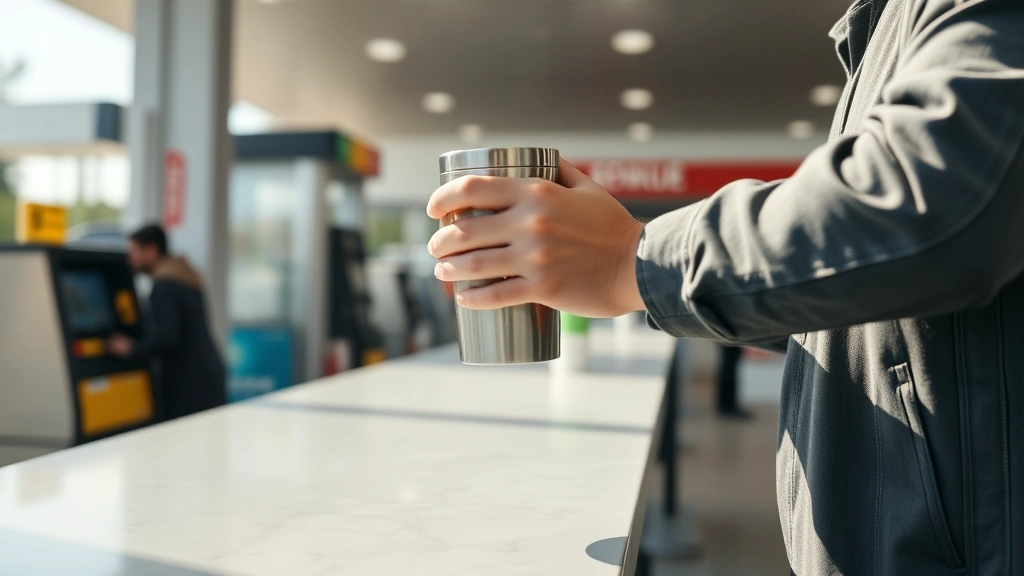
When you grab a drink at a gas station, you’re likely handed a single-use plastic or paper cup without a second thought. But this everyday convenience carries a hidden environmental cost. The question of whether reusable cups truly offer a sustainable alternative has become increasingly important as consumers seek ways to minimize their ecological impact. This comprehensive guide explores the science, economics, and practical realities behind reusable cup sustainability.
The sustainability debate surrounding reusable cups isn’t straightforward. While they promise to reduce waste, the manufacturing process, material choices, and usage patterns all play crucial roles in determining their actual environmental benefit. Understanding these factors helps you make informed decisions about your daily beverage choices and contribute meaningfully to environmental conservation.
Understanding Single-Use Cup Impact
Every year, Americans discard approximately 16 billion paper cups, with billions more plastic cups ending up in landfills and oceans. When you purchase a drink at a gas station, you’re participating in a consumption pattern that generates staggering waste. These cups typically feature plastic linings that prevent decomposition for hundreds of years, creating persistent environmental contamination.
The production of single-use cups requires significant natural resources. Manufacturing a standard disposable cup consumes water, energy, and raw materials like virgin paper and petroleum-based plastics. Transportation adds additional carbon emissions. According to the EPA’s waste management data, beverage containers represent one of the largest components of municipal solid waste.
Beyond the physical cup itself, the supply chain creates environmental burden. Logging for paper pulp damages forests, petroleum extraction for plastic contributes to carbon emissions, and manufacturing facilities consume substantial energy. The entire lifecycle of a single-use cup—from raw material extraction through disposal—represents a significant environmental footprint that most consumers never consider.
Landfill decomposition presents another critical issue. Paper cups with plastic linings resist natural degradation, potentially persisting for centuries. When cups enter marine environments, they fragment into microplastics that enter food chains and ecosystems. The convenience of a disposable drink cup at a gas station comes with genuine environmental consequences that extend far beyond the point of disposal.
Reusable Cup Materials and Manufacturing
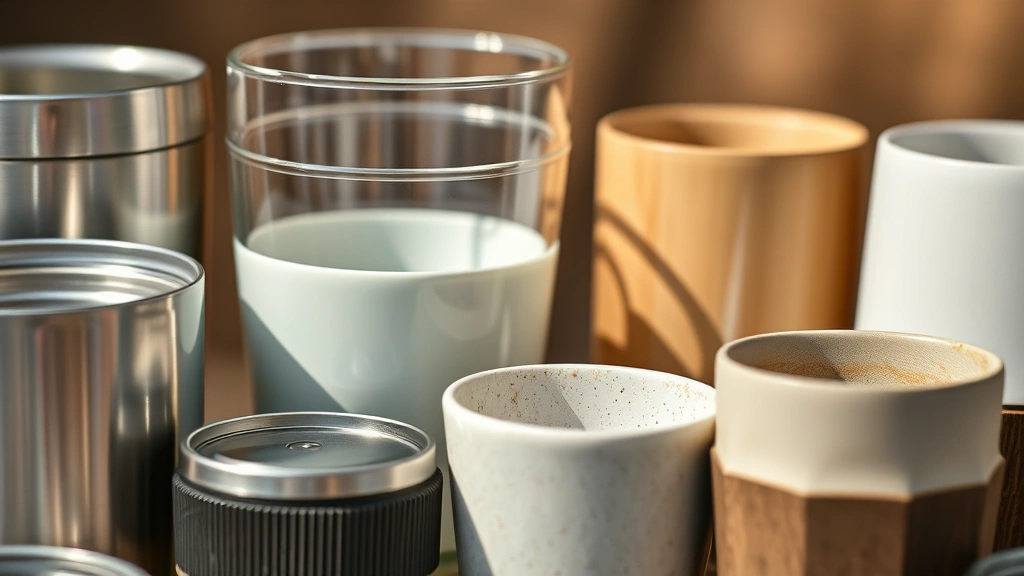
Reusable cups come in several material options, each with distinct environmental profiles. Stainless steel cups offer durability and thermal insulation but require energy-intensive mining and manufacturing processes. Glass containers provide non-toxic, recyclable alternatives but are heavier and more fragile. Bamboo fiber cups utilize renewable resources but may contain adhesives and coatings with questionable sustainability credentials. Ceramic cups balance aesthetics with moderate environmental impact.
The manufacturing phase creates an initial environmental debt that reusable cups must overcome through extended use. Producing a stainless steel cup generates approximately 5-10 times more emissions than manufacturing a single disposable cup. This upfront carbon cost means reusable cups must be used repeatedly to justify their environmental existence. Understanding this trade-off is essential for making genuinely sustainable choices.
Material quality directly affects sustainability outcomes. Premium stainless steel cups with superior insulation properties may justify higher manufacturing emissions through extended lifespan and reduced beverage waste. Conversely, poorly constructed reusable cups that degrade quickly negate their environmental advantages. When considering how to reduce your environmental footprint, choosing durable reusable cups represents a meaningful strategy.
Coating and adhesive materials add complexity to sustainability assessment. Many reusable cups contain BPA or other chemical coatings that raise health and environmental concerns. Food-grade silicone linings, while safer, may not be recyclable. Understanding what’s inside your reusable cup matters as much as the primary material composition.
The Break-Even Point: When Reusable Becomes Better
Scientific studies reveal that reusable cups typically reach environmental break-even after 50-200 uses, depending on material type and manufacturing processes. A stainless steel cup used daily reaches sustainability advantage within 2-3 months. Glass cups require approximately 40-50 uses, while ceramic cups need around 100 uses. This means your gas station coffee habit—if switched to reusable cups—could break even within weeks.
The calculation becomes more favorable when considering water usage. Manufacturing a disposable cup requires approximately 10 liters of water, while washing a reusable cup typically uses only 1-2 liters. Even accounting for dishwasher energy consumption, the water advantage heavily favors reusable options. This connects directly to sustainable energy solutions that reduce overall resource consumption.
Frequency of use dramatically impacts sustainability outcomes. Someone who uses a reusable cup daily for a year achieves environmental benefits equivalent to preventing 365 disposable cups from entering landfills. However, a reusable cup used occasionally may never reach true sustainability advantage. The key is consistent, long-term adoption rather than sporadic use.
Climate impact calculations show that reusable cup carbon payback occurs relatively quickly. A typical stainless steel cup generates a payback carbon benefit within 50-100 uses, after which every subsequent use provides pure environmental gain. This mathematical reality supports reusable cup adoption as a genuinely effective sustainability strategy.
Gas Station Culture and Reusable Cup Adoption
Gas stations present unique challenges for reusable cup adoption. The convenience culture surrounding quick drink purchases at gas stations emphasizes speed and disposability. Most gas station beverage stations aren’t designed for customer-provided cups, and staff training regarding reusable containers remains inconsistent. These structural barriers slow adoption despite growing environmental awareness.
However, progressive gas station chains increasingly accommodate reusable cups. Some offer modest discounts—typically 5-10 cents—for customers bringing personal containers. This financial incentive, while modest, represents meaningful progress. Over a year, regular customers can save $18-36 through reusable cup discounts, creating both environmental and economic motivation.
Hygiene concerns sometimes deter gas station staff from accepting reusable cups. Legitimate sanitation considerations require proper cup cleaning and handling protocols. However, these concerns are surmountable through staff training and clear hygiene standards. Educational initiatives help overcome these barriers and normalize reusable cup acceptance in convenience retail environments.
The cultural shift toward sustainability is gradually changing gas station operations. Younger consumers increasingly expect reusable cup options, prompting chains to adapt. This market-driven transformation demonstrates how consumer choices influence business practices. When you bring a reusable cup to a gas station, you’re participating in a larger movement toward sustainable consumption patterns.
Comparing Different Reusable Cup Types
Stainless Steel Cups: These represent the sustainability gold standard for most consumers. Superior insulation maintains beverage temperature, reducing the need for reheating. Durability means 5-10 year lifespans are realistic. The high manufacturing impact is offset by longevity and frequent use. Investment costs range from $15-40, which pays dividends through years of use.
Glass Cups: Non-toxic and fully recyclable, glass provides chemical-free drinking experiences. However, weight and fragility limit portability for on-the-go beverage consumption. Glass performs better for home or office use where durability isn’t compromised. Environmental impact depends heavily on recycling infrastructure availability.
Bamboo Fiber Cups: Marketing emphasizes renewable resources and compostability, but reality proves more complex. Manufacturing involves processing, adhesives, and chemical coatings that reduce compostability claims. These cups typically last 1-2 years before degradation, potentially requiring replacement more frequently than alternatives. Sustainability advantage diminishes with shorter lifespan.
Ceramic Cups: Attractive and durable, ceramic cups offer moderate environmental impact. Manufacturing requires kiln firing with significant energy consumption, but longevity compensates. Breakage risk limits portability, making ceramic better suited for stationary use. Green technology innovations continue improving ceramic manufacturing efficiency.
Silicone and Plastic Reusable Cups: Lightweight and durable, modern food-grade silicone cups avoid BPA concerns. However, plastic-derived materials raise long-term sustainability questions regarding microplastic shedding and eventual decomposition. These cups work well for temporary use but may not represent optimal long-term solutions.
Practical Tips for Maximum Sustainability
Optimize Washing Practices: Hand-washing uses less water and energy than dishwashers for single cups. Use cool water and minimal soap to reduce environmental impact. Air-drying prevents energy consumption from heated drying cycles. These small choices accumulate into meaningful resource savings over years of use.
Choose One Quality Cup: Rather than accumulating multiple reusable cups, invest in one high-quality option you’ll actually use consistently. A single durable cup used daily beats five mediocre cups used occasionally. This focused approach maximizes sustainability benefit and reduces unnecessary resource consumption.
Maintain Your Cup: Regular cleaning and proper storage extend cup lifespan significantly. Replacing damaged lids or seals maintains functionality without discarding the entire cup. This maintenance mindset aligns with sustainability principles that emphasize durability and repair over replacement.
Educate Others: Sharing information about reusable cup sustainability helps normalize adoption among friends, family, and colleagues. When you bring a reusable cup to a gas station, you model sustainable behavior that influences others. Cultural change happens through individual actions that collectively reshape consumption norms.
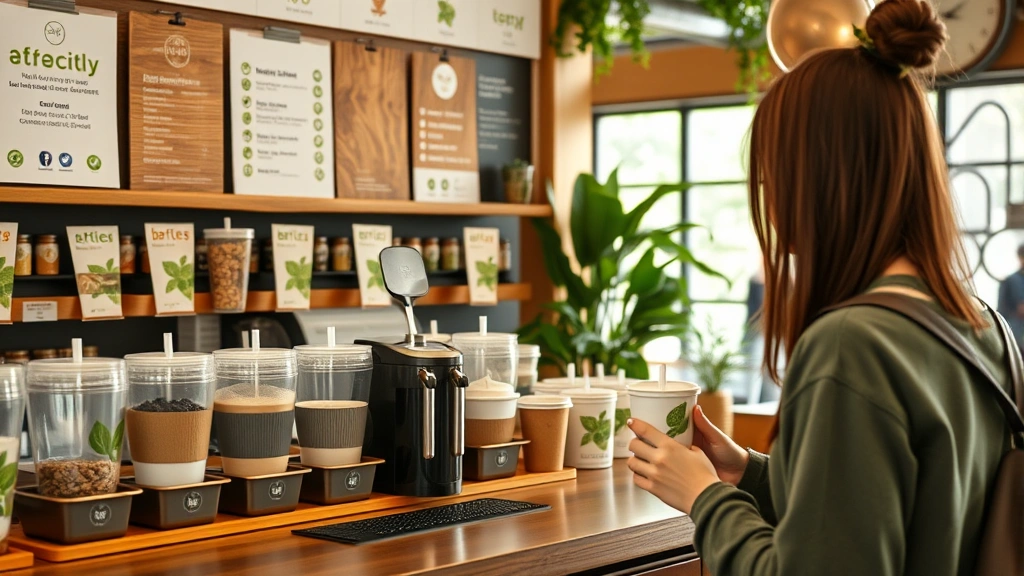
Support Sustainable Businesses: Patronize gas stations and cafes that encourage reusable cup adoption through discounts or infrastructure improvements. Your purchasing decisions influence business practices. Understanding sustainability helps you identify and support genuinely eco-conscious businesses.
Calculate Your Impact: Track how many disposable cups you replace with reusable alternatives. Even modest adoption—replacing 50% of disposable cups—prevents hundreds of cups from entering landfills annually. This quantified impact provides motivation and demonstrates tangible environmental contribution.
The Future of Beverage Containers
Innovation continues improving reusable cup sustainability. Advanced materials combining lightweight properties with durability emerge regularly. Manufacturers increasingly utilize recycled content in cup production, reducing virgin resource extraction. These developments promise even greater environmental advantages for future reusable cup users.
Extended producer responsibility policies are shifting accountability toward manufacturers rather than consumers. Some regions now require companies to design beverages containers for recyclability or reusability. This systemic approach addresses sustainability at its source rather than relying solely on individual consumer choices. These policy shifts will accelerate sustainable beverage container adoption.
Circular economy models are transforming beverage service. Some cafes and restaurants implement cup-sharing systems where customers return cups for cleaning and reuse by other patrons. This infrastructure-level approach multiplies sustainability benefits by maximizing cup utilization rates. Similar systems may eventually extend to gas stations and convenience retailers.
Compostable cup materials continue advancing, though current options remain imperfect. Truly compostable cups require industrial composting facilities that remain unavailable in many regions. Future innovations may deliver compostable cups with broader accessibility, creating genuinely sustainable alternatives to both single-use and traditional reusable options.
Consumer awareness and demand drive these innovations. As more people question the sustainability of their gas station drink choices, market pressure increases for better solutions. Your individual choice to use a reusable cup contributes to larger market signals that encourage manufacturers and retailers to prioritize sustainability. This collective impact shapes the future of beverage container sustainability.
Understanding the environmental costs of convenience consumption empowers you to make better choices. Advantages of electric vehicles and other sustainability solutions share common principles with reusable cup adoption: small individual changes aggregate into significant environmental impact when adopted widely.
FAQ
How many times must I use a reusable cup before it becomes more sustainable than disposable cups?
For stainless steel cups, environmental break-even typically occurs after 50-100 uses. For glass cups, expect 40-50 uses. This means daily users achieve sustainability advantage within 2-3 months. The mathematics strongly favor reusable cup adoption for regular users.
Can gas stations refuse reusable cups for health reasons?
Gas stations can establish hygiene protocols for reusable cups without refusing them entirely. Proper cleaning procedures, staff training, and clear handling standards address legitimate sanitation concerns. Many progressive establishments already successfully accommodate customer-provided cups through established safety practices.
Are bamboo cups truly compostable and sustainable?
Bamboo cup sustainability claims often overstate reality. Manufacturing typically involves adhesives, coatings, and processing that prevent true compostability. Shorter lifespans—often 1-2 years—mean more frequent replacement, reducing overall sustainability advantage compared to durable alternatives.
Which reusable cup material has the lowest environmental impact?
Stainless steel offers the best overall sustainability profile when considering durability, lifespan, and repeated use. Glass ranks second for safety and recyclability but has limitations regarding portability. The best choice depends on your specific usage patterns and frequency of use.
How do I know if my reusable cup is truly sustainable?
Assess durability (expected lifespan), material sourcing, manufacturing impact, and your actual usage frequency. A cup used daily for years provides genuine sustainability benefit. Check for certifications from environmental organizations and research the manufacturer’s sustainability practices.
What’s the environmental impact of washing reusable cups?
Hand-washing uses approximately 1-2 liters of water and minimal energy. Even dishwasher washing typically uses less total resources than manufacturing and disposing of multiple single-use cups. The water and energy impact of washing remains negligible compared to manufacturing benefits.
Can reusable cups reduce my environmental footprint significantly?
Yes, especially when combined with other sustainable practices. Someone replacing 250 disposable cups annually with reusable alternatives prevents significant landfill waste and resource consumption. Exploring sustainability topics reveals how multiple small changes accumulate into meaningful environmental impact.


