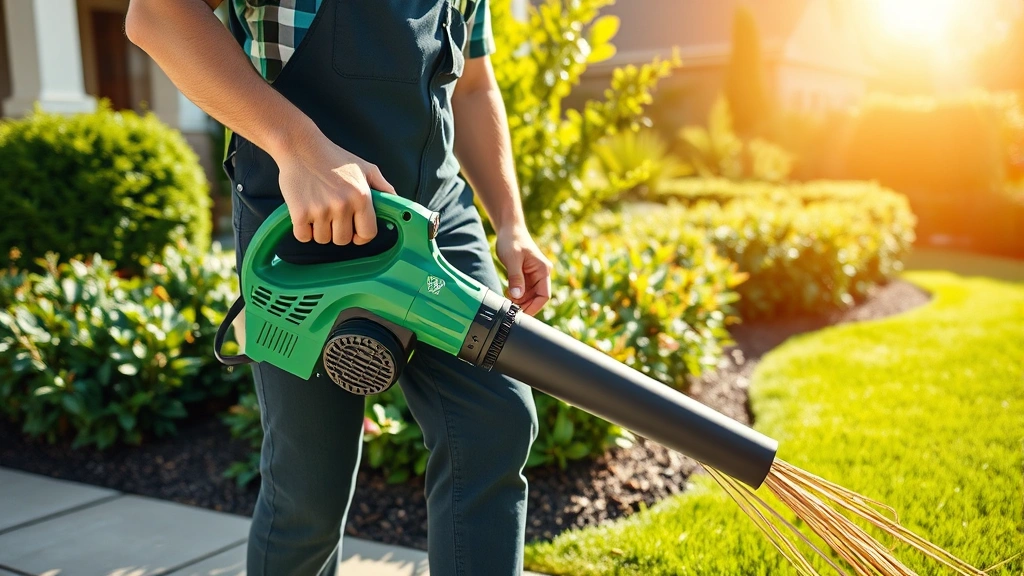
Echo Gas Blowers: Are They Eco-Friendly? A Comprehensive Sustainability Analysis
Echo gas blowers have become ubiquitous in landscaping and yard maintenance, but their environmental impact remains a contentious topic among sustainability advocates. These portable, gas-powered tools promise convenience and power, yet they come with significant ecological costs that homeowners and professionals should carefully consider. Understanding whether an echo gas blower aligns with your environmental values requires examining their emissions, fuel consumption, noise pollution, and viable alternatives.
As we face mounting pressure to reduce our carbon footprint, every tool choice matters. From residential gardens to commercial properties, the equipment we use shapes our environmental legacy. This guide explores the complete picture of Echo brand gas blowers, their eco-friendly credentials, and what you should know before making your next purchase decision.
Understanding Echo Gas Blowers and Their Function
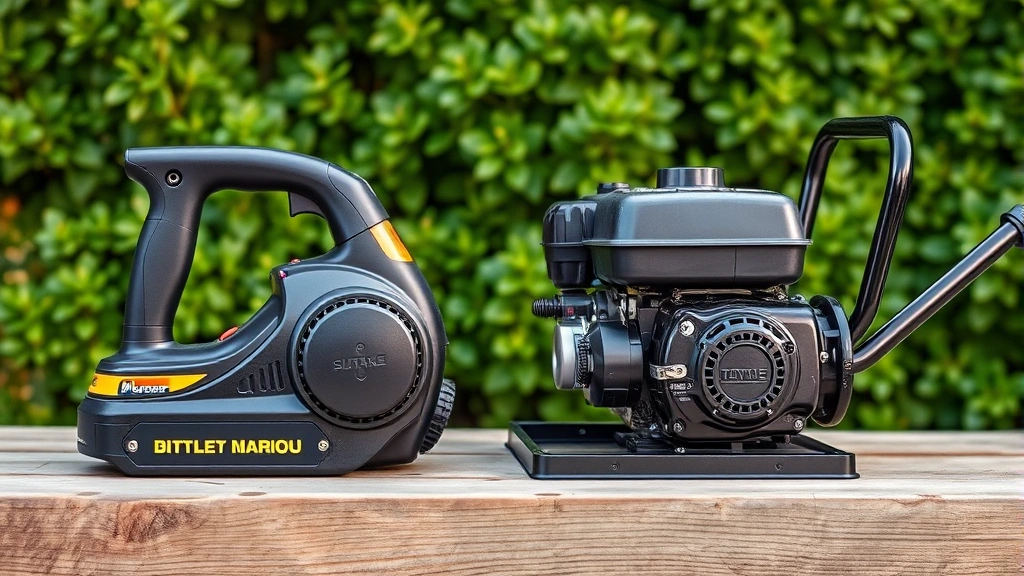
Echo, a subsidiary of Yamaha, manufactures a diverse range of outdoor power equipment including chainsaws, trimmers, and blowers. Their gas-powered blower models are engineered for both residential and commercial landscaping applications. These tools use small internal combustion engines, typically ranging from 25cc to 65cc displacement, to create powerful air streams for clearing leaves, grass clippings, and debris.
The appeal of gas blowers lies in their portability, power output, and lack of dependence on electrical infrastructure or charging stations. A single tank of fuel can provide hours of operation, making them attractive for property managers maintaining large areas. However, this convenience comes at an environmental price. Understanding the mechanisms behind these tools helps illuminate why sustainability experts increasingly question their role in modern landscaping practices.
When evaluating whether an echo gas blower represents a responsible choice, consider that you’re also evaluating your commitment to definition of sustainability and what environmental values matter most to your household or business.

Emissions and Air Quality Impact
The most significant environmental concern with gas blowers involves their emissions profile. Small engines in outdoor power equipment emit substantial quantities of nitrogen oxides (NOx) and volatile organic compounds (VOCs), precursors to ground-level ozone formation. According to the U.S. Environmental Protection Agency, a single gas-powered blower operating for two hours produces emissions equivalent to driving a modern car for approximately 1,400 miles.
This striking comparison reveals why air quality advocates have mobilized against widespread gas blower use in residential areas. The emissions aren’t just climate concerns—they directly impact local air quality, contributing to respiratory problems, particularly in children and individuals with asthma or other respiratory conditions. Communities like California have already implemented restrictions on gas blower use during certain hours and seasons.
Echo has made efforts to improve engine efficiency through their Stratified Scavenging Technology, which reduces fuel consumption and emissions compared to older two-stroke designs. However, these improvements remain incremental within a fundamentally problematic technology category. Even the most efficient gas blower produces harmful emissions that electric alternatives eliminate entirely.
The particulate matter and carbon monoxide released during operation penetrate deep into users’ lungs, creating occupational hazards for landscaping professionals who spend eight hours daily operating these devices. This health dimension adds another layer to the sustainability discussion beyond climate and air quality.
Fuel Consumption and Carbon Footprint
Echo gas blowers typically consume between 0.5 to 1.5 gallons of fuel per month during regular use, depending on model size and usage frequency. This translates to annual gasoline consumption that contributes to petroleum extraction, refining, and transportation emissions. The complete lifecycle carbon footprint includes:
- Upstream emissions: Oil extraction, refining, and transportation to fuel stations
- Operational emissions: Direct combustion of gasoline during use
- Manufacturing: Production of engines, components, and assembly processes
- End-of-life disposal: Recycling or landfilling of worn equipment
When you calculate the total environmental impact over a blower’s operational lifespan, gas-powered models accumulate a substantial carbon debt. A blower used for five years might generate several hundred kilograms of carbon dioxide equivalent, equivalent to the emissions from a round-trip flight between major cities.
This reality becomes more pressing when you recognize that yard maintenance isn’t a necessity—it’s a cultural preference. Many yards could function ecologically with less aggressive debris removal, or through manual raking, which provides exercise benefits alongside environmental advantages. Exploring how to reduce your environmental footprint often begins with questioning whether we truly need certain tools.
The petroleum dependency of gas blowers also connects to broader geopolitical and environmental justice concerns. Oil extraction devastates ecosystems and disproportionately impacts Indigenous communities and developing nations. Supporting alternatives reduces demand for fossil fuel infrastructure expansion.
Noise Pollution Concerns
While less frequently discussed than emissions, noise pollution represents a legitimate environmental and quality-of-life impact. Echo gas blowers typically operate at 65-75 decibels, comparable to a vacuum cleaner or busy traffic. When multiple operators work simultaneously in neighborhoods, cumulative noise levels create stress for humans and wildlife alike.
Noise pollution affects:
- Human health: Sleep disruption, stress elevation, cardiovascular impacts with chronic exposure
- Wildlife: Disrupted communication patterns, nesting behavior interference, stress responses in animals
- Community cohesion: Neighborhood tension over early morning or evening yard work
- Ecosystem function: Altered predator-prey dynamics and breeding success rates
Many municipalities have implemented or are considering noise ordinances that restrict gas blower operation to specific hours. These regulations reflect growing recognition that environmental responsibility extends beyond carbon and emissions to encompass acoustic ecology and community well-being.
The advantage of electric alternatives becomes evident here: they operate at 50-60 decibels, substantially quieter while maintaining adequate performance for most residential applications.
Comparing to Electric Alternatives
The emergence of high-capacity lithium-ion battery technology has fundamentally changed the landscaping equipment landscape. Modern electric blowers now offer comparable power to gas models while eliminating operational emissions, reducing noise, and requiring minimal maintenance. Let’s examine the comparison:
Performance Metrics:
- Runtime: Premium electric models provide 30-60 minutes per charge, sufficient for most residential properties
- Power output: Top electric blowers achieve 150-200 mph air speed, matching or exceeding many gas models
- Weight: Electric tools typically weigh 20-30% less, reducing user fatigue
- Maintenance: No spark plugs, air filters, fuel mixing, or seasonal winterization required
The primary drawback involves upfront cost and battery ecosystem considerations. Quality electric blowers cost $200-400, plus battery and charger investments if not already owned. However, the operational cost advantage rapidly overcomes this premium. No fuel purchases, minimal maintenance, and longer equipment lifespan create compelling economic arguments alongside environmental benefits.
For those committed to sustainable energy solutions, electric yard equipment represents a practical first step toward reducing household fossil fuel dependence. The transition mirrors broader shifts toward electrification visible in advantages of electric vehicles discussions.
Battery production does carry environmental costs, particularly in mining lithium, cobalt, and other materials. However, lifecycle analyses consistently demonstrate that electric tools offset manufacturing emissions within their first year of operation, then operate with minimal environmental impact for years thereafter. This contrasts sharply with gas equipment, which never achieves environmental parity with electric alternatives.
Making Sustainable Choices
Determining whether to purchase an Echo gas blower or pursue alternatives requires honest assessment of your actual needs versus convenient habits. Consider these practical steps:
Evaluate Necessity: Do you truly need a blower, or have you adopted this tool because neighbors use one? Many properties thrive with manual raking, which provides exercise and preserves habitat value of leaf litter (which provides winter shelter for beneficial insects and wildlife).
Assess Scale: Small residential lots often don’t justify gas equipment. For properties exceeding one acre or commercial applications with strict timeline requirements, the case for powered equipment strengthens, but electric options should still be prioritized.
Calculate Total Cost of Ownership: Factor fuel, maintenance, repairs, and eventual replacement into your decision. Over five years, electric equipment typically costs less while providing superior environmental performance and user experience.
Explore Green Technology Innovations: Visit green technology innovations transforming our future to understand how rapidly alternatives are improving. What seemed impossible five years ago is now mainstream and affordable.
Consider Community Impact: Your equipment choice affects neighbors’ peace, property values, air quality, and children’s outdoor play experiences. Choosing quieter, cleaner alternatives reflects consideration for collective well-being.
If you already own an Echo gas blower, maximize its lifespan through proper maintenance rather than upgrading prematurely. Responsible consumption means using what you have efficiently before replacing it. However, when replacement time arrives, strong environmental arguments favor electric alternatives that have matured into genuinely competitive options.
The landscaping industry itself is gradually shifting. Professional companies increasingly market electric fleets as premium, sustainable options, signaling that the transition is both environmentally justified and commercially viable. This industry evolution suggests that gas blower ownership may eventually seem as outdated as leaded gasoline seems today.
For comprehensive sustainability guidance, explore resources at EPA.gov, which provides equipment emissions standards and air quality information. Additionally, organizations like the National Audubon Society advocate for reduced gas equipment use to protect bird populations and ecosystems.
FAQ
Are Echo gas blowers CARB compliant?
Echo manufactures CARB (California Air Resources Board) compliant models designed to meet California’s strict emissions standards. However, compliance means meeting minimum legal requirements, not eliminating environmental concerns. Even CARB-compliant gas blowers produce significantly more emissions than electric alternatives.
How long do Echo gas blowers typically last?
With proper maintenance, Echo gas blowers generally operate for 5-10 years before requiring major repairs or replacement. However, the environmental cost accumulates throughout this period, whereas electric equipment’s impact concentrates in manufacturing, offset within the first operational year.
Can I convert my gas blower to run on renewable fuel?
Some gas equipment can operate on ethanol-blended fuels (E10), which slightly reduces carbon intensity. However, this doesn’t address emissions, noise, or maintenance issues. True renewable fuel solutions like sustainable aviation fuel aren’t yet available for small engines at consumer prices.
What should I do with my old gas blower?
Donate functioning equipment to schools, community gardens, or nonprofits if possible. For non-functional units, contact local recycling centers that accept small engines. Many communities have special collection events for hazardous materials including gasoline-powered equipment.
Are battery-powered blowers really as powerful as gas models?
Premium battery-powered blowers now match or exceed mid-range gas models in air speed and volume. For most residential applications, electric blowers provide sufficient power while offering advantages in weight, noise, emissions, and maintenance.
What’s the environmental impact of battery production?
Battery manufacturing requires mining and processing of materials like lithium and cobalt. However, lifecycle analyses show that electric tools offset manufacturing emissions within 1-2 years of operation, then provide years of clean use. Gas equipment never achieves this environmental advantage.


