
Natural Gas vs. Sustainability: Insider Insights on ENSTAR and the Energy Transition
The energy landscape is shifting rapidly, and natural gas companies like ENSTAR face mounting pressure to align with global sustainability goals. As a major player in natural gas distribution, ENSTAR’s role in the energy transition raises critical questions: Can natural gas coexist with climate commitments, or is it merely a temporary bridge fuel? Understanding the intersection of natural gas operations and sustainability requires examining both the environmental challenges and potential pathways forward for companies in this sector.
ENSTAR Natural Gas Company, one of the largest natural gas distributors in the United States, serves millions of customers across multiple states. While natural gas has historically been promoted as a cleaner alternative to coal, the sustainability community increasingly questions whether continued investment in natural gas infrastructure aligns with net-zero climate targets. This insider analysis explores the tensions, innovations, and strategic decisions that define the future of natural gas in a sustainability-focused world.
Understanding Natural Gas in the Energy Mix
Natural gas has long been positioned as a bridge fuel—cleaner than coal yet more reliable than intermittent renewables. However, this narrative requires scrutiny when examined through a sustainability lens. Natural gas combustion produces approximately 50% fewer carbon dioxide emissions than coal, making it appealing to utilities transitioning away from coal plants. Yet this comparative advantage doesn’t address the fundamental challenge: achieving true sustainability demands moving beyond fossil fuels entirely, not merely choosing the lesser of two evils.
The role of natural gas in the broader energy transition is complex. While renewable energy sources like solar and wind continue advancing, they currently cannot fully replace natural gas’s baseload capacity and dispatchability. This creates a paradox for companies like ENSTAR: their business model depends on continued natural gas consumption, yet global climate commitments require reducing fossil fuel use. Understanding this tension is essential for evaluating whether natural gas companies can meaningfully contribute to sustainability goals or if they represent obstacles to genuine climate progress.
Natural gas infrastructure requires decades of capital investment to construct and maintain. This “lock-in” effect means decisions made today about pipeline expansion will influence energy systems for 30-50 years. For ENSTAR and similar utilities, this creates a fundamental misalignment with climate science, which indicates that developed nations must achieve 80-90% emissions reductions by 2050.
ENSTAR’s Current Operations and Sustainability Footprint
ENSTAR Natural Gas operates distribution networks across multiple states, serving residential, commercial, and industrial customers. The company’s operational footprint encompasses thousands of miles of pipelines, storage facilities, and distribution infrastructure. From a sustainability perspective, ENSTAR’s business model presents inherent challenges: the company’s financial success depends directly on customer consumption of natural gas, creating misaligned incentives with decarbonization objectives.
The company has implemented various operational efficiency measures, including pipeline modernization programs and leak detection technologies. These initiatives reduce methane emissions—a greenhouse gas approximately 80-85 times more potent than carbon dioxide over a 20-year period—making them environmentally valuable. However, efficiency improvements, while necessary, do not address the fundamental issue: continued reliance on natural gas as a primary energy source remains incompatible with climate targets established by the Intergovernmental Panel on Climate Change (IPCC).
ENSTAR’s customer base includes millions of households and businesses dependent on natural gas for heating, cooking, and hot water. This entrenched infrastructure creates substantial inertia in the energy transition. Moving away from natural gas requires not just alternative energy sources but also massive investments in electrification, heat pump technology, and grid modernization—changes that utilities like ENSTAR have limited financial incentive to accelerate.
The company’s regulatory environment also shapes its sustainability trajectory. Utility commissions in many states allow natural gas companies to recover pipeline investment costs through rate recovery mechanisms, effectively guaranteeing returns on infrastructure expansion. This regulatory framework inadvertently subsidizes continued fossil fuel dependence and slows the transition to sustainable energy solutions.
The Carbon Emissions Reality
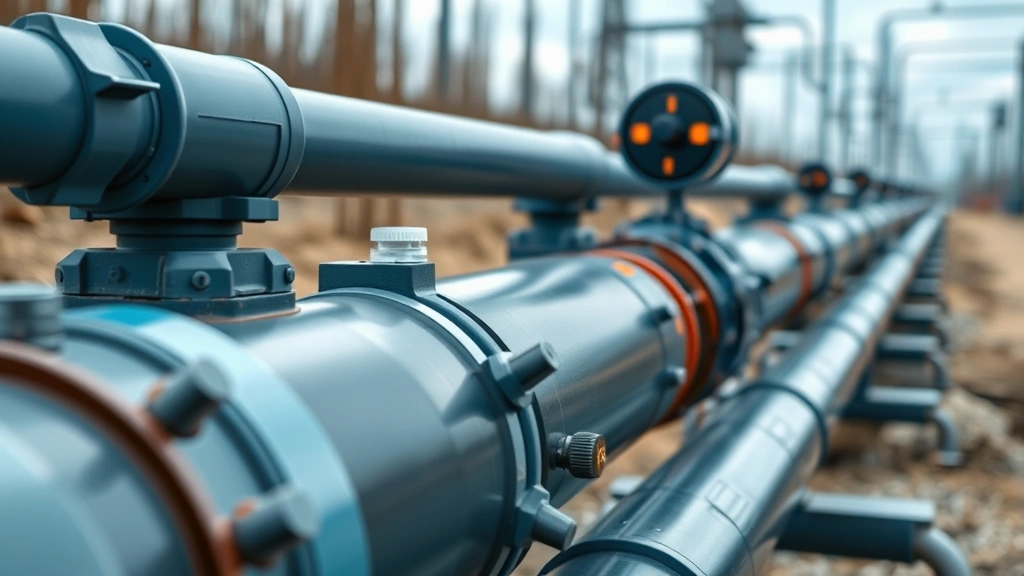
Quantifying ENSTAR’s carbon footprint requires examining both direct and indirect emissions. Direct emissions come from natural gas combustion in company operations and methane leaks from distribution infrastructure. Indirect (Scope 3) emissions—the most significant category—result from customer consumption of distributed natural gas. A typical residential customer burning natural gas for heating generates approximately 5-7 metric tons of CO2 equivalent annually, meaning ENSTAR’s customer base collectively produces millions of tons of greenhouse gases.
Methane leakage represents a critical sustainability concern often underestimated in climate discussions. Natural gas distribution networks experience fugitive emissions from pipeline connections, valves, and compressors. Studies indicate that system-wide leakage rates range from 1-4% of total throughput, with some urban systems experiencing higher percentages. Given methane’s potency as a greenhouse gas, these leaks significantly amplify the climate impact of natural gas relative to official carbon accounting that relies on combustion emissions alone.
The U.S. Environmental Protection Agency (EPA) has increasingly focused on methane emissions from the natural gas sector. ENSTAR and peer companies face growing regulatory pressure to quantify, report, and reduce fugitive emissions. While technological solutions exist—including advanced leak detection using infrared cameras and acoustic monitoring—implementing these across thousands of miles of aging infrastructure represents a substantial financial undertaking that impacts utility profitability.
Life-cycle analysis of natural gas reveals additional emissions sources often overlooked in simplified comparisons. Extraction, processing, compression, and transportation of natural gas all consume energy and generate emissions. When these upstream activities are included, natural gas’s climate advantage over coal narrows considerably, particularly when comparing to renewable energy sources that generate zero operational emissions.
Renewable Natural Gas and Biogas Solutions
One pathway that could align natural gas operations with sustainability involves transitioning to renewable natural gas (RNG) and biogas. These fuels, produced from organic waste, wastewater, and agricultural byproducts, can be injected directly into existing natural gas pipelines without requiring new infrastructure. For ENSTAR, RNG represents a potential strategy to maintain existing business models while reducing carbon intensity.
Biogas production from landfills, wastewater treatment facilities, and dairy farms offers genuine climate benefits. Capturing methane that would otherwise be released to the atmosphere and converting it to usable energy represents a net-positive environmental outcome. Some analyses suggest that RNG can achieve 200-300% greenhouse gas reductions compared to conventional natural gas when accounting for methane capture and avoided emissions.
However, RNG’s scalability faces significant constraints. The total available resource—limited by available organic waste streams—cannot replace conventional natural gas consumption at current volumes. Estimates suggest RNG could realistically supply 10-15% of current natural gas demand in developed nations, leaving a substantial gap. Additionally, RNG production requires expensive processing to remove contaminants and meet pipeline quality standards, making it more costly than conventional natural gas.
ENSTAR and other utilities are exploring RNG integration, but current adoption remains minimal. Scaling RNG requires substantial policy support, including renewable fuel standards, carbon pricing mechanisms, or direct subsidies. Without these drivers, RNG remains a niche solution rather than a transformative pathway. The sustainability community increasingly views RNG as a valuable but insufficient solution that risks becoming an excuse to delay deeper decarbonization.

Comparing Alternatives to Natural Gas
Evaluating ENSTAR’s sustainability profile requires comparing natural gas to viable alternatives. Electric heat pumps represent the most promising replacement technology for residential and commercial heating. Modern heat pumps can deliver heating with 3-4 times the efficiency of natural gas furnaces, and when powered by renewable electricity, they produce near-zero operational emissions.
Electrification strategies extend beyond heating. Electric induction cooktops replace natural gas stoves, eliminating indoor air quality concerns while improving energy efficiency. Hot water can be provided by electric heat pump water heaters or solar thermal systems. Industrial processes powered by natural gas can increasingly be replaced by electric technologies or renewable hydrogen in specialized applications.
The transition to electrification does require substantial grid modernization and electricity generation expansion. However, this pathway aligns with broader decarbonization objectives, whereas continued natural gas reliance does not. The costs of electrification infrastructure pale compared to the economic damages from unmitigated climate change—impacts estimated at 5-20% of global GDP by century’s end if warming exceeds 2-3°C.
District heating systems, common in Scandinavian countries, represent another alternative. These centralized systems distribute heat from efficient sources including waste heat recovery, biomass, or renewable thermal energy. District heating can integrate diverse renewable sources and achieves superior efficiency compared to individual natural gas furnaces. However, retrofitting existing urban areas with district heating requires substantial upfront investment and coordination across multiple stakeholders.
When comparing these alternatives to natural gas through a comprehensive sustainability lens—considering emissions, energy efficiency, air quality, grid resilience, and long-term viability—electrification and renewable thermal solutions consistently outperform continued natural gas dependence. For ENSTAR, this reality presents a strategic challenge: how to transition a business model fundamentally dependent on natural gas sales to a sustainability-aligned future.
ENSTAR’s Sustainability Initiatives
ENSTAR has implemented various sustainability programs, including pipeline safety and modernization efforts, methane emissions reduction targets, and participation in industry sustainability initiatives. The company publishes corporate responsibility reports detailing operational improvements and environmental management practices. These efforts, while positive, remain incremental rather than transformative.
The company has committed to reducing methane emissions from its operations, though targets typically focus on percentage reductions rather than absolute decarbonization. A 40% reduction in fugitive emissions, while valuable, still maintains a fundamentally carbon-intensive business model. Green technology innovations adopted by ENSTAR include advanced materials for pipeline construction, digital monitoring systems for leak detection, and efficiency improvements in compression and distribution operations.
ENSTAR has also explored workforce development and community engagement programs focused on energy efficiency. Educating customers about conservation practices and efficient appliances represents a step toward reduced consumption. However, these initiatives essentially ask customers to use less of the product ENSTAR sells, creating inherent contradictions with shareholder profit expectations.
Some natural gas utilities, including certain ENSTAR peers, have begun exploring strategic diversification into renewable energy and grid modernization services. These moves suggest industry recognition that natural gas’s long-term viability faces structural headwinds. However, the pace of diversification remains slow relative to the urgency of climate action, and natural gas operations continue dominating utility portfolios and financial strategies.
ENSTAR’s governance structure includes environmental considerations in executive compensation and board oversight, aligning with evolving investor expectations for climate accountability. Yet these governance improvements, while important, do not resolve the fundamental tension between a natural gas-dependent business model and genuine sustainability commitment.
The Future of Natural Gas Distribution
The trajectory of natural gas distribution faces significant headwinds. Several developed nations have announced phaseouts of new natural gas infrastructure connections. California, Massachusetts, and New York have implemented or proposed building codes restricting natural gas in new construction. The European Union’s energy transition strategy de-emphasizes natural gas despite temporary increases due to geopolitical factors. These policy trends signal that natural gas’s role in energy systems will diminish substantially over coming decades.
For ENSTAR, this creates a strategic inflection point. The company can either resist transition—advocating against electrification policies and defending natural gas’s role—or proactively position itself as a facilitator of energy transition. Some utilities have adopted the latter approach, rebranding as energy service companies rather than gas utilities, investing in renewable energy, grid modernization, and electrification infrastructure.
The financial case for natural gas infrastructure investment weakens as electrification accelerates. Stranded assets—pipelines and infrastructure rendered economically obsolete by transition—represent a growing risk. Utilities that continue aggressive natural gas infrastructure expansion face potential regulatory challenges, asset write-downs, and shareholder litigation from climate-conscious investors. The era of guaranteed returns on gas infrastructure investment appears to be ending.
ENSTAR’s future sustainability profile depends on strategic choices made in the next 5-10 years. Companies that embrace energy transition—investing in electrification infrastructure, renewable energy, and grid modernization—position themselves for long-term viability. Those that resist transition and attempt to extend natural gas’s dominance face increasing regulatory, financial, and reputational risks. The optimal pathway involves acknowledging that natural gas, while currently important for energy security, cannot be a permanent solution and that reducing environmental footprint requires fundamental business model transformation.
Emerging technologies including green hydrogen, advanced battery storage, and renewable thermal systems will increasingly displace natural gas in applications where electrification proves challenging. ENSTAR and peer utilities can position themselves to develop and deploy these technologies, or they can resist and face obsolescence. The sustainability imperative is clear: energy systems must transition away from fossil fuels, and natural gas companies must evolve or face decline.
FAQ
Is natural gas truly a bridge fuel to sustainability?
Natural gas produces fewer emissions than coal but remains a fossil fuel incompatible with net-zero climate targets. While it may serve as a temporary transition tool, calling it a “bridge” to sustainability overstates its role. Genuine sustainability requires moving to renewable energy, electrification, and zero-carbon alternatives, not extending fossil fuel dependence.
How much methane does ENSTAR’s distribution system leak?
Exact figures vary by system and reporting methodology, but typical natural gas distribution networks experience 1-4% fugitive emissions. ENSTAR publishes methane emissions data in corporate responsibility reports, though comprehensive system-wide assessment remains challenging. Methane’s high potency means even small percentage leaks significantly amplify climate impact.
Can renewable natural gas replace conventional natural gas at scale?
No. RNG’s technical potential is limited by available organic waste streams, realistically capping supply at 10-15% of current natural gas consumption. While valuable for specific applications, RNG cannot serve as a complete replacement and should not delay transition to electrification and renewable energy.
What is ENSTAR’s position on climate action and decarbonization?
ENSTAR has committed to methane emissions reductions and operational efficiency improvements, aligning with industry sustainability trends. However, the company has not announced plans for fundamental business model transformation away from natural gas dependence. Sustainable energy solutions increasingly require moving beyond natural gas entirely.
How can consumers reduce reliance on natural gas?
Consumers can transition to electric heat pumps for heating and cooling, install electric induction cooktops, use heat pump water heaters, and improve building insulation. These changes reduce both emissions and energy costs while improving indoor air quality. Supporting policies that enable electrification accelerates broader transition away from natural gas dependence.