Are Gas Heaters Eco-Friendly? Expert Insights on Environmental Impact and Alternatives
Gas heaters have been a staple in homes and businesses for decades, offering reliable warmth during cold months. However, as climate change concerns intensify and environmental awareness grows, many homeowners are questioning whether gas heaters align with their sustainability goals. The truth is nuanced: while gas heaters provide efficient heating compared to some alternatives, they come with significant environmental trade-offs that deserve careful consideration.
In this comprehensive guide, we’ll examine the environmental impact of gas heating systems, explore how they compare to other heating solutions, and discuss practical ways to make your heating choices more sustainable. Whether you’re currently using a gas heater or considering installing one, understanding these factors will help you make informed decisions that balance comfort, cost, and environmental responsibility.

How Gas Heaters Work and Their Basic Environmental Profile
Gas heaters, commonly known as estufa de gas in Spanish-speaking regions, operate by burning natural gas or propane to produce heat. The combustion process releases energy that warms air or water, which is then distributed throughout a space. While this technology is well-established and relatively efficient, the environmental implications begin at the source: the extraction and processing of fossil fuels.
Natural gas is a hydrocarbon fuel extracted from underground reserves through drilling. This extraction process has environmental consequences, including habitat disruption, methane leakage during production and transportation, and the consumption of freshwater resources. Propane, another common fuel for gas heaters, is typically derived from crude oil refining or natural gas processing, creating similar environmental concerns.
The fundamental issue with gas heaters is that they rely on non-renewable fossil fuel sources, which means they contribute to resource depletion. Unlike solar or wind energy, natural gas cannot be replenished on human timescales. This dependence on finite resources positions gas heating as inherently unsustainable from a long-term perspective.
However, it’s important to acknowledge that gas heaters are more efficient than some older heating methods. Modern gas furnaces and boilers can achieve efficiency ratings of 90-95%, meaning they convert nearly all the fuel burned into usable heat. This efficiency does provide some environmental benefit compared to less efficient systems, though it doesn’t eliminate the fundamental carbon emissions problem.

Carbon Emissions and Climate Impact
The most significant environmental concern with gas heaters is their contribution to greenhouse gas emissions. When natural gas burns, it releases carbon dioxide (CO2) and other greenhouse gases into the atmosphere. The average household using gas heating produces approximately 5-10 tons of CO2 annually, depending on climate, home size, and heating duration.
Beyond direct combustion emissions, there’s the problem of methane leakage throughout the natural gas supply chain. Methane is a potent greenhouse gas—approximately 28-34 times more effective at trapping heat than CO2 over a 100-year period. Studies indicate that 1-2% of natural gas leaks from production, processing, and distribution infrastructure. While this may seem small, it represents a significant hidden environmental cost of gas heating.
According to the U.S. Environmental Protection Agency (EPA), residential heating accounts for roughly 11% of household greenhouse gas emissions. For homes relying on gas heating, this percentage is considerably higher. Transitioning away from gas heating is increasingly recognized as essential for meeting climate targets and reducing personal carbon footprints.
The carbon intensity of gas heating varies by region based on the electricity grid’s composition. In areas with renewable energy sources, electric heating alternatives become significantly more attractive from a climate perspective. Understanding your local energy sources helps contextualize the true environmental impact of your heating choices.
Comparing Gas Heaters to Alternative Heating Systems
To properly assess whether gas heaters are eco-friendly, we must compare them against available alternatives. Each heating system presents different environmental trade-offs worth examining.
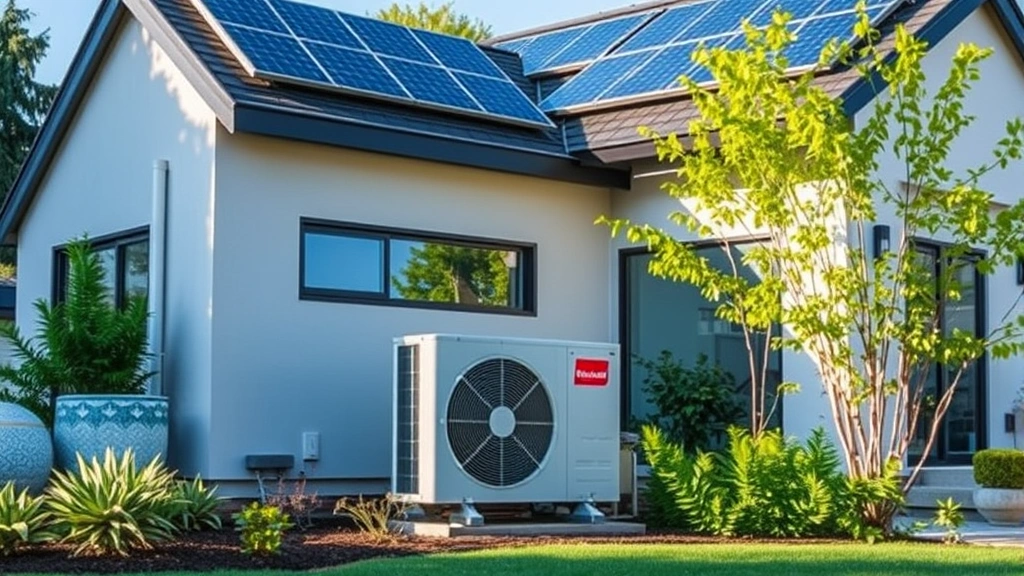
Electric Heat Pumps: Heat pumps represent one of the most environmentally promising heating technologies. These systems extract heat from outdoor air or ground and transfer it indoors, using electricity rather than burning fuel. Modern heat pumps can deliver 2-4 units of heat for every unit of electricity consumed. When powered by renewable energy, heat pumps produce virtually zero emissions. Even on grids with significant fossil fuel generation, heat pumps typically produce 40-60% fewer emissions than gas heaters. Our guide on sustainable energy solutions explores this technology in greater depth.
Electric Resistance Heating: Traditional electric baseboard heaters convert electricity directly to heat with 100% efficiency. However, their environmental impact depends entirely on the electricity grid’s composition. In coal-heavy regions, they may be worse than gas heaters; in renewable-rich areas, they’re superior. They’re less efficient than heat pumps but more controllable than gas systems.
Biomass Heating: Wood pellet stoves and boilers burn renewable organic material. When sustainably sourced, biomass can be carbon-neutral because growing trees absorb CO2. However, biomass heating requires careful sourcing verification and produces local air pollution, making it suitable only in specific contexts.
Solar Thermal Systems: Solar heating captures the sun’s energy to warm water or air. These systems have zero operational emissions and minimal environmental impact during manufacturing. However, they work best in sunny climates and typically require backup heating systems, making them a supplementary rather than complete solution.
Energy Efficiency Ratings and Performance Metrics
Understanding efficiency ratings helps clarify gas heaters’ actual environmental performance. The Annual Fuel Utilization Efficiency (AFUE) rating measures what percentage of fuel energy converts to usable heat.
AFUE Standards: Modern gas furnaces typically achieve 90-98% AFUE, meaning minimal fuel waste. Older systems (pre-2000) often operated at 60-70% AFUE, wasting substantial energy. If you’re considering whether to repair an old gas heater or replace it, upgrading to a high-efficiency model reduces fuel consumption significantly, though it doesn’t address the fundamental carbon emissions issue.
When comparing heating systems for environmental impact, consider the source of energy, not just conversion efficiency. A 95% efficient gas heater still emits carbon, while a 75% efficient heat pump powered by renewable electricity produces minimal environmental harm. Efficiency matters, but fuel source matters more for climate impact.
The Energy Star program certifies heating systems meeting strict efficiency standards. Choosing certified equipment ensures you’re selecting among the most efficient options available, though this doesn’t make gas heating inherently eco-friendly.
Indoor Air Quality and Health Considerations
Beyond climate impact, gas heaters affect indoor air quality and occupant health. Gas combustion produces nitrogen oxides, carbon monoxide, and other pollutants. Properly installed and maintained systems vent these byproducts outdoors, but leaks or malfunctions can release harmful gases indoors.
Studies published by environmental health organizations show correlations between gas stove and heater use and increased respiratory issues, particularly in children. The nitrogen dioxide produced during combustion can aggravate asthma and reduce lung function. These health costs represent an often-overlooked environmental and social burden of gas heating.
Electric heating systems, particularly heat pumps, eliminate these indoor air quality concerns entirely. This represents a significant health advantage, especially for vulnerable populations. When considering how to reduce your environmental footprint, switching to electric heating improves both planetary and personal health.
Proper maintenance of gas heaters—annual inspections, filter changes, and ventilation checks—minimizes health risks but doesn’t eliminate the fundamental air quality disadvantage compared to electric systems.
Making Gas Heating More Sustainable
If you currently use gas heating and cannot immediately switch to alternatives, several strategies reduce environmental impact:
Optimize System Efficiency: Upgrade to high-efficiency models (95%+ AFUE) if your current system is older than 15 years. Modern systems burn less fuel while providing equivalent or superior heating. This single upgrade can reduce energy consumption by 20-30%.
Improve Home Insulation: Reducing heat loss through walls, attics, and windows decreases overall heating demand. Better insulation means your heating system—regardless of fuel type—operates less frequently, consuming less fuel and producing fewer emissions. This is one of the most cost-effective sustainability improvements.
Install Programmable Thermostats: Smart thermostats learn your patterns and optimize heating schedules, reducing unnecessary fuel consumption. They can decrease heating energy use by 10-15% through intelligent temperature management.
Regular Maintenance: Clean filters, annual professional inspections, and proper ventilation ensure your system operates at peak efficiency. Dirty or poorly maintained systems waste fuel and produce excess emissions.
Zone Heating: Rather than heating your entire home uniformly, concentrate warmth in occupied spaces. This reduces overall fuel consumption while maintaining comfort where needed.
Transition Planning: Even if replacement isn’t immediately feasible, develop a plan to transition toward green technology innovations as your gas heater ages. This forward-thinking approach ensures you move toward sustainability systematically.
The Future of Home Heating Technology
The heating technology landscape is rapidly evolving toward sustainability. Several emerging trends suggest the future of home heating will increasingly move away from fossil fuels.
Advanced Heat Pump Technology: Next-generation heat pumps operate effectively in extremely cold climates, expanding their geographic applicability. Cold-climate heat pumps now maintain efficiency even in sub-zero temperatures, challenging the notion that gas heating is necessary in harsh winters.
Hybrid Systems: Some installations combine heat pumps with gas backup for extreme weather, offering a transitional solution. These systems use electric heat pumps primarily and switch to gas only during severe cold snaps, reducing overall gas consumption significantly.
Electrification Standards: Many jurisdictions are implementing building codes that require all-electric heating in new construction. California, New York, and several European countries have passed legislation phasing out gas heating in buildings. This regulatory momentum signals the direction of the industry.
Renewable Energy Integration: As renewable electricity becomes increasingly prevalent, the environmental advantage of electric heating systems grows. Heating your home with solar or wind power represents the ultimate sustainability goal.
Thermal Storage Systems: Emerging technologies store excess renewable energy as heat for later use, solving the intermittency challenges of renewable energy. These systems could enable fully renewable heating without fossil fuels.
The consensus among climate scientists and environmental organizations is clear: transitioning away from gas heating is essential for meeting climate goals. While gas heaters are more efficient than some alternatives, their reliance on fossil fuels makes them fundamentally incompatible with long-term sustainability.
FAQ
Are gas heaters more eco-friendly than electric heaters?
Not necessarily. While gas heaters may be more efficient at converting fuel to heat, electric heating powered by renewable energy sources produces significantly fewer emissions. Even on grids with fossil fuel generation, modern heat pumps typically outperform gas heaters environmentally. The answer depends on your local electricity grid’s composition and the specific heating system.
What is the most eco-friendly heating option?
Heat pumps powered by renewable electricity represent the most eco-friendly heating solution currently available. Solar thermal systems are also excellent where applicable. Biomass heating from sustainably sourced materials can be carbon-neutral. The best choice depends on your climate, location, and available resources.
Do gas heaters contribute significantly to household emissions?
Yes. For most households, heating accounts for a substantial portion of energy-related emissions. Gas heating typically contributes 5-10 tons of CO2 annually per household, making it one of the largest sources of residential greenhouse gas emissions.
Is it worth replacing a working gas heater with an electric system?
From an environmental perspective, yes—especially if your electricity comes partially from renewable sources. The payback period depends on energy prices in your area, available rebates, and the age of your current system. Many utilities and governments offer incentives for switching to electric heating, improving financial viability.
Can I make my gas heater more sustainable?
While you cannot eliminate gas heating’s fundamental carbon emissions, you can reduce its impact through efficiency upgrades, improved insulation, smart thermostats, and regular maintenance. These measures decrease fuel consumption and emissions, though they don’t make gas heating truly eco-friendly.
What about natural gas being cleaner than other fossil fuels?
While natural gas produces fewer emissions than coal or oil when burned, it still produces significant CO2 and contributes to climate change. Additionally, methane leakage throughout the supply chain undermines any advantage. Compared to renewable energy sources, natural gas remains a high-emission fuel.
Are there any health benefits to switching from gas to electric heating?
Yes. Electric heating eliminates indoor air pollution from combustion byproducts, improving air quality and reducing respiratory issues. This is particularly beneficial for children, elderly individuals, and people with asthma or other respiratory conditions.