Fred Meyer Gas Prices: Sustainable Choices to Make
As fuel costs continue to fluctuate, consumers at Fred Meyer and other retailers face mounting pressure on their budgets while simultaneously grappling with environmental concerns. Understanding Fred Meyer gas prices in context of broader sustainability goals allows shoppers to make informed decisions that benefit both their wallets and the planet. This guide explores practical strategies for navigating fuel expenses while embracing eco-conscious alternatives that align with long-term environmental responsibility.
Fred Meyer, operating hundreds of fuel stations across the Pacific Northwest and beyond, serves as a convenient refueling destination for millions of drivers. However, the true cost of gasoline extends far beyond the pump price—it encompasses environmental degradation, carbon emissions, and resource depletion. By examining Fred Meyer gas prices alongside sustainable transportation options, consumers can identify pathways toward reducing their fuel dependency and carbon footprint.
Understanding Current Fred Meyer Gas Pricing
Fred Meyer gas prices fluctuate based on regional market conditions, crude oil costs, and supply chain dynamics. Like most retailers, Fred Meyer adjusts prices regularly to reflect wholesale fuel costs and competitive pressures. Consumers checking prices through the Fred Meyer app or website can access real-time updates, enabling strategic refueling decisions. However, focusing exclusively on finding the cheapest gallon misses the broader sustainability conversation.
Fuel pricing structures have evolved significantly over the past decade. Fred Meyer’s loyalty program members often receive discounts on fuel purchases, with rewards accumulating based on grocery spending. While these savings programs offer tangible benefits, they also encourage increased consumption—a pattern that contradicts environmental sustainability principles. The real opportunity lies in questioning whether driving less or choosing alternative fuels might provide greater long-term savings and ecological benefits than optimizing within the traditional gasoline economy.
Understanding fuel price trends helps contextualize why transitioning away from gasoline makes financial sense. When accounting for maintenance costs, environmental externalities, and health impacts associated with air pollution, conventional vehicles become increasingly expensive propositions. Consumers should examine Fred Meyer gas prices as part of a comprehensive transportation cost analysis rather than in isolation.
Environmental Impact of Gasoline Consumption
Every gallon of gasoline burned releases approximately 20 pounds of carbon dioxide into the atmosphere, contributing directly to climate change. The transportation sector accounts for roughly 27% of greenhouse gas emissions in the United States, with personal vehicles representing a substantial portion of that total. By patronizing Fred Meyer fuel stations, consumers participate in a system that perpetuates fossil fuel dependency and environmental degradation.
Beyond carbon emissions, gasoline extraction, refining, and distribution create extensive environmental damage. Oil drilling disrupts ecosystems, transportation accidents cause spills contaminating waterways, and refinery operations release toxic pollutants affecting air quality in surrounding communities. These environmental costs aren’t reflected in Fred Meyer gas prices, meaning consumers pay artificially low prices that don’t account for true ecological expenses.
The combustion process inside vehicle engines produces additional pollutants beyond CO2, including nitrogen oxides and particulate matter that degrade air quality and cause respiratory health problems. Children and elderly populations suffer disproportionately from these emissions. Communities near highways experience elevated rates of asthma and cardiovascular disease directly linked to vehicle exhaust. Choosing alternatives to gasoline-powered vehicles represents a health-conscious decision alongside environmental responsibility.
Exploring how to reduce your environmental footprint requires examining transportation choices comprehensively. Reducing fuel consumption directly decreases personal carbon emissions and contributes to broader climate stabilization efforts essential for future generations.
Electric Vehicle Alternatives to Traditional Fuel
The most transformative response to Fred Meyer gas prices involves transitioning to electric vehicles powered by renewable energy sources. Modern EVs offer comparable range, performance, and practicality to conventional vehicles while eliminating tailpipe emissions entirely. Charging costs typically represent 60-70% savings compared to gasoline expenses, providing immediate financial incentives alongside environmental benefits.
Electric vehicles generate emissions only during the electricity generation phase, and as power grids incorporate increasing percentages of renewable energy, EV environmental benefits compound over time. In regions with clean energy portfolios, driving an EV produces minimal carbon footprint compared to gasoline alternatives. Advantages of electric vehicles extend beyond environmental considerations to include lower operating costs, reduced maintenance requirements, and superior driving experiences.
Battery technology has matured substantially, with modern EVs offering 200-400 mile ranges on single charges. Fast-charging infrastructure continues expanding, making long-distance travel increasingly practical. Federal tax credits up to $7,500 and various state incentives reduce purchase prices, bringing EVs into competitive price ranges with comparable gasoline vehicles when accounting for long-term fuel savings.
Charging at home overnight provides convenience unmatched by traditional refueling, eliminating trips to Fred Meyer fuel stations entirely. This accessibility, combined with rising fuel prices and environmental consciousness, explains accelerating EV adoption rates across North America. For consumers seeking to escape Fred Meyer gas price volatility, electric vehicles represent the most comprehensive solution.
Maximizing Fuel Efficiency with Your Current Vehicle
While transitioning to electric vehicles remains the optimal long-term strategy, immediate fuel efficiency improvements can reduce Fred Meyer gas consumption and expenses. Simple maintenance practices significantly impact fuel economy: maintaining proper tire pressure, regular oil changes, and engine tune-ups optimize performance and reduce fuel waste.
Driving habits profoundly affect fuel consumption. Aggressive acceleration and excessive speeding dramatically increase fuel requirements. Maintaining steady speeds, anticipating traffic patterns, and avoiding unnecessary idling can improve fuel economy by 15-30%. Removing excess weight from vehicles, reducing aerodynamic drag, and eliminating roof racks when not in use further enhance efficiency.
Trip consolidation represents another powerful strategy. Combining multiple errands into single outings reduces total driving distance and fuel consumption. Planning routes to minimize backtracking and utilizing navigation apps to avoid traffic congestion optimizes fuel usage on every journey. These behavioral changes cost nothing while delivering measurable environmental and financial benefits.
Consider carpooling, vanpooling, or ride-sharing for regular commutes. Sharing transportation divides fuel costs among multiple passengers while proportionally reducing individual environmental impact. Many employers offer carpool matching services and vanpool subsidies, making shared transportation economically attractive alongside its sustainability benefits.
Exploring sustainable energy solutions includes optimizing current vehicle efficiency before considering replacement. Every gallon of fuel conserved reduces environmental impact and saves money that might be redirected toward future EV purchases.
Sustainable Transportation Practices
Beyond individual vehicle choices, sustainable transportation encompasses broader lifestyle adjustments that reduce overall mobility needs. Urban planning increasingly emphasizes walkable neighborhoods with local services, schools, and employment opportunities within reasonable distances. Relocating closer to work, schools, and shopping destinations reduces commute distances and fuel consumption fundamentally.
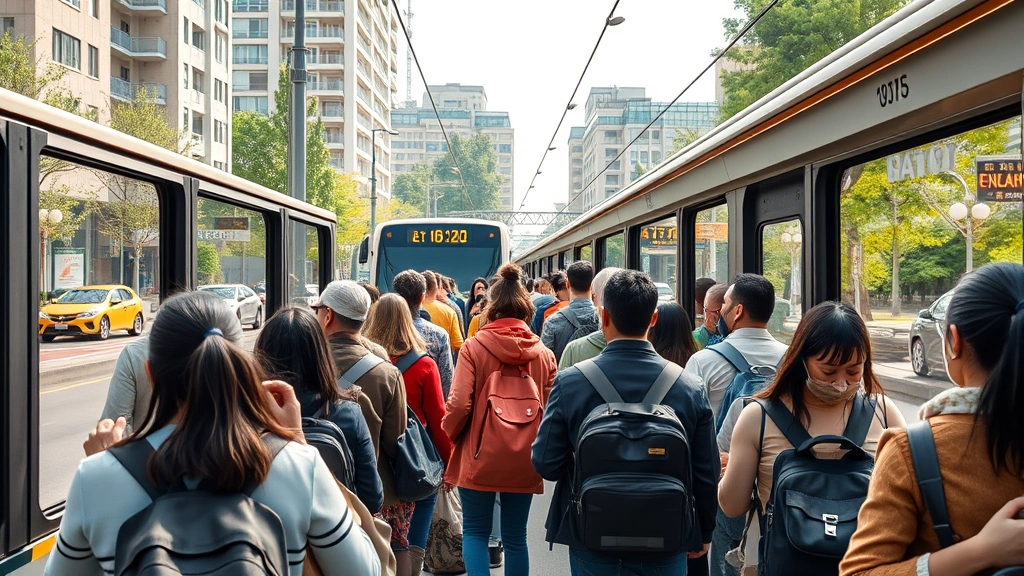
Public transportation systems—buses, light rail, and commuter trains—move people far more efficiently than personal vehicles. A single bus replaces 40-50 individual cars on roadways, dramatically reducing collective fuel consumption and emissions. Cities with robust public transit systems consistently demonstrate lower per-capita transportation emissions than car-dependent communities. Utilizing public transportation whenever available represents a powerful sustainability choice.
Cycling and walking provide zero-emission transportation for trips under three miles, the distance representing a significant percentage of urban travel. E-bikes extend cycling practicality to longer distances and challenging terrain, making active transportation viable for more trips. Communities investing in protected bike lanes and pedestrian infrastructure enable these sustainable options.
Micromobility solutions—scooters, skateboard-style devices, and small electric vehicles—fill transportation gaps between walking and car travel. These options cost minimal amounts compared to vehicle ownership while providing flexibility and environmental benefits. Integrating multiple transportation modes into trip planning optimizes both efficiency and sustainability.
Remote work arrangements reduce commuting necessity entirely. Negotiating flexible schedules or work-from-home options with employers eliminates fuel consumption for regular commutes. Video conferencing technologies enable business travel reduction, replacing some flights and car trips with virtual meetings. These workplace changes represent powerful sustainability levers available to many professionals.

Leveraging Rewards and Savings Programs
Fred Meyer’s loyalty program provides legitimate savings opportunities that consumers should maximize. Fuel discounts accumulate through grocery and household purchases, creating incentives to consolidate shopping at Fred Meyer locations. Maximizing these discounts makes financial sense while reducing shopping trips and associated fuel consumption.
However, view rewards programs as tools for optimizing within sustainable frameworks rather than justifications for increased consumption. A fuel discount that encourages unnecessary driving generates net environmental harm despite personal savings. Use rewards strategically: consolidate shopping trips, combine errands, and leverage discounts without increasing overall consumption patterns.
Alternative rewards programs worth exploring include credit cards offering cash back on fuel purchases. Some premium cards provide 3-5% returns on gas station spending, generating meaningful savings on fuel costs. However, credit card rewards shouldn’t encourage frivolous driving; instead, apply savings toward EV charging infrastructure investment or public transportation passes.
Mobile apps and price-comparison tools identify lowest-priced fuel stations in your area, helping minimize fuel expenses. However, driving excessive distances to save a few cents per gallon negates savings through additional fuel consumption. Use price information strategically for planned trips rather than making special journeys for minor price advantages.
Exploring principles of sustainability reveals that true savings come from consuming less rather than finding cheaper ways to consume more. Redirect fuel savings toward investments in sustainable transportation alternatives rather than spending them on additional driving.
The Future of Fuel and Sustainable Energy
Transportation energy sources are undergoing fundamental transformation driven by climate imperatives, technological advancement, and economic forces. Electric vehicles represent the near-term future, with major automakers committing to EV-only production within 10-15 years. Gasoline vehicle sales are declining across developed markets as consumer preference shifts toward cleaner alternatives.
Hydrogen fuel cells offer another emerging technology for zero-emission vehicles. Hydrogen production from renewable energy creates vehicles with electric performance characteristics and conventional refueling convenience. While infrastructure remains limited, hydrogen development continues advancing, particularly for heavy trucks and commercial applications.
Synthetic fuels produced from renewable energy and captured carbon dioxide present another possibility for extending internal combustion engine viability. However, these fuels remain experimental and expensive, unlikely to compete economically with electric and hydrogen alternatives. Most transportation experts project electric vehicles will dominate personal vehicle markets within 20 years.
Urban mobility is shifting toward integrated transportation networks combining public transit, bike infrastructure, and shared vehicles. Autonomous electric vehicles may eventually eliminate personal vehicle ownership entirely in some urban areas. These systemic changes will render Fred Meyer gas prices irrelevant as transportation fundamentally decarbonizes.
Understanding green technology innovations transforming our future helps contextualize current fuel pricing discussions within longer-term sustainability transitions. The fundamental question isn’t finding cheap gasoline but rather transitioning away from gasoline dependence entirely.
Visit the SustainWise Hub Blog for comprehensive sustainability insights and actionable guidance for reducing environmental impact across all lifestyle dimensions.
Frequently Asked Questions
How do Fred Meyer gas prices compare to competitors?
Fred Meyer fuel pricing typically remains competitive with regional alternatives, though prices vary by location and market conditions. Using price-comparison apps helps identify lowest-cost options, though savings should be weighed against trip distances. Loyalty program discounts often provide better savings than shopping multiple stations.
Can I track Fred Meyer fuel discounts through the mobile app?
Yes, the Fred Meyer mobile app displays current fuel prices and accumulated fuel discounts. Users can monitor discount status and plan refueling timing strategically. The app provides convenient price transparency enabling informed purchasing decisions.
What’s the environmental impact of switching to an electric vehicle?
Electric vehicles eliminate tailpipe emissions entirely and typically generate 50-70% lower lifetime emissions than comparable gasoline vehicles, even accounting for electricity generation. In regions with renewable energy, EV environmental benefits are substantially greater. Over vehicle lifespans, EVs represent dramatically cleaner transportation choices.
How can I reduce fuel consumption without buying a new vehicle?
Maintain proper tire pressure, consolidate trips, eliminate aggressive driving behaviors, remove excess weight, and consider carpooling. These changes can improve fuel economy by 15-30% while reducing environmental impact. Behavioral adjustments cost nothing while delivering measurable benefits.
Are there government incentives for electric vehicle purchases?
Federal tax credits up to $7,500 and various state incentives reduce EV purchase prices. Some regions offer additional perks including HOV lane access, free parking, and charging infrastructure subsidies. Researching local incentive programs significantly improves EV affordability.
What’s the difference between hybrid and electric vehicles?
Hybrid vehicles use both gasoline engines and electric motors, improving fuel efficiency but still producing emissions. Pure electric vehicles eliminate gasoline entirely, generating zero tailpipe emissions. While hybrids represent incremental improvements, electric vehicles provide comprehensive environmental solutions.
How does public transportation compare to driving for environmental impact?
Public transit moves people far more efficiently than personal vehicles, reducing per-passenger emissions by 50-90% compared to driving alone. Transit also reduces traffic congestion, improves air quality, and provides cost savings. Utilizing public transportation represents one of the most impactful individual sustainability choices.
Can I reduce transportation needs through lifestyle changes?
Yes, relocating closer to work, shopping, and services reduces commute distances fundamentally. Remote work arrangements eliminate commuting entirely. Urban living in walkable neighborhoods dramatically reduces transportation needs compared to car-dependent suburbs. These lifestyle adjustments represent powerful sustainability levers.


