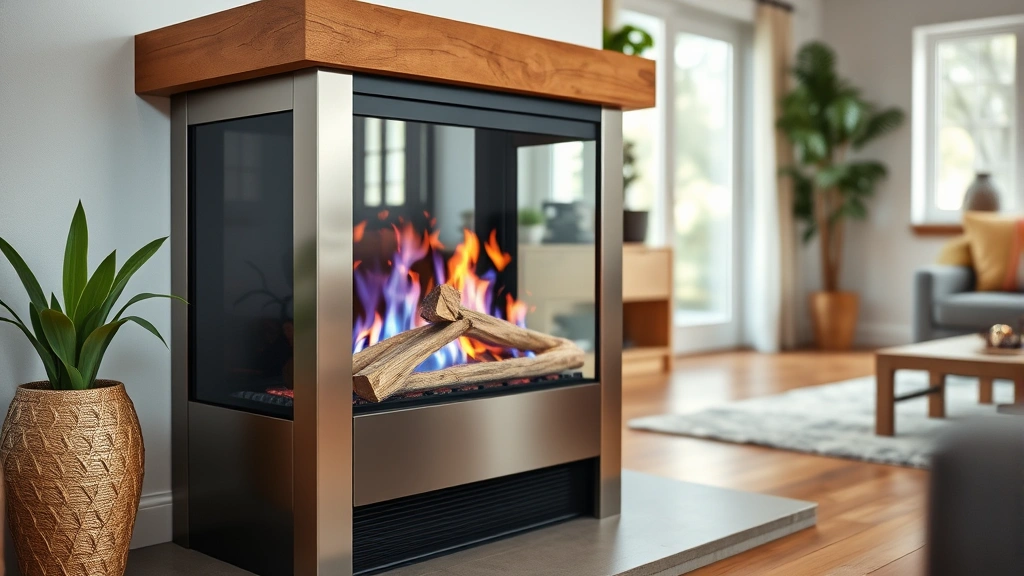
Are Freestanding Gas Fireplaces Eco-Friendly? Facts You Need to Know
Freestanding gas fireplaces have become increasingly popular as homeowners seek alternatives to traditional wood-burning stoves and electric heaters. However, the question of their environmental impact remains complex and multifaceted. These elegant heating appliances offer convenience and aesthetic appeal, but do they align with sustainable living principles? Understanding the ecological implications of gas fireplaces requires examining their energy efficiency, emissions profile, fuel sourcing, and how they compare to other heating alternatives.
The answer isn’t simply yes or no—it depends on your current heating system, local energy grid composition, and how frequently you use the fireplace. This comprehensive guide explores the environmental facts about freestanding gas fireplaces, helping you make an informed decision that balances comfort, cost, and climate consciousness.
How Freestanding Gas Fireplaces Work
Freestanding gas fireplaces operate by burning natural gas or propane to generate heat and flame, creating the ambiance of a traditional fireplace without requiring a chimney or venting system—though some models do include optional ventilation. These units contain a burner that ignites gas supplied through either direct piping from your home’s natural gas line or from a propane tank. The combustion process produces heat that radiates into your living space, warming the area more efficiently than a traditional open fireplace.
Modern freestanding gas fireplaces feature realistic flame effects created by ceramic logs, glass beads, or other decorative elements that catch the light from the gas flame. Thermostatic controls allow you to set desired temperatures, and many models include remote controls for convenient operation. Unlike wood-burning fireplaces, which lose significant heat up the chimney, sustainable energy solutions like properly installed gas fireplaces can deliver 70-90% of their heat energy into your home rather than the atmosphere.
The key distinction lies in ventilation type. Vent-free models don’t require external venting and retain more heat, but they release combustion byproducts into your living space. Vented models expel gases outside but lose some heating efficiency. Direct vent models use two-pipe systems that draw combustion air from outside and exhaust gases outside, offering a middle-ground approach to both efficiency and indoor air quality.
Energy Efficiency Ratings Explained
Understanding energy efficiency metrics helps determine whether a freestanding gas fireplace represents a sustainable heating choice. Most gas fireplaces carry efficiency ratings ranging from 50% to 90%, depending on their design and ventilation type. These ratings indicate what percentage of the fuel’s energy content actually heats your home rather than being lost through venting or other means.
Vented gas fireplaces typically achieve 50-70% efficiency because a portion of heat escapes through the exhaust vent. Vent-free models reach 99% efficiency in terms of heat retention since all combustion byproducts remain in your home, though this raises other environmental and health considerations. Direct vent fireplaces generally achieve 70-85% efficiency, balancing heat retention with proper ventilation.
When evaluating efficiency, compare gas fireplaces to your existing heating system. If you’re replacing an old wood-burning fireplace or supplementing an inefficient heating system, a gas fireplace might reduce your overall energy consumption. However, if your home already uses a modern, efficient furnace or heat pump system, a gas fireplace may represent additional energy use rather than a replacement. The U.S. Department of Energy provides detailed comparisons of heating system efficiencies to help you evaluate your specific situation.
Look for fireplaces certified by the Environmental Protection Agency or bearing the AFUE (Annual Fuel Utilization Efficiency) label. These certifications indicate that the unit meets minimum performance standards and has undergone rigorous testing to verify efficiency claims.
Emissions and Air Quality Impact
The environmental impact of freestanding gas fireplaces extends beyond energy consumption to include air quality considerations. Burning natural gas or propane produces carbon dioxide (CO₂), a greenhouse gas contributing to climate change, along with nitrogen oxides (NOx) and other combustion byproducts.
A typical freestanding gas fireplace burning for several hours daily generates approximately 10-15 pounds of CO₂ weekly, depending on usage patterns and fuel type. While this represents a relatively modest contribution compared to driving or heating an entire home, it’s not negligible when considering how to reduce your environmental footprint comprehensively.
Vent-free fireplaces raise particular concerns because they release all combustion byproducts into your living space. These include water vapor, CO₂, and trace amounts of NOx. While modern vent-free models include safety mechanisms to prevent dangerous carbon monoxide accumulation, they do elevate indoor moisture and CO₂ levels. For individuals with respiratory conditions, asthma, or chemical sensitivities, vent-free fireplaces may adversely affect indoor air quality.
Vented and direct vent models address these concerns by exhausting combustion byproducts outside. However, this means local outdoor air quality experiences the emissions impact instead. From a global climate perspective, emissions occur regardless of whether they enter your home or the atmosphere, but from a personal health standpoint, vented options prove preferable for most households.
The carbon intensity of your fireplace depends partly on your region’s electricity grid composition. If you’re in an area powered primarily by renewable energy, an electric heating alternative might prove more environmentally favorable than gas. Conversely, in regions with coal-heavy grids, gas combustion may produce fewer lifecycle emissions than electric heating.
Natural Gas vs Propane Environmental Considerations
Freestanding gas fireplaces can operate on either natural gas or propane, and each fuel source carries distinct environmental implications. Understanding these differences helps you make the most sustainable choice for your situation. Our detailed natural gas vs propane comparison explores these distinctions comprehensively.
Natural gas, primarily methane, reaches homes through underground pipeline infrastructure. This distribution method minimizes transportation emissions compared to propane, which requires truck delivery. However, natural gas extraction involves hydraulic fracturing in many regions, raising concerns about groundwater contamination and fugitive methane emissions. Methane is 28-34 times more potent than CO₂ as a greenhouse gas over a 100-year period, making leaks during extraction and distribution environmentally significant.
Propane represents a byproduct of crude oil refining and natural gas processing. While propane combustion produces slightly higher CO₂ emissions per unit of energy compared to natural gas, propane systems don’t rely on extraction from new reserves—the propane would exist as a refining byproduct regardless. Propane also offers portability, making it suitable for homes without natural gas infrastructure, potentially avoiding the need for grid expansion.
From a pure climate perspective, natural gas typically carries a lower carbon footprint when methane leakage remains minimal. However, if your regional natural gas infrastructure exhibits poor maintenance and high leakage rates, propane might represent the more environmentally responsible choice. Inquire with your utility provider about their methane emissions and leak detection programs.
Comparing Heating Methods
Evaluating whether a freestanding gas fireplace qualifies as eco-friendly requires comparing it to alternative heating approaches. Each method carries distinct environmental profiles based on fuel source, efficiency, and application.
Wood-Burning Fireplaces: Traditional open fireplaces lose 80-90% of heat up the chimney, making them highly inefficient. Wood combustion produces significant indoor and outdoor air pollution, including particulate matter and volatile organic compounds. However, if the wood comes from sustainably managed forests, burning wood for heat represents carbon-neutral energy since the CO₂ released equals the carbon sequestered during the tree’s growth. Most people underestimate wood-burning’s air quality impacts—a single open fireplace can produce as much particulate pollution as a car driving 4,000 miles.
Electric Heating: Electric space heaters and heat pumps produce zero direct emissions but their environmental impact depends entirely on your electricity grid’s fuel composition. In regions powered by renewable energy, electric heating proves far more sustainable than gas. Even in mixed grids, electric heat pumps achieve superior efficiency ratios (3-5 units of heat per unit of electricity) compared to gas fireplaces. Advantages of electric vehicles similarly improve as grids decarbonize, demonstrating how electrification benefits from cleaner energy infrastructure.
Heat Pumps: Modern heat pumps represent perhaps the most sustainable heating option currently available, achieving 300-400% efficiency by transferring existing heat rather than generating it through combustion. They produce zero direct emissions and declining lifecycle emissions as electricity grids incorporate more renewables. For new installations, heat pumps typically outperform gas fireplaces environmentally.
Gas Furnaces: Central heating systems using natural gas operate at 90-98% efficiency in modern models, significantly outperforming fireplace-based heating. If you already possess efficient central heating, adding a supplemental gas fireplace increases total energy consumption rather than improving efficiency.
Installation and Ventilation Requirements
The environmental benefits of a freestanding gas fireplace depend substantially on proper installation and ventilation choices. Installation requirements vary based on your fireplace type and home construction.
Vent-free fireplaces require no external venting, making installation straightforward and eliminating heat loss through exhaust pipes. This simplicity appeals to many homeowners, but it comes with trade-offs. All combustion byproducts remain indoors, and many jurisdictions restrict or prohibit vent-free fireplaces in bedrooms or primary living spaces due to safety and indoor air quality concerns. From an environmental standpoint, vent-free operation maximizes heating efficiency but concentrates emissions in your breathing space.
Vented fireplaces require either a dedicated chimney or an exterior wall opening for exhaust venting. Installation proves more complex and costly, but the fireplace can operate continuously without affecting indoor air quality. The trade-off involves losing 15-30% of heat energy through the vent pipe, reducing overall efficiency compared to vent-free models.
Direct vent fireplaces use sealed combustion chambers and dual-pipe venting systems that draw combustion air from outside while exhausting gases outside. This approach balances efficiency (70-85%) with excellent indoor air quality, making it the most environmentally and health-conscious option for most homes. Installation requires exterior wall access but avoids the efficiency penalties of traditional venting.
Professional installation ensures your fireplace operates safely and efficiently. Improper installation can result in inefficient operation, indoor air quality problems, and safety hazards. Consider the installation complexity and costs when evaluating whether a freestanding gas fireplace makes economic and environmental sense for your situation.
Making Your Fireplace More Sustainable
If you already own a freestanding gas fireplace or have decided to install one, numerous strategies can minimize its environmental impact and maximize its sustainability benefits.
Optimize Usage Patterns: Use your fireplace strategically rather than continuously. Running it only during cold months when you’d otherwise increase furnace usage represents supplemental heating that reduces overall energy consumption. Conversely, operating a fireplace in mild weather purely for ambiance increases net energy use unnecessarily.
Choose Direct Vent Models: When upgrading or installing new, prioritize direct vent fireplaces that balance efficiency with indoor air quality. Avoid vent-free models unless you have excellent ventilation and no respiratory sensitivities in your household.
Maintain Proper Temperature Settings: Set your fireplace thermostat to your desired temperature rather than maximum output. Modern models with thermostatic controls automatically adjust flame intensity, reducing fuel consumption while maintaining comfort.
Seal and Insulate: Maximize the environmental benefits of any heating source by improving your home’s envelope. Environmental sustainability examples include weatherstripping, caulking air leaks, and adding insulation to reduce overall heating demands.
Consider Renewable Energy Integration: If you’re considering a fireplace upgrade, explore whether solar thermal systems or heat pumps might better serve your heating needs. These technologies offer superior environmental profiles in most regions.
Offset Emissions: Calculate your fireplace’s annual CO₂ emissions and consider purchasing carbon offsets from reputable programs that fund renewable energy or forest conservation projects. This acknowledges the environmental impact while supporting climate solutions.
Use Natural Gas Over Propane: If you have access to natural gas infrastructure, choosing natural gas over propane reduces transportation emissions. However, verify your utility’s methane leak rates and environmental practices.
Maintain Your Fireplace: Regular maintenance ensures optimal efficiency. Clean burners, check for gas leaks, and verify that pilot lights and ignition systems function properly. A well-maintained fireplace operates more efficiently and reliably.
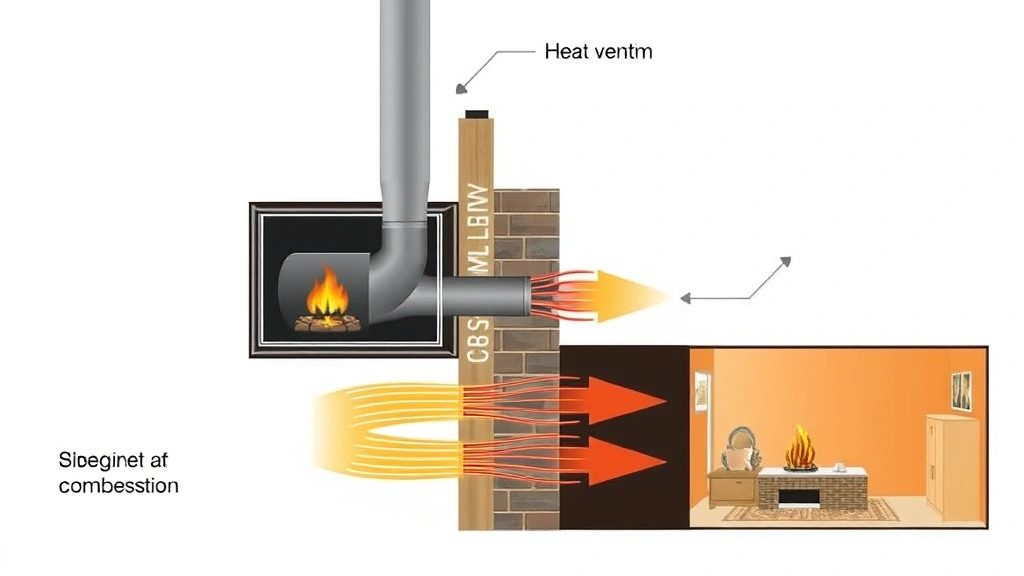
” alt=”Modern freestanding gas fireplace with direct vent system installed in contemporary living room with natural wood surroundings and ambient lighting”>
FAQ
Are freestanding gas fireplaces better for the environment than wood-burning fireplaces?
Yes, significantly. Gas fireplaces achieve 70-90% efficiency compared to 10-20% for open wood fireplaces, meaning far less fuel produces equivalent heat. Gas combustion produces cleaner emissions than wood smoke, which contains particulate matter and volatile organic compounds harmful to air quality. While wood from sustainably managed forests represents carbon-neutral fuel, most people underestimate the air pollution impact of wood burning.
Do gas fireplaces produce carbon monoxide?
Properly installed and maintained gas fireplaces produce minimal carbon monoxide. Modern units include safety features preventing dangerous accumulation. However, vent-free fireplaces should only operate in well-ventilated spaces, and all gas appliances benefit from carbon monoxide detectors as a safety precaution. Vented and direct vent models eliminate indoor CO concerns entirely.
Can a freestanding gas fireplace reduce my heating bills?
Potentially, if you use it to supplement or replace less efficient heating. If your home already uses a modern, efficient furnace or heat pump, a fireplace typically increases energy costs rather than reducing them. The financial benefit depends on your current heating system, fireplace usage patterns, and local energy prices.
What’s the difference between natural gas and propane fireplaces environmentally?
Natural gas typically carries lower lifecycle emissions due to avoiding transportation impacts, but this advantage depends on your region’s natural gas infrastructure quality and methane leak rates. Propane requires truck delivery but doesn’t depend on new resource extraction since it’s a refining byproduct. For detailed analysis, see our natural gas vs propane comparison.
Are vent-free fireplaces safe?
Modern vent-free fireplaces include safety mechanisms preventing carbon monoxide dangers, but they do release all combustion byproducts into your living space, including water vapor and CO₂. Many jurisdictions restrict their use in bedrooms. People with respiratory conditions should avoid vent-free models. Vented or direct vent alternatives prove safer for indoor air quality.
How do gas fireplaces compare to electric heaters environmentally?
This depends on your electricity grid composition. In regions powered primarily by renewables, electric heating significantly outperforms gas. Even in mixed grids, electric heat pumps achieve superior efficiency. As electricity grids decarbonize, electric heating becomes increasingly attractive environmentally compared to fossil fuel combustion.
Should I install a freestanding gas fireplace in my home?
The decision depends on your current heating system, climate, budget, and environmental priorities. If you’re replacing an inefficient fireplace or heating source, a gas fireplace might reduce overall consumption. If you already have modern efficient heating, a fireplace adds energy use. Consider whether heat pumps or improved insulation might better serve your needs. Consult sustainable energy solutions resources for personalized guidance.
What’s the carbon footprint of running a gas fireplace?
A typical freestanding gas fireplace running 4-5 hours daily generates approximately 10-15 pounds of CO₂ weekly, or roughly 500-750 pounds annually. This represents modest emissions compared to driving or heating an entire home, but it’s not negligible when pursuing comprehensive environmental reduction. Actual emissions depend on fireplace efficiency, fuel type, and usage patterns.


