Efficient Cooking with Gas? Frigidaire Insights on Sustainability and Performance
When considering kitchen appliances, the choice between gas and electric cooking methods significantly impacts both your household energy consumption and environmental footprint. Frigidaire, a trusted name in home appliances for over a century, offers gas stove solutions that merit examination through a sustainability lens. Understanding how a Frigidaire stove gas model performs can help homeowners make informed decisions about energy efficiency, cooking effectiveness, and long-term environmental responsibility.
Gas cooking has maintained its popularity among culinary enthusiasts and home cooks alike, primarily due to the immediate heat control and responsive cooking experience it provides. However, the environmental implications of natural gas consumption continue to evolve as we deepen our understanding of climate impact and energy efficiency. This comprehensive guide explores Frigidaire’s gas stove offerings, their efficiency ratings, sustainability considerations, and how they compare within the broader context of modern sustainable energy solutions for the home.

Understanding Frigidaire Gas Stoves
Frigidaire has established itself as a reliable manufacturer of kitchen appliances, and their gas stove collection reflects decades of engineering expertise. The brand offers various models designed to accommodate different cooking styles, kitchen sizes, and household needs. From compact apartments to spacious family kitchens, Frigidaire provides options that balance functionality with design aesthetics.
A Frigidaire stove gas unit typically features multiple burners with varying BTU (British Thermal Unit) outputs, allowing cooks to adjust flame intensity for different cooking tasks. The brand’s gas models often include features such as continuous grates for easier cookware movement, sealed burners to contain spills, and electronic ignition systems that eliminate the need for pilot lights. These design elements not only enhance usability but also contribute to more efficient fuel consumption compared to older gas stove models.
The construction quality of Frigidaire gas stoves emphasizes durability and consistent performance. Many models feature stainless steel finishes that resist corrosion and fingerprints, while the cooking surface itself is designed to distribute heat evenly and withstand daily wear. Understanding these fundamental features helps contextualize how Frigidaire gas stoves fit within your broader approach to environmental sustainability examples in the home.

Energy Efficiency and Performance Metrics
When evaluating the efficiency of any gas stove, including Frigidaire models, several key metrics deserve attention. Unlike electric appliances that carry standardized Energy Guide labels, gas stoves lack federally mandated efficiency ratings. However, this doesn’t mean efficiency differences are negligible. The design of burners, the quality of ignition systems, and the overall construction significantly influence how effectively a stove converts natural gas into usable heat.
Frigidaire gas stoves generally perform well in terms of heat distribution and burner responsiveness. The electronic ignition systems found in most modern Frigidaire models eliminate heat loss associated with continuously burning pilot lights, which can waste approximately 300-400 kilowatt-hours of energy annually. This represents a meaningful reduction in energy consumption compared to older gas stove designs that relied on pilot lights.
The BTU output of individual burners matters considerably for efficiency. Standard burners typically range from 5,000 to 12,000 BTU, while high-output burners can exceed 15,000 BTU. A well-designed burner that matches your cooking needs prevents energy waste. For example, using a high-output burner to simmer a sauce wastes energy, whereas using an appropriately-sized burner for the task optimizes fuel consumption. Frigidaire’s multi-burner configurations allow cooks to select appropriate heat levels for various cooking methods.
The quality of cookware also influences overall cooking efficiency. Using flat-bottomed pots and pans with lids on gas stoves improves heat transfer and reduces cooking time. When combined with a well-maintained Frigidaire gas stove, this practice maximizes the efficiency of your cooking process and minimizes unnecessary energy expenditure.
Environmental Impact of Gas Cooking
The environmental considerations surrounding gas cooking extend beyond simple efficiency metrics. Natural gas, while cleaner than some fossil fuels, remains a hydrocarbon fuel that contributes to greenhouse gas emissions when burned. Methane, the primary component of natural gas, possesses a global warming potential significantly higher than carbon dioxide over shorter timeframes, making methane leakage and combustion products environmentally relevant.
Indoor air quality represents another environmental and health consideration for gas stove users. Burning natural gas produces nitrogen dioxide and other combustion byproducts that can accumulate in homes with inadequate ventilation. The EPA provides guidance on indoor air quality, recommending proper ventilation when using gas appliances. This environmental concern applies to all gas stoves, regardless of manufacturer, though proper installation and ventilation of a Frigidaire gas stove can mitigate these effects.
From a lifecycle perspective, manufacturing gas stoves requires raw materials extraction and energy input. However, the longevity of quality appliances like those from Frigidaire means the environmental cost is amortized over many years of use. A gas stove that functions reliably for 15-20 years distributes its manufacturing impact across decades of cooking, making the per-use environmental cost lower than with frequently replaced appliances.
The carbon footprint of your cooking method ultimately depends on your electricity grid’s energy sources. If your region generates substantial electricity from renewable sources, electric cooking may present a lower environmental impact than gas. Conversely, in areas where coal or natural gas dominates electricity generation, the environmental advantage of electric cooking diminishes. This context-dependent reality means that the environmental assessment of a Frigidaire stove gas model must account for your local energy infrastructure.
Frigidaire Technology and Innovation
Modern Frigidaire gas stoves incorporate several technological advances that enhance both performance and environmental responsibility. The electronic ignition systems mentioned earlier represent a significant innovation compared to pilot light designs. These systems spark to life only when you need heat, eliminating constant fuel consumption and improving safety by reducing the risk of unburned gas accumulation.
Sealed burners on Frigidaire gas stoves contain spills within the burner area, preventing food particles and liquids from damaging the stove’s undercarriage. This design feature extends appliance lifespan, reduces the need for repairs, and maintains consistent performance over time. When an appliance functions optimally throughout its operational life, the environmental benefit compounds because replacement cycles are extended.
Convection technology, available on some Frigidaire models, circulates heated air throughout the oven cavity, promoting more even cooking and reducing the need for temperature adjustments. This feature improves cooking outcomes while optimizing fuel consumption for oven-based cooking tasks. The combination of gas burner efficiency and convection oven technology makes these units particularly effective for households that rely heavily on baking and roasting.
Temperature controls and specialized cooking modes on advanced Frigidaire models allow for precise heat management. Some models feature multiple oven racks and cooking zones that enable simultaneous preparation of different dishes at varying temperatures. This capability reduces overall cooking time and energy consumption compared to sequential cooking on less sophisticated appliances.
Exploring these innovations within the context of broader green technology innovations reveals how even traditional cooking methods continue to evolve toward greater efficiency and reduced environmental impact.
Comparing Gas to Alternative Cooking Methods
Understanding how Frigidaire gas stoves compare to alternative cooking technologies provides valuable perspective for sustainable kitchen decisions. Electric resistance stoves, induction cooktops, and hybrid systems each present distinct advantages and disadvantages from efficiency and environmental standpoints.
Induction cooktops represent the most energy-efficient electric cooking technology, converting approximately 80-90% of electrical energy into heat. In contrast, electric resistance stoves achieve roughly 70-75% efficiency, while gas stoves typically convert 40-55% of fuel energy into usable cooking heat. However, these comparisons require context regarding electricity generation methods and grid composition. When evaluated on a total lifecycle basis, the environmental advantage varies by region.
Hybrid cooking systems that combine gas burners with electric ovens offer flexibility, allowing cooks to leverage the advantages of both technologies. A Frigidaire stove gas model with electric oven components could theoretically provide gas’s cooking responsiveness while utilizing electric oven capabilities. This hybrid approach appeals to cooks who prioritize cooking control and environmental considerations equally.
The practical cooking experience differs meaningfully between gas and electric methods. Gas provides instant heat adjustment and visual flame feedback that many cooks find intuitive and satisfying. Electric and induction methods require learning curves but offer superior heat distribution and consistency. For home chefs committed to sustainable cooking practices, the method that encourages efficient technique and reduced cooking time may provide greater environmental benefit than the theoretical efficiency ratings of the technology itself.
When considering alternatives, explore how your cooking style aligns with available technologies. Frequent home cooking with emphasis on technique and efficiency might justify investment in premium induction technology. However, occasional cooking supplemented with prepared foods might make a reliable, durable Frigidaire gas stove the more practical choice, particularly if your home’s infrastructure already supports natural gas delivery.
Maintenance and Longevity
The environmental benefit of any appliance increases dramatically when maintenance practices extend its functional lifespan. Frigidaire gas stoves, like all cooking appliances, benefit from regular care and attention. Understanding maintenance requirements helps ensure your investment delivers years of reliable service while maintaining optimal efficiency.
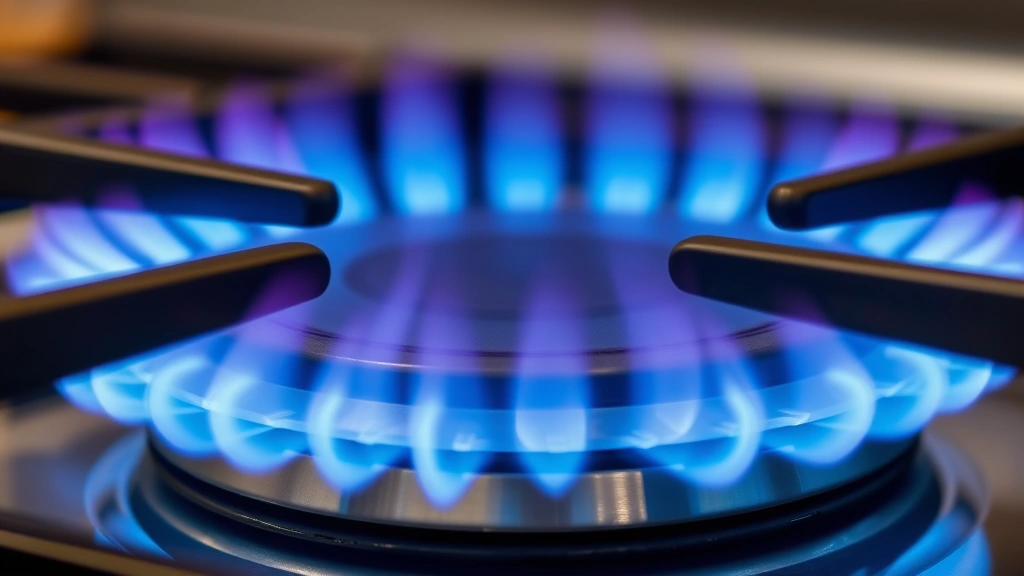
Regular cleaning of burners and grates prevents food residue from obstructing gas flow and affecting flame quality. When burners operate with unobstructed ports, they burn more completely and efficiently. Monthly inspection of the burner flames ensures they’re burning blue (indicating complete combustion) rather than yellow or orange (suggesting incomplete combustion and potential efficiency loss).
Sealed burners simplify cleaning compared to open-flame designs, as spills are contained. However, ensuring the seal remains intact prevents gas leaks and maintains performance. Inspecting seals annually and replacing them if damaged prevents efficiency loss and safety concerns. This proactive maintenance approach extends appliance life and maintains environmental performance.
Professional servicing every few years can identify potential issues before they compromise efficiency or safety. A technician can inspect the gas line connections, test the ignition system, and verify proper burner operation. This preventive approach prevents the need for emergency repairs and ensures your Frigidaire stove gas unit operates at peak efficiency throughout its lifespan.
The Consumer Reports appliance section provides detailed maintenance guidelines and reliability data for various stove models, helping you make informed decisions about long-term care.
Making Your Decision
Choosing between a Frigidaire stove gas model and alternative cooking technologies involves weighing multiple factors beyond efficiency ratings. Your cooking habits, household size, local energy infrastructure, existing home systems, budget constraints, and environmental values all contribute to the optimal decision for your situation.
If you already have natural gas infrastructure in your home, switching to electric cooking requires significant installation costs and infrastructure modifications. In such cases, a high-quality Frigidaire gas stove represents a practical choice that leverages existing systems while delivering reliable performance. The environmental benefit of avoiding major renovations might outweigh the theoretical efficiency advantages of newer technologies.
Conversely, if you’re building a new home or undertaking major kitchen renovation, considering induction cooktops alongside gas options provides opportunity to choose the most environmentally appropriate technology for your region. Consulting with your utility company about your area’s electricity generation sources informs this decision-making process.
The durability and reliability associated with Frigidaire appliances means your gas stove investment will likely serve your household for 15-20 years or longer. This extended lifespan distributes the environmental cost of manufacturing across decades of use, improving the overall sustainability profile compared to frequently replaced budget appliances. When selecting your cooking appliance, considering total lifecycle environmental impact rather than just operational efficiency provides more accurate sustainability assessment.
For homeowners committed to reducing their environmental footprint, pairing a Frigidaire gas stove with complementary sustainable practices amplifies overall impact. Using energy-efficient cookware, cooking with lids to reduce heating time, meal planning to minimize food waste, and proper ventilation to maintain indoor air quality create a holistic approach to sustainable cooking. These practices work synergistically with your appliance choice to reduce household energy consumption and environmental impact.
Explore more about sustainable living strategies and discover how kitchen choices connect to broader home efficiency goals. Understanding how cooking practices fit within sustainable energy solutions for your entire household helps contextualize appliance selection within comprehensive environmental responsibility.
FAQ
Are Frigidaire gas stoves energy efficient compared to electric models?
Frigidaire gas stoves convert approximately 40-55% of fuel energy into usable cooking heat, while electric resistance stoves achieve 70-75% efficiency and induction cooktops reach 80-90%. However, efficiency comparisons must account for electricity generation methods in your region. If your area relies heavily on renewable energy, electric cooking may have lower overall environmental impact. In regions where fossil fuels dominate electricity generation, gas cooking can be equally sustainable or better.
How do I maintain a Frigidaire stove gas unit for optimal efficiency?
Regular maintenance includes monthly cleaning of burners and grates to prevent food residue from obstructing gas flow, annual inspection of seals to ensure they remain intact, and verification that burner flames burn blue (indicating complete combustion). Professional servicing every few years helps identify potential issues before they compromise efficiency. Proper ventilation also ensures optimal performance and maintains indoor air quality.
What is the typical lifespan of a Frigidaire gas stove?
Quality Frigidaire gas stoves typically function reliably for 15-20 years or longer with proper maintenance. This extended lifespan distributes the environmental cost of manufacturing across many years of use, improving the overall sustainability profile. Investing in a durable, well-maintained appliance provides better environmental value than frequently replacing budget models.
Do gas stoves affect indoor air quality?
Burning natural gas produces nitrogen dioxide and other combustion byproducts that can accumulate in homes with inadequate ventilation. Proper installation with adequate range hood ventilation mitigates these effects. The EPA recommends ventilation when using gas appliances to maintain healthy indoor air quality. This applies to all gas stoves regardless of manufacturer.
Should I choose a Frigidaire gas stove or switch to induction cooking?
Your decision depends on multiple factors including existing home infrastructure, local electricity generation methods, cooking habits, budget, and environmental values. If you already have natural gas infrastructure, a Frigidaire gas stove represents a practical choice avoiding costly modifications. If renovating or building new, induction cooktops may offer superior efficiency, particularly in regions with renewable electricity sources. Consider your region’s energy grid composition and consult utility providers for guidance.
How do sealed burners improve efficiency on Frigidaire gas stoves?
Sealed burners contain spills within the burner area, preventing food particles and liquids from damaging internal components. This design extends appliance lifespan, reduces repair needs, and maintains consistent burner performance throughout the stove’s operational life. When burners operate optimally without obstruction or damage, they burn more completely and efficiently, improving fuel utilization.
What role does electronic ignition play in Frigidaire gas stove efficiency?
Electronic ignition systems eliminate continuously burning pilot lights, which waste approximately 300-400 kilowatt-hours of energy annually. Modern Frigidaire models spark to life only when you need heat, reducing fuel consumption while improving safety. This represents a significant efficiency improvement compared to older gas stove designs and contributes meaningfully to reduced natural gas usage.
Additional Resources: The Energy Star program provides information about appliance efficiency standards, while the American Council for an Energy-Efficient Economy offers comprehensive research on home energy efficiency. For environmental impact assessment, the Union of Concerned Scientists provides evidence-based information about climate and energy topics.


