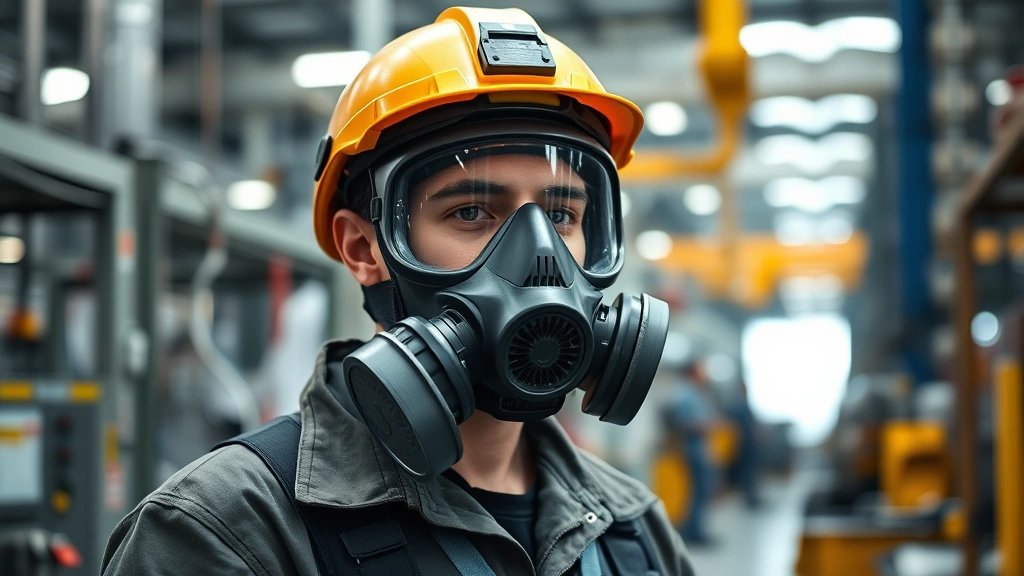
Are Full Face Gas Masks Eco-Friendly? A Comprehensive Sustainability Analysis
Full face gas masks serve critical protective functions in industrial, military, and emergency response settings, but their environmental impact raises important sustainability questions. These devices, designed to shield users from hazardous airborne substances, involve complex manufacturing processes, material sourcing, and disposal considerations that extend far beyond their immediate protective purpose. Understanding whether full face gas masks align with ecological principles requires examining their entire lifecycle—from raw material extraction through manufacturing, usage, and eventual disposal.
The intersection of personal safety equipment and environmental responsibility presents a nuanced challenge in modern sustainability discussions. While protecting human health remains paramount, we must also consider how our safety choices affect planetary health. This analysis explores the eco-friendly aspects of full face gas masks, their environmental drawbacks, and potential pathways toward more sustainable protective equipment solutions. Whether you’re an industrial worker, emergency responder, or concerned citizen, understanding these trade-offs helps inform responsible purchasing and usage decisions.
Understanding Full Face Gas Mask Construction
Full face gas masks represent sophisticated pieces of protective equipment combining multiple material layers and components. The facepiece typically consists of elastomeric rubber or silicone, designed to create an airtight seal against the user’s face. These masks include exhalation valves, inhalation ports, and filter cartridge connections, each contributing to overall functionality and protective capacity. The complexity of their construction directly influences their environmental footprint throughout their operational lifespan.
Modern full face gas masks incorporate several key components: the rubber or silicone facepiece, internal lens assembly with anti-fog coatings, speaking diaphragm, exhalation valve assembly, and cartridge connection threads. Many units feature adjustable head harnesses made from nylon or polyester webbing, further adding to material diversity. This multi-component design, while ensuring superior protection and user comfort, creates challenges when considering definition of sustainability principles that prioritize material efficiency and waste reduction.
The filter cartridges themselves represent consumable components requiring regular replacement. These cartridges contain activated carbon, particulate filters, and chemical absorbents, each serving specific protective functions. Understanding that full face gas masks function as systems rather than single-use items helps clarify their environmental profile, as the reusable facepiece can service multiple filter replacements over years of use.
Environmental Impact of Manufacturing
Manufacturing full face gas masks involves energy-intensive processes that significantly contribute to their environmental footprint. Injection molding of elastomeric facepieces requires substantial thermal energy, while chemical processing of rubber and silicone compounds generates emissions and waste streams. The production facilities must maintain strict quality control standards, often necessitating multiple testing and validation cycles that consume additional resources and energy.
The synthesis of elastomeric materials used in facepieces relies on petrochemical feedstocks, connecting mask production to fossil fuel extraction and refining industries. Each manufacturing step—from raw material processing through assembly, quality assurance, and packaging—contributes to cumulative greenhouse gas emissions. When considering whether these masks align with how to reduce your environmental footprint, manufacturers must address energy consumption across their entire production pipeline.
Packaging materials add another environmental dimension to manufacturing impacts. Full face gas masks typically arrive in plastic containers, foam inserts, and cardboard boxes designed for protection during transport. While necessary for product integrity, these packaging materials often end up in landfills or recycling streams, representing additional waste generation. Progressive manufacturers increasingly implement recyclable packaging solutions and minimize excess materials, though industry-wide adoption remains inconsistent.
Material Sourcing and Extraction
The sourcing of materials for full face gas mask production raises significant environmental concerns centered on resource extraction. Silicone and rubber production depends on crude oil extraction, a process with well-documented environmental consequences including habitat disruption, water contamination, and greenhouse gas emissions. The mining and processing of mineral fillers used in elastomeric compounds further contributes to ecosystem degradation and carbon emissions.
Activated carbon used in filter cartridges typically derives from coal, coconut shell, or wood sources. Coal-based activated carbon production involves mining operations with substantial environmental impacts, while coconut-based alternatives raise questions about agricultural land use and deforestation pressures. Understanding these supply chain complexities reveals that full face gas masks connect to broader environmental issues extending far beyond the finished product.
Metal components in mask assemblies—including stainless steel connectors, valves, and internal hardware—require mining and metallurgical processing. While metals offer durability advantages enabling product longevity, their extraction remains environmentally costly. The green technology innovations transforming our future increasingly focus on optimizing material efficiency and developing bio-based alternatives to traditional petroleum-derived compounds used in protective equipment manufacturing.

Lifecycle Assessment of Protective Equipment
Comprehensive lifecycle assessment (LCA) provides the most accurate framework for evaluating full face gas mask environmental impact. This methodology examines four distinct phases: raw material extraction, manufacturing and processing, transportation and distribution, and use followed by disposal. Each phase generates environmental costs measured in carbon emissions, resource consumption, water usage, and waste generation.
The extraction phase encompasses logging, mining, and oil drilling activities necessary to obtain feedstock materials. Manufacturing phase impacts include energy consumption, chemical processing emissions, and waste generation at production facilities. Transportation phase considerations involve shipping masks from manufacturing sites to distribution centers and end-users, with carbon intensity varying based on shipping methods and distances. The use phase, while not generating direct manufacturing emissions, determines the mask’s effective environmental cost through its operational lifespan.
Studies examining protective equipment LCA suggest that product longevity significantly influences overall environmental impact. A full face gas mask used for ten years distributes its manufacturing and transportation impacts across a decade of protective service, reducing per-use environmental cost. Conversely, masks discarded after brief periods concentrate environmental burdens across shorter usage windows. This analysis underscores why durability and appropriate utilization directly influence whether these masks qualify as environmentally responsible choices.
Reusability and Durability Factors
Full face gas masks distinguish themselves from many protective equipment options through their reusability potential. Unlike disposable respirators discarded after single or limited use, full face gas masks can function reliably for years when properly maintained. This characteristic substantially improves their environmental profile compared to single-use alternatives, distributing manufacturing impacts across extended operational periods.
The elastomeric facepiece typically remains functional for five to ten years with appropriate care, including regular cleaning, proper storage away from direct sunlight and heat, and periodic inspection for seal degradation. This extended lifespan allows the same facepiece to accommodate multiple filter cartridge replacements, each addressing specific contamination challenges. The durability advantage becomes particularly pronounced in industrial settings where workers require consistent respiratory protection over extended employment periods.
Proper maintenance protocols significantly enhance mask longevity and environmental sustainability. Users who clean masks after each use, store them in protective cases, and inspect seals regularly extend product lifespan substantially. Conversely, neglectful storage or inadequate maintenance can prematurely degrade elastomeric materials through UV exposure, heat damage, or ozone deterioration, reducing environmental benefits of the initial manufacturing investment. Educational initiatives emphasizing proper care directly improve the sustainability profile of full face gas mask deployment.
Disposal and End-of-Life Concerns
End-of-life management represents a significant environmental challenge for full face gas masks. When elastomeric facepieces reach end-of-service, their disposal options remain limited. Rubber and silicone materials resist biodegradation, persisting in landfills for decades or centuries. Incineration, while reducing landfill volume, generates air emissions and captures no material value from the original product.
Filter cartridges present additional disposal complications. The activated carbon and chemical absorbents used in filters cannot be simply discarded as general waste. Many jurisdictions classify spent cartridges as hazardous materials when saturated with captured contaminants, requiring specialized disposal through licensed facilities. This regulatory complexity and associated costs create barriers to responsible end-of-life management, particularly for individual users.
Recycling infrastructure for protective equipment remains underdeveloped in most regions. Few facilities possess capability to recover elastomeric materials from facepieces or reclaim activated carbon from spent filters. The absence of established take-back programs or recycling incentives means most decommissioned masks ultimately reach landfills. Addressing this gap requires industry collaboration to develop collection systems and recycling technologies, transforming masks from end-of-life waste into material inputs for new products.
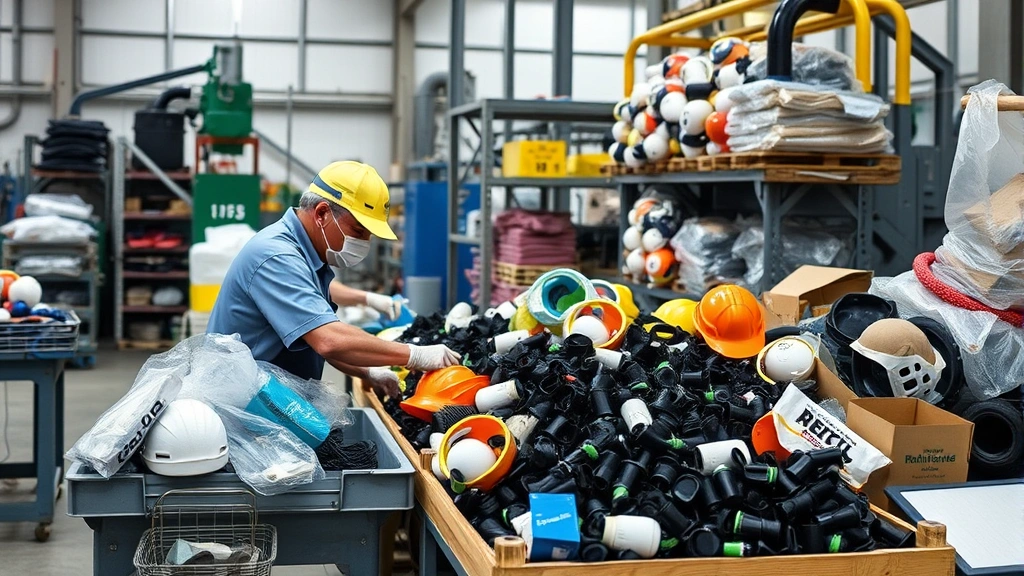
Comparative Analysis with Alternatives
Evaluating full face gas mask sustainability requires comparison with alternative respiratory protection options. Disposable respirators, while convenient and initially less expensive, generate substantially more waste per unit of protection provided. A worker using disposable N95 masks daily generates approximately 250 masks annually, each destined for landfills. Over a ten-year career, this represents 2,500 individual waste items compared to the single reusable full face mask alternative.
Half-mask respirators occupy a middle ground, offering reusability with less complex construction than full face options. However, their reduced facepiece coverage limits applicability in certain hazardous environments, potentially necessitating full face masks for adequate protection. The choice between respiratory protection types should consider specific hazard profiles rather than assuming all alternatives offer equivalent environmental benefits.
Powered air-purifying respirators (PAPRs) introduce additional complexity through battery-powered blower components and electronic systems. While PAPRs reduce user exhalation resistance, their electrical components and battery requirements create different environmental considerations. The energy consumption of PAPR operation over extended use periods may offset sustainability advantages of reusability, depending on electricity grid carbon intensity.
Understanding these comparative contexts helps frame full face gas masks within broader sustainability discussions. They represent a middle-ground option—more sustainable than disposable alternatives but less efficient than engineering controls that eliminate hazards at the source. Comprehensive workplace safety strategies should prioritize hazard elimination and engineering controls while recognizing that respiratory protection remains necessary in many legitimate occupational contexts.
Sustainable Improvements in Development
Progressive manufacturers increasingly pursue sustainability improvements across full face gas mask design and production. Bio-based elastomeric materials derived from renewable sources offer potential alternatives to petroleum-dependent rubber and silicone compounds. Research into plant-derived polymers and mycelium-based composites could eventually reduce fossil fuel dependency while maintaining protective performance standards.
Manufacturing process innovations focus on reducing energy consumption and waste generation. Advanced injection molding techniques minimize material waste during facepiece production, while optimized production scheduling reduces facility energy demands. Some manufacturers implement renewable energy sources—solar, wind, or hydroelectric power—to offset operational carbon footprints, aligning production with sustainable energy solutions.
Filter cartridge improvements represent another development area with significant sustainability potential. Research into activated carbon alternatives, including agricultural waste-derived charcoals and synthetic absorbents, could reduce reliance on coal-based activated carbon. Extended-life cartridge designs that maintain protective capacity longer before requiring replacement would directly reduce consumable waste generation.
Product design innovations increasingly emphasize modularity and repairability. Masks designed for straightforward component replacement—such as lens assemblies, valves, and harnesses—extend overall product lifespan by addressing wear in specific components rather than requiring complete mask replacement. This design philosophy aligns with circular economy principles discussed in broader SustainWise Hub Blog sustainability content.
Take-back programs and recycling infrastructure development represent crucial policy-level improvements. Manufacturers establishing collection systems for end-of-life masks, combined with investments in recycling technology development, could transform protective equipment disposal from linear waste streams to circular material cycles. Extended producer responsibility frameworks, where manufacturers bear end-of-life management costs, incentivize sustainable design from conception.
Industry Standards and Certifications
Occupational Safety and Health Administration (OSHA) standards and National Institute for Occupational Safety and Health (NIOSH) certifications establish protective performance requirements that sometimes conflict with sustainability objectives. These regulatory frameworks prioritize worker protection, appropriately, but rarely address environmental considerations in certification criteria. This disconnect means manufacturers cannot claim sustainability benefits when protective performance remains the paramount concern.
Emerging standards increasingly incorporate environmental considerations alongside safety requirements. Life cycle assessment methodologies gain recognition in product development and procurement decisions. Some organizations now evaluate respiratory protective equipment using both safety and sustainability metrics, creating market incentives for manufacturers to address environmental impacts without compromising protective function.
Green certification programs offer consumers clearer pathways to identify more sustainable mask options. Certifications addressing manufacturing energy efficiency, material sourcing practices, and end-of-life management help differentiate products based on environmental performance. However, industry-wide adoption of consistent environmental standards remains limited, requiring consumers to conduct independent research when prioritizing sustainability.
Practical Recommendations for Sustainable Use
Organizations and individuals seeking to minimize environmental impacts while maintaining necessary respiratory protection should implement several evidence-based strategies. First, conduct thorough hazard assessments to determine whether respiratory protection genuinely requires full face mask deployment or whether less protective alternatives suffice. Engineering controls and administrative measures should receive priority consideration before relying on personal protective equipment.
When full face masks prove necessary, selecting durable, high-quality equipment from manufacturers demonstrating environmental commitment provides meaningful impact reduction. Investing in masks likely to function reliably for extended periods distributes manufacturing impacts across longer operational lifespans. Establishing proper maintenance protocols through employee training ensures maximum product longevity and sustained protective performance.
Implementing filter cartridge management systems that track replacement schedules prevents premature disposal of cartridges with remaining protective capacity. Some organizations establish cartridge reactivation programs, exposing saturated cartridges to heat or activated air to restore functionality temporarily, extending service life before disposal becomes necessary. While not applicable in all contamination scenarios, this approach reduces waste in appropriate applications.
Procurement policies should prioritize manufacturers demonstrating environmental responsibility through transparent reporting of manufacturing impacts, renewable energy usage, and end-of-life management programs. Collective purchasing power from organizations can incentivize manufacturers to improve sustainability practices. Engaging suppliers in sustainability dialogue signals market demand for environmentally conscious protective equipment development.
Participation in industry initiatives addressing protective equipment sustainability creates broader system change. Supporting advocacy for extended producer responsibility frameworks, circular economy business models, and improved recycling infrastructure helps transform sector-wide practices. Individual consumer choices, while important, require complementary policy-level changes to achieve substantial environmental improvements.
Frequently Asked Questions
Are full face gas masks biodegradable?
No, full face gas masks are not biodegradable. The elastomeric rubber and silicone materials used in facepieces resist natural decomposition, persisting in landfills for decades or centuries. This characteristic makes proper end-of-life management particularly important, as these masks cannot be safely returned to natural ecosystems.
How long can a full face gas mask be used?
A quality full face gas mask facepiece typically remains functional for five to ten years with proper maintenance and storage. The reusable nature of the facepiece, combined with replaceable filter cartridges, makes full face masks more sustainable than single-use respiratory protection alternatives when considering environmental impact across extended operational periods.
Can full face gas masks be recycled?
Currently, recycling infrastructure for full face gas masks remains limited in most regions. Specialized recycling facilities capable of processing elastomeric materials and recovering activated carbon from filter cartridges are uncommon. Developing comprehensive recycling programs represents a key priority for improving protective equipment sustainability.
What environmental impact do filter cartridges have?
Filter cartridges generate significant environmental impacts through activated carbon production, chemical absorbent manufacturing, and disposal challenges. Coal-based activated carbon production involves mining operations, while replacement cartridges represent consumable waste. Extended-life cartridge designs and alternative activated carbon sources from renewable materials could substantially reduce this environmental burden.
Are there eco-friendly alternatives to full face gas masks?
While no perfect eco-friendly alternative exists for all applications, several options merit consideration. Disposable respirators generate more total waste over time. Half-mask respirators reduce material consumption for appropriate hazards. Engineering controls and hazard elimination represent the most environmentally responsible approaches by eliminating the need for respiratory protection entirely.
How can organizations make mask use more sustainable?
Organizations can improve sustainability by conducting thorough hazard assessments to confirm respiratory protection necessity, selecting durable masks from environmentally conscious manufacturers, implementing rigorous maintenance protocols to extend product lifespan, tracking filter cartridge replacement schedules to prevent premature disposal, and supporting industry initiatives developing improved recycling infrastructure and sustainable manufacturing practices.


