Gas vs. Charcoal: Eco-Friendly BBQ Tips for Sustainable Grilling
Grilling season brings joy to outdoor gatherings, but the environmental impact of your chosen cooking method matters more than you might realize. Whether you’re a casual backyard chef or a dedicated pitmaster, understanding the ecological footprint of gas and charcoal grilling helps you make informed decisions that align with your sustainability goals. The choice between these two popular grilling methods involves examining carbon emissions, fuel sourcing, efficiency, and long-term environmental consequences.
Many homeowners are now discovering the benefits of gas and charcoal grill combos, which offer flexibility to choose the most sustainable option for each grilling occasion. This hybrid approach allows you to minimize environmental impact while enjoying the unique flavors and benefits each fuel source provides. By exploring the nuances of both methods and adopting eco-conscious grilling practices, you can reduce your household’s carbon footprint while still creating delicious outdoor meals.
Understanding Gas Grilling and Its Environmental Impact
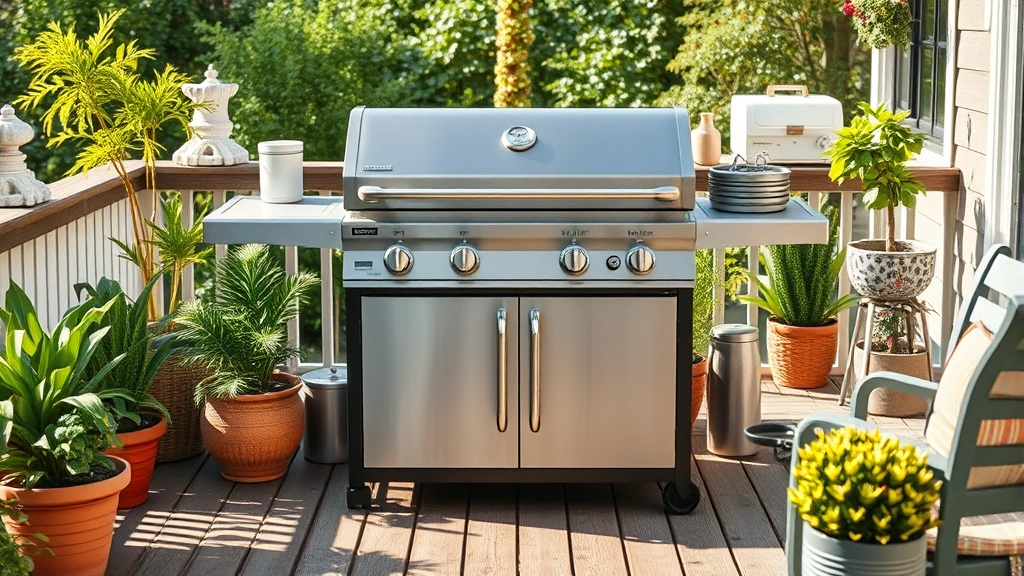
Natural gas grilling offers several environmental advantages that make it an appealing choice for eco-conscious consumers. Gas grills burn cleaner than charcoal, producing fewer particulates and volatile organic compounds. When you use a quality gas grill, combustion is more complete, meaning less wasted fuel and reduced emissions per meal cooked.
The efficiency advantage of gas grilling is significant. Gas grills typically reach cooking temperature within 10-15 minutes, compared to 30-45 minutes for charcoal. This rapid heat-up time reduces overall fuel consumption and energy waste. Additionally, gas provides precise temperature control, allowing you to optimize cooking conditions and avoid overcooking, which wastes food and the energy used to prepare it.
However, natural gas extraction and distribution carry their own environmental considerations. Methane leakage during production and transportation can offset some efficiency gains. Propane, another common gas grilling fuel, has a higher carbon footprint per unit than natural gas but remains cleaner than charcoal in most lifecycle analyses. Consider sourcing your gas from suppliers committed to leak prevention and sustainable practices.
When evaluating sustainable energy solutions for your home, natural gas grilling fits within a broader strategy of reducing household emissions. The infrastructure already exists in many communities, making gas a practical choice for immediate sustainability improvements.
Charcoal Grilling: Benefits and Ecological Considerations
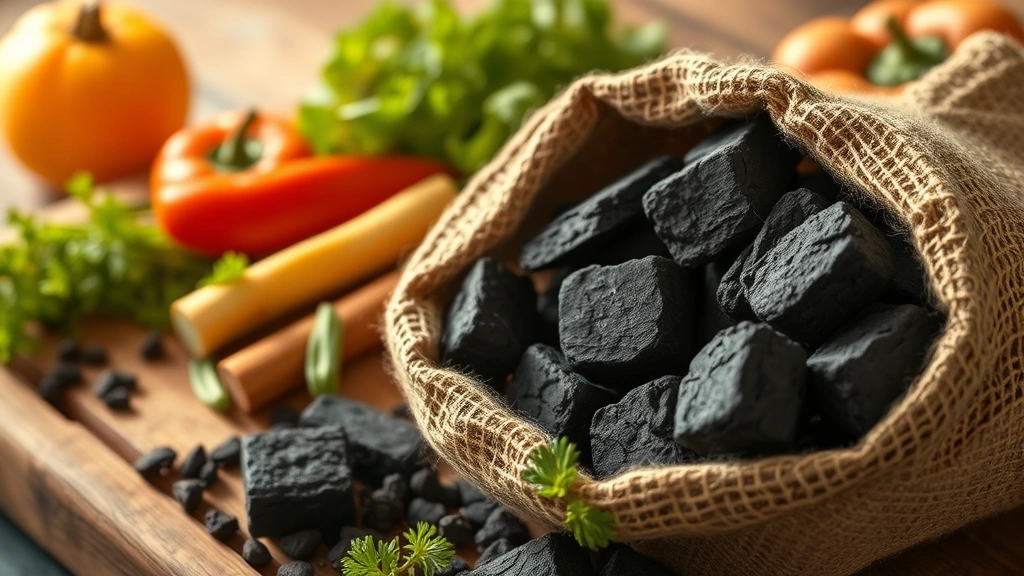
Charcoal grilling carries romantic appeal and culinary advantages, but its environmental profile requires careful examination. Traditional charcoal production involves heating wood in low-oxygen environments, a process that releases methane and carbon dioxide. The carbon intensity of charcoal depends heavily on sourcing practices and whether the wood comes from sustainably managed forests or cleared landscapes.
One significant environmental concern involves deforestation linked to charcoal production in developing nations. Unsustainable harvesting practices deplete forests without replanting, destroying carbon sinks and wildlife habitats. This makes reducing your environmental footprint through charcoal choices more complex than simply selecting the fuel source.
That said, responsibly sourced charcoal presents opportunities for sustainable grilling. Look for charcoal certified by organizations like the Forest Stewardship Council (FSC), which ensures wood comes from responsibly managed forests. Some producers create charcoal from agricultural waste and sawmill byproducts, converting materials that would otherwise decompose or burn into useful fuel. This circular economy approach significantly reduces the environmental impact compared to virgin wood charcoal.
Charcoal offers superior flavor development through the Maillard reaction and smoke infusion, advantages that justify its use for special occasions or specific dishes. The key is using it intentionally rather than as your default grilling method, reserving it for situations where its unique properties add meaningful value.
Comparing Emissions: Natural Gas vs. Charcoal
Scientific analysis of emissions from gas versus charcoal grilling reveals nuanced trade-offs. According to lifecycle assessment studies, natural gas produces approximately 5-6 kg of CO2 equivalent per grilling session, while charcoal generates 8-15 kg depending on sourcing and production methods. This 30-60% difference favors gas when charcoal originates from unsustainable sources.
However, these calculations depend on several variables: fuel transportation distances, extraction methods, cooking efficiency, and how completely the fuel burns. Propane grills occupy a middle ground, producing 6-8 kg CO2 equivalent per session. Electric grills powered by renewable energy represent the lowest-impact option, though they’re less common for outdoor cooking.
The natural gas fireplace comparison illustrates how different applications affect environmental impact. Similar efficiency principles apply to grilling: direct heating with minimal waste, complete combustion, and rapid temperature achievement all reduce overall emissions.
Beyond carbon emissions, consider particulate matter and air quality impacts. Charcoal grilling produces more visible smoke and releases more harmful particulates into the atmosphere. For those in areas with air quality concerns, gas grilling represents a more responsible choice. Conversely, gas grills may release small amounts of unburned methane, a potent greenhouse gas, though modern equipment minimizes this issue.
When evaluating total environmental impact, examine your specific circumstances. If you have access to FSC-certified, waste-based charcoal and use it sparingly, the emissions difference may be negligible compared to propane. If charcoal comes from unsustainable sources, natural gas becomes the clearly superior choice.
The Case for Hybrid Grilling Solutions
The gas and charcoal grill combo represents an elegant solution for environmentally conscious grillers seeking flexibility without excessive resource consumption. These dual-fuel systems allow you to choose the most appropriate fuel for each cooking scenario, optimizing both environmental impact and culinary results.
Using a combination grill strategically means deploying gas for routine weeknight cooking and everyday entertaining. Gas handles these frequent, straightforward applications with maximum efficiency. Reserve charcoal for special occasions, competition-style cooking, or dishes where smoke flavor justifies the higher environmental cost. This approach reduces overall charcoal consumption while preserving the option to enjoy its unique properties when it truly matters.
Hybrid grills also encourage more intentional grilling habits. Rather than defaulting to your primary fuel regardless of circumstances, you actively consider which option best serves your current needs. This mindfulness extends to fuel quantity, cooking duration, and food waste, creating a more sustainable overall practice.
The investment in a quality combination grill pays dividends through reduced fuel costs over time. Gas becomes your economical default for frequent use, while charcoal consumption drops naturally when you reserve it for special purposes. Many users find their charcoal bags last an entire season rather than requiring monthly replacement.
When exploring sustainability resources and grilling guides, you’ll find increasing recognition of hybrid systems as the practical middle ground between environmental responsibility and culinary enjoyment. This balanced approach resonates with consumers unwilling to sacrifice quality or convenience for sustainability principles.
Sustainable Grilling Best Practices
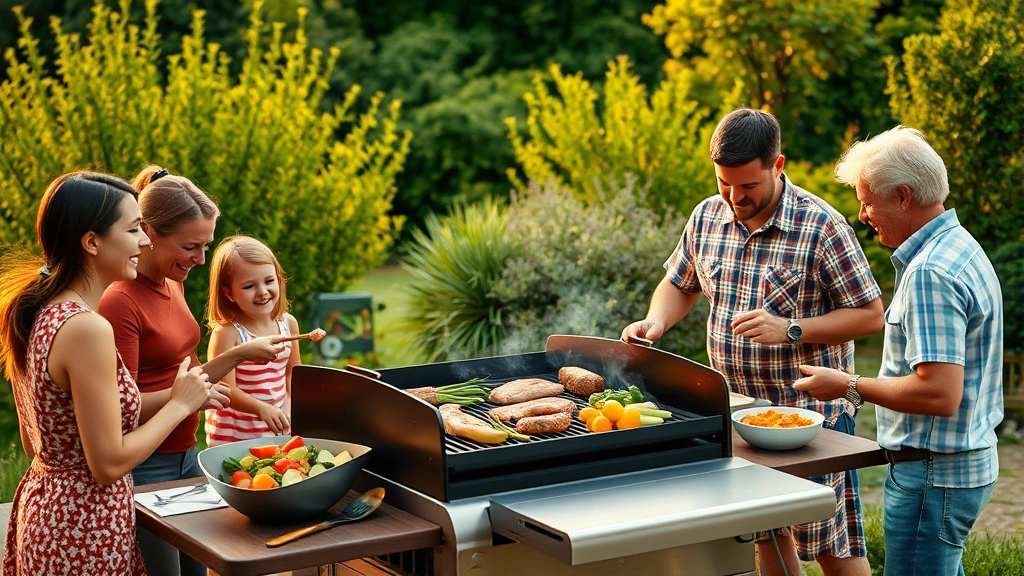
Regardless of your fuel choice, implementing sustainable grilling practices magnifies your environmental benefits. Start with grill maintenance: clean cooking grates regularly, inspect seals, and ensure burners or vents function optimally. Well-maintained equipment operates more efficiently, requiring less fuel and producing better results.
Preheat strategically. While gas grills heat quickly, charcoal requires longer preheat times. Plan your cooking schedule to minimize preheating duration. For gas, keep preheat under 10 minutes; for charcoal, prepare coals while assembling ingredients to multitask efficiently.
Optimize food placement and cooking techniques. Direct heat grilling for quick-cooking items uses less fuel than indirect heat methods requiring extended cooking times. Arrange coals or burners to create distinct temperature zones, allowing precise heat management. Thaw frozen foods beforehand, reducing cooking time and fuel consumption significantly.
Manage portion sizes and food waste thoughtfully. Smaller, well-planned meals reduce fuel consumption compared to oversized grilling sessions with leftover food. Marinate proteins to enhance flavor and reduce cooking time. Use vegetable scraps and trimmings for stocks rather than discarding them, creating a closed-loop system.
Cover your grill when not in use. A quality cover prevents debris accumulation and weather damage, extending equipment lifespan and maintaining efficiency. Longer-lasting grills reduce the manufacturing emissions associated with replacements.
Consider your grilling frequency and adjust your approach accordingly. Heavy users benefit more from investing in premium, efficient equipment. Occasional grillers can maximize sustainability by choosing smaller, simpler models and cooking with careful attention to fuel efficiency.
Fuel Sourcing and Certification Standards
The environmental impact of your grilling fuel depends significantly on sourcing practices. For charcoal, seek Forest Stewardship Council (FSC) certification, which guarantees responsible forestry practices. FSC-certified charcoal comes from sustainably managed forests where harvesting doesn’t exceed growth rates and biodiversity receives protection.
Biochar and waste-based charcoal represent increasingly available sustainable options. These products convert agricultural residues, sawmill waste, and forestry byproducts into fuel rather than allowing them to decompose or burn. Choosing waste-based charcoal supports circular economy principles and reduces pressure on forests.
For natural gas, research your supplier’s practices regarding methane leak prevention and pipeline maintenance. Some utilities invest heavily in infrastructure improvements to minimize fugitive emissions. Supporting these providers through conscious consumption encourages industry-wide improvements.
Propane sourcing deserves similar consideration. While propane is often a byproduct of natural gas processing and crude oil refining, responsible suppliers implement leak detection and repair programs. Ask your propane provider about their environmental commitments before establishing service.
Look for certifications beyond fuel sourcing. The EPA’s Air Quality Standards establish emissions limits for grilling equipment. Grills meeting or exceeding these standards produce fewer harmful pollutants, benefiting both your health and local air quality.
Some regions offer carbon offset programs allowing you to neutralize grilling emissions by supporting renewable energy or reforestation projects. These programs, while not replacing direct emissions reductions, provide additional environmental responsibility opportunities.
Efficiency Metrics and Long-Term Sustainability
Understanding efficiency metrics helps you evaluate which grilling approach aligns best with your sustainability values. Fuel efficiency, measured in BTUs (British Thermal Units) delivered per unit of fuel consumed, varies significantly between gas and charcoal systems.
Gas grills typically achieve 70-85% efficiency, meaning 70-85% of fuel energy reaches your food while 15-30% escapes as heat loss. Quality construction, proper insulation, and well-sealed designs improve these numbers. Charcoal grills range from 60-75% efficiency, depending on design and fuel quality. This efficiency gap narrows considerably when comparing premium charcoal systems to basic gas grills.
Heat retention represents another efficiency factor. Heavy-duty grills with thick walls and thermal mass retain heat better, reducing fuel consumption over extended cooking sessions. Investing in durable, well-insulated equipment pays environmental dividends through years of reduced fuel consumption.
Consider lifecycle environmental impact beyond direct fuel consumption. Manufacturing a grill involves energy, materials, and transportation. A higher-quality grill that lasts 15-20 years distributes manufacturing emissions across more meals than a budget model lasting 5 years. This long-term perspective supports investing in premium equipment as an environmental choice.
Seasonal grilling patterns affect your optimal fuel choice. Year-round grillers benefit most from gas efficiency and reliability. Seasonal users might justify charcoal’s higher environmental cost if they grill infrequently and value flavor enhancement. Understanding efficiency trade-offs, whether in vehicles or grilling equipment, helps you make choices aligned with your lifestyle and values.
Track your grilling practices over time. Monitor fuel consumption, cooking frequency, and results achieved. This data reveals your actual environmental impact and identifies opportunities for improvement. Many grillers discover that simple changes—better planning, equipment maintenance, fuel selection—reduce consumption by 20-30% without sacrificing quality or enjoyment.
FAQ
Is gas grilling really more environmentally friendly than charcoal?
Gas grilling generally produces 30-60% fewer emissions than charcoal, particularly when charcoal comes from unsustainable sources. However, responsibly sourced, waste-based charcoal narrows this gap significantly. For occasional use, the difference may be negligible, but for frequent grilling, gas’s superior efficiency makes it the greener choice in most scenarios.
What makes a gas and charcoal grill combo the best option?
Hybrid grills offer flexibility to choose the most sustainable fuel for each situation. Using gas for routine cooking and charcoal selectively for special occasions optimizes both environmental impact and culinary enjoyment. This balanced approach appeals to eco-conscious grillers unwilling to sacrifice flavor or convenience.
How can I identify truly sustainable charcoal?
Look for FSC (Forest Stewardship Council) certification, which guarantees responsible forestry practices. Biochar and waste-based charcoal products represent excellent alternatives, converting agricultural and forestry waste into useful fuel. Avoid charcoal from unknown sources, which often involves unsustainable deforestation.
What’s the most environmentally friendly grilling fuel overall?
Electric grills powered by renewable energy represent the lowest-impact option, though they’re less common for outdoor use. Among traditional fuels, natural gas edges out propane due to lower carbon intensity per BTU. However, hybrid approaches combining gas with sustainably sourced charcoal offer practical, balanced solutions for most grillers.
How does grill maintenance improve sustainability?
Well-maintained grills operate more efficiently, requiring less fuel and producing better results. Regular cleaning, seal inspection, and component maintenance prevent fuel waste and extend equipment lifespan. Longer-lasting grills reduce manufacturing emissions associated with replacements, amplifying your sustainability efforts.
Should I replace my current grill to be more sustainable?
Premature replacement generates manufacturing waste and defeats sustainability goals. Optimize your existing equipment through maintenance, fuel selection, and intentional cooking practices. When replacement becomes necessary, choose durable, efficient models designed for longevity. This approach maximizes environmental benefit from your investment.


