
Eco-Friendly Gardening: Is Gas Blower Sustainable? A Craftsman Analysis
When maintaining a beautiful garden, the tools we choose have far-reaching environmental consequences. A gas blower, particularly models like the Craftsman gas blower, represents a common dilemma for eco-conscious gardeners: convenience versus sustainability. These powerful machines make yard maintenance easier, but their fossil fuel consumption and emissions raise important questions about their place in environmentally responsible gardening practices.
The sustainability of gas-powered equipment has become increasingly scrutinized as climate change accelerates and communities seek greener alternatives. Understanding whether a gas blower aligns with your environmental values requires examining its emissions profile, operational costs, and available alternatives. This comprehensive guide explores the sustainability implications of gas blowers and helps you make informed decisions for your garden.
Environmental Impact of Gas Blowers
Gas-powered blowers, including Craftsman models, operate by burning fossil fuels to generate the force needed for leaf and debris removal. This combustion process releases several harmful pollutants into the atmosphere, contributing to both local air quality issues and global climate change. A single gas blower can emit as much pollution in one hour as driving a car for 100 miles, according to research from environmental protection agencies.
The primary environmental concerns include:
- Carbon Dioxide Emissions: Burning gasoline releases CO2, a greenhouse gas directly contributing to climate change. A typical gas blower emits approximately 300-600 pounds of CO2 annually with regular use.
- Volatile Organic Compounds (VOCs): These precursors to ground-level ozone formation damage respiratory health and contribute to smog formation in urban and suburban areas.
- Nitrogen Oxides: NOx emissions from gas engines contribute to acid rain and respiratory disease, with particular impacts on children and elderly populations.
- Particulate Matter: Fine particles released during combustion penetrate deep into lungs, causing long-term health complications.
Beyond air pollution, gas blower sustainability concerns extend to fuel extraction, refining, and transportation. The entire lifecycle of gasoline involves environmental degradation at multiple stages. When you purchase fuel for your Craftsman gas blower, you’re participating in a supply chain with substantial environmental costs that extend far beyond your backyard.
Noise pollution represents another underappreciated environmental impact. Gas blowers operate at 80-90 decibels, disrupting wildlife habitats and community peace. This acoustic pollution affects bird navigation, insect communication, and human well-being, making it an often-overlooked sustainability factor in garden equipment selection.
Comparing Fuel Sources for Garden Equipment
Understanding different fuel options helps contextualize where gas blowers fit within the broader sustainability landscape. Each fuel source carries distinct environmental implications that affect your decision-making process.
Gasoline (Traditional Gas Blowers): The conventional choice for decades, gasoline remains widely available but carries the highest environmental burden among common options. Gasoline engines typically achieve 20-30% fuel efficiency, meaning most energy becomes wasted heat rather than productive work. This inefficiency compounds environmental damage while increasing operational costs for homeowners.
Battery-Powered Equipment: Lithium-ion battery technology has revolutionized garden tool sustainability. These systems produce zero direct emissions during operation and dramatically reduce noise pollution. When charged using renewable energy sources, battery-powered tools become genuinely sustainable options. Even when charged from conventional grids, they produce fewer lifetime emissions than gas equivalents due to superior efficiency rates of 80-90%.
Electric Corded Tools: Plug-in electric blowers offer consistent power without battery limitations. Their sustainability depends entirely on your regional electricity grid composition. Areas with high renewable energy penetration make corded tools excellent choices, while regions relying on coal power reduce but don’t eliminate environmental concerns.
Manual and Human-Powered Options: The most sustainable approach involves traditional rakes and brooms. While labor-intensive, these methods produce zero emissions and offer health benefits through physical activity. However, they’re impractical for large properties or heavy debris accumulation, making them supplementary rather than primary solutions for most gardeners.
A comprehensive review of sustainable energy solutions reveals that battery and electric technologies consistently outperform gas-powered equipment across lifecycle assessments when considering manufacturing, operation, and disposal phases.
Electric and Battery-Powered Alternatives
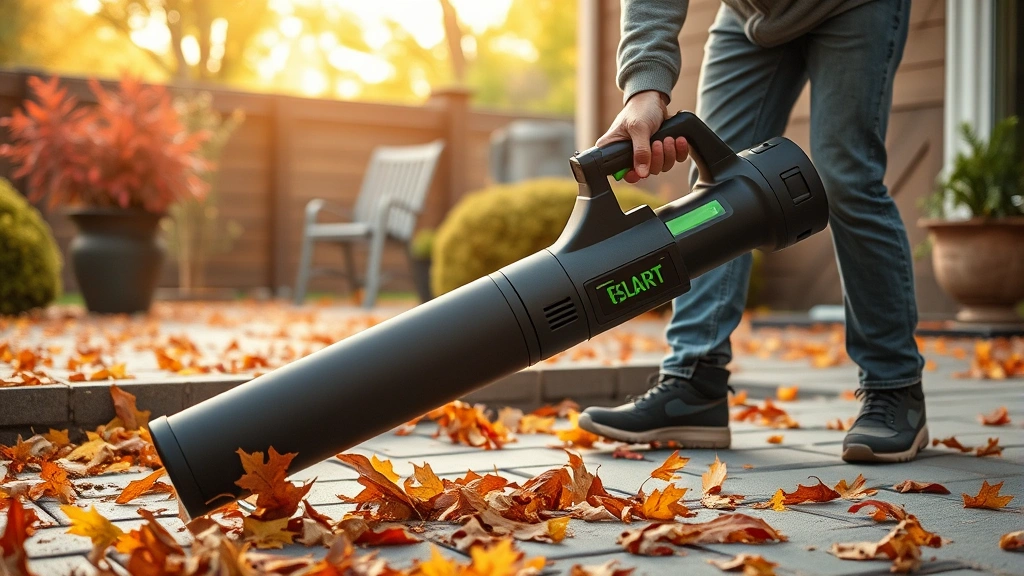
Modern electric and battery-powered blowers have eliminated many traditional compromises that made gas equipment seem necessary. Today’s alternatives offer genuine sustainability benefits without sacrificing performance or convenience.
Battery-Powered Blower Technology: Contemporary lithium-ion batteries provide runtime sufficient for residential properties, typically 30-45 minutes per charge. This covers most suburban lots, with the ability to swap batteries for extended projects. Modern systems from reputable manufacturers deliver air speeds comparable to gas models while operating at significantly lower noise levels, typically 60-70 decibels.
The sustainability advantages extend throughout the product lifecycle. Battery manufacturing has improved dramatically, with recycling programs now recovering 95% of materials from spent batteries. This circular economy approach minimizes resource extraction impacts and extends material lifecycles. When you choose battery-powered equipment, you support developing infrastructure for responsible battery management.
Corded Electric Blowers: For those with consistent yard access and moderate property sizes, corded electric blowers offer unlimited runtime with zero emissions. Modern designs feature lightweight construction and modern ergonomics, eliminating the disadvantages that older corded tools presented. The primary limitation involves cord length and extension cord management, making them ideal for properties under one acre.
Performance Comparisons: Battery and electric blowers now match gas-powered equipment in air speed and volume for residential applications. The Craftsman gas blower comparison reveals that modern electric alternatives achieve equivalent debris clearing capability while consuming significantly less energy. For most homeowners, this performance parity eliminates the primary argument for gas equipment.
Transitioning toward green technology innovations in garden equipment represents practical climate action. When multiplied across millions of households, switching from gas to electric blowers prevents substantial carbon emissions and improves local air quality.
The True Cost of Ownership
Sustainability analysis extends beyond environmental metrics to encompass economic realities that influence long-term decisions. Understanding total cost of ownership reveals that gas blowers often cost more over their lifespan than sustainable alternatives.
Fuel Costs: A gas blower consumes approximately 0.5-1 gallon of fuel monthly during active season. At current prices, this represents $30-60 in annual fuel expenses for regular users. Over a decade, fuel costs alone accumulate to $300-600, not accounting for price inflation or supply disruptions.
Maintenance Requirements: Gas engines require seasonal maintenance including spark plug replacement, air filter cleaning, carburetor servicing, and fuel stabilization. These tasks cost $50-150 annually when performed professionally, or require significant DIY time investment. Battery and electric tools eliminate these expenses entirely, requiring only occasional cleaning and storage care.
Repair Costs: Gas engine repairs become increasingly expensive as equipment ages. Carburetor issues, fuel line deterioration, and engine seizure from improper storage represent common problems. Repair costs often exceed $100-300, sometimes approaching equipment replacement value. Battery-powered tools feature simpler designs with fewer failure points and lower repair costs when issues arise.
Replacement Frequency: Gas blowers typically operate for 5-10 years before major repairs become uneconomical. Battery-powered equipment lasts 10-15 years, with battery replacement costs around $100-200 after 5-7 years of use. This extended lifespan reduces the frequency of manufacturing impacts and waste generation associated with equipment replacement.
A comprehensive cost analysis across a 15-year period typically shows electric or battery-powered blowers costing 30-50% less than gas alternatives when accounting for fuel, maintenance, repairs, and replacement cycles. This economic advantage strengthens the sustainability case by reducing resource consumption and manufacturing impacts.
When considering strategies to reduce your environmental footprint, equipment choices significantly influence your personal sustainability metrics. Switching to electric or battery-powered tools represents one of the highest-impact decisions for homeowners.
Best Practices for Sustainable Gardening
Choosing sustainable equipment represents only one component of environmentally responsible gardening. Adopting comprehensive practices multiplies the positive impact of equipment selection choices.
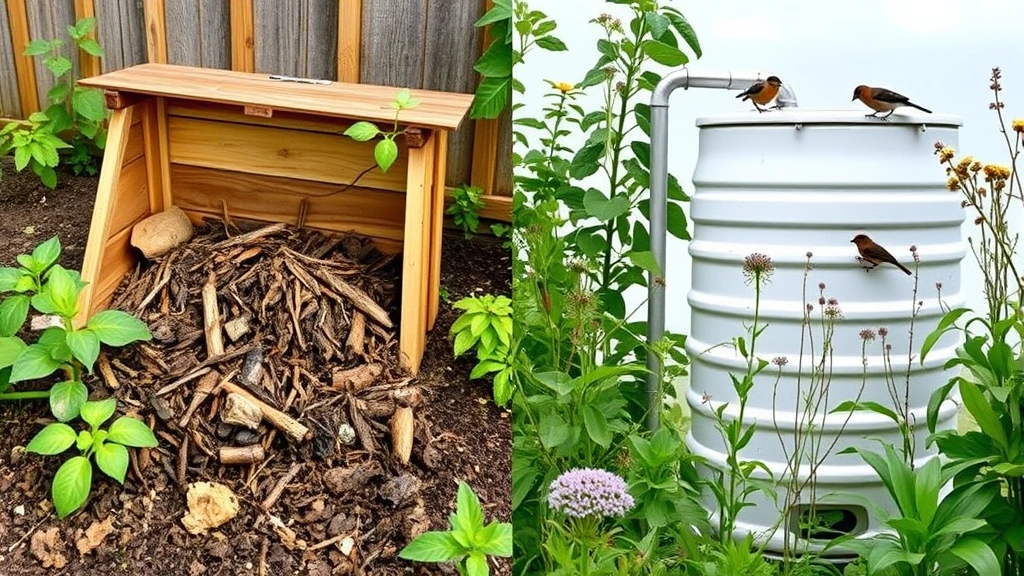
Composting and Organic Debris Management: Rather than blowing leaves into piles for disposal, consider composting autumn leaves and garden debris. This practice returns nutrients to soil, reduces landfill waste, and eliminates the need for chemical fertilizers. A simple compost bin transforms yard waste into black gold for garden beds, creating a closed-loop system that mimics natural forest ecosystems.
Native Plant Selection: Designing gardens around native plant species reduces maintenance requirements and equipment usage. Native plants evolved to thrive in local conditions, requiring less water, fewer pesticides, and minimal pruning. This fundamental redesign approach reduces the overall need for power equipment, addressing the root cause rather than merely managing symptoms.
Water Conservation Strategies: Sustainable gardening emphasizes water efficiency through mulching, drip irrigation, and appropriate plant selection. Installing rain barrels captures free water while reducing municipal demand. These water conservation practices often receive less attention than equipment choices but deliver comparable environmental benefits.
Pesticide Reduction: Moving away from chemical pest management protects soil ecosystems and water quality. Integrated Pest Management techniques, beneficial insect attraction, and companion planting create resilient gardens that require fewer chemical interventions and less intensive maintenance overall.
Seasonal Adjustment: Accepting natural seasonal variations reduces the perceived need for constant maintenance. Allowing leaves to decompose naturally in beds, tolerating some dormant-season growth, and working with natural cycles rather than against them fundamentally changes equipment requirements. This philosophical shift toward acceptance rather than control represents the deepest sustainability transformation.
The true definition of sustainability encompasses these holistic approaches, recognizing that individual equipment choices gain power when integrated into comprehensive environmental practices.
Making Your Choice: Gas vs. Alternatives
After examining environmental impacts, costs, and alternatives, the decision framework becomes clearer. Few homeowners genuinely require gas blowers, though specific situations justify their use.
When Gas Blowers Make Sense: Large commercial properties exceeding five acres, frequent professional landscaping operations, and extreme climate conditions creating exceptional debris loads represent legitimate gas blower applications. If you operate a landscaping business, the equipment investment cost becomes negligible compared to labor efficiency gains. However, even commercial operations increasingly transition to battery-powered equipment as technology advances.
When Electric and Battery Options Suffice: For 95% of homeowners with residential properties under two acres, battery and corded electric blowers deliver adequate performance. Suburban and urban gardeners almost universally find these alternatives suitable for their needs. The convenience of cordless operation combined with zero emissions and minimal maintenance creates compelling advantages.
When Manual Methods Prove Optimal: Small properties, conscientious gardeners, and those seeking health benefits through physical activity find traditional rakes and brooms entirely adequate. This approach costs nothing, produces zero emissions, and integrates physical activity into daily routines. For environmental purists, this represents the ideal sustainability choice.
Your specific situation—property size, debris volume, physical capabilities, and environmental values—should guide your decision. Rather than defaulting to gas equipment because it’s traditional, evaluate whether your genuine needs justify the environmental and economic costs. For most people, they don’t.
Reviewing sustainability perspectives across expert sources consistently reveals that equipment choices significantly influence household environmental impact. Making conscious decisions about garden tools represents practical climate action available to every homeowner.
FAQ
Are battery-powered blowers as powerful as gas blowers?
Modern battery-powered blowers achieve air speeds of 100-150 mph, matching most residential gas models. For typical homeowner applications, they deliver equivalent performance. Commercial-grade equipment may require more power, but residential properties rarely exceed battery capabilities.
How long do batteries last before requiring replacement?
Quality lithium-ion batteries typically maintain 80% capacity after 5-7 years of regular use. Complete battery replacement costs $100-200, far less than the cumulative fuel and maintenance costs for gas equipment. Many manufacturers now offer recycling programs for spent batteries.
Is the electricity to charge batteries sustainable?
This depends on your regional grid composition. Even in areas relying on fossil fuels, battery-powered tools produce fewer lifetime emissions than gas equivalents due to superior efficiency. As electrical grids incorporate more renewable energy, the sustainability advantage increases substantially.
Can I use a gas blower occasionally without significant environmental impact?
Even occasional use contributes meaningfully to environmental damage. A single hour of gas blower operation produces equivalent emissions to driving a car for 100 miles. Multiplied across millions of occasional users, this represents substantial collective impact. Sustainable choices matter regardless of frequency.
What should I do with my existing gas blower?
Rather than discarding functional equipment, consider donating it to someone who genuinely requires its power. If replacement becomes necessary, research recycling programs that recover metals and materials from old equipment. When purchasing replacements, prioritize sustainable alternatives to prevent future emissions.
Are corded electric blowers less convenient than cordless options?
Corded blowers eliminate battery concerns and provide unlimited runtime, making them superior for properties under one acre. The primary limitation involves cord length and extension cord management. For many homeowners, this represents a worthwhile tradeoff for unlimited operation time.
How much can I reduce my carbon footprint by switching from gas to electric?
Switching to battery or electric equipment eliminates approximately 300-600 pounds of annual CO2 emissions for regular users. Over a decade, this represents 3,000-6,000 pounds prevented, equivalent to planting 50-100 trees. Multiplied across household equipment choices, sustainable selections create measurable climate impact.


