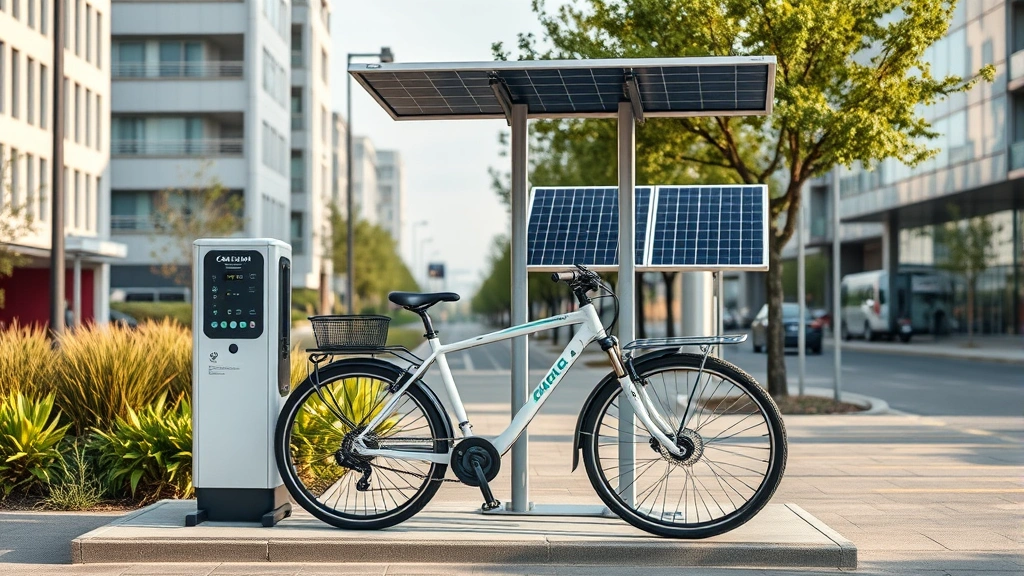
Gas Bike vs Electric: Comprehensive Environmental Impact Study
The debate between gas-powered bikes and electric bikes has intensified as environmental consciousness grows worldwide. Choosing between these two transportation methods involves understanding their complete lifecycle environmental footprints, from manufacturing through disposal. A gas bike represents traditional internal combustion engine technology, while electric bikes offer a modern, cleaner alternative. This comprehensive analysis examines the environmental implications of both options to help consumers make informed decisions aligned with sustainability goals.
Transportation accounts for approximately 27% of greenhouse gas emissions in the United States, making vehicle choices increasingly significant. Bicycles, whether powered by gasoline or electricity, represent a substantial reduction compared to automobiles. However, the environmental impact varies considerably between these two categories. Understanding these differences requires examining emissions, resource consumption, energy efficiency, and long-term sustainability implications.

Emissions Analysis: Gas vs Electric Bikes
Gas-powered bikes produce direct emissions during operation, releasing carbon dioxide, nitrogen oxides, and particulate matter into the atmosphere. A typical gas bike engine emits approximately 75-100 grams of CO2 per kilometer traveled, depending on engine efficiency and fuel quality. These emissions contribute directly to climate change and air pollution in urban environments where many riders operate their vehicles.
Electric bikes, by contrast, produce zero direct emissions during operation. However, the electricity powering these bikes originates from various sources, and this upstream emission calculation is critical for accurate environmental assessment. In regions relying heavily on renewable energy, electric bikes demonstrate substantially lower lifetime emissions. Even in areas dependent on fossil fuel-generated electricity, electric bikes typically produce 50-70% fewer emissions than their gas-powered counterparts.
The sustainability of energy sources directly impacts electric bike environmental credentials. Grid decarbonization efforts continue accelerating, meaning electric bikes become progressively cleaner as power generation shifts toward renewable sources. Gas bikes cannot benefit from this improving energy landscape, as their emissions remain static regardless of external infrastructure changes.
According to EPA transportation air quality data, small engines like those in gas bikes operate less efficiently than automotive engines, producing disproportionately high emissions relative to their size. This inefficiency makes the environmental case for electric alternatives particularly compelling.

Manufacturing Environmental Cost
Electric bike manufacturing requires significantly more resources upfront compared to gas bikes, particularly regarding battery production. Battery manufacturing involves energy-intensive processes and extraction of materials like lithium, cobalt, and nickel. These processes carry environmental costs including water consumption, habitat disruption, and chemical pollution at mining sites.
A typical electric bike battery (48V, 10Ah) requires approximately 150-200 kilowatt-hours of energy to manufacture, generating roughly 75-100 kilograms of CO2 equivalent. This substantial manufacturing footprint means electric bikes begin their operational life with an environmental “debt” that must be overcome through cleaner operation over time.
Gas bike manufacturing, while less resource-intensive initially, involves petroleum-based components and precision metal machining. The engines require fuel system components, lubricants, and catalytic converters, each contributing to manufacturing emissions. However, the total manufacturing footprint of a gas bike typically remains lower than an electric bike’s initial production impact.
The critical distinction emerges through the payback period—the operational timeframe required for electric bikes to offset their higher manufacturing emissions. Research indicates this occurs within 1,000-2,000 kilometers of typical usage, a threshold most regular riders exceed within their first year. After this payback point, every kilometer traveled provides net environmental benefit compared to gas alternatives.
Understanding how to reduce environmental footprint includes considering manufacturing impacts as part of broader sustainability strategies. Choosing electric bikes contributes to this goal despite initial production costs.
Energy Efficiency Comparison
Energy efficiency represents a fundamental distinction between gas and electric bike technologies. Electric bikes convert approximately 85-90% of electrical energy into motion, while gas bikes convert only 15-20% of fuel energy into mechanical work. This dramatic efficiency difference explains why electric bikes travel significantly further per unit of energy consumed.
A gas bike consuming one liter of gasoline travels roughly 30-40 kilometers, depending on engine size and riding conditions. An electric bike with equivalent energy content (measured in kilowatt-hour equivalents) travels 150-250 kilometers. This five-fold efficiency advantage makes electric bikes substantially more sustainable from an energy utilization perspective.
The efficiency advantage becomes even more pronounced when considering energy source renewable potential. Renewable electricity powers electric bikes increasingly, while gasoline remains a finite fossil fuel with no sustainable alternative. This fundamental difference positions electric bikes as the only truly sustainable long-term solution for bike-based transportation.
Regenerative braking systems on many modern electric bikes capture kinetic energy during deceleration, converting it back to battery charge. This feature further improves overall efficiency, potentially extending range by 10-15% in urban riding conditions with frequent stopping. Gas bikes offer no comparable efficiency-enhancing mechanism.
Lifecycle Assessment Overview
Comprehensive lifecycle assessment (LCA) methodology evaluates environmental impact across all product phases: raw material extraction, manufacturing, transportation, use, and end-of-life disposal. Conducting complete LCA for gas versus electric bikes reveals complex environmental trade-offs requiring holistic analysis.
Raw material extraction impacts differ substantially. Gas bike production relies on conventional metals and petroleum-based plastics with established supply chains but significant ecological footprints. Electric bike production demands specialized materials—lithium, cobalt, and rare earth elements—with more concentrated environmental impacts at extraction sites but smaller total volumes.
Manufacturing phase emissions favor gas bikes initially, as noted previously. However, this advantage proves temporary when operational emissions are calculated. A gas bike used for five years produces approximately 7,500-10,000 kilograms of CO2 through fuel combustion alone, overwhelming its manufacturing advantage.
Transportation and distribution impacts are comparable between both bike types, though electric bikes’ higher value may result in slightly more careful handling and packaging. End-of-life considerations become increasingly important for electric bikes, as battery recycling determines whether materials return to production cycles or become waste.
The complete lifecycle analysis consistently demonstrates that electric bikes produce 60-75% fewer lifetime emissions than gas bikes when accounting for the electricity grid’s current average carbon intensity. This advantage grows substantially in regions with high renewable energy penetration.
Battery Technology and Recycling
Battery technology represents both the primary advantage and most significant environmental concern for electric bikes. Modern lithium-ion batteries offer exceptional energy density and longevity, typically lasting 3-5 years or 1,000-2,000 charge cycles before significant degradation.
Battery recycling infrastructure continues developing, with recovery rates for lithium-ion batteries now reaching 90-95% for valuable materials. Recovered lithium, cobalt, and nickel return to manufacturing processes, reducing mining pressure and associated environmental damage. This circular economy approach transforms batteries from waste into valuable resources.
However, current recycling rates remain below theoretical potential, with many batteries entering landfills prematurely. Improving collection systems and consumer awareness about proper battery disposal remains essential for maximizing environmental benefits. The U.S. Battery Recycling Coalition works to expand infrastructure and standardize processes.
Emerging solid-state and alternative chemistry batteries promise further environmental improvements. Sodium-ion batteries, for example, eliminate cobalt requirements and utilize more abundant materials, potentially reducing extraction impacts significantly. These technologies represent the next generation of sustainable bike power systems.
Battery second-life applications extend environmental value beyond initial electric bike use. Degraded bike batteries retain 70-80% capacity suitable for stationary energy storage applications, delaying recycling and extracting additional utility before material recovery.
Real-World Performance Metrics
Practical environmental comparisons require analyzing real-world usage patterns and conditions. Urban commuters using gas bikes typically ride 10-20 kilometers daily, while electric bike users demonstrate similar patterns with enhanced range flexibility.
Weather and terrain significantly impact both bike types differently. Cold temperatures reduce electric bike range by 20-30% but don’t substantially affect gas bikes. Conversely, mountainous terrain increases gas bike fuel consumption while electric bikes experience moderate range reduction. Urban stop-and-go traffic favors electric bikes through efficiency and regenerative braking advantages.
Maintenance requirements differ substantially, with gas bikes requiring regular tune-ups, oil changes, and component replacements. These maintenance activities generate waste and additional environmental impacts. Electric bikes require minimal maintenance beyond occasional tire servicing and brake adjustments, reducing overall environmental burden.
Noise and air quality impacts in urban environments provide additional environmental benefits for electric bikes. Reduced noise pollution improves quality of life and enables earlier morning/evening riding without neighbor disturbance. Eliminated tailpipe emissions improve local air quality, particularly benefiting vulnerable populations in high-traffic areas.
Long-term user studies demonstrate that electric bike owners maintain higher usage consistency compared to gas bike riders. The convenience, lower operating costs, and reduced maintenance encourage more frequent trips, potentially increasing overall transportation mode share shift from automobiles.
Economic and Environmental Trade-offs
Purchasing decisions involve balancing upfront costs, operating expenses, and environmental impact. Electric bikes typically cost 2-3 times more initially than comparable gas bikes, creating significant financial barriers despite superior lifetime environmental performance.
Operating cost differences quickly offset purchase price differentials. Electricity costs approximately $0.01-0.03 per kilometer, while gasoline costs $0.08-0.15 per kilometer depending on local fuel prices. This five-fold operating cost advantage means electric bike owners recoup purchase premiums within 5,000-10,000 kilometers of riding.
Examining advantages of electric vehicles extends beyond bikes to broader transportation electrification trends. Consumer adoption of electric bikes supports market development, cost reductions, and supply chain maturation benefiting all electric transportation categories.
Government incentives increasingly support electric bike purchases through rebates and tax credits, narrowing financial gaps. Regions implementing natural gas renewable energy infrastructure simultaneously encourage electric bike adoption as complementary transportation solutions.
Environmental economics increasingly quantify air quality, climate, and health benefits of transportation choices. Electric bikes generate estimated societal benefits of $0.05-0.15 per kilometer through reduced emissions, improved air quality, and health benefits from active transportation. These externalities justify policy support despite higher upfront costs.
For consumers prioritizing environmental impact, electric bikes represent the superior choice despite financial considerations. The 60-75% emissions reduction over product lifetime provides substantial climate benefits, while operating cost advantages eliminate long-term financial disadvantages.
Exploring green technology innovations reveals electric bikes as established sustainable solutions rather than emerging technologies. Proven reliability, improving infrastructure, and expanding consumer adoption demonstrate market maturation and mainstream viability.
FAQ
How much CO2 does a gas bike emit compared to an electric bike?
Gas bikes emit 75-100 grams of CO2 per kilometer during operation, producing approximately 7,500-10,000 kilograms of CO2 annually for typical riders. Electric bikes produce zero direct emissions, with lifecycle emissions of 2,000-3,000 kilograms of CO2 annually depending on regional electricity sources. This represents 60-75% lower lifetime emissions for electric alternatives.
What is the payback period for electric bike manufacturing emissions?
Electric bikes offset their higher manufacturing emissions within 1,000-2,000 kilometers of typical usage, typically requiring 1-3 months for regular commuters. After this threshold, every kilometer traveled provides net environmental benefit compared to gas bikes. Most riders easily exceed this distance within their first year of ownership.
Are electric bike batteries recyclable?
Modern lithium-ion batteries achieve 90-95% material recovery rates through specialized recycling processes. Recovered lithium, cobalt, and nickel return to manufacturing, reducing mining impacts. Second-life applications extend battery value further, with degraded bike batteries suitable for stationary energy storage before final recycling.
Which bike type requires more maintenance?
Gas bikes require regular tune-ups, oil changes, spark plug replacements, and component servicing. Electric bikes need minimal maintenance beyond occasional tire servicing and brake adjustments. This maintenance advantage reduces waste generation and environmental impact for electric bikes throughout their operational lifetime.
Do electric bikes work in cold weather?
Electric bikes function in cold weather but experience 20-30% range reduction due to battery efficiency decreases. Gas bikes maintain consistent performance regardless of temperature. For cold climate users, this represents a trade-off, though most riders adjust expectations and plan trips accordingly.
What is the total cost of ownership for each bike type?
Electric bikes cost 2-3 times more initially but achieve lower operating costs through electricity versus gasoline expenses. Purchase premiums are recouped within 5,000-10,000 kilometers of riding. Over five-year lifespans, total ownership costs typically favor electric bikes by 30-40% when accounting for fuel, maintenance, and repairs.
How does regional electricity source affect electric bike environmental benefits?
Electric bikes provide maximum environmental benefits in regions with high renewable energy penetration, reducing emissions by 80-95% compared to gas bikes. Even in fossil fuel-dependent regions, electric bikes produce 50-70% fewer emissions. As grids decarbonize, electric bike environmental advantages automatically improve without consumer action.
Can gas bikes be modified for lower emissions?
While performance modifications can improve fuel efficiency slightly, fundamental gas bike emissions remain substantially higher than electric alternatives. No modification approaches electric bike emission levels. Catalytic converters and fuel injection systems reduce emissions by 20-30% but cannot eliminate the core inefficiency of internal combustion engines.


