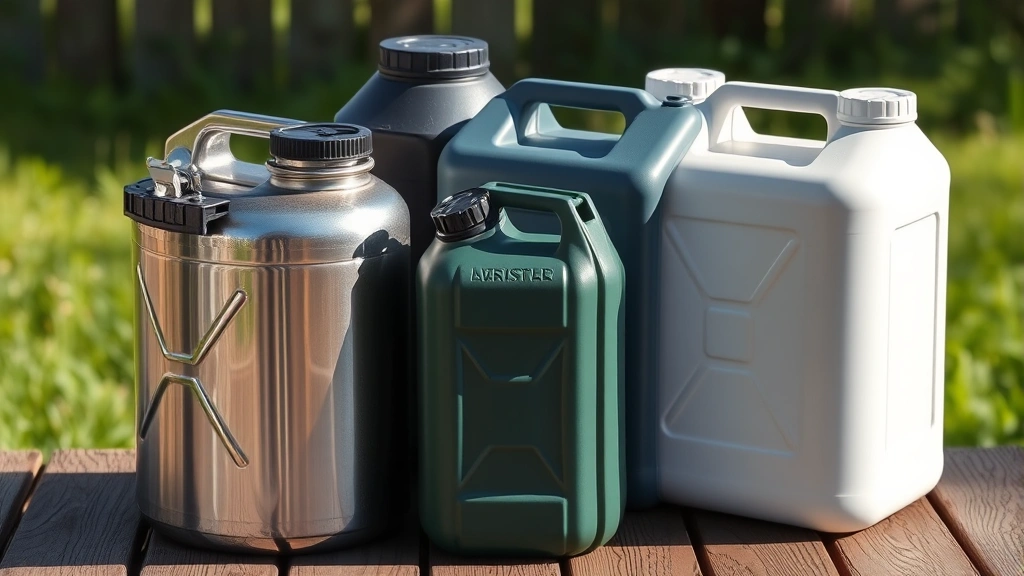
5 Gallon Gas Cans: Eco-Friendly Options for Sustainable Storage
When it comes to storing and transporting fuel, choosing the right 5 gallon gas can makes a significant difference for both your safety and the environment. Traditional gas cans have long been a household staple, but many contain materials and designs that contribute to unnecessary environmental degradation and safety hazards. The good news is that eco-friendly alternatives now exist, offering consumers ways to minimize their ecological impact while maintaining reliable fuel storage solutions.
As we collectively work toward a more sustainable future, even seemingly small choices like selecting an environmentally responsible gas can matter. These containers are used across residential, commercial, and industrial settings—from lawn care equipment to emergency preparedness kits. By understanding the options available and making informed decisions, you can reduce your environmental footprint while supporting manufacturers committed to sustainable practices.
This comprehensive guide explores the landscape of eco-friendly 5 gallon gas cans, highlighting innovative materials, safety features, and responsible disposal options that align with broader principles of sustainability.
Understanding Traditional Gas Can Environmental Impact
Conventional plastic gas cans, often made from low-density polyethylene (LDPE), present several environmental challenges throughout their lifecycle. The petroleum-based plastic used in manufacturing these containers contributes to fossil fuel consumption, and their production generates significant carbon emissions. Beyond manufacturing, traditional gas cans frequently deteriorate, crack, or degrade, leading to fuel leakage that contaminates soil and groundwater—a serious environmental concern affecting ecosystems and drinking water supplies.
The EPA provides guidance on fuel container regulations, emphasizing the importance of proper containment to prevent environmental damage. Many older gas cans lack the safety features necessary to prevent spills and emissions, allowing volatile organic compounds (VOCs) to escape into the atmosphere. These emissions contribute to ground-level ozone formation and air quality degradation, particularly problematic in areas with poor air circulation.
Additionally, most traditional gas cans end up in landfills where they persist for centuries, taking 400-1000 years to decompose. The sheer volume of discarded fuel containers worldwide represents a substantial waste management problem. Understanding these impacts is the first step toward making more responsible choices and supporting sustainable energy solutions in every aspect of our daily lives.
Eco-Friendly Materials in Modern Gas Cans
Progressive manufacturers are developing 5 gallon gas cans from materials designed to minimize environmental harm. High-density polyethylene (HDPE) represents an improvement over traditional plastics, offering superior durability and reduced leaching of harmful chemicals. HDPE cans withstand temperature fluctuations better, reducing the likelihood of cracks and fuel escape that damages ecosystems.
Some innovative companies now produce gas cans from recycled plastics, transforming post-consumer waste into functional storage containers. This circular economy approach diverts plastic from landfills while reducing demand for virgin petroleum extraction. Recycled content cans typically perform comparably to new plastic alternatives while significantly reducing manufacturing carbon footprints.
Metal alternatives, particularly stainless steel and galvanized steel cans, offer another eco-conscious option. These materials last decades longer than plastic, reducing replacement frequency and overall lifecycle waste. Steel cans resist UV degradation and temperature extremes, maintaining structural integrity that prevents fuel loss. While heavier than plastic, their longevity often justifies the increased weight and cost. Some manufacturers combine materials strategically, using metal bodies with specialized gaskets and seals designed from sustainable rubber compounds.
Bio-based plastics derived from renewable resources like sugarcane represent an emerging frontier in sustainable fuel container manufacturing. These materials reduce petroleum dependency while remaining recyclable at end-of-life. The American Society for Testing and Materials (ASTM) establishes rigorous standards for fuel container materials, ensuring that eco-friendly options meet safety and performance requirements equivalent to conventional designs.
Top Sustainable 5 Gallon Gas Can Options
Several manufacturers have emerged as leaders in producing environmentally responsible fuel containers. When evaluating options, look for cans that combine durable materials, superior sealing mechanisms, and transparent sustainability commitments.
Recycled Plastic Cans: Companies manufacturing cans from post-consumer recycled plastic offer genuine environmental benefits. These products typically feature high recycled content percentages (often 50-75%) while maintaining structural integrity through advanced plastic blending techniques. The reduced virgin plastic consumption translates directly to decreased fossil fuel extraction and manufacturing emissions.
Stainless Steel Alternatives: Premium manufacturers produce food-grade stainless steel fuel cans that eliminate concerns about plastic leaching while providing exceptional durability. These cans resist corrosion, prevent fuel oxidation, and can be used for decades. While initially more expensive, their extended lifespan makes them economically and environmentally superior to plastic replacements purchased every few years.
Certified Green Products: Look for 5 gallon gas cans bearing third-party environmental certifications from organizations like Greenguard or similar bodies. These certifications indicate that products have undergone rigorous testing for chemical emissions, durability, and manufacturing practices. Certified options provide assurance that your purchase supports genuinely sustainable manufacturing.
Hybrid Designs: Innovative hybrid cans combine metal bodies with advanced plastic components, optimizing both durability and weight. These designs often feature replaceable seals and gaskets, extending product life through maintenance rather than replacement. This modular approach aligns with definitions of sustainability emphasizing resource efficiency and waste reduction.
Safety Features That Protect the Environment
Environmentally responsible gas cans must excel at preventing spills and emissions—critical safety features that directly protect ecosystems. Modern eco-friendly designs incorporate several key protective mechanisms.
Advanced Sealing Systems: Premium fuel cans feature multi-layer sealing designs that prevent fuel vapor escape and liquid leakage. Silicone-based gaskets and specialized caps create airtight seals superior to traditional designs, reducing volatile organic compound emissions that contribute to air pollution. These sealing mechanisms remain effective over extended periods, maintaining environmental protection throughout the product’s lifespan.
Spill Prevention Technology: Contemporary sustainable cans include anti-spill spouts with automatic shut-off mechanisms. These features prevent accidental fuel discharge during storage and transportation, eliminating a major source of environmental contamination. Some designs incorporate secondary containment features, creating barriers that capture minor leaks before they reach soil or groundwater.
Temperature and Pressure Management: Eco-friendly cans accommodate fuel expansion and contraction without rupturing or leaking. Pressure relief valves allow safe gas escape while preventing dangerous pressurization, a feature that extends product life and prevents environmental incidents. Superior material selection ensures structural integrity across temperature ranges from freezing winters to scorching summers.
UV and Chemical Resistance: Sustainable designs resist degradation from sun exposure and fuel chemical interactions. Materials selected for eco-friendly cans maintain structural integrity longer, preventing the premature failure that leads to replacement waste. This durability directly reduces the frequency of fuel container disposal and associated environmental burden.
Proper Storage and Maintenance for Longevity
Maximizing the lifespan of your 5 gallon gas can is fundamentally an environmental action, reducing replacement frequency and associated waste. Implementing proper storage and maintenance practices extends product life significantly.
Storage Location Optimization: Store fuel cans in cool, shaded locations away from direct sunlight. UV exposure degrades even high-quality plastics, while temperature extremes stress materials and seals. Proper storage conditions can extend can lifespan by years, deferring replacement and its environmental cost. Keep cans away from heat sources, electrical equipment, and areas prone to physical damage.
Seal and Gasket Maintenance: Regularly inspect caps, seals, and gaskets for deterioration. Many modern sustainable cans feature replaceable seals, allowing maintenance rather than replacement. Periodically cleaning gasket surfaces and ensuring proper cap tightening prevents fuel loss and maintains environmental protection. This maintenance approach exemplifies sustainable resource management principles.
Fuel Quality Management: Store only appropriate fuel types in each can, as incompatible fuels degrade seals and gaskets. Ethanol-blended gasoline, for instance, requires compatible materials. Maintaining proper fuel quality prevents accelerated deterioration and leakage. Additionally, using fuel stabilizers for long-term storage prevents oxidation and fuel degradation that might necessitate can replacement.
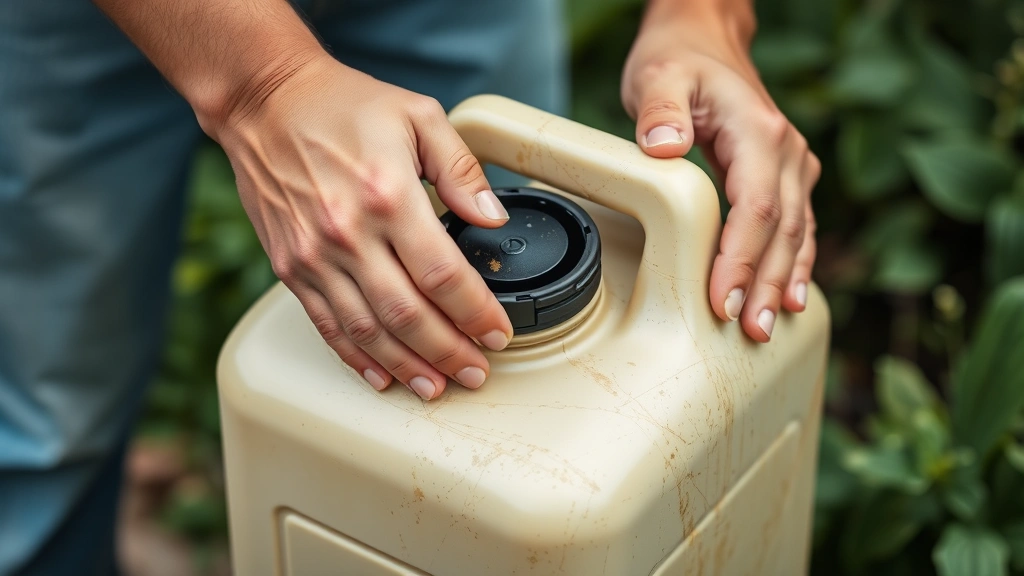
Regular Inspection Protocols: Establish periodic inspection routines checking for cracks, discoloration, or seal degradation. Early problem identification allows preventive maintenance, avoiding catastrophic failure and environmental contamination. Document inspection dates and observations, creating accountability that encourages responsible stewardship of these important safety containers.
Recycling and End-of-Life Considerations
Even the most durable 5 gallon gas can eventually reaches end-of-life. Responsible disposal and recycling practices ensure that these containers don’t become persistent environmental liabilities.
Preparation for Recycling: Before recycling any fuel can, thoroughly empty it and rinse the interior multiple times with appropriate solvents. Residual fuel and vapors present hazards to recycling facility workers and equipment. Allow the can to air dry completely before transportation. Some recycling facilities provide specific preparation guidelines—contact your local facility for detailed instructions.
Plastic Can Recycling: Many recycling programs accept HDPE plastic fuel cans (typically marked with #2 plastic codes). These cans can be transformed into new plastic products, closing the material loop and reducing virgin plastic demand. Contact your local waste management authority to identify programs accepting fuel containers in your area. Some retailers offer take-back programs for containers purchased through their stores.
Metal Can Recycling: Stainless steel and galvanized steel fuel cans are highly recyclable, with scrap metal programs actively seeking these materials. Steel recycling requires minimal processing and can be repeatedly recycled without quality degradation. Metal recycling facilities typically pay for scrap steel, potentially offsetting disposal costs while supporting sustainable material recovery.
Hazardous Waste Disposal: Some fuel cans contaminated with hazardous residues may require special handling through hazardous waste collection programs. These services ensure that problematic containers don’t contaminate recycling streams. Most communities offer periodic hazardous waste collection events or maintain permanent drop-off facilities. Utilizing these services protects both environmental and human health.
The Natural Resources Defense Council (NRDC) provides resources on proper hazardous waste disposal and recycling best practices, supporting informed decision-making about end-of-life fuel container management.
Frequently Asked Questions
Are eco-friendly 5 gallon gas cans more expensive than traditional options?
Initial purchase prices for sustainable gas cans may be higher, but lifecycle cost analysis often favors eco-friendly options. Durable materials mean fewer replacements, offsetting higher upfront costs. Premium stainless steel cans, while expensive initially, can serve for decades, ultimately providing superior value compared to replacing plastic cans every 5-10 years.
Do recycled plastic gas cans perform as well as new plastic cans?
Modern recycled plastic cans perform comparably to virgin plastic alternatives when manufactured by reputable companies using advanced material science. Quality manufacturers blend recycled content with virgin plastic strategically, maintaining structural integrity and safety performance. Third-party certifications provide assurance of equivalent performance standards.
What should I look for when selecting an eco-friendly 5 gallon gas can?
Prioritize durable materials, advanced sealing systems, third-party certifications, and manufacturer sustainability commitments. Consider your specific needs—lightweight portability versus maximum durability—and evaluate lifecycle environmental impact rather than focusing solely on initial purchase price. Research manufacturer practices regarding material sourcing and production methods.
Can I recycle my old fuel can with regular plastic recycling?
Not all recycling programs accept fuel cans due to residual fuel contamination concerns. Contact your local recycling facility before attempting to recycle fuel containers. Many communities offer special programs specifically for fuel containers, ensuring proper handling that protects workers and equipment.
How often should I replace my 5 gallon gas can?
High-quality eco-friendly cans can last 15-20+ years with proper maintenance, while traditional plastic cans typically require replacement every 5-10 years. Inspect cans regularly for damage, and replace only when structural integrity becomes compromised. Proper storage conditions significantly extend lifespan, reducing replacement frequency and associated environmental impact.
What’s the environmental difference between plastic and metal fuel cans?
Metal cans have longer lifespans, reducing replacement frequency and total lifecycle waste. However, metal production is energy-intensive. For high-use applications, metal’s durability typically makes it more sustainable. For occasional use, quality recycled plastic cans may be more appropriate. Consider your specific usage patterns when choosing between materials.


