Eco-Friendly Fueling: The Future of Gas Pumps?
The traditional gas pump has been a cornerstone of transportation infrastructure for over a century, but its environmental impact is becoming increasingly difficult to ignore. As climate change accelerates and sustainability becomes a global priority, the fuel pump industry faces a critical crossroads. Modern innovations are transforming how we refuel our vehicles, introducing eco-friendly alternatives that promise to reduce carbon emissions and dependence on fossil fuels. From biofuel dispensers to electric charging stations replacing conventional pumps, the landscape of vehicle fueling is undergoing a revolutionary transformation that could reshape our environmental future.
Understanding the evolution of gas pump technology and the emerging sustainable alternatives is essential for anyone concerned about reducing their environmental footprint. The shift toward eco-friendly fueling solutions represents more than just technological progress—it reflects a fundamental change in how society approaches energy consumption and environmental responsibility. This comprehensive guide explores the innovations, challenges, and opportunities that define the future of sustainable fueling infrastructure.
The Environmental Impact of Traditional Gas Pumps
Traditional gasoline and diesel pumps represent one of the most significant contributors to global carbon emissions. Every refueling event at a conventional pump releases volatile organic compounds (VOCs) into the atmosphere, contributing to ground-level ozone formation and air pollution. The extraction, refinement, and distribution of fossil fuels creates an extensive carbon footprint long before the fuel reaches the pump. According to the Environmental Protection Agency, transportation accounts for approximately 27% of total greenhouse gas emissions in the United States, with fuel combustion being the primary culprit.
The infrastructure supporting conventional pumps also poses environmental challenges. Underground storage tanks can leak, contaminating groundwater and soil. The construction and maintenance of gas station networks consume vast resources and energy. Additionally, the combustion of fossil fuels in vehicles powered by traditional fuel pumps generates nitrogen oxides and particulate matter, which harm both human health and ecosystems. As climate scientists emphasize the urgency of transitioning away from fossil fuels, the traditional gas pump increasingly represents an outdated and unsustainable technology.
Recognizing these impacts, the global community is investing heavily in alternative fueling infrastructure. Governments and private companies are working to develop and deploy eco-friendly solutions that minimize environmental harm while maintaining the convenience and accessibility consumers expect from modern fuel delivery systems. The transformation of gas pump technology is therefore not merely an environmental preference but a necessary adaptation to ensure sustainable transportation for future generations.
Biofuel Dispensing Technology and Innovation
Biofuels represent a significant step toward sustainable fueling without requiring complete vehicle redesign. Unlike electric vehicles which demand infrastructure overhaul, biofuel-compatible pumps can serve existing vehicles with minimal modifications. Ethanol blends, biodiesel, and advanced biofuels derived from agricultural waste, algae, and plant-based sources offer reduced lifecycle carbon emissions compared to petroleum-based fuels. Modern sustainable energy solutions increasingly incorporate biofuel dispensing capabilities as a transitional technology toward complete decarbonization.
Ethanol pumps, particularly those dispensing E85 fuel (85% ethanol, 15% gasoline), have become more prevalent across North America. These pumps feature specialized seals and materials compatible with ethanol’s corrosive properties. The biofuel industry has developed sophisticated dispensing systems that accurately measure and deliver consistent fuel blends. Advanced biofuel pumps now incorporate digital displays showing carbon offset information, helping consumers understand the environmental benefits of their fuel choices. Some innovative gas can pump designs specifically accommodate biofuel containers, enabling safer and more efficient transfer of alternative fuels.
The advantages of biofuel infrastructure include lower implementation costs compared to electric charging networks and compatibility with existing vehicle fleets. However, challenges remain regarding feedstock sustainability and land use concerns. The future of biofuel pumping technology depends on developing truly sustainable feedstock sources and improving production efficiency. Organizations like the International Energy Agency track biofuel development and provide insights into scaling this technology globally.
Electric Vehicle Charging Stations: A New Era
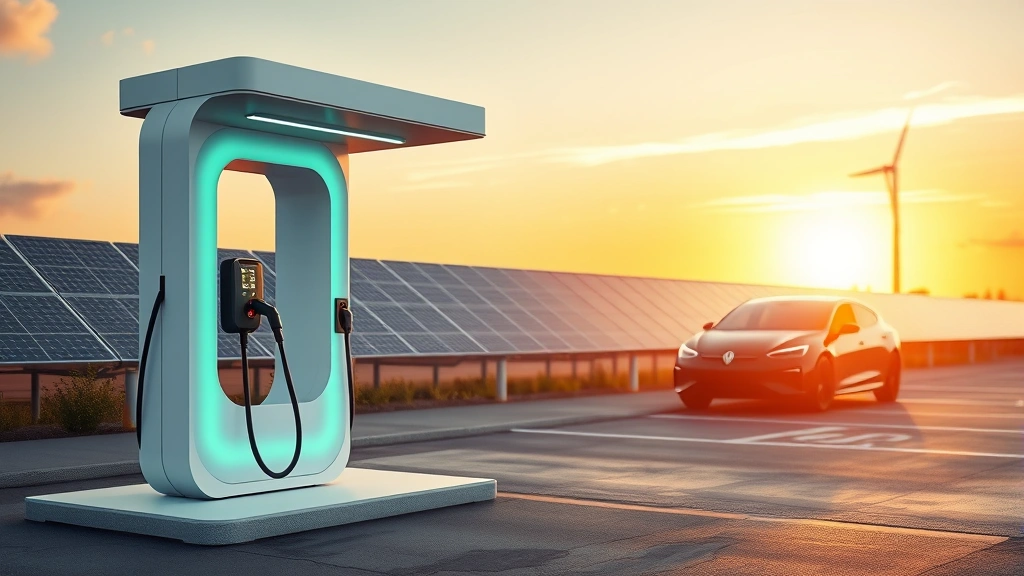
Electric vehicle charging stations represent the most transformative shift in fueling infrastructure since the introduction of gasoline pumps. Unlike traditional pumps, EV chargers deliver electricity rather than combustible fuel, eliminating tailpipe emissions entirely. The rapid expansion of charging networks has become critical infrastructure in the transition toward sustainable transportation. These stations range from Level 1 chargers (standard household outlets) to ultra-fast DC chargers capable of adding hundreds of miles of range in minutes.
Modern EV charging stations incorporate intelligent technology that optimizes energy distribution and integrates with renewable power sources. Smart chargers can communicate with electrical grids to charge during periods of peak renewable energy generation, maximizing environmental benefits. Many charging networks now operate entirely on renewable electricity, creating a truly zero-emission fueling experience. The advantages of electric vehicles extend beyond emission reduction to include lower operating costs and reduced air pollution in urban areas.
Charging station deployment has accelerated dramatically, with networks like Tesla’s Supercharger and other public charging providers expanding access. However, geographic disparities remain, with rural and underserved communities lacking adequate charging infrastructure. The future viability of electric vehicle adoption depends on continued investment in charging station networks and standardization of charging protocols. Government incentives and private investment are driving rapid expansion, but challenges related to electrical grid capacity and charging speed continue to evolve.
Hydrogen Fuel Infrastructure Development
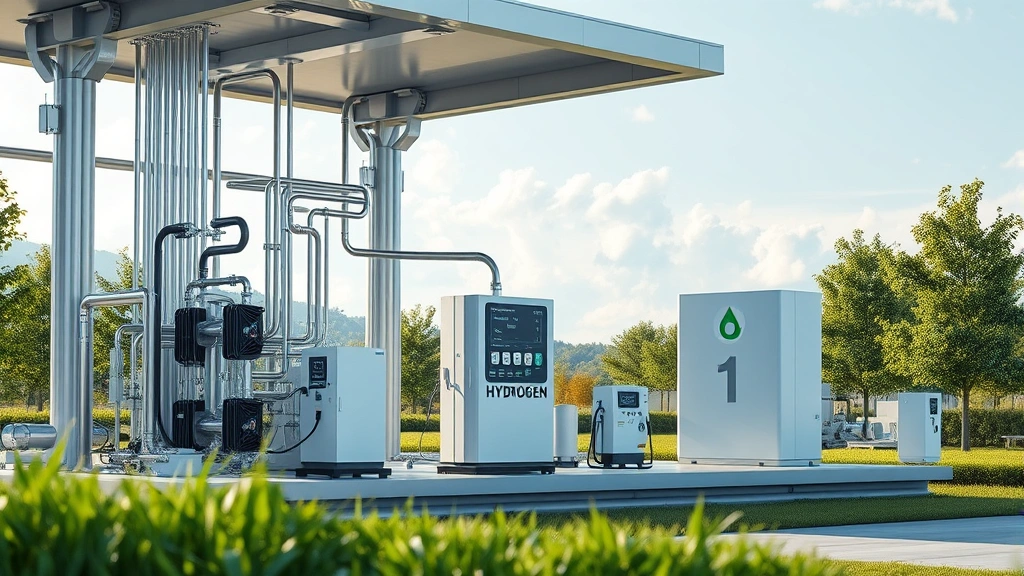
Hydrogen fuel cell vehicles represent another promising zero-emission alternative, though infrastructure development lags behind electric vehicles. Hydrogen pumps differ significantly from traditional gas pumps, requiring specialized high-pressure dispensing systems and safety protocols. These pumps deliver compressed hydrogen gas at pressures exceeding 10,000 pounds per square inch, necessitating robust engineering and rigorous safety standards. Despite technological challenges, hydrogen fuel infrastructure is expanding in regions like California and Northern Europe.
The appeal of hydrogen fueling lies in its rapid refueling capability—comparable to traditional gasoline pumps—combined with zero tailpipe emissions. Hydrogen fuel cell technology produces only water vapor as exhaust, making it exceptionally clean. However, the current hydrogen production process remains energy-intensive, with most hydrogen derived from natural gas through steam reforming. Advancing green hydrogen production through electrolysis powered by renewable electricity could make hydrogen pumps truly sustainable. The National Renewable Energy Laboratory conducts extensive research on hydrogen infrastructure and production efficiency.
Hydrogen fuel infrastructure faces significant investment barriers and chicken-and-egg challenges: consumers hesitate to purchase hydrogen vehicles without adequate pump availability, while companies delay pump deployment without sufficient demand. Despite these obstacles, long-term hydrogen infrastructure development continues, particularly for heavy-duty transportation where electric solutions face limitations.
Smart Pump Technology and Efficiency
Contemporary fuel pump technology increasingly incorporates digital intelligence that enhances efficiency and environmental monitoring. Smart pumps equipped with sensors and connectivity features can optimize fuel delivery, detect leaks, and provide real-time environmental impact data to consumers. These systems represent a bridge between conventional fueling and fully sustainable alternatives, demonstrating how technology can reduce the environmental footprint of existing infrastructure.
Advanced gas can pump designs now feature precision measurement systems that minimize spillage and vapor emissions. Some innovative models include automatic shut-off mechanisms that activate when containers are full, preventing overflow and reducing VOC emissions. Digital displays on pumps increasingly show carbon footprint information, fuel efficiency recommendations, and environmental impact comparisons. Biometric authentication systems on some premium pumps enhance security while reducing fuel theft and associated environmental waste.
Smart pump networks enable real-time monitoring of fuel quality, temperature, and dispensing accuracy. This data helps identify equipment malfunctions early, reducing environmental contamination risks from leaking tanks or faulty seals. Integration with vehicle telematics allows pumps to communicate with vehicles, optimizing fuel composition recommendations based on engine specifications and driving conditions. The green technology innovations transforming our future increasingly rely on smart pump systems that gather environmental data and improve operational efficiency.
Government Initiatives and Policy Support
Government policies play a crucial role in accelerating the transition toward eco-friendly fueling infrastructure. Regulatory mandates requiring biofuel blending, tax incentives for EV charging station installation, and grants supporting hydrogen infrastructure development create market conditions favorable to sustainable alternatives. The European Union’s stringent emissions regulations have driven rapid deployment of alternative fuel pumps across member states. Similar initiatives in North America and Asia demonstrate global recognition of the need for systemic change in fueling infrastructure.
The Infrastructure Investment and Jobs Act in the United States allocated billions toward EV charging station deployment and alternative fuel infrastructure. State-level policies in California, New York, and other progressive jurisdictions mandate increasing percentages of zero-emission vehicle sales, creating demand for supporting infrastructure. International agreements like the Paris Climate Accord establish frameworks encouraging nations to invest in sustainable transportation solutions. These policy supports provide essential financial backing and regulatory clarity for companies investing in eco-friendly pump technology.
Carbon pricing mechanisms and fuel taxes increasingly favor low-carbon alternatives, making eco-friendly pumps economically competitive with conventional options. Subsidies for renewable energy reduce the operational costs of electric charging networks. Building codes now often require new construction to include EV charging infrastructure, normalizing sustainable fueling options. The United Nations Environment Programme documents global policy initiatives supporting sustainable fueling infrastructure development.
Economic Viability and Market Growth
The market for eco-friendly fueling infrastructure is experiencing explosive growth, driven by declining technology costs and increasing consumer demand. Electric vehicle charging networks have become profitable ventures as EV adoption accelerates, creating positive feedback loops that attract investment. The cost of installing Level 2 chargers has declined by over 40% in the past decade, making widespread deployment increasingly economically feasible. Biofuel pump retrofitting costs remain modest, enabling rapid conversion of existing stations.
Hydrogen infrastructure development, while more capital-intensive, shows promise in specialized markets like heavy-duty transportation and industrial applications. Companies like Shell, BP, and other major energy providers are diversifying their portfolios to include sustainable fuel options, recognizing that transition to renewable energy represents long-term business opportunity rather than threat. Venture capital investment in alternative fuel technologies has reached record levels, signaling strong market confidence in sustainable fueling solutions.
The economic benefits of eco-friendly fueling extend beyond direct pump sales to include reduced healthcare costs from improved air quality, decreased environmental remediation expenses, and avoided climate change impacts. Studies indicate that investments in sustainable fuel infrastructure generate positive returns through job creation, technological innovation, and economic development in emerging green energy sectors. Natural gas advantages in transition scenarios provide temporary economic bridges while cleaner alternatives scale. Long-term economic modeling suggests that sustainable fueling infrastructure investments will yield substantial returns as fossil fuel prices increase and renewable energy costs continue declining.
Consumer Adoption Challenges
Despite technological advances and policy support, consumer adoption of eco-friendly fueling options faces significant barriers. Range anxiety regarding electric vehicles, limited availability of alternative fuel pumps in many regions, and higher upfront vehicle costs deter adoption. Consumer familiarity with traditional gas pumps creates resistance to learning new fueling procedures and payment systems. Some drivers maintain concerns about the safety of novel fueling technologies, particularly hydrogen pumps and high-speed DC chargers.
Infrastructure gaps represent perhaps the most critical barrier to widespread adoption. Rural areas and developing nations often lack access to charging stations or biofuel pumps, creating digital divides in sustainable transportation access. Standardization challenges across different charging networks and payment systems complicate the consumer experience. Long charging times for some EV chargers compared to the five-minute refueling of traditional pumps remain a practical concern for consumers with demanding schedules.
Overcoming adoption barriers requires comprehensive strategies combining infrastructure investment, consumer education, and incentive programs. Public awareness campaigns highlighting the ways to reduce your environmental footprint through sustainable fueling choices help normalize alternative options. Demonstration projects showcasing successful eco-friendly pump deployment build confidence in new technologies. Partnerships between government agencies, private companies, and community organizations accelerate infrastructure development in underserved areas. As adoption increases and technology matures, consumer concerns typically diminish, creating momentum toward broader sustainable fueling adoption.
FAQ
What is a gas can pump and how does it relate to eco-friendly fueling?
A gas can pump refers to pumps designed specifically for filling portable fuel containers. Modern eco-friendly gas can pumps incorporate advanced safety features, precision measurement systems, and compatibility with biofuels. These specialized pumps minimize spillage and vapor emissions compared to older designs, representing incremental improvements in sustainable fueling practices.
Are biofuel pumps compatible with all vehicles?
Not all vehicles are compatible with all biofuel blends. Most modern vehicles can safely use E10 (10% ethanol) blends, but E85 (85% ethanol) requires specifically designed fuel systems. Consumers should consult vehicle specifications before using high-ethanol blends. Biodiesel compatibility varies similarly depending on engine type and fuel system design.
How long does it take to charge an electric vehicle compared to traditional fueling?
Charging times vary dramatically based on charger type. Level 1 chargers require 24+ hours for full charge, Level 2 chargers need 4-10 hours, while DC fast chargers can add 200 miles in 20-30 minutes. Traditional gas pumps typically require 5 minutes, making charging speed a consideration for consumers with limited time availability.
What is the environmental impact of producing electricity for EV charging?
The environmental impact depends entirely on electricity sources. Charging powered by renewable energy (solar, wind, hydro) creates zero-emission transportation. Grid electricity in regions with fossil fuel plants generates emissions, though typically less than vehicle combustion. As electrical grids transition toward renewable sources, EV charging becomes progressively cleaner.
Are hydrogen fuel pumps safe for consumer use?
Yes, hydrogen fuel pumps operate under rigorous safety standards developed through extensive testing and industry collaboration. High-pressure systems include multiple safety features including pressure relief valves, emergency shut-offs, and automated leak detection. Hydrogen’s properties actually make it safer than gasoline in some respects, though proper training remains essential for safe operation.
What regions have the best eco-friendly fueling infrastructure?
Scandinavia, California, and parts of Western Europe lead in sustainable fueling infrastructure deployment. These regions combine government policy support, consumer demand, and private investment to create comprehensive networks of charging stations and alternative fuel pumps. However, infrastructure continues expanding globally as technology costs decline and environmental awareness increases.
Can existing gas stations transition to eco-friendly fueling?
Many existing stations can be retrofitted to include biofuel pumps, electric chargers, or hydrogen dispensers without complete reconstruction. Retrofitting costs vary based on infrastructure requirements and site conditions. Some stations operate hybrid models offering both traditional and alternative fuels during transition periods, maximizing utility and investment returns.


