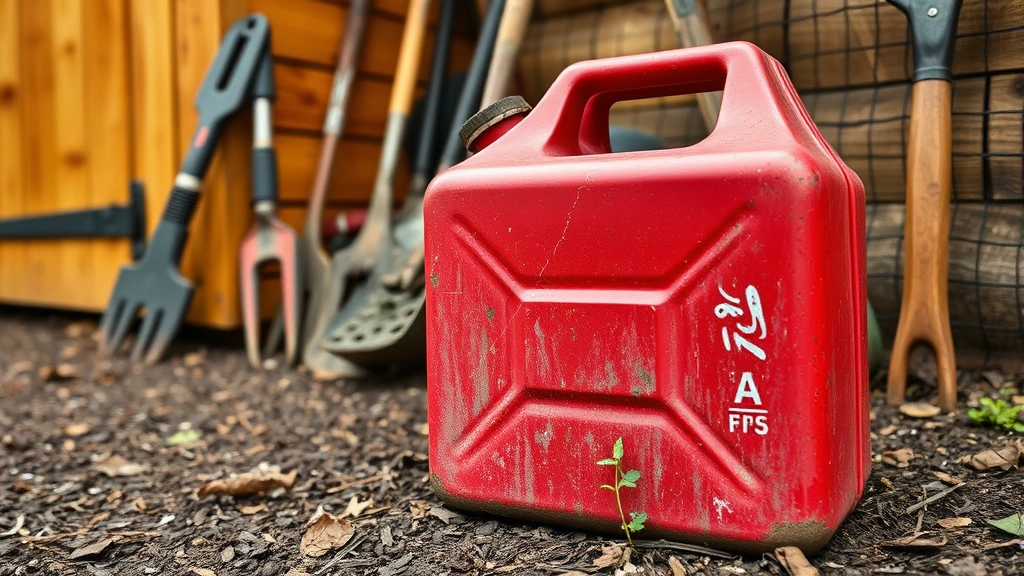
Are Metal Gas Cans Safer? Expert Insights on Fuel Storage and Sustainability
Fuel storage is a critical consideration for homeowners, gardeners, and businesses alike. The choice between metal and plastic gas cans affects not only personal safety but also environmental responsibility and long-term cost efficiency. Metal gas cans have been the industry standard for decades, yet modern plastic alternatives have gained significant market share. Understanding the safety profiles, environmental impacts, and practical considerations of each option empowers consumers to make informed decisions aligned with both their immediate needs and broader sustainability goals.
This comprehensive guide examines the scientific evidence, regulatory standards, and expert recommendations surrounding gas can materials. Whether you’re storing fuel for seasonal equipment, emergency preparedness, or regular use, the insights provided here will help you navigate the complex landscape of fuel storage safety while considering your environmental footprint.
Metal vs. Plastic Gas Cans: A Safety Comparison
Metal gas cans, typically constructed from steel or aluminum, have served as the primary fuel storage solution for over a century. These containers offer several inherent safety advantages that have kept them relevant despite the emergence of lighter plastic alternatives. The structural integrity of metal provides superior resistance to physical damage, punctures, and crushing forces—critical factors when cans are stored in garages, sheds, or transported in vehicle trunks.
Plastic gas cans, introduced more widely in the 1980s and 1990s, promised lighter weight and corrosion resistance. However, they present distinct safety challenges. Plastic containers are more susceptible to degradation from ultraviolet (UV) light exposure, which can compromise structural integrity over time. Additionally, static electricity accumulation poses a greater risk with plastic containers. When fuel flows through a plastic nozzle into a plastic can, electrical charge builds up without adequate grounding, potentially creating ignition hazards in dry conditions.
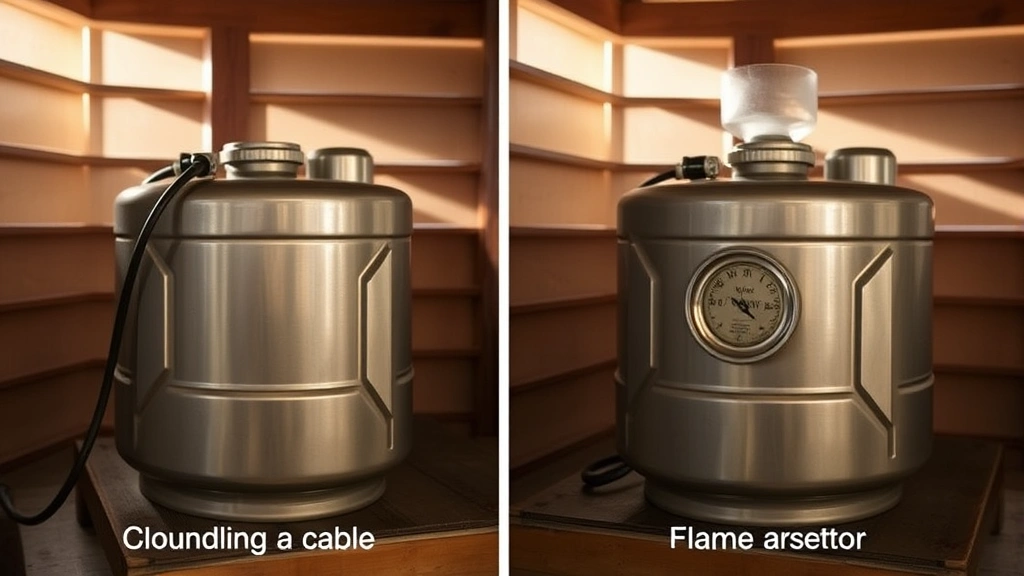
Metal containers naturally dissipate static electricity through their conductive properties. When properly grounded—a practice emphasized by safety experts and the Environmental Protection Agency (EPA)—metal cans virtually eliminate static-related fire risks. This fundamental difference represents one of the most significant safety distinctions between the two materials.
The flame arrestor—a safety device designed to prevent flames from entering fuel vapors—functions more effectively in metal cans. Plastic cans often struggle to maintain proper flame arrestor functionality as the material expands and contracts with temperature fluctuations, potentially compromising the seal.
Fire Safety Standards and Regulatory Requirements
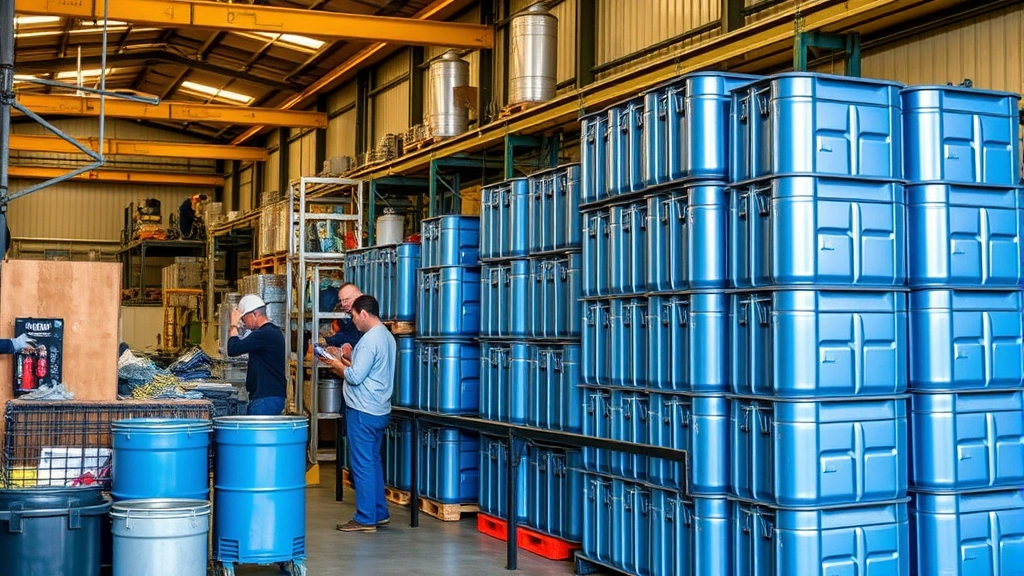
Fuel storage safety is governed by rigorous standards developed by organizations like Underwriters Laboratories (UL) and the American Society for Testing and Materials (ASTM). These standards specify critical safety features including pressure relief mechanisms, flame arrestors, spillage prevention, and material specifications.
The EPA has established guidelines for fuel storage containers, emphasizing that approved containers must meet specific flammability and safety criteria. Metal gas cans manufactured to UL 30 standards (the primary specification for portable metal fuel containers) undergo extensive testing including pressure tests, flame tests, and impact resistance evaluations. These standards have proven effective, with documented safety records spanning decades.
Plastic containers face greater regulatory scrutiny. The UL 2267 standard for plastic portable fuel containers is more recent and continues to evolve as manufacturers address emerging concerns. Some jurisdictions have implemented stricter regulations on plastic fuel containers, particularly in California and other areas with advanced environmental and safety regulations. A study published by the National Fire Protection Association (NFPA) indicates that metal containers consistently outperform plastic alternatives in standardized safety testing.
Insurance companies and fire marshals often recommend metal containers for residential storage. This professional consensus reflects the scientific evidence supporting metal’s superior safety profile in most scenarios. Understanding sustainable energy solutions includes recognizing that safety and sustainability must work in tandem.
Environmental Impact of Different Gas Can Materials
The sustainability question surrounding gas cans extends beyond immediate use to encompass lifecycle environmental impacts. Metal gas cans, when properly maintained, can last 20-30 years or longer. This longevity translates to lower replacement frequency and reduced manufacturing waste. Steel and aluminum recycling infrastructure is well-established globally, ensuring that end-of-life metal containers are recovered and reprocessed into new products with minimal environmental degradation.
Plastic containers, while lighter and potentially reducing fuel consumption during transportation (a minor offset), typically last 5-10 years before degradation necessitates replacement. UV exposure, fuel chemical interactions, and material brittleness accelerate deterioration. The manufacturing process for plastic containers is more energy-intensive than commonly assumed, particularly when considering virgin plastic production. While plastic containers can be recycled, actual recycling rates remain disappointingly low—often below 30% for consumer fuel containers.
Consider the broader sustainability framework: principles of sustainability emphasize durability, resource efficiency, and circular economy principles. Metal containers align more closely with these principles through their extended lifespan and superior recyclability. The reduced replacement frequency alone provides substantial environmental benefits, preventing landfill accumulation and reducing manufacturing emissions.
Volatile organic compound (VOC) emissions present another environmental concern. Plastic containers can off-gas compounds into stored fuel, particularly in warm conditions. Metal containers, lacking this vulnerability, prevent VOC contamination. This distinction matters for both personal health and environmental quality, as improper fuel storage contributes to groundwater contamination and atmospheric pollution.
Durability, Longevity, and Cost Considerations
The initial purchase price often favors plastic gas cans, which typically cost 20-30% less than comparable metal containers. However, total cost of ownership tells a different story. A metal can purchased for $30-50 that lasts 25 years represents an annual cost of $1.20-2.00. A plastic can purchased for $15-25 that requires replacement every 7 years costs approximately $2.14-3.57 annually.
Metal containers resist corrosion when properly maintained—a simple task involving occasional rinsing and dry storage. Rust prevention is straightforward and inexpensive. Plastic containers, conversely, degrade regardless of maintenance efforts. UV protection measures like storage in dark locations or covers add complexity and cost.
Damage resistance provides additional cost justification for metal containers. Accidental drops, impacts, or compression rarely damage properly constructed metal cans. Plastic containers crack, dent irreparably, or develop leaks from minor impacts. For equipment storage and regular use scenarios, this durability difference becomes pronounced over time.
Insurance and liability considerations sometimes favor metal containers as well. Some commercial operations and municipalities mandate metal containers specifically, reflecting their recognized safety superiority. This regulatory preference can affect purchasing decisions for businesses and institutions.
Health and Contamination Risks
Fuel quality degradation poses health and equipment risks that vary by container material. Plastic containers can leach compounds into stored fuel, altering its chemical composition and potentially damaging engines. Bisphenol A (BPA) and other endocrine-disrupting compounds have been detected in fuel stored in certain plastic containers, particularly in warm conditions.
Metal containers provide chemical isolation—the fuel remains uncontaminated by container material interactions. This preservation of fuel integrity ensures equipment operates optimally and reduces maintenance requirements. For critical applications like generators or emergency equipment, fuel quality assurance is paramount.
Water contamination represents another risk factor. Plastic containers are more prone to developing microscopic cracks that admit moisture into fuel. Metal containers, when sealed properly, virtually eliminate this pathway. Water in fuel causes bacterial growth, fuel degradation, and equipment damage—expensive problems preventable through proper container selection.
Inhalation exposure to fuel vapors is another health consideration. Plastic containers may allow greater vapor transmission, increasing exposure risk during storage and handling. Metal containers, with their superior vapor containment, minimize these exposures. For individuals with chemical sensitivities or respiratory conditions, this difference can be meaningful.
Best Practices for Fuel Storage
Regardless of container material selection, implementing best practices maximizes safety and minimizes environmental impact. Store fuel in approved containers specifically designed for the fuel type—never use repurposed containers or non-compliant alternatives.
Location matters significantly: Store gas cans in well-ventilated areas away from ignition sources, electrical equipment, and living spaces. Outdoor sheds or detached garages provide ideal conditions. Keep containers away from direct sunlight and extreme temperatures. For energy efficiency at home, proper fuel storage in outbuildings reduces indoor air quality degradation.
Grounding and static prevention: Always ground metal containers during fuel transfer. Use bonding cables to connect the can to the fuel source and vehicle. Never fill containers inside vehicles or buildings. These practices, endorsed by the Occupational Safety and Health Administration (OSHA), prevent static-related ignition.
Labeling and organization: Clearly label all fuel containers with contents, storage date, and appropriate hazard warnings. Maintain inventory rotation—use older fuel first to prevent degradation. Separate fuel types (gasoline, diesel, kerosene) to prevent cross-contamination.
Maintenance schedules: Inspect metal containers monthly for rust or damage. Check seals and flame arrestors regularly. For plastic containers, increase inspection frequency to catch degradation early. Replace any damaged container immediately.
Quantity limits: Store only necessary quantities. Most jurisdictions limit residential storage to 25 gallons without special permits. Smaller quantities reduce fire risk and environmental contamination potential.
Sustainable Alternatives and Eco-Friendly Solutions
Beyond the metal-versus-plastic debate, emerging alternatives deserve consideration. Biodiesel and renewable fuel options reduce petroleum dependency, aligning with reducing environmental footprint goals. These fuels require the same storage safety considerations but offer lower lifecycle environmental impacts.
Advanced container materials combining metal durability with reduced weight are under development. Some manufacturers produce hybrid containers with metal reinforcement and plastic bodies, attempting to balance safety and sustainability. However, these innovations remain limited in availability and proven performance data.
Fuel conservation technologies represent the most impactful approach to reducing overall fuel storage needs. Efficient equipment, alternative energy adoption, and reduced fuel consumption eliminate storage requirements entirely for some applications. Solar-powered tools and electric equipment increasingly replace fuel-dependent alternatives.
For those committed to sustainability, selecting durable metal gas cans represents a concrete step toward reducing consumption and waste. Pairing this choice with fuel conservation efforts and renewable energy exploration creates a comprehensive sustainability approach. Understanding green technology innovations helps identify additional ways to reduce fuel dependency.
Community fuel sharing and cooperative storage models offer another sustainability angle. Neighborhoods or organizations that consolidate fuel storage reduce total container numbers needed and facilitate proper maintenance. These community approaches embed sustainability principles into practical infrastructure.
FAQ
Are metal gas cans really safer than plastic ones?
Yes, metal gas cans generally offer superior safety characteristics including better static electricity dissipation, improved flame arrestor functionality, greater impact resistance, and superior chemical isolation of fuel. Regulatory standards and fire protection organizations consistently recommend metal containers for residential storage.
How long do metal gas cans last?
Properly maintained metal gas cans typically last 20-30 years or longer. Regular inspection for rust, proper ventilation during storage, and dry conditions extend lifespan significantly. This longevity makes them more economical and sustainable than plastic alternatives requiring replacement every 5-10 years.
Can plastic gas cans contaminate fuel?
Yes, plastic containers can leach compounds into stored fuel, particularly in warm conditions. Metal containers provide complete chemical isolation, preserving fuel quality and preventing equipment damage. This distinction becomes important for stored fuel exceeding several months.
What’s the best way to prevent static electricity fires?
Use metal containers with proper grounding during fuel transfer. Connect bonding cables from the container to the fuel source and vehicle to safely dissipate electrical charge. Never fill containers inside vehicles or buildings. Metal containers naturally dissipate static electricity more effectively than plastic alternatives.
Are metal gas cans recyclable?
Absolutely. Metal gas cans are fully recyclable at the end of their life. Steel and aluminum recycling infrastructure is well-established globally, making metal containers an environmentally responsible choice. The extensive lifespan before recycling is needed further reduces environmental impact.
How should I store gas cans for maximum safety?
Store approved containers in well-ventilated areas away from ignition sources, extreme temperatures, and direct sunlight. Keep quantities to necessary amounts (typically under 25 gallons for residential use). Inspect regularly, maintain proper seals, and use clear labeling. Store in detached structures when possible to protect indoor air quality.
What’s the cost difference between metal and plastic cans?
Initial purchase prices favor plastic ($15-25 vs. $30-50 for metal), but total cost of ownership favors metal. Metal cans lasting 25 years cost approximately $1.20-2.00 annually, while plastic cans replaced every 7 years cost $2.14-3.57 annually, plus replacement hassle and environmental impact.
Can I use a plastic gas can for long-term storage?
Long-term fuel storage is not recommended in plastic containers. UV degradation, fuel contamination risks, and water infiltration increase significantly over extended periods. Metal containers are superior for storing fuel beyond a few months, particularly in warm climates or sunny locations.


