Is Your Gas Cap Loose? Mechanic Explains Why This Simple Issue Matters
A loose gas cap might seem like a minor inconvenience, but it’s one of the most overlooked maintenance issues that directly impacts your vehicle’s efficiency, emissions, and fuel economy. Whether you’ve noticed your check engine light flickering or you’re simply concerned about a rattling sound near your fuel door, understanding why your gas cap is loose—and what to do about it—is essential for responsible vehicle ownership.
In this comprehensive guide, we’ll explore the mechanics behind fuel cap systems, the real consequences of a loose gas cap, and how this simple oversight connects to your broader environmental impact. As part of maintaining sustainable transportation habits, keeping your vehicle in optimal condition reduces unnecessary emissions and improves fuel efficiency, which directly supports your efforts to reduce your environmental footprint.
What Is a Gas Cap and How Does It Work?
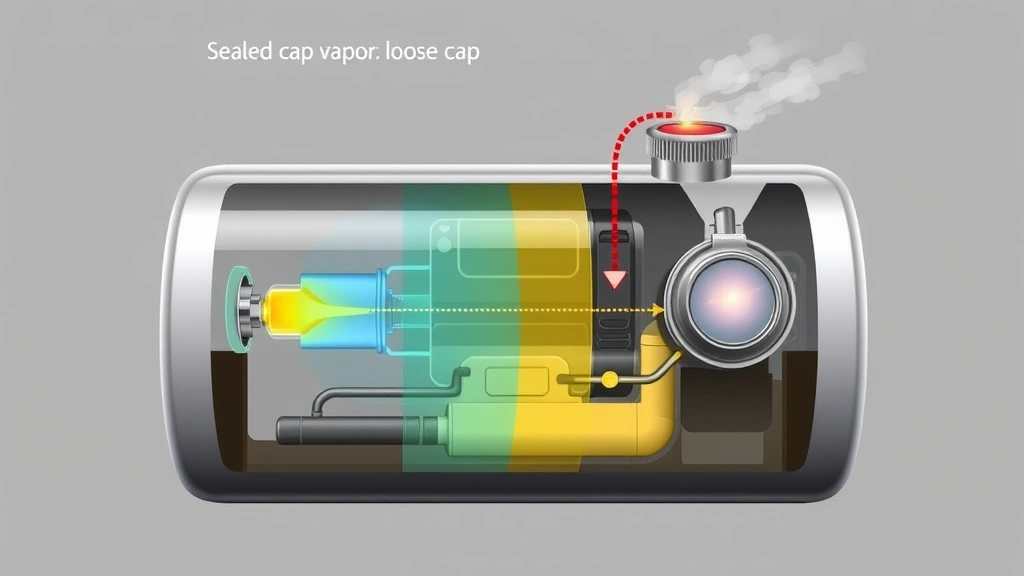
Your gas cap is far more than a simple cover for your fuel tank opening. It’s a precision-engineered component designed to seal your fuel system and maintain proper pressure within the tank. Modern fuel caps are equipped with a one-way valve that allows fuel vapors to escape while preventing outside air and contaminants from entering your fuel tank.
The fuel cap serves three critical functions: it prevents fuel from spilling during normal driving and acceleration, it reduces fuel evaporation losses, and it maintains the correct pressure within your fuel system for optimal engine performance. When your gas cap is loose, each of these functions becomes compromised, leading to a cascade of problems that affect everything from your wallet to air quality.
The typical fuel cap has a threaded design that requires roughly a quarter turn to fully seat. Many modern vehicles use capless fuel systems, but millions of cars on the road still rely on traditional screw-on caps. Understanding whether your vehicle uses a traditional cap or a capless system is your first step toward proper maintenance.

Why Your Gas Cap Becomes Loose
Several factors can cause your gas cap to loosen over time. The most common culprit is simple wear and tear—repeated opening and closing of the fuel door, combined with temperature fluctuations, can gradually loosen the cap’s grip. Fuel caps experience thermal expansion and contraction as your vehicle’s temperature changes throughout the day, which slowly works the threads loose.
Another frequent cause is improper installation. Many drivers don’t realize that fuel caps require only a gentle turn until they click or seal—over-tightening can damage the threads, while under-tightening leaves the cap loose. If you’ve recently refueled at a gas station, it’s possible the attendant or you yourself didn’t secure the cap properly.
Physical damage also plays a role. If you’ve bumped your fuel door or experienced a minor collision, the cap’s threads or the fuel door itself may have been damaged, preventing a proper seal. Additionally, debris accumulation around the fuel door opening can prevent the cap from seating fully, creating a gap that allows fuel vapors to escape.
Defective caps represent another concern. Some fuel caps simply wear out faster than others due to manufacturing defects or poor-quality replacement parts. If you’ve replaced your gas cap recently with an aftermarket option, it may not fit as precisely as the original equipment manufacturer (OEM) part.
The Environmental Impact of a Loose Gas Cap
The environmental consequences of a loose gas cap extend far beyond your individual vehicle. Fuel vapor emissions contribute significantly to ground-level ozone formation and air pollution. When your gas cap is loose, volatile organic compounds (VOCs) escape directly into the atmosphere, combining with nitrogen oxides to create smog that damages air quality in your community.
According to the Environmental Protection Agency (EPA), vehicle fuel emissions account for a substantial portion of volatile organic compound pollution nationwide. A single loose gas cap may seem insignificant, but when multiplied across millions of vehicles, the cumulative impact becomes substantial. One vehicle with a loose cap can lose up to 30 gallons of fuel vapor annually—equivalent to the emissions from driving approximately 2,000 miles.
This connects directly to the broader concept of definition of sustainability, which emphasizes meeting present needs without compromising future generations’ ability to breathe clean air. By maintaining your gas cap properly, you’re taking a concrete action toward environmental stewardship. The fuel vapor that escapes doesn’t just pollute the air—it represents wasted resources and money flowing directly out of your tank.
When considering your vehicle’s overall impact, proper fuel system maintenance becomes part of responsible ownership. If you’re exploring alternatives to traditional gasoline vehicles, understanding these emissions issues makes the case for advantages of electric vehicles even more compelling. However, for those still driving conventional cars, maintaining your fuel system remains one of the most impactful preventive actions you can take.
How a Loose Gas Cap Affects Your Engine
Beyond environmental concerns, a loose gas cap directly affects your vehicle’s performance and efficiency. Your fuel system operates under specific pressure parameters, carefully calibrated by manufacturers to ensure optimal combustion and engine performance. When your gas cap is loose, this pressure drops, triggering a series of diagnostic trouble codes that your vehicle’s onboard computer detects immediately.
The fuel vapor recovery system, also called the evaporative emissions control system (EVAP), depends on a sealed fuel tank to function properly. This system captures fuel vapors that would otherwise escape and directs them back into the engine’s combustion process. With a loose cap, the system can’t maintain the required pressure, and the engine control module recognizes this failure.
A loose gas cap causes your fuel economy to decrease noticeably. When fuel evaporates from your tank rather than being burned in the engine, you’re literally losing money with every mile you drive. Studies show that a loose gas cap can reduce fuel efficiency by 1-3%, depending on driving conditions and climate. For drivers who commute 30 miles daily, this translates to wasting several gallons of fuel monthly.
Additionally, your engine may run slightly rough or exhibit hesitation during acceleration. While a loose cap alone won’t cause severe drivability issues, it contributes to improper fuel system pressure that affects the entire combustion process. Over time, this can lead to increased wear on fuel injectors and other components, resulting in costly repairs down the road.
Check Engine Light and Diagnostic Codes
The most common symptom of a loose gas cap is the illumination of your check engine light, which triggers when your vehicle’s diagnostic system detects an EVAP system leak. When you visit a mechanic with a check engine light, they’ll connect a diagnostic scanner that retrieves specific trouble codes. For loose gas caps, you’ll typically see codes like P0440 (EVAP System Malfunction) or P0441 (EVAP System Flow Control), among others.
Many drivers panic when the check engine light appears, assuming serious engine problems exist. However, a loose gas cap is one of the most common causes of this warning, and it’s also one of the easiest and least expensive to resolve. In fact, if your gas cap is loose, tightening it properly often clears the code within a few driving cycles as your vehicle’s computer resets.
It’s important to note that while a loose cap is the most benign cause of EVAP codes, the check engine light can indicate more serious issues. If tightening your cap doesn’t resolve the warning light within 50-100 miles of driving, you should have a professional mechanic inspect your fuel system for cracks, leaks, or damaged hoses. This is where understanding your vehicle’s maintenance needs becomes essential to keeping it running efficiently and sustainably.
How to Tighten and Replace Your Gas Cap
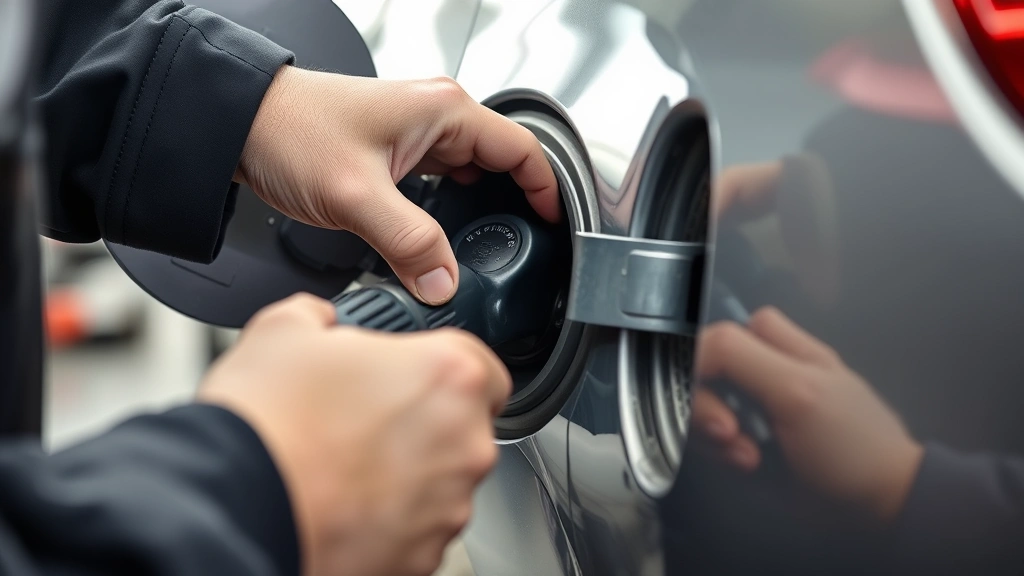
Tightening a loose gas cap is remarkably simple and requires no special tools or mechanical knowledge. Start by locating your fuel door, typically found on the side of your vehicle near the rear wheel. Most modern fuel doors open by pressing on the door itself—no external lever required. Once open, visually inspect your gas cap for damage, cracks, or debris.
Grip the cap firmly and turn it clockwise until you feel resistance. This is the critical step many drivers miss—you don’t need to apply excessive force. The cap should click or seat with a gentle, firm turn. Over-tightening can strip the threads on both the cap and the fuel filler neck, creating an even worse problem. If you hear a distinct click, you’ve achieved the proper seal.
If your cap is damaged, cracked, or if tightening doesn’t resolve your check engine light, you’ll need to replace it. Visit an auto parts store and provide them with your vehicle’s year, make, and model. OEM caps are preferable to aftermarket options because they’re specifically designed to fit your vehicle’s fuel system. Replacement caps typically cost between $15-40, making this one of the most affordable vehicle maintenance tasks.
When installing a new cap, follow the same gentle-turn-until-seated approach. Some caps have a ratcheting mechanism that requires multiple clicks to fully seat. Consult your vehicle’s owner manual for specific instructions if you’re unsure. After installation, drive your vehicle normally—if the cap was your only problem, the check engine light should clear within 50-100 miles.
Preventive Maintenance Tips
Preventing a loose gas cap requires minimal effort but delivers significant benefits. Make checking your fuel cap part of your monthly vehicle inspection routine. Each time you refuel, take a moment to ensure your cap is fully seated before closing the fuel door. This simple habit prevents most loose cap issues before they develop.
Protect your fuel cap from extreme temperature fluctuations by parking in shaded areas when possible. Excessive heat causes fuel caps to expand, which can loosen the seal over time. In winter months, ensure your cap isn’t frozen or stuck before forcing it—allow your vehicle to warm up first.
Inspect your fuel door and cap opening regularly for debris, rust, or damage. A small amount of dirt or corrosion can prevent your cap from seating properly. Gently clean the fuel filler neck with a dry cloth if you notice any buildup. If your fuel door is damaged or doesn’t open smoothly, have it inspected by a mechanic, as this can affect your cap’s ability to seal.
Consider keeping a spare OEM fuel cap in your vehicle. If your cap becomes lost or damaged while you’re away from home, having a replacement available ensures you can maintain a proper seal immediately. This prevents hours of driving with an open fuel system, which maximizes fuel loss and emissions.
If you’ve experienced repeated issues with loose caps, consult your vehicle’s manufacturer about potential recalls or technical service bulletins. Some vehicles have design issues that make caps prone to loosening, and manufacturers sometimes address these through recalls or updated parts.
Connection to Sustainable Vehicle Ownership
Maintaining your fuel cap properly connects directly to broader sustainable transportation goals. When you keep your vehicle in optimal condition, you reduce unnecessary emissions, improve fuel efficiency, and extend your vehicle’s lifespan. These actions represent tangible steps toward environmental responsibility while potentially saving money on fuel and repairs.
For those interested in exploring sustainable energy solutions, understanding your current vehicle’s efficiency becomes a baseline for comparison. By maintaining your existing car properly—including simple tasks like securing your fuel cap—you maximize its efficiency before considering a transition to alternative fuel sources.
The SustainWise Hub Blog explores numerous ways to reduce your environmental impact, and vehicle maintenance represents one of the most straightforward. When considering longer-term vehicle decisions, understanding how fuel systems work and what impacts efficiency helps you make informed choices. Some drivers may eventually explore advantages of natural gas vehicles or other alternative fuel options as part of their sustainability journey.
The philosophy behind environmental stewardship emphasizes that large-scale change begins with individual actions. A loose gas cap seems trivial, but when multiplied across millions of drivers, proper maintenance becomes a meaningful contribution to air quality improvement and resource conservation. By addressing this simple issue, you’re joining a community of environmentally conscious vehicle owners who understand that sustainability encompasses every aspect of responsible ownership.
FAQ
Can a loose gas cap damage my engine?
A loose gas cap won’t directly damage your engine, but it compromises fuel system pressure and can trigger check engine lights. Prolonged exposure to improper fuel system pressure may accelerate wear on fuel injectors and other components, potentially leading to costly repairs if left unaddressed.
How do I know if my gas cap is loose?
The primary indicator is a check engine light with EVAP system codes. You might also notice a slight fuel smell near your vehicle or hear a rattling sound from the fuel door area. Visual inspection will reveal if the cap isn’t seated fully against the fuel filler neck.
Will tightening my gas cap clear the check engine light?
In most cases, yes. If a loose cap is your only problem, tightening it properly should clear the check engine light within 50-100 miles of normal driving. If the light persists after tightening, you likely have a more serious EVAP system leak requiring professional diagnosis.
How often should I check my gas cap?
Check your gas cap monthly as part of routine vehicle maintenance. Additionally, inspect it each time you refuel to ensure it’s fully seated. This preventive approach catches loose caps before they trigger warning lights.
What’s the difference between OEM and aftermarket gas caps?
OEM (original equipment manufacturer) caps are designed specifically for your vehicle’s fuel system and typically provide a more precise fit. Aftermarket caps are generic replacements that may not seal as effectively. For optimal performance and reliability, OEM caps are preferable.
Can I drive with a loose gas cap?
While you can technically drive with a loose gas cap, it’s not recommended. You’ll experience reduced fuel economy, increased emissions, and potential check engine lights. Tighten or replace your cap as soon as possible to restore proper fuel system function.
Why do fuel caps have vents?
Modern fuel caps contain one-way valves that allow fuel vapors to escape while preventing outside air and contaminants from entering your tank. This design reduces fuel evaporation losses while protecting your fuel system from debris and moisture.


