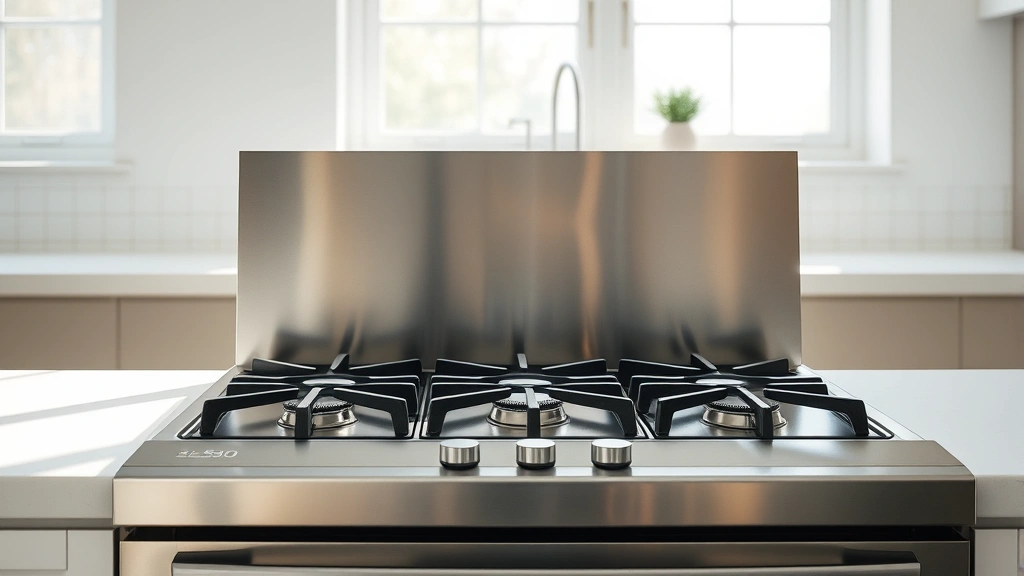
Are Gas Cooker Top Covers Eco-Friendly? Insights Here
Gas cooker top covers have become increasingly popular in modern kitchens, but their environmental impact remains a question many sustainability-conscious homeowners overlook. These protective covers serve practical purposes—keeping your stovetop clean and potentially improving heat efficiency—yet their manufacturing, materials, and lifecycle raise important eco-friendly considerations. Understanding whether gas cooker top covers align with your environmental values requires examining their composition, functionality, and role within broader kitchen sustainability practices.
The intersection of kitchen convenience and environmental responsibility often presents gray areas. Gas cooker top covers exemplify this complexity, offering tangible household benefits while simultaneously introducing material consumption questions. This comprehensive guide explores the environmental credentials of these covers, helping you make informed decisions about whether they fit into your sustainable living goals.
Understanding Gas Cooker Top Covers
Gas cooker top covers are protective barriers placed over stovetop burners when not in use. They serve multiple functions: preventing debris from entering burner ports, protecting the cooktop surface from spills and scratches, and potentially reducing heat loss during cooking. Available in various materials—stainless steel, silicone, glass, and composite materials—these covers have evolved from simple metal plates to sophisticated kitchen accessories.
The fundamental question about their eco-friendliness depends on several factors. Does a cover reduce overall energy consumption enough to justify its production? Can it be recycled responsibly? Does it extend your stovetop’s lifespan, thereby reducing replacement frequency? These considerations form the basis for evaluating whether gas cooker top covers qualify as environmentally responsible products. Before deciding, it’s worth exploring how to reduce your environmental footprint through kitchen choices.
Material Composition and Environmental Impact
The environmental credentials of gas cooker top covers begin with their material composition. Stainless steel covers represent the most common option, offering durability and heat resistance. Stainless steel production involves significant energy consumption and mining operations, particularly for extracting chromium and nickel. However, stainless steel’s recyclability and longevity can offset these initial environmental costs if the cover remains in use for decades.
Silicone covers present a different environmental profile. Derived from silicon dioxide and petroleum-based compounds, silicone production generates fewer emissions per unit than stainless steel but raises concerns about plastic-based materials and end-of-life degradation. Silicone’s flexibility and non-stick properties make it practical, yet environmental advocates question whether petroleum-derived materials align with sustainability goals.
Glass covers offer recyclable options with lower environmental footprints during production. Silica sand, the primary component, is abundantly available, and glass manufacturing has become increasingly efficient. Glass covers are fully recyclable and pose minimal environmental hazards during decomposition. Their brittleness, however, may result in shorter lifespans, potentially negating sustainability advantages.
Composite materials combining multiple substances create complex recycling challenges. These covers often blend plastics, metals, and other materials in ways that make separation difficult, potentially ending up in landfills rather than recycling streams. When evaluating sustainable energy solutions for your kitchen, material selection becomes crucial.
- Stainless steel: Highest production emissions, excellent recyclability, longest lifespan (15-20+ years)
- Silicone: Moderate production impact, limited recyclability, durable (5-10 years)
- Glass: Lower production emissions, fully recyclable, fragile (3-7 years)
- Composite: Variable impacts, poor recyclability, moderate lifespan (5-8 years)
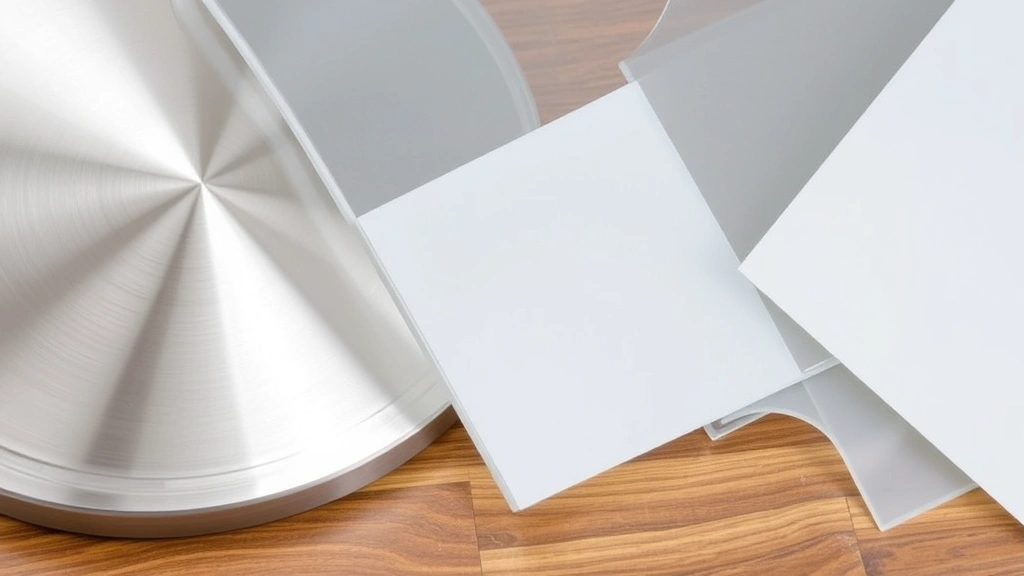
Manufacturing Processes and Carbon Footprint
The manufacturing phase represents a significant portion of any product’s environmental impact. Stainless steel cover production involves mining, smelting, rolling, and finishing processes that consume substantial electricity and generate greenhouse gases. A single stainless steel cover may account for 5-15 kilograms of CO2 equivalent emissions during manufacturing, depending on production efficiency and energy sources used.
Silicone manufacturing requires polymerization processes powered primarily by fossil fuels. These chemical reactions generate byproducts requiring careful waste management. Silicone covers typically produce 3-8 kilograms of CO2 equivalent during manufacturing, making them moderately carbon-intensive compared to alternatives.
Glass cover production involves heating silica to extremely high temperatures, consuming significant energy. However, modern glass manufacturing facilities increasingly utilize renewable energy sources, particularly solar and wind power. This shift toward renewable-powered production substantially reduces glass covers’ carbon footprints, potentially making them the most sustainable manufacturing option when sourced from environmentally conscious producers.
Understanding manufacturing impacts requires examining producer practices. Companies implementing green technology innovations demonstrate commitment to reducing production emissions through renewable energy adoption, waste minimization, and efficient processes. Researching manufacturer sustainability reports provides transparency about actual environmental costs.
Energy Efficiency Considerations
Beyond manufacturing impacts, gas cooker top covers influence operational energy consumption. Heat retention benefits represent the primary efficiency argument. When covers remain in place between cooking sessions, they theoretically reduce heat loss from the stovetop, potentially lowering overall kitchen temperatures and reducing air conditioning demands in warm climates.
Quantifying these benefits proves challenging. Laboratory studies suggest covers might reduce heat loss by 5-15 percent during non-cooking periods, translating to minimal energy savings in most households. A family using their stove four hours daily might save 2-5 percent on cooking-related energy consumption through cover use—equivalent to roughly 10-25 kilowatt-hours annually, or $1-3 in energy costs.
This modest operational benefit must be weighed against manufacturing impacts. A stainless steel cover’s production emissions (10-15 kg CO2) would require 5-15 years of consistent use to offset through energy savings. Glass covers break even faster, within 2-4 years, due to lower manufacturing impacts. Silicone covers achieve payback periods of 3-6 years.
Ventilation considerations introduce additional complexity. Covers must be removed during cooking to prevent dangerous gas buildup and ensure proper ventilation. This requirement limits their operational efficiency benefits, as covers remain in place only during non-cooking hours when heat loss matters less. Proper understanding of natural gas consumption patterns helps contextualize these efficiency gains.
Durability and Lifespan Analysis
Product longevity fundamentally determines environmental sustainability. A cover lasting 20 years represents a superior environmental choice compared to one requiring replacement every 5 years, even if the longer-lasting option has higher initial manufacturing impacts.
Stainless steel covers excel in durability. Resistant to corrosion, heat damage, and physical stress, quality stainless steel covers often outlast the appliances they protect. This exceptional lifespan justifies higher manufacturing impacts, as environmental costs distribute across decades of use. A stainless steel cover purchased today might remain functional for your entire kitchen’s lifetime.
Silicone covers demonstrate moderate durability. They resist heat and maintain flexibility over years but gradually degrade through heat exposure and oxidation. Most silicone covers function adequately for 5-10 years before becoming sticky or discolored, though they may not fail functionally. This moderate lifespan creates environmental inefficiency, requiring replacement more frequently than alternatives.
Glass covers present durability challenges. While glass itself is chemically inert and doesn’t degrade, physical breakage poses constant risks. A dropped glass cover shatters, becoming waste rather than a usable product. This fragility creates unpredictable lifespans, ranging from immediate failure to a decade of use. For households with children or frequent kitchen activity, glass covers may prove impractical despite theoretical sustainability advantages.
Composite covers typically exhibit poor longevity. Material degradation accelerates through repeated heating cycles, and glue bonds joining different materials weaken over time. Most composite covers require replacement within 5-8 years, creating unnecessary waste and environmental burden.
Recycling and End-of-Life Options
A truly eco-friendly product addresses its entire lifecycle, including responsible end-of-life management. This final phase separates genuinely sustainable options from those merely appearing environmentally conscious.
Stainless steel recyclability represents a significant environmental advantage. Stainless steel is infinitely recyclable without quality degradation. When covers reach end-of-life, they enter metal recycling streams where they’re melted down and reformed into new products. Steel recycling consumes 60 percent less energy than primary steel production, making recycled stainless steel particularly valuable. Most municipal recycling programs accept stainless steel, though some require dropping items at specialized metal recycling facilities.
Silicone recycling challenges complicate sustainability. While silicone is technically recyclable, few municipal programs accept it. Specialized silicone recyclers exist but operate in limited geographic areas, making access difficult for most consumers. Many silicone covers end up in landfills where they persist indefinitely, as silicone doesn’t biodegrade. Some companies now developing chemical recycling methods for silicone, though these technologies remain nascent and unavailable at consumer scale.
Glass recyclability is straightforward. Glass enters standard recycling streams in virtually all communities, where it’s crushed and reformed into new glass products or used as aggregate material. The recycling process consumes minimal energy compared to virgin glass production, making glass covers environmentally responsible at end-of-life. However, recycling facilities may reject very thin glass items, so verify local requirements before assuming your glass cover is recyclable.
Composite material challenges make end-of-life management problematic. Covers combining multiple bonded materials resist separation, preventing efficient recycling. Most composite covers cannot be recycled through standard programs and become landfill waste. This end-of-life liability substantially undermines any sustainability claims composite covers might make.
For responsible disposal, research local options before purchasing. Contact your EPA recycling information center or municipality to confirm which materials your community accepts. This proactive approach ensures your cover can be properly recycled rather than contributing to landfill accumulation.
Comparing Alternatives
Evaluating gas cooker top covers’ sustainability requires comparing them to alternative solutions addressing the same kitchen challenges.
Splatter screens offer lightweight alternatives providing some protection benefits without full coverage. Made from fine mesh metal, splatter screens prevent cooking debris from contacting the stovetop while allowing ventilation. They’re cheaper, lighter, and fully recyclable, though they don’t provide heat retention or complete surface protection. For kitchens prioritizing splash prevention over comprehensive coverage, splatter screens may represent superior environmental choices.
Stovetop organizers and storage solutions address clutter concerns differently. Rather than covering cooktops, these alternatives provide dedicated spaces for frequently used cooking items, reducing the need for covers as organizational tools. Some households purchase covers primarily for storage convenience; alternative organization methods might eliminate this motivation entirely.
Improved ventilation systems address moisture and odor concerns that sometimes motivate cover use. Modern range hoods with efficient filtration reduce kitchen moisture and heat buildup, decreasing perceived need for covers. Investing in quality ventilation may prove more environmentally responsible than purchasing protective covers, while simultaneously improving indoor air quality.
Regular cleaning practices provide the most fundamental alternative. Diligent stovetop maintenance prevents buildup requiring protective measures. While labor-intensive, this approach requires no manufactured products and eliminates manufacturing impacts entirely. For environmentally committed households, enhanced cleaning routines might suffice without cover purchases.
Understanding these alternatives helps contextualize whether gas cooker top covers genuinely serve your kitchen needs or represent unnecessary consumption. Many households discover existing solutions adequately address their concerns, rendering cover purchases unnecessary.
Making Sustainable Kitchen Choices
If you determine that gas cooker top covers align with your kitchen needs, several strategies maximize their environmental sustainability.
Prioritize stainless steel when durability matters most. Despite higher manufacturing impacts, stainless steel covers’ exceptional longevity and recyclability make them environmentally superior to frequently replaced alternatives. Select high-quality options from manufacturers emphasizing durable construction, ensuring your cover lasts decades.
Choose glass covers if you prioritize lower manufacturing impacts and live in stable kitchen environments where breakage risk is minimal. Glass covers combine relatively low production emissions with straightforward recyclability, offering solid sustainability credentials for households where durability isn’t compromised by frequent accidents.
Avoid silicone and composite covers when sustainability represents a genuine priority. Their moderate durability and poor recyclability create environmental inefficiency, requiring replacement too frequently to justify production impacts. These materials may offer convenience, but genuine eco-consciousness suggests alternatives.
Research manufacturer practices before purchasing. Select companies demonstrating commitment to sustainable practices through SustainWise Hub Blog resources. Review sustainability reports, manufacturing processes, and end-of-life recycling programs. Manufacturers transparently discussing environmental impacts deserve your business over those making vague sustainability claims.
Verify recyclability before purchasing. Confirm that your municipality accepts your chosen cover material in standard recycling programs. Contact your local waste management authority or research through online databases. This verification ensures your sustainability intentions translate into actual recycling rather than wishful thinking.
Consider whether you genuinely need covers. Honestly assess whether covers address real kitchen challenges or represent unnecessary consumption. Many households function adequately without them, relying instead on regular cleaning and proper ventilation. If covers aren’t essential, the most sustainable option is not purchasing them.
Integrating gas cooker top covers into broader kitchen sustainability requires examining your complete cooking approach. Explore advantages of electric vehicles to understand how transportation choices complement kitchen sustainability, recognizing that comprehensive environmental responsibility spans multiple lifestyle dimensions.
FAQ
Are gas cooker top covers worth buying for environmental reasons?
Gas cooker top covers provide modest energy savings (1-5 percent of cooking energy) that require 3-15 years to offset manufacturing impacts, depending on material. Unless you plan keeping covers for many years, environmental benefits remain marginal. Their value depends more on practical kitchen needs than sustainability credentials.
Which material is most eco-friendly for cooker covers?
Stainless steel offers the best overall environmental profile due to exceptional durability (20+ years) and infinite recyclability. Glass provides lower manufacturing impacts and straightforward recycling but risks breakage. Silicone and composite materials should be avoided due to poor recyclability and moderate durability.
Can gas cooker top covers be recycled?
Stainless steel and glass covers are readily recyclable through standard municipal programs. Silicone and composite covers present recycling challenges, with most ending up in landfills. Always verify your local recycling program’s material acceptance before purchasing.
Do cooker covers actually save energy?
Covers provide 5-15 percent heat loss reduction during non-cooking periods, translating to roughly 1-5 percent overall cooking energy savings. This modest benefit requires years of use to offset manufacturing impacts, making operational efficiency a secondary rather than primary sustainability factor.
What’s the environmental impact of manufacturing gas cooker covers?
Stainless steel covers generate 10-15 kg CO2 equivalent during manufacturing. Glass covers produce 3-6 kg CO2 equivalent. Silicone covers account for 3-8 kg CO2 equivalent. Manufacturing represents the largest environmental cost, making durability and recyclability crucial for overall sustainability.
Are there sustainable alternatives to gas cooker top covers?
Yes, alternatives include splatter screens, improved ventilation systems, stovetop organizers, and enhanced cleaning practices. These options may address specific kitchen needs without purchasing covers, potentially proving more environmentally responsible for households where covers aren’t essential.
How long do different cooker cover materials last?
Stainless steel covers typically last 15-20+ years. Glass covers function 3-7 years before breaking. Silicone covers remain usable 5-10 years before degrading. Composite covers last 5-8 years. Durability directly influences environmental sustainability, making longevity a crucial purchasing consideration.
Should I prioritize environmental factors over practicality when choosing covers?
Balance environmental considerations with genuine kitchen needs. If covers serve important functions in your household, choose the most sustainable option. If covers remain unnecessary, the most sustainable choice is not purchasing them. Authentic sustainability requires honest assessment of actual needs rather than guilt-driven consumption.


