Gas Fireplaces: Eco-Friendly Heating Option?
When winter temperatures drop, many homeowners seek efficient heating solutions that balance comfort with environmental responsibility. Gas fireplaces, particularly gas fireplace inserts with blowers, have emerged as a popular middle-ground option. But do they truly qualify as eco-friendly heating solutions, or is this merely a marketing narrative? This comprehensive guide explores the environmental impact, efficiency metrics, and sustainability considerations of gas fireplaces to help you make an informed decision about your home heating strategy.
The debate surrounding gas fireplaces centers on a fundamental tension: while they produce fewer emissions than traditional wood-burning fireplaces, they still rely on fossil fuels and contribute to carbon emissions. Understanding this nuance is essential for homeowners committed to reducing their environmental footprint while maintaining comfort during cold months. This article examines the scientific evidence, environmental implications, and practical alternatives to help you navigate this complex heating landscape.
Understanding Gas Fireplace Inserts with Blowers
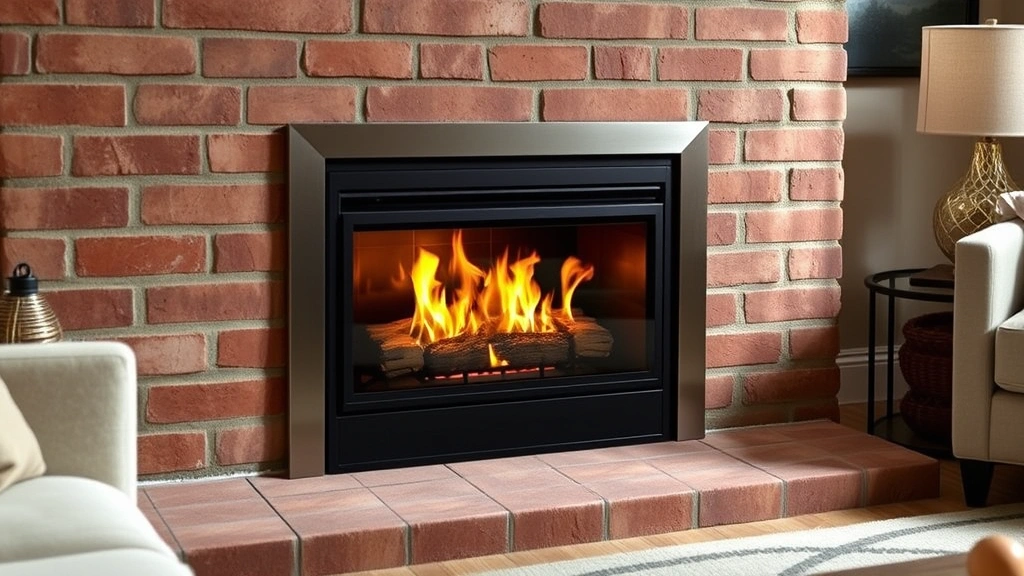
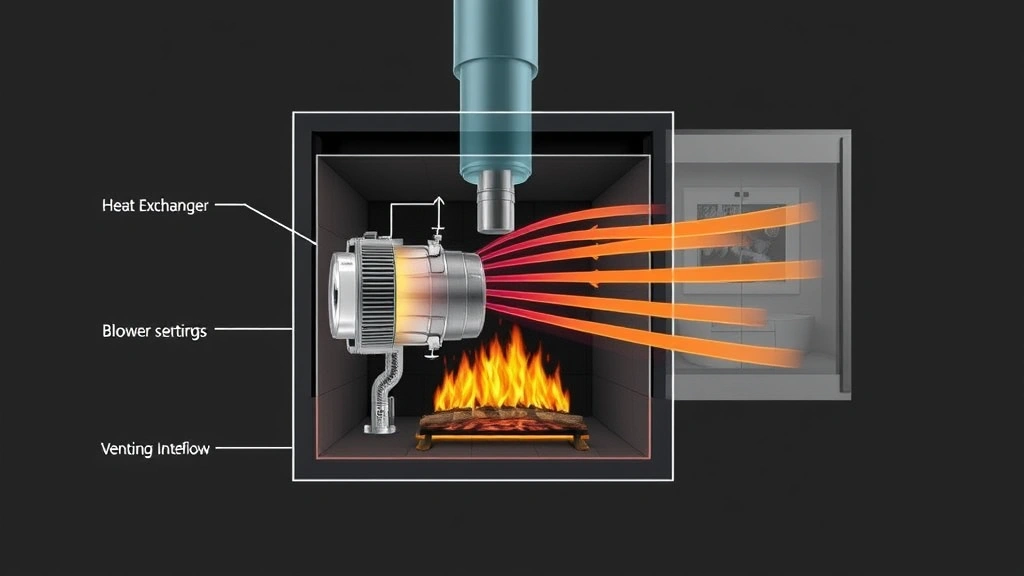
A gas fireplace insert with blower is a heating appliance designed to fit into existing masonry fireplaces or standalone installations. Unlike traditional fireplaces that allow substantial heat loss up the chimney, inserts capture and distribute warmth throughout your home more efficiently. The blower component—essentially a fan system—actively circulates heated air into living spaces rather than allowing it to escape passively.
These devices operate by burning natural gas or propane to generate heat, which is then distributed through ductwork or open room circulation. Modern inserts come equipped with various features including thermostatic controls, variable flame heights, and remote operation capabilities. The blower system typically runs on electricity and can significantly increase the heating effectiveness of the unit compared to non-blower models.
Understanding how these systems function is crucial when evaluating their environmental credentials. The efficiency of a gas fireplace insert depends on several factors: the quality of the unit itself, proper installation, maintenance practices, and how frequently it operates. As part of your broader home heating strategy, these inserts can either enhance or hinder your sustainable energy solutions, depending on how they’re utilized and integrated with other heating systems.
Energy Efficiency and Performance Metrics
Gas fireplace inserts with blowers demonstrate significantly higher efficiency ratings compared to traditional open fireplaces. Standard fireplaces typically operate at 10-15% efficiency, meaning 85-90% of heat escapes up the chimney. In contrast, quality gas fireplace inserts can achieve efficiency ratings between 60-90%, depending on the model and installation quality.
The Annual Fuel Utilization Efficiency (AFUE) rating provides a standardized measurement for comparing heating appliances. Most modern gas fireplace inserts achieve AFUE ratings of 70-85%, which indicates the percentage of fuel energy converted into usable heat. This substantial improvement over traditional fireplaces makes inserts considerably more efficient for supplemental heating purposes.
However, efficiency ratings alone don’t tell the complete environmental story. The electricity required to operate the blower system adds to the overall energy consumption, though this is typically minimal compared to the heating output. When properly sized for your space and operated as a supplemental heat source rather than primary heating, a gas fireplace insert with blower can reduce your overall heating energy consumption by 15-30% compared to relying solely on central heating systems.
Environmental Impact Assessment
Evaluating the environmental impact of gas fireplaces requires examining their complete lifecycle: fuel extraction, transportation, combustion, and disposal. Natural gas and propane are fossil fuels, which means their use contributes to greenhouse gas emissions and climate change. However, the environmental impact differs significantly from burning wood or coal, and varies depending on your regional electricity grid composition.
The carbon footprint of operating a gas fireplace insert with blower depends on several variables. Natural gas produces approximately 50% fewer carbon emissions than coal per unit of energy but still contributes meaningfully to climate change. If you’re using this system to supplement or replace electric heating powered by renewable sources, the environmental benefit may be minimal or even negative. Conversely, in regions where electricity is generated primarily from coal or natural gas plants, a gas fireplace might represent a more efficient heating option.
The EPA’s guidelines on residential heating emphasize that while gas heating produces fewer particulate emissions than wood burning, it still generates carbon dioxide and other greenhouse gases. This distinction is important: gas fireplaces are cleaner than wood-burning alternatives but not carbon-neutral or truly renewable.
Methane leakage presents another environmental consideration. Natural gas extraction, processing, and distribution involve potential methane releases—methane being a greenhouse gas approximately 25-28 times more potent than carbon dioxide over a 100-year period. While modern distribution infrastructure has reduced these losses, they remain a legitimate environmental concern when evaluating the true carbon footprint of natural gas heating.
Emissions and Air Quality Concerns
Gas combustion produces several byproducts that affect indoor and outdoor air quality. Primary emissions include carbon dioxide (CO₂), water vapor, nitrogen oxides (NOₓ), and carbon monoxide (CO). Modern sealed gas fireplace inserts with proper venting minimize indoor air quality impacts by directing combustion byproducts outdoors through dedicated venting systems.
The distinction between sealed and non-sealed units is critical. Sealed units pull combustion air from outside and exhaust directly outdoors, preventing indoor air quality degradation. Non-sealed units draw combustion air from your home’s interior, which can create pressure imbalances and potentially draw radon, carbon monoxide, or other contaminants into living spaces. When considering a gas fireplace insert with blower, always prioritize sealed models with proper venting.
Nitrogen oxide emissions deserve particular attention. NOₓ contributes to ground-level ozone formation and respiratory health issues. The EPA’s emission standards for residential heating equipment establish limits for NOₓ and other pollutants, though enforcement varies by region. Modern gas fireplace inserts generally meet or exceed current EPA standards, but older models may not.
Indoor air quality impacts extend beyond direct emissions. The blower system can distribute heated air throughout your home, but if the unit isn’t properly maintained, it may circulate dust, allergens, or other contaminants. Regular filter replacement and professional inspection minimize these risks and maintain both efficiency and air quality.

Cost Considerations and Long-Term Savings
The financial analysis of gas fireplace inserts with blowers involves multiple cost categories: equipment purchase, installation, fuel, maintenance, and potential repairs. A quality gas fireplace insert typically costs between $1,500-$4,000, with professional installation adding another $500-$2,000 depending on complexity and venting requirements.
Operating costs depend on your local natural gas or propane prices and usage patterns. If you operate the insert as supplemental heating for 4-6 months annually, expect fuel costs between $200-$600 per heating season, depending on frequency of use and regional energy prices. This is substantially lower than electric heating for equivalent comfort but higher than heat pump systems in moderate climates.
Long-term savings emerge when you replace an inefficient heating system or eliminate dependence on expensive electric resistance heating. For homeowners with oil heating systems, gas fireplace inserts can provide significant savings. However, if you already have an efficient heat pump or modern electric heating system powered by renewable energy, the economic and environmental case for gas fireplace inserts weakens considerably.
Maintenance costs remain relatively modest, typically $100-$300 annually for professional inspection and cleaning. This is lower than wood-burning fireplace maintenance but should be factored into your cost analysis. Understanding these financial implications helps contextualize the advantages of natural gas compared to other heating options.
Comparing Heating Alternatives
To properly assess whether a gas fireplace insert with blower represents an eco-friendly choice, we must compare it against available alternatives. The optimal heating solution varies based on your climate, existing infrastructure, financial resources, and sustainability priorities.
Heat Pump Systems represent the most environmentally progressive option in most climates. Modern cold-climate heat pumps achieve efficiency ratings exceeding 300%, meaning they deliver three units of heat for every unit of electricity consumed. When powered by renewable energy sources, heat pumps are genuinely carbon-neutral. However, installation costs range from $5,000-$15,000, making them inaccessible for many homeowners.
Electric Resistance Heating provides baseline efficiency (100%) but offers no environmental advantage unless your electricity comes from renewable sources. Gas fireplace inserts outperform electric resistance heating in most scenarios, particularly in regions dependent on fossil fuel power generation.
Wood-Burning Fireplaces and Stoves can be carbon-neutral if sourced from sustainably managed forests, but they produce substantial particulate matter, nitrogen oxides, and other air pollutants. They’re far less efficient than gas alternatives and contribute significantly to indoor and outdoor air quality degradation. Modern EPA-certified wood stoves perform better than traditional fireplaces but still lag behind gas alternatives in efficiency and emissions.
Oil Heating Systems are substantially more carbon-intensive than natural gas, making gas fireplace inserts a clear upgrade if you’re transitioning away from oil heating. Oil also produces more particulate matter and sulfur compounds, affecting both air quality and environmental health.
The principles of sustainability suggest evaluating your heating options holistically. For many homeowners, a hybrid approach combining efficient central heating with supplemental gas fireplace inserts offers practical environmental benefits while maintaining comfort and affordability.
Installation and Maintenance Requirements
Proper installation is essential for both safety and environmental performance. Gas fireplace inserts require professional installation to ensure correct venting, gas line connections, and blower integration. Improper installation can lead to safety hazards, inefficiency, and environmental concerns.
Venting options include direct vent (sealed combustion), natural draft, and power vent configurations. Direct vent systems are most environmentally responsible as they minimize indoor air quality impacts and operate efficiently regardless of weather conditions. Natural draft systems depend on chimney draw and are less reliable in poorly sealed modern homes. Power vent systems use electricity to exhaust gases, adding to energy consumption.
Maintenance requirements are straightforward but essential. Annual professional inspection and cleaning prevent buildup that reduces efficiency and increases emissions. The glass front should be cleaned regularly to maintain visibility and aesthetic appeal. The blower system requires occasional filter replacement—typically annually or more frequently if dust levels are high. Gas line connections should be inspected for leaks using soap solutions, particularly before each heating season.
Proper maintenance ensures your gas fireplace insert with blower operates at peak efficiency and maintains environmental performance throughout its lifespan. Neglected units become progressively less efficient, increasing fuel consumption and emissions while reducing heat output.
Making a Sustainable Choice
After comprehensive analysis, gas fireplace inserts with blowers represent a middle-ground heating option: significantly more efficient and cleaner than traditional fireplaces or wood burning, but less environmentally progressive than modern heat pump systems. The sustainability of choosing this option depends entirely on your specific circumstances.
Gas fireplace inserts make the most sense environmentally when:
- Replacing an existing open fireplace or wood-burning stove that you already use
- Supplementing inefficient electric resistance heating in a moderate climate
- Transitioning away from oil heating systems
- You lack access to natural gas grid infrastructure (propane inserts are still more efficient than alternatives)
- Your region’s electricity grid relies heavily on fossil fuel generation
Gas fireplace inserts are less justifiable environmentally when:
- You have access to renewable energy sources and efficient heat pump systems
- Your electricity comes primarily from renewable sources
- You’re installing new heating infrastructure rather than retrofitting existing equipment
- You plan to use the insert as primary heating rather than supplemental warmth
- Your climate allows efficient operation of air-source or ground-source heat pumps
The most sustainable approach involves honest assessment of your heating needs, available alternatives, and long-term goals. Consider consulting with HVAC professionals who can provide unbiased analysis of your specific situation. Many utility companies offer energy audits that identify the most efficient heating solutions for your home, helping you make data-driven decisions aligned with both environmental and financial goals.
Remember that heating efficiency extends beyond equipment selection. Improving insulation, sealing air leaks, and installing smart thermostats can reduce heating demands by 15-30%, potentially eliminating the need for supplemental heating altogether. Before investing in a gas fireplace insert with blower, explore these foundational efficiency improvements that benefit your home regardless of which primary heating system you employ.
Frequently Asked Questions
Are gas fireplace inserts with blowers truly eco-friendly?
Gas fireplace inserts are more environmentally responsible than traditional fireplaces or wood-burning alternatives, but they’re not genuinely eco-friendly since they burn fossil fuels. They represent a practical middle-ground for supplemental heating when properly selected and maintained. Their environmental impact varies significantly based on your regional electricity grid composition and available alternatives.
What efficiency rating should I look for in a gas fireplace insert?
Aim for units with AFUE ratings of 75% or higher. Models certified by the Air-Conditioning, Heating, and Refrigeration Institute provide verified efficiency data. Higher efficiency ratings reduce fuel consumption and emissions, though installation quality and usage patterns also significantly impact real-world performance.
How do gas fireplace inserts compare to heat pumps environmentally?
Modern heat pumps are substantially more environmentally progressive, achieving efficiency ratings exceeding 300% and producing zero direct emissions when powered by renewable electricity. However, heat pumps require significant upfront investment ($5,000-$15,000) and may not perform optimally in very cold climates. Gas fireplace inserts offer a more affordable supplemental heating option for many homeowners.
Can I use a gas fireplace insert as my primary heating system?
While technically possible, this isn’t recommended environmentally or practically. Gas fireplace inserts are designed as supplemental heating for specific rooms or zones. Using them as primary heating increases fuel consumption, emissions, and operating costs compared to central heating systems. Central heating distributes warmth more efficiently throughout your entire home.
What maintenance does a gas fireplace insert with blower require?
Annual professional inspection and cleaning are essential. Filter replacement typically occurs annually or more frequently if dust levels are high. Gas line connections should be checked for leaks before each heating season. Regular maintenance ensures optimal efficiency, safety, and environmental performance throughout the unit’s lifespan.
Are sealed gas fireplace inserts better than non-sealed models?
Yes, definitively. Sealed units draw combustion air from outside and exhaust directly outdoors, preventing indoor air quality degradation. Non-sealed units can create pressure imbalances and potentially draw contaminants indoors. Always prioritize sealed models with proper venting, particularly if you’re concerned about indoor air quality and environmental health.
What’s the typical lifespan of a gas fireplace insert with blower?
Quality gas fireplace inserts typically last 15-25 years with proper maintenance. The blower motor may require replacement after 10-15 years, costing $300-$800. Understanding expected lifespan helps contextualize long-term costs and environmental impact calculations when comparing heating alternatives.


