
Is a Gas Tank Eco-Friendly? Expert Analysis
The question of whether a gas tank is eco-friendly requires a nuanced examination of environmental impact, efficiency standards, and modern alternatives. Traditional gasoline storage and combustion systems have long been scrutinized by environmental scientists and sustainability advocates. Understanding the full lifecycle implications—from extraction and refining to combustion emissions and tank degradation—is essential for making informed decisions about energy consumption and household sustainability.
Gas tanks, whether for vehicles, heating systems, or backup generators, represent a significant component of our fossil fuel infrastructure. The environmental footprint extends far beyond the moment fuel ignites; it encompasses resource extraction, manufacturing processes, transportation, storage safety concerns, and ultimately, greenhouse gas emissions. As climate awareness grows and alternative energy solutions emerge, evaluating whether traditional gas tanks align with eco-friendly principles has become increasingly important for environmentally conscious consumers.
Understanding Gas Tank Environmental Impact
Gas tanks serve as storage vessels for refined petroleum products, and their environmental impact begins long before fuel enters the tank. The petroleum extraction process itself disrupts ecosystems, consumes vast quantities of water, and generates significant carbon emissions through drilling operations and transportation. Once refined, gasoline is stored in tanks that must be manufactured, transported, and maintained—each step carrying environmental costs.
When examining whether a gas tank is truly eco-friendly, we must consider the entire supply chain. Refineries consume enormous amounts of energy, primarily from fossil fuels themselves, creating a circular dependency. The infrastructure supporting gas tanks—pipelines, distribution networks, gas stations—represents billions of dollars in environmental investment that perpetuates reliance on fossil fuels. This systemic dependency makes individual gas tanks problematic from a holistic sustainability perspective.
The storage itself presents environmental challenges. Metal corrosion, seal degradation, and manufacturing defects can lead to leaks that contaminate groundwater and soil. Even properly functioning gas tanks contribute to atmospheric pollution through evaporative emissions—volatile organic compounds that escape during refueling and normal operation. These emissions contribute to ground-level ozone formation and respiratory health issues in communities near gas stations and highways.

Carbon Emissions and Climate Contribution
The most significant environmental concern with gas tanks is the carbon dioxide and other greenhouse gases released during fuel combustion. When gasoline stored in a tank is burned—whether in a vehicle engine, heating furnace, or generator—it releases carbon dioxide that accumulates in the atmosphere and contributes directly to climate change. A single gallon of gasoline produces approximately 20 pounds of CO₂ when combusted, making fuel consumption one of the largest sources of personal carbon footprints.
According to the EPA’s greenhouse gas emissions data, transportation accounts for approximately 27% of total U.S. emissions, with the vast majority coming from vehicles powered by gasoline tanks. This statistic underscores the climate impact of our dependence on gas tank-fueled transportation. Beyond direct emissions, methane leakage during natural gas extraction and distribution adds another layer of climate concern, as methane is 28-34 times more potent than CO₂ over a 100-year period.
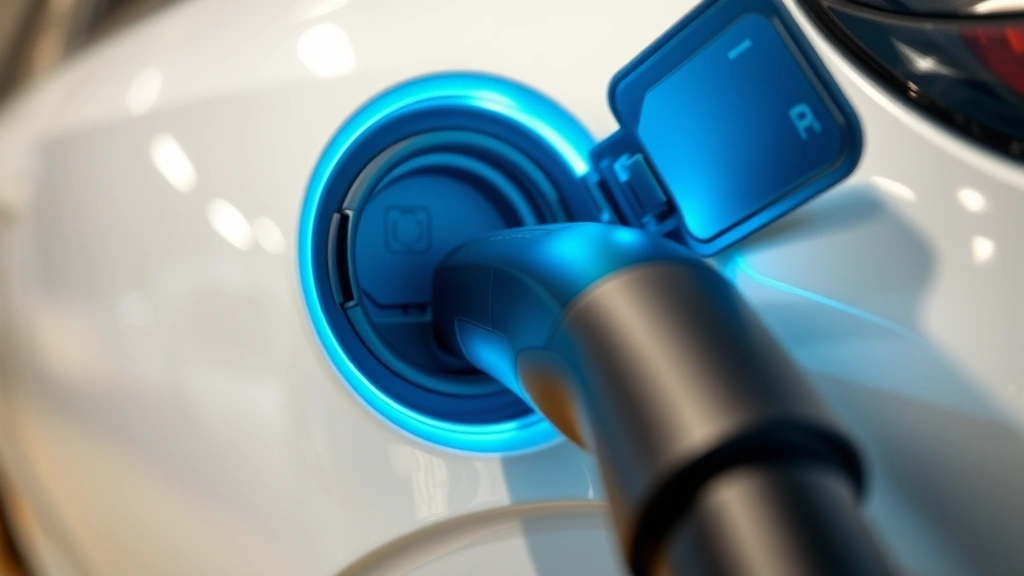
The trajectory of climate science indicates that transitioning away from fossil fuel-powered systems is essential to meet Paris Agreement targets and limit global warming to 1.5°C. Gas tanks represent outdated technology in this context. Advantages of electric vehicles include zero direct emissions, making them substantially more climate-friendly alternatives. As renewable electricity generation expands, the emissions profile of electric vehicles improves continuously, whereas gas tanks remain locked into fossil fuel dependency.
IMAGE_2
Manufacturing and Material Concerns
The production of gas tanks involves resource-intensive manufacturing processes. Steel or aluminum tanks must be mined, refined, shaped, and assembled—each stage requiring significant energy inputs and generating industrial waste. The mining of these materials often involves habitat destruction, water pollution, and displacement of indigenous communities in developing nations where many raw materials originate.
Tank manufacturing also involves protective coatings and linings designed to prevent corrosion and maintain fuel integrity. These coatings frequently contain volatile organic compounds and heavy metals that pose environmental and occupational health risks during production. Workers in manufacturing facilities face exposure to toxic substances, while industrial waste streams contaminate local water supplies and ecosystems.
When gas tanks reach end-of-life, recycling options exist but are not universally implemented. Many tanks end up in landfills where they contribute to soil and groundwater contamination. Residual fuel vapors in discarded tanks can ignite during crushing or processing, creating workplace hazards and air pollution. The circular economy principles that guide true sustainability suggest that gas tank infrastructure is fundamentally misaligned with waste reduction goals.
Safety and Leakage Issues
Beyond climate and manufacturing concerns, gas tanks present ongoing safety and environmental hazards through potential leaks and spills. Underground storage tanks, commonly found at gas stations and commercial facilities, have leaked over 15 million gallons of fuel into American groundwater since the 1980s, according to EPA records. These leaks contaminate drinking water sources, require expensive remediation, and create long-term ecological damage.
Residential heating systems with natural gas detectors acknowledge the inherent risks of gas storage in homes. Leaks can occur from corroded pipes, faulty connections, or tank deterioration, releasing methane into living spaces and outdoor air. Methane leakage from residential gas systems contributes significantly to methane emissions, particularly in older homes where infrastructure maintenance has been deferred.
Vehicle fuel tanks can rupture in accidents, spilling gasoline into soil and waterways. Fuel tank degradation accelerates in vehicles exposed to road salt and temperature extremes, increasing leak probability over time. These environmental incidents are not anomalies—they represent predictable consequences of widespread gas tank deployment in an aging infrastructure system.
IMAGE_3
Comparing Gas Tanks to Alternative Energy
Understanding whether gas tanks are eco-friendly requires comparison to viable alternatives. Electric vehicles powered by renewable energy eliminate direct emissions entirely and reduce lifecycle emissions by 50-70% compared to gasoline vehicles, even accounting for electricity generation. Battery technology continues improving, with recycling programs recovering valuable materials and reducing manufacturing impacts for future batteries.
For home heating, gas dryer versus electric dryer comparisons reveal similar patterns—electric alternatives powered by renewable electricity outperform fossil fuel systems on environmental metrics. Heat pump technology now provides efficient heating and cooling without fossil fuel combustion, achieving carbon neutrality when powered by clean electricity grids.
Sustainable energy solutions increasingly emphasize distributed renewable generation—solar panels, wind turbines, and battery storage—which eliminate the need for centralized fossil fuel infrastructure entirely. These systems align with true sustainability by reducing resource extraction, minimizing transportation impacts, and creating resilient local energy systems.
For backup power, modern battery systems provide reliable alternatives to gas generators. While initial costs exceed traditional generators, lifecycle analysis demonstrates superior environmental and economic performance. Green technology innovations continue expanding the viability and affordability of fossil fuel alternatives across all applications currently served by gas tanks.
Efficiency Standards and Regulations
Governments worldwide have implemented efficiency standards and emissions regulations to reduce gas tank environmental impact, yet these measures represent incremental improvements rather than fundamental solutions. Corporate Average Fuel Economy (CAFE) standards in the United States require automakers to achieve fleet-wide fuel efficiency targets, but improvements have plateaued as consumers increasingly choose larger vehicles.
Emissions regulations cap certain pollutants but do not address the core problem: carbon dioxide released during fuel combustion. Fuel efficiency improvements mean less gasoline consumed per mile, but continued reliance on gas tanks perpetuates fossil fuel extraction and climate emissions. Regulatory approaches treat symptoms while ignoring the underlying incompatibility between gas tank technology and climate stability.
The U.S. Department of Energy’s fuel economy ratings provide transparency about vehicle efficiency, yet even the most efficient gas-powered vehicles emit more carbon per mile than electric alternatives powered by average grid electricity. This reality demonstrates that incremental improvements to gas tank technology cannot achieve the emissions reductions required by climate science.
Making Sustainable Choices
For consumers evaluating whether to maintain gas tank-dependent systems or transition to alternatives, several factors warrant consideration. How to save energy at home through system upgrades represents one of the highest-impact personal sustainability decisions available.
Transportation choices: Transitioning from gasoline vehicles to electric alternatives offers the most significant emissions reduction opportunity for most households. Even used electric vehicles provide superior environmental performance compared to new gas-powered cars. For those unable to eliminate vehicle ownership, maximizing fuel efficiency through vehicle selection and driving behavior extends gas tank use while awaiting transition opportunities.
Home heating and hot water: Replacing gas furnaces and water heaters with electric heat pumps and on-demand electric systems eliminates direct fossil fuel consumption. Renewable electricity from solar panels or community renewable programs further improves environmental performance. While conversion requires upfront investment, long-term operational savings and environmental benefits justify the expense.
Backup power systems: Battery backup systems paired with solar generation provide reliable power without gas generators. These systems offer superior resilience during grid outages while eliminating fuel storage requirements and emissions during operation. Battery costs have declined 89% over the past decade, making this transition increasingly accessible.
Advocacy and policy: Individual choices matter, but systemic change requires supportive policy. Supporting candidates and organizations advocating for renewable energy infrastructure, electric vehicle incentives, and fossil fuel regulation accelerates the transition away from gas tank dependency. Community solar programs, municipal electric vehicle charging networks, and building electrification initiatives create infrastructure enabling widespread adoption of gas tank alternatives.
The honest answer to whether gas tanks are eco-friendly is unambiguous: they are not. While modern gas tanks function reliably and provide familiar energy storage solutions, their environmental impact—from extraction through combustion—fundamentally conflicts with climate stability and ecological health objectives. The technology represents a transitional phase that must be replaced by renewable and electric alternatives to achieve genuine sustainability.
FAQ
Are modern gas tanks more eco-friendly than older models?
Modern gas tanks incorporate improved sealing technology and corrosion resistance, reducing leak probability compared to older systems. However, these incremental improvements do not address the fundamental environmental problem: combustion of fossil fuels produces greenhouse gases regardless of tank quality. Enhanced efficiency represents marginal progress, not a solution to climate impact.
Can gas tanks be recycled sustainably?
Steel and aluminum components can be recycled, recovering valuable materials for reuse. However, residual fuel contamination complicates recycling processes and creates safety hazards. Additionally, recycling merely delays the environmental impact of manufacturing new tanks—the better approach is eliminating gas tank dependency entirely through transition to alternative energy systems.
What is the carbon footprint of a typical gas tank?
A gas tank’s carbon footprint includes manufacturing emissions (approximately 10-20 kg CO₂ equivalent), transportation and installation (2-5 kg CO₂), and operational emissions from fuel combustion. For a vehicle driven 150,000 miles, combustion emissions total approximately 60,000 kg CO₂, dwarfing all other lifecycle impacts. This calculation demonstrates that fuel combustion represents the dominant environmental concern.
How do gas tanks compare to propane tanks environmentally?
Propane tanks store liquefied petroleum gas, which produces similar carbon emissions per unit energy as gasoline. While propane burns more completely than gasoline in some applications, producing marginally fewer particulate emissions, it remains a fossil fuel with comparable climate impact. Neither gas tank type qualifies as eco-friendly.
What timeline should guide gas tank phase-out?
Climate science indicates that fossil fuel phase-out must accelerate dramatically to limit warming to 1.5°C. Most developed nations have committed to eliminating new gas-powered vehicle sales by 2035-2040, with some targeting 2030. Home heating system conversions should follow similar timelines. Delaying transition extends fossil fuel infrastructure dependency and increases climate risk.
Are there eco-friendly gas tank alternatives for remote locations?
Remote areas lacking reliable electricity grids face genuine challenges transitioning from gas tanks. However, distributed renewable systems—solar, wind, and battery storage—increasingly provide viable alternatives even in remote settings. Hybrid systems combining renewable generation with efficient battery storage can eliminate gas tank dependency across diverse geographic contexts.


