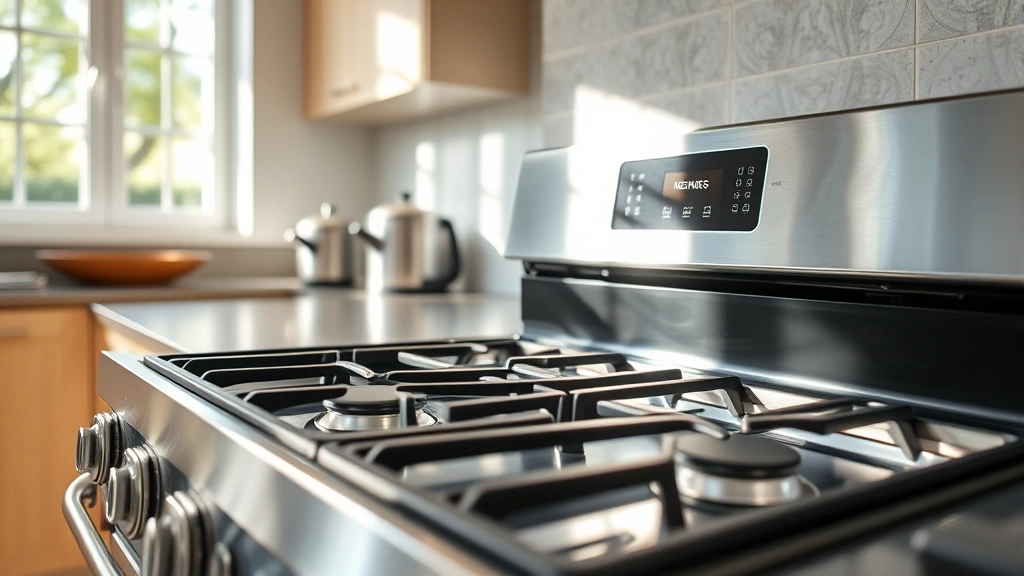
Are Gas Ovens Eco-Friendly? Expert Insight on GE Ovens and Sustainable Cooking
When it comes to kitchen appliances, the question of environmental impact has become increasingly important for conscious consumers. Gas ovens, particularly models from manufacturers like GE, have long been favored for their cooking performance and energy efficiency compared to traditional electric alternatives. However, the sustainability question isn’t as straightforward as it might seem. Understanding whether gas GE ovens are truly eco-friendly requires examining their emissions, efficiency ratings, fuel sources, and how they compare to modern electric and induction cooking technologies.
The environmental footprint of any kitchen appliance extends beyond just its operational efficiency—it encompasses manufacturing processes, fuel sourcing, transportation, and end-of-life disposal. For gas ovens, the primary concern centers on natural gas extraction, methane emissions, and combustion byproducts. This comprehensive guide explores the ecological implications of gas oven ownership, provides expert insights into GE’s product lineup, and offers practical strategies for reducing your kitchen’s environmental impact.
Understanding Gas Oven Emissions and Climate Impact
Gas ovens operate by burning natural gas to produce heat, and this combustion process generates several environmental considerations that homeowners should understand. When natural gas burns, it produces carbon dioxide (CO₂), water vapor, and nitrogen oxides (NOx). While natural gas is cleaner than coal or oil when burned, it still contributes to greenhouse gas emissions that drive climate change. Additionally, the extraction and transportation of natural gas can result in methane leaks, a potent greenhouse gas approximately 25-28 times more effective at trapping heat than CO₂ over a 100-year period.
The environmental impact of your gas oven depends significantly on your regional electricity grid’s composition. In areas where electricity is generated primarily from renewable sources like wind, solar, or hydroelectric power, electric ovens become more attractive from an environmental perspective. Conversely, in regions relying heavily on natural gas for electricity generation, the differences between gas and electric cooking may be minimal. Understanding your local electricity grid composition is crucial for making informed decisions about kitchen appliance sustainability.
Gas ovens typically operate with efficiency ratings between 65-75%, meaning that roughly 65-75% of the energy produced actually heats your food, while the remainder escapes through ventilation systems. This is an important baseline when comparing gas ovens to other cooking technologies. The combustion byproducts released during cooking also affect indoor air quality, making proper ventilation essential for health-conscious households.
GE Gas Oven Models: Efficiency and Sustainability Features
General Electric, one of the world’s largest appliance manufacturers, has invested significantly in developing more efficient gas oven models that address environmental concerns. GE’s approach to sustainability in their gas oven lineup focuses on improved insulation, better burner design, and smart cooking technologies that reduce energy waste. Their convection gas ovens, for example, distribute heat more evenly throughout the cooking chamber, allowing for more consistent results with shorter cooking times—directly reducing energy consumption.
Many modern GE gas ovens incorporate features like precision temperature control, which prevents energy waste from temperature fluctuations. Some models include self-cleaning functions powered by natural gas combustion, which, while convenient, does consume additional fuel. GE has also developed models with improved insulation materials that minimize heat loss, reducing the overall energy required to maintain desired cooking temperatures. When selecting a GE gas oven, look for models with sustainable energy solutions certifications and ENERGY STAR ratings.
The brand’s slide-in and freestanding gas range models often feature dual fuel capabilities, allowing consumers to use gas for cooking but electric resistance for the oven, theoretically optimizing efficiency for each cooking method. However, these dual-fuel models require more complex installation and may not be available in all regions. GE’s commitment to transparency includes providing detailed energy consumption data for their appliances, enabling consumers to compare environmental impacts across different models and brands.

Comparing Gas, Electric, and Induction Cooking Technologies
The sustainability comparison between gas, electric, and induction cooking technologies reveals nuanced trade-offs rather than a clear winner. Electric coil and smooth-top electric ovens convert electrical energy directly to heat with efficiency ratings of 70-80%, slightly higher than gas ovens. However, the overall environmental impact depends on whether your electricity comes from renewable or fossil fuel sources. In regions with coal-heavy grids, electric cooking may have a larger carbon footprint than gas.
Induction cooking represents the most efficient option, with energy conversion rates exceeding 90%. Induction cooktops use electromagnetic fields to directly heat cookware, eliminating wasted heat transfer. For environmentally conscious consumers with access to renewable electricity, induction cooking offers the lowest operational environmental impact. However, induction cooktops require compatible cookware and represent a significant upfront investment.
When comparing these technologies, consider the lifecycle environmental impact, not just operational efficiency. Manufacturing an induction cooktop requires more specialized materials and energy than producing a gas burner. Transportation impacts also vary—gas ovens are heavier and require more fuel to transport. For a comprehensive understanding of how your cooking choices fit into broader sustainability goals, explore our guide on how to reduce your environmental footprint.
The reality is that no cooking technology is perfectly eco-friendly. Gas ovens excel in cooking performance and cost-effectiveness but generate emissions. Electric ovens offer moderate efficiency with environmental impact tied to grid composition. Induction cooktops provide superior efficiency but require infrastructure changes and compatible cookware. Your choice should align with your regional energy sources, cooking preferences, and long-term sustainability goals.
Energy Efficiency Standards and Certifications
Understanding energy efficiency certifications helps identify which gas ovens minimize environmental impact. The ENERGY STAR certification program establishes rigorous efficiency standards for household appliances, including gas ranges and ovens. To qualify for ENERGY STAR certification, gas ovens must demonstrate energy consumption at least 15% below the federal minimum standard. This certification provides reliable third-party verification of efficiency claims.
Beyond ENERGY STAR, the Consortium for Energy Efficiency (CEE) establishes even more stringent voluntary standards for high-efficiency gas ovens. Products meeting CEE standards consume significantly less energy than minimum federal requirements, though they typically command higher price points. When evaluating GE gas ovens, comparing ENERGY STAR and CEE ratings provides clear insight into operational efficiency differences.
The Federal Trade Commission’s EnergyGuide labels display estimated annual energy consumption and operating costs for major appliances. These labels enable direct comparison between models, helping consumers understand long-term financial and environmental implications of their choices. A gas oven with superior insulation and burner technology might cost more initially but deliver substantial energy savings over its 15-20 year lifespan.
Manufacturers like GE increasingly highlight their definition of sustainability commitments through transparency reports and sustainability certifications. These documents often detail manufacturing practices, supply chain responsibility, and product-end-of-life recycling programs. Reviewing manufacturer sustainability reports provides additional context beyond simple efficiency ratings.

The Natural Gas Supply Chain and Environmental Concerns
Evaluating gas oven sustainability requires understanding the full natural gas lifecycle, from extraction through delivery to your home. Natural gas extraction, particularly through hydraulic fracturing (fracking), raises significant environmental concerns. The process requires substantial water usage, can impact groundwater quality, and frequently results in methane leaks at extraction sites, processing facilities, and during pipeline transportation.
Methane emissions represent the most pressing environmental issue in the natural gas supply chain. Recent studies indicate that methane leakage rates may exceed previously estimated percentages, potentially offsetting natural gas’s combustion advantages over other fossil fuels. The EPA’s greenhouse gas emissions overview tracks methane contributions from energy production, revealing that natural gas infrastructure represents a significant climate concern.
Transportation infrastructure for natural gas involves extensive pipeline networks, compression stations, and distribution facilities—all requiring energy inputs and maintenance. Pipeline corrosion, aging infrastructure, and inadequate regulation contribute to methane leakage in some regions. Choosing a gas oven in areas with well-maintained, modern natural gas infrastructure minimizes supply chain environmental impact compared to regions with aging infrastructure prone to leaks.
For environmentally conscious consumers, this supply chain analysis suggests that minimizing natural gas consumption overall aligns with climate goals. Even efficient gas ovens contribute to demand for natural gas extraction and transportation. Reducing cooking frequency, using smaller appliances (toaster ovens, air fryers), or transitioning to electric alternatives in homes with renewable energy sources represents more comprehensive sustainability approaches than simply upgrading to a more efficient gas oven.
Practical Ways to Minimize Your Gas Oven’s Environmental Impact
If you currently own a gas oven or prefer gas cooking for performance reasons, numerous strategies reduce its environmental footprint without requiring appliance replacement. Optimize cooking practices by using appropriately-sized cookware, preheating efficiently, and cooking multiple items simultaneously when possible. These simple behavioral changes reduce energy consumption per meal.
Implement proper ventilation practices that balance air quality with energy efficiency. Kitchen ventilation removes combustion byproducts and moisture but also expels conditioned air, increasing heating and cooling loads. Using ventilation only when necessary and ensuring kitchen exhaust doesn’t pull conditioned air from living spaces improves overall home efficiency.
Maintain your gas oven regularly to optimize performance. Clean burners and oven interiors reduce energy waste from reduced heat transfer. Check burner alignment—misaligned burners burn less efficiently and produce more emissions. Professional maintenance annually ensures your oven operates at peak efficiency, particularly important for older models.
Consider supplementing gas cooking with alternative methods for tasks where gas isn’t essential. Air fryers, convection toaster ovens, and microwave cooking consume less energy for many common cooking tasks. Using these appliances strategically reduces overall kitchen energy consumption while maintaining cooking flexibility. For broader household sustainability strategies, review our comprehensive guide on green technology innovations transforming our future.
If your gas oven requires replacement, prioritize ENERGY STAR certified models with advanced efficiency features. The upfront investment in a high-efficiency gas oven recovers through reduced energy bills over its operational lifetime. Calculate your specific savings using manufacturer-provided energy consumption data and your local natural gas rates.
Future-Proofing Your Kitchen with Sustainable Choices
Looking forward, the kitchen appliance industry continues evolving toward greater sustainability. Emerging technologies like hybrid induction-gas cooktops combine the efficiency of induction with the performance of gas, though these remain niche products. Some manufacturers explore biogas-compatible gas ovens designed to operate on renewable biogas rather than fossil fuel natural gas, offering a pathway to sustainable gas cooking.
The broader trend toward electrification of homes suggests long-term movement away from natural gas appliances entirely. Heat pumps, induction cooking, and electric resistance heating powered by renewable electricity represent the sustainability direction for residential energy use. If you’re planning kitchen renovations or new construction, considering future electrification during initial design phases reduces costs and environmental impact of eventual conversions.
Smart cooking technologies represent another sustainability frontier. Connected ovens that optimize energy use, provide cooking efficiency data, and integrate with smart home systems enable more conscious consumption. Some advanced models adjust cooking parameters based on food type and weight, minimizing energy waste. As these technologies mature and become more affordable, they’ll enhance sustainability even for gas cooking applications.
For comprehensive guidance on sustainable living, explore our SustainWise Hub Blog, which covers broader sustainability topics applicable to household decision-making. Additionally, understanding how sustainability principles apply across all consumer choices—from kitchen appliances to transportation—provides context. Our article on advantages of electric vehicles demonstrates how electrification trends extend beyond kitchens to comprehensive household sustainability.
The most sustainable cooking approach combines efficient appliances with mindful usage patterns and long-term planning for household electrification. While gas ovens—including efficient GE models—aren’t inherently unsustainable, they represent transitional technology rather than long-term environmental solutions. Making informed choices today that account for future sustainability trends positions your household for genuine environmental progress.
FAQ
Are gas ovens more energy-efficient than electric ovens?
Gas ovens typically achieve 65-75% efficiency, while electric ovens reach 70-80% efficiency. However, overall environmental impact depends on your electricity grid’s composition. In regions with renewable energy sources, electric ovens may have lower environmental impact despite similar operational efficiency ratings.
Do GE gas ovens have better environmental performance than competitors?
GE manufactures competitive gas ovens with modern efficiency features, but environmental performance varies by specific model. Comparing ENERGY STAR ratings and CEE certifications across brands provides the most accurate sustainability assessment. GE’s transparency through sustainability reporting helps consumers understand their environmental commitments.
What’s the environmental impact of natural gas extraction?
Natural gas extraction through fracking requires substantial water, can contaminate groundwater, and results in methane leaks throughout the supply chain. Methane is a potent greenhouse gas, making supply chain emissions a significant environmental concern beyond just combustion emissions from your oven.
Should I replace my gas oven with an electric or induction alternative?
Replacement decisions depend on your oven’s age, efficiency, cooking preferences, and local electricity grid composition. If your current oven functions adequately, continuing use may have lower environmental impact than manufacturing a replacement. When replacement becomes necessary, prioritize ENERGY STAR models aligned with your local energy sources.
How can I reduce my gas oven’s environmental footprint immediately?
Optimize cooking practices by using appropriately-sized cookware, cooking multiple items simultaneously, and maintaining your oven through regular cleaning and professional servicing. Supplement gas cooking with more efficient alternatives like air fryers or convection toaster ovens for suitable tasks.
What certifications indicate a sustainable gas oven?
ENERGY STAR certification guarantees at least 15% efficiency above federal minimums. Consortium for Energy Efficiency (CEE) certifications indicate even higher efficiency standards. Manufacturer sustainability reports provide additional context about environmental commitments beyond appliance efficiency.
Is cooking with gas less sustainable than electric cooking?
Not necessarily. Environmental impact depends on grid composition and supply chain considerations. In areas with coal-heavy electricity grids, efficient gas cooking may have lower environmental impact than electric. In regions with renewable energy, electric cooking becomes more attractive. The most sustainable approach combines efficient appliances with renewable energy sources.


