Gas Golf Carts: Eco-Friendly Options Explored
Golf carts have evolved significantly from simple recreational vehicles into practical transportation solutions for communities, resorts, and personal use. While electric golf carts dominate modern conversations about sustainable mobility, gas-powered models remain relevant in specific contexts where their performance characteristics and operational advantages justify their use. Understanding the environmental implications of gas golf carts requires examining their emissions profiles, efficiency improvements, and how they compare to alternative fuel options and electric alternatives.
The environmental impact of gas golf carts extends beyond simple fuel consumption. Modern gasoline engines in golf carts produce significantly fewer emissions than their predecessors, thanks to advances in combustion technology and fuel efficiency standards. However, the broader sustainability conversation demands that we evaluate these vehicles within the context of their lifecycle emissions, operational efficiency, and role in our transition toward cleaner transportation solutions. This comprehensive exploration examines whether gas golf carts can be considered eco-friendly and what sustainable alternatives exist for different use cases.
Understanding Gas Golf Cart Emissions
Gas golf carts emit carbon dioxide, nitrogen oxides, and particulate matter, similar to traditional automobiles but at significantly lower volumes due to their smaller engines and reduced operational hours. A typical gas golf cart with a 10-12 horsepower engine produces approximately 50-70 grams of CO2 per mile, which is considerably lower than standard vehicles. However, these emissions still contribute to greenhouse gas accumulation in the atmosphere and represent a carbon footprint that mindful consumers should acknowledge.
The emissions profile of gas golf carts varies based on engine size, fuel quality, maintenance practices, and driving conditions. Newer models equipped with four-stroke engines generate fewer pollutants than older two-stroke engines, which can emit up to 30 times more hydrocarbons. Understanding these distinctions helps consumers make informed decisions about whether a gas model aligns with their environmental values and operational requirements. The transition toward cleaner fuels and technologies continues reshaping the landscape of small vehicle manufacturing.
When evaluating the eco-friendliness question, context matters tremendously. A gas golf cart used occasionally for short distances in a residential community carries a different environmental weight than one operating continuously in a commercial setting. Additionally, the electricity grid’s energy sources in your region influence whether electric alternatives truly represent environmental improvements. In areas powered by renewable energy sources, electric options prove substantially more sustainable, while in regions relying on fossil fuel-based electricity generation, the advantage diminishes.
Fuel Efficiency and Modern Engine Technology
Contemporary gas golf carts incorporate engineering advances that maximize fuel efficiency and minimize waste. Four-stroke engines have become the industry standard, offering superior fuel economy compared to their two-stroke predecessors. These engines achieve approximately 12-15 miles per gallon, depending on terrain, driving habits, and vehicle load. For recreational and light commercial use, this efficiency translates to fewer fuel purchases and reduced operational costs alongside environmental benefits.
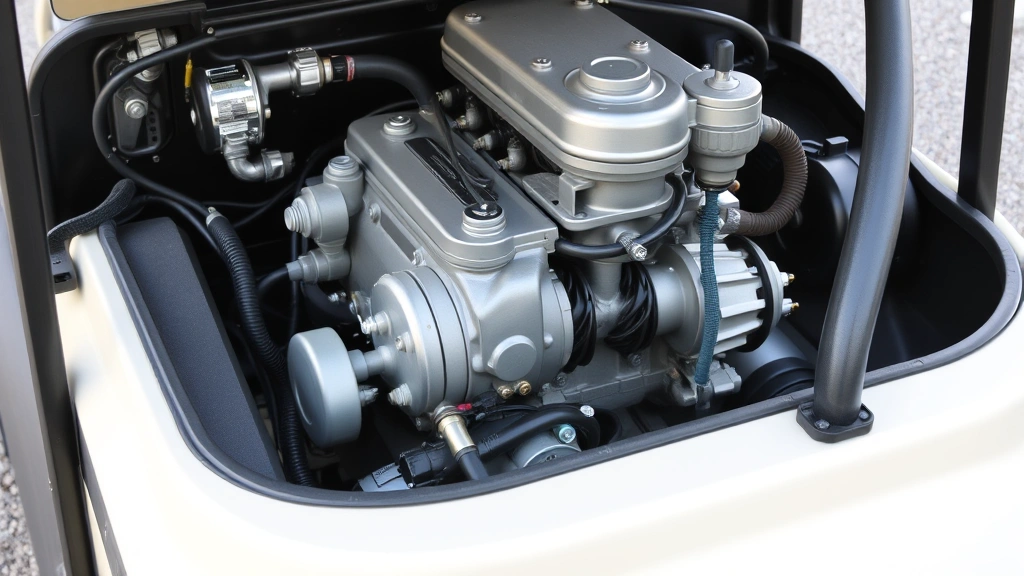
Fuel injection systems, electronic ignition controls, and optimized carburetor designs have revolutionized how efficiently gas golf carts convert fuel into usable energy. Manufacturers now prioritize combustion efficiency, ensuring more complete burning of gasoline with fewer unburned hydrocarbons escaping through exhaust systems. Regular maintenance—including air filter changes, spark plug replacements, and fuel system cleaning—sustains these efficiency gains throughout a vehicle’s operational life. Owners who commit to proper upkeep can maintain or even improve upon manufacturer efficiency ratings.
The relationship between fuel efficiency and environmental impact extends beyond emissions reduction. More efficient engines require fewer fill-ups, reducing the cumulative environmental burden of fuel extraction, refining, transportation, and distribution. When considering the full supply chain impacts, efficiency improvements in gas golf carts represent meaningful sustainability gains. Modern engines also produce less noise pollution than older models, benefiting community environments where these vehicles operate regularly.
Comparing Gas to Electric Golf Carts
Electric golf carts have emerged as the primary eco-friendly alternative to gas models, powered by rechargeable lithium-ion or lead-acid battery systems. The comparison reveals nuanced tradeoffs rather than clear superiority for either option. Electric carts produce zero tailpipe emissions, require minimal maintenance, and operate nearly silently. However, their environmental advantages depend heavily on the electricity grid’s energy composition and battery manufacturing impacts.
Battery production involves energy-intensive processes and mining for lithium, cobalt, and other materials with documented environmental and social implications. A comprehensive lifecycle assessment comparing gas and electric golf carts must account for these manufacturing impacts alongside operational emissions. Studies consistently show that even accounting for battery production, electric golf carts generate 50-70% fewer lifetime emissions than comparable gas models when charged using grid electricity. In regions with renewable energy sources powering the grid, this advantage increases substantially.
Operational considerations further distinguish these options. Electric carts offer lower operating costs, with electricity typically costing one-third to one-half what gasoline expenses would be for equivalent usage. They require no oil changes, spark plug replacements, or fuel system maintenance, reducing both costs and environmental impacts from maintenance waste. Range limitations—typically 40-80 miles on a full charge—make electric carts ideal for residential communities and resort settings but less suitable for extended commercial operations without charging infrastructure.
Gas golf carts maintain advantages in situations requiring extended range, rapid refueling, and consistent power delivery in cold weather conditions. Their familiarity to operators and widespread fuel availability provide practical advantages in many regions. Additionally, used gas golf carts represent an established market with lower purchase prices, making them accessible to budget-conscious consumers. From a sustainability perspective, extending the life of existing gas models through proper maintenance can be more environmentally beneficial than manufacturing new electric vehicles.
Hybrid Golf Cart Solutions
Hybrid golf cart technology represents an emerging middle ground, combining gas engines with electric motors and battery systems to optimize efficiency and minimize emissions. These vehicles use electric power for low-speed operations and short distances, engaging the gas engine only when additional power or extended range becomes necessary. Hybrid systems reduce fuel consumption by 30-50% compared to conventional gas carts while maintaining the range and power advantages of combustion engines.
The environmental case for hybrid golf carts strengthens when considering operational patterns typical of golf courses and resort communities. Most golf cart trips involve short distances at moderate speeds—conditions where electric motors excel and gas engines operate inefficiently. By reserving gas engine operation for situations where it provides genuine advantages, hybrid systems maximize overall efficiency. Battery technology in hybrid systems has matured significantly, with modern lithium-ion batteries offering reliability, longevity, and performance that justify their premium cost.
Hybrid golf carts appeal particularly to operators seeking sustainable energy solutions without abandoning proven gas engine technology. They bridge the transition period as charging infrastructure expands and battery technology continues improving. For golf courses aiming to reduce their environmental sustainability examples, hybrid fleets represent a pragmatic step toward cleaner operations. The higher initial investment becomes justified through fuel savings and reduced maintenance costs over the vehicle’s lifetime.
Environmental Impact Assessment
A thorough environmental assessment of gas golf carts requires examining impacts beyond direct emissions. Manufacturing, transportation, fuel production, maintenance waste, and eventual disposal all contribute to the total environmental burden. Lifecycle analysis studies comparing different golf cart options reveal that operational choices matter as much as technology selection. A gas cart maintained properly and used efficiently may generate fewer total emissions than an electric cart charged with electricity from coal-powered plants.
Emissions from fuel production deserve particular attention. Extracting crude oil, refining gasoline, and transporting fuel to retail locations consumes significant energy and generates substantial emissions. These upstream impacts, known as “well-to-wheel” emissions, typically account for 20-30% of a gas vehicle’s total lifecycle emissions. Understanding these hidden environmental costs provides fuller context for evaluating whether gas golf carts can genuinely claim eco-friendly status compared to alternatives.
Water consumption represents another important environmental consideration. Gasoline refining requires substantial water inputs, contributing to freshwater depletion in already water-stressed regions. Battery manufacturing for electric golf carts also involves water-intensive processes, though generally less intensively than fuel refining. In arid regions facing water scarcity, these supply chain impacts deserve consideration alongside direct operational emissions. Local environmental context should inform golf cart selection decisions, as what proves sustainable in one region may not in another.
Noise and air quality impacts extend environmental concerns beyond climate change. Gas golf carts, particularly older models, contribute to noise pollution in residential and recreational environments. Poor air quality from vehicle emissions affects respiratory health and environmental ecosystems. Electric alternatives eliminate these localized pollution problems entirely, providing health and quality-of-life benefits that lifecycle assessments sometimes overlook. Communities prioritizing air quality and acoustic environments may find these factors outweigh lifecycle emission calculations.
Sustainable Practices for Gas Golf Cart Owners
Owners of gas golf carts can substantially reduce environmental impacts through conscientious maintenance and operational practices. Regular engine tuning ensures optimal combustion efficiency, reducing both fuel consumption and emissions. Maintaining proper tire pressure, keeping air filters clean, and using high-quality fuel all contribute to superior performance. These simple practices extend vehicle lifespan while minimizing environmental burden—a key principle of sustainable consumption.
Adopting efficient driving habits generates immediate environmental benefits without capital investment. Avoiding rapid acceleration, maintaining steady speeds, and minimizing idling time all reduce fuel consumption and emissions. Operators who combine trips, plan efficient routes, and share vehicles when possible multiply these individual benefits across their entire operation. For golf courses and resort communities managing large fleets, driver training programs emphasizing efficiency can reduce fuel costs by 10-15% while lowering environmental impact.
Proper waste disposal from gas golf cart maintenance prevents environmental contamination. Used oil, filters, and fuel system components contain hazardous materials requiring responsible handling. Many communities offer free oil recycling programs and hazardous waste collection services. Responsible owners utilize these resources rather than disposing of maintenance waste improperly. This commitment to proper stewardship reflects genuine environmental consciousness beyond simply choosing one vehicle type over another.
Considering vehicle lifecycle planning supports long-term sustainability. Well-maintained gas golf carts often operate reliably for 15-20 years or more, amortizing manufacturing impacts across extended use periods. When replacement becomes necessary, exploring advantages of electric vehicles as upgrades makes sense. However, if a gas model still functions adequately, extending its operational life through continued maintenance represents a more sustainable choice than premature replacement with a new vehicle requiring fresh manufacturing resource inputs.
Alternative Fuel Options
Natural gas and propane represent alternative fuel options for golf carts, offering different environmental profiles than conventional gasoline. Natural gas vs propane comparisons reveal that both fuels burn cleaner than gasoline, producing fewer emissions per unit of energy. Natural gas, in particular, generates approximately 25% fewer CO2 emissions than gasoline when combusted, though methane leakage throughout the supply chain can undermine these advantages. Propane offers similar emissions benefits with better availability in many regions.
Biogas and renewable natural gas represent emerging alternatives derived from organic waste decomposition and agricultural byproducts. These fuels can provide nearly carbon-neutral operation when produced sustainably, as they recycle carbon dioxide already present in atmospheric or biological cycles. However, supply chains for these fuels remain underdeveloped in most regions, limiting practical availability for golf cart operators. As waste management and renewable energy systems mature, these options may become increasingly viable.
Synthetic fuels manufactured from renewable electricity and captured carbon dioxide offer theoretical pathways toward sustainable gas golf cart operation. These e-fuels would enable existing gas infrastructure and vehicles to operate with minimal net carbon emissions. However, current production costs remain prohibitively high, and efficiency losses in the synthesis process mean electric alternatives deliver energy more efficiently. While promising for future development, synthetic fuels currently represent a longer-term sustainability solution rather than immediately practical options.
Biodiesel blends for diesel golf carts provide another alternative pathway, though diesel models remain less common in the golf cart market than gasoline versions. Biodiesel reduces lifecycle emissions by 50-80% compared to petroleum diesel while maintaining engine compatibility with minimal modifications. For operators already utilizing diesel equipment, biodiesel offers an accessible sustainability upgrade requiring no capital investment in new vehicles. Blending biodiesel with petroleum diesel proportionally reduces environmental impact, making even partial adoption beneficial.
Making the Right Choice for Your Needs
Selecting between gas, electric, hybrid, and alternative fuel golf carts requires honest assessment of specific operational requirements and environmental priorities. Residential communities with short-distance, low-speed travel patterns benefit most from electric options, minimizing emissions while reducing noise and maintenance burdens. Golf courses with established charging infrastructure and predictable operational patterns likewise find electric fleets attractive for their sustainability credentials and operating economics.
Commercial operations requiring extended range, rapid deployment, or operation in remote locations may find gas or hybrid options more practical despite higher emissions. Construction sites, agricultural facilities, and security operations often demand the reliability and range that gas engines provide. In these contexts, prioritizing green technology innovations transforming our future might involve selecting the most efficient gas model available rather than forcing an impractical electric choice that compromises operations.
Budget constraints legitimately influence sustainability decisions. Purchasing used gas golf carts for continued operation extends product lifecycles, reducing manufacturing impacts compared to new vehicle purchases. Individuals and organizations with limited capital may find that maintaining existing gas fleets represents a more sustainable choice than investing in new electric vehicles, particularly if those existing vehicles still function adequately. True environmental responsibility sometimes means working within practical constraints rather than pursuing idealistic solutions that create different problems.
Regional environmental context should shape golf cart selection. In areas powered primarily by renewable energy sources, electric vehicles represent clear environmental choices. Regions depending on fossil fuel-based electricity generation may find the emissions advantage diminishes substantially. Water availability, air quality concerns, and local environmental priorities all deserve consideration. Consulting EPA environmental guidelines and regional sustainability resources provides valuable context for informed decision-making.
The most sustainable golf cart choice balances environmental impact, operational requirements, and practical feasibility. For many organizations, a mixed-fleet approach combining electric vehicles for standard operations with gas models for extended-range needs optimizes overall sustainability. As battery technology improves and charging infrastructure expands, the case for electric options strengthens continuously. However, responsible stewardship sometimes means acknowledging that gas golf carts, when maintained properly and operated efficiently, represent acceptable choices within broader sustainability frameworks.
FAQ
Are gas golf carts considered eco-friendly?
Gas golf carts represent a middle ground on the eco-friendly spectrum. Modern models with four-stroke engines produce significantly lower emissions than standard vehicles, but they remain fossil fuel-dependent. Their eco-friendliness depends on context—occasional recreational use generates minimal environmental impact, while continuous commercial operation creates more substantial emissions. Compared to electric alternatives powered by renewable energy, gas models prove less sustainable. However, compared to older gasoline vehicles or when considering the full lifecycle of electric alternatives, gas golf carts may prove environmentally competitive. The honest answer involves acknowledging tradeoffs rather than claiming clear environmental superiority.
How much do gas golf carts pollute compared to cars?
Gas golf carts produce roughly 50-70 grams of CO2 per mile, substantially less than typical automobiles generating 200-300 grams per mile. However, this comparison reflects smaller engines and lower speeds rather than inherently cleaner technology. On a per-horsepower basis, golf cart engines often prove less efficient than modern car engines. The key distinction involves operational patterns—golf carts typically accumulate far fewer annual miles than cars, making their total emissions much lower despite comparable efficiency ratings. A golf cart driven 2,000 miles annually generates roughly one-tenth the emissions of a car driven 12,000 miles, even if their per-mile pollution rates are comparable.
What’s the best eco-friendly golf cart option?
Electric golf carts powered by renewable energy sources represent the most environmentally friendly option for most applications. However, the “best” choice depends on specific circumstances. For golf courses with charging infrastructure and predictable operations, electric vehicles offer clear advantages. For remote locations requiring extended range, hybrid or efficient gas models may prove more practical. For budget-conscious operators, maintaining existing gas carts through proper care extends their lifecycles more sustainably than purchasing new vehicles. Consulting Carbon Trust resources and conducting lifecycle assessments specific to your situation provides more tailored guidance than generic recommendations.
Do gas golf carts require more maintenance than electric models?
Yes, gas golf carts demand significantly more maintenance than electric alternatives. Regular oil changes, spark plug replacements, air filter cleaning, fuel system servicing, and engine tune-ups all require attention. Electric models eliminate most of these tasks, needing only battery maintenance and basic electrical system checks. This maintenance difference translates to both cost savings and reduced environmental impact from maintenance waste and resource consumption for electric vehicles. For organizations managing large fleets, the reduced maintenance burden of electric carts provides substantial operational advantages beyond environmental considerations.
Can gas golf carts use renewable fuels?
Yes, gas golf carts can operate on biodiesel, biogas, synthetic fuels, and other renewable fuel options depending on engine design and fuel system modifications. However, practical availability of these alternative fuels remains limited in most regions. Biodiesel represents the most accessible renewable option, available at many fuel distributors and compatible with minimal engine modifications. Biogas and synthetic fuels remain largely experimental for golf cart applications, though they offer theoretical pathways toward sustainable operation. For most operators, exploring sustainable energy solutions on SustainWise Hub Blog provides current information about renewable fuel availability in your region.
What’s the lifespan of a gas golf cart?
Well-maintained gas golf carts typically operate reliably for 15-20 years or more, with some models reaching 25+ years with proper care. This extended lifespan means manufacturing impacts are amortized across decades of use, improving overall lifecycle sustainability. The ability to maintain gas carts long-term makes them attractive from a lifecycle perspective, as continued operation of existing vehicles generates fewer environmental impacts than manufacturing replacements. However, aging engines may become less efficient and produce higher emissions, potentially offsetting longevity benefits. Periodic engine rebuilds can restore efficiency and extend operational life further.