Eco-Friendly Boat Grilling Options: Expert Picks for Sustainable Waterside Cooking
Grilling on the water offers a unique dining experience, but traditional boat grilling methods often come with environmental concerns. From fuel consumption to emissions, the way you cook aboard your vessel significantly impacts both your carbon footprint and marine ecosystems. Fortunately, modern eco-friendly boat grilling options combine convenience with sustainability, allowing you to enjoy delicious meals while protecting our oceans and atmosphere.
Whether you’re a weekend cruiser or live aboard full-time, choosing the right grilling solution requires understanding the environmental implications of different fuel sources, efficiency ratings, and cooking technologies. This comprehensive guide explores expert-recommended options that balance performance, safety, and ecological responsibility for your next marine adventure.
Gas Grills for Boats: The Popular Choice
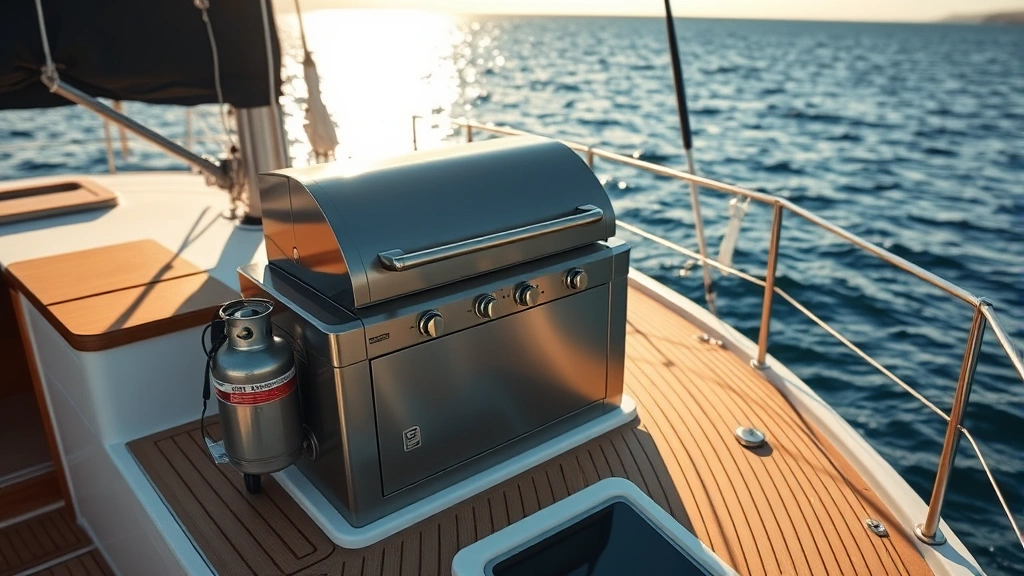
A gas grill for a boat remains the most widely adopted grilling method among marine enthusiasts, and for good reason. Propane and natural gas grills offer superior temperature control, quick ignition, and consistent heat distribution compared to many alternatives. When considering advantages of natural gas, marine-grade propane systems rank among the cleanest fossil fuel options available.
Propane combustion produces significantly fewer particulates and pollutants than charcoal grilling, and modern marine propane systems are engineered for efficiency and safety. The Environmental Protection Agency recognizes propane as a cleaner-burning fuel that reduces greenhouse gas emissions by up to 25% compared to traditional charcoal methods. For boat owners committed to sustainable energy solutions, high-efficiency propane grills with sealed combustion chambers minimize fuel waste.
When selecting a propane grill for your vessel, prioritize models with:
- Stainless steel construction that resists corrosion and extends product lifespan, reducing replacement waste
- Insulated cooking chambers that improve thermal efficiency and reduce fuel consumption by 15-20%
- Integrated pressure regulators that prevent fuel leaks and ensure optimal combustion
- Removable grates that allow easy cleaning and maintenance without chemical runoff
- Built-in thermometers for precise temperature management and cooking efficiency
Top marine-grade propane grill options include models specifically designed for deck mounting with safety certifications from the American Boat and Yacht Council (ABYC). These grills typically feature compact dimensions, corrosion-resistant materials, and integrated safety shutoffs that prevent accidental fuel discharge into marine environments.
Electric and Battery-Powered Grilling Solutions
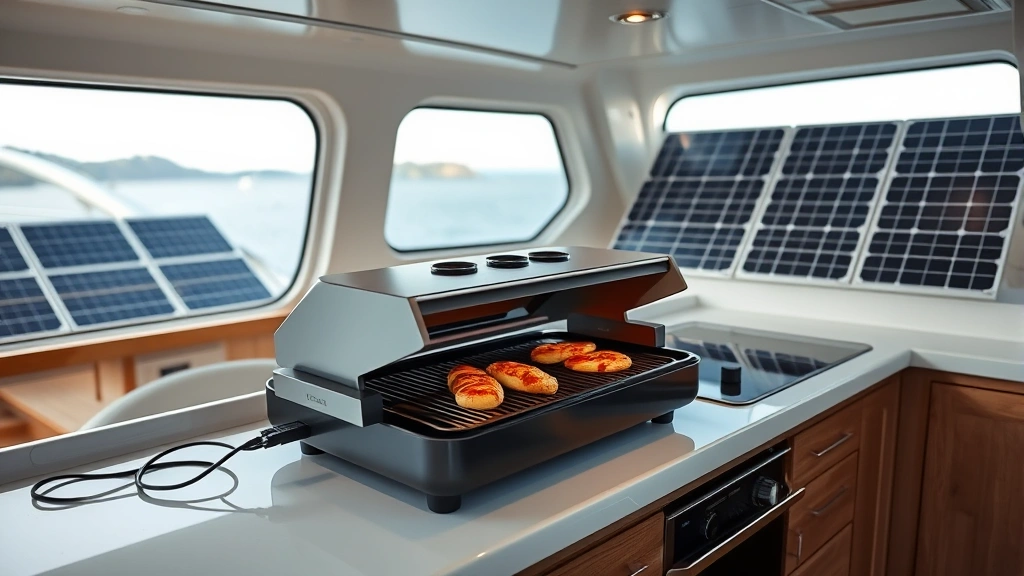
For eco-conscious boaters with adequate electrical infrastructure, electric grilling solutions represent the most environmentally responsible choice. When your vessel is equipped with renewable energy sources like solar panels or wind turbines, electric grills produce zero direct emissions and eliminate fuel storage concerns entirely.
Modern electric boat grills have evolved dramatically, offering performance comparable to gas models while maintaining superior environmental benefits. These systems integrate seamlessly with sustainable energy solutions aboard your vessel, particularly when paired with battery management systems and renewable generation capacity.
Battery-powered grills offer several advantages for marine applications:
- Zero emissions during operation, protecting marine life and air quality
- No fuel storage requirements, eliminating safety hazards and potential spills
- Quiet operation that respects marine neighbors and wildlife
- Precise temperature control through digital thermostats and power regulation
- Faster preheating compared to propane alternatives in many models
- Integration with vessel power systems for centralized energy management
Leading marine electric grill manufacturers have developed compact models requiring only 120-240V connections, making them compatible with most cruising sailboats and motorboats equipped with inverters or shore power connections. These grills typically consume 1500-2000 watts, comparable to standard kitchen appliances, and newer lithium battery systems can support extended cooking sessions without depleting auxiliary power.
For extended cruising without shore power access, consider hybrid systems combining portable solar panels with high-capacity battery banks specifically designed for galley appliances. This approach aligns perfectly with how to reduce your environmental footprint while maintaining cooking flexibility.
Expert recommendation: The Magma Kettle Gas Grill with integrated electric ignition systems offers a hybrid approach, utilizing propane fuel with electronic controls that minimize consumption. Similarly, FireBoat electric grills provide marine-specific engineering with safety certifications and compact mounting solutions.
Charcoal and Pellet Alternatives
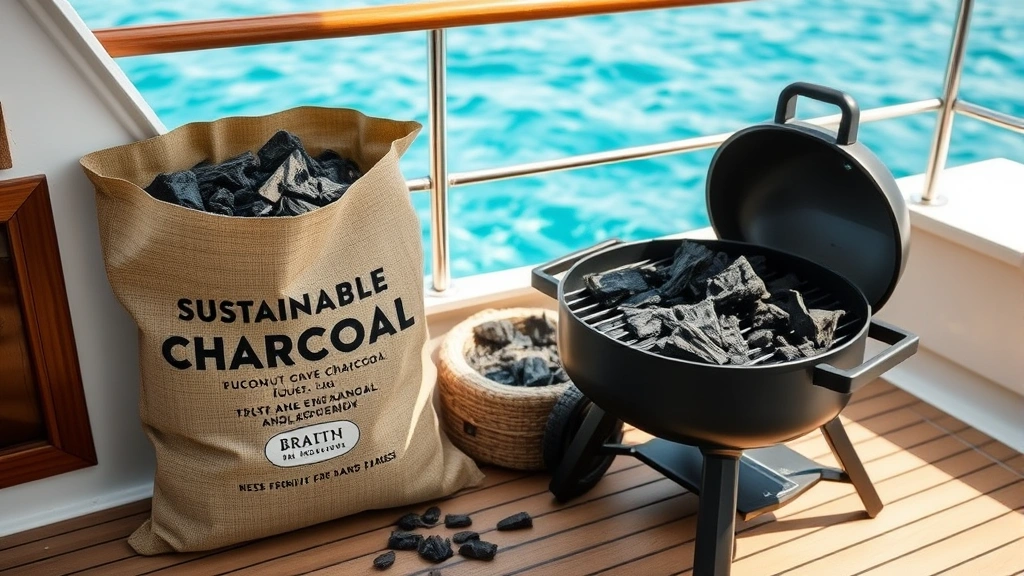
While charcoal grilling produces higher emissions than propane or electric options, sustainable alternatives have emerged in recent years. Eco-friendly charcoal made from agricultural waste, coconut husks, and sustainably harvested hardwoods significantly reduces deforestation impact compared to conventional briquettes.
For boat grilling applications, charcoal presents challenges including smoke management, temperature control difficulty, and space requirements. However, small marine-grade charcoal grills using certified sustainable charcoal can work for weekend cruisers prioritizing authentic grilling experiences over efficiency metrics.
Pellet grills represent a middle ground, utilizing compressed wood byproducts from lumber mills. These systems:
- Transform industrial waste into useful fuel, reducing landfill burden
- Produce less ash and residue than traditional charcoal
- Offer temperature precision through electronic auger systems
- Generate rich, smoky flavors comparable to traditional grilling
- Require battery power or small electrical systems for operation
The primary limitation of pellet grills for boats involves storage space and moisture protection. Marine environments demand sealed storage containers preventing humidity damage to pellets, which absorb moisture and degrade rapidly in damp conditions. Despite these challenges, premium marine pellet grills equipped with integrated storage solutions and weatherproof designs appeal to cruisers willing to prioritize flavor profiles and sustainability metrics.
Solar-Powered Grilling Innovations
Cutting-edge marine technology has introduced solar-powered grilling systems that harness renewable energy for waterside cooking. These innovations represent the pinnacle of environmental sustainability examples in recreational boating.
Solar grilling systems utilize concentrated photovoltaic arrays or thermal solar collectors to generate cooking heat. While not yet mainstream, several manufacturers have developed proof-of-concept models demonstrating remarkable efficiency in sunny maritime conditions. The advantages include:
- Completely renewable energy requiring no fuel storage or resupply
- Zero emissions throughout the product lifecycle
- Minimal maintenance compared to fuel-dependent systems
- Silent operation enhancing the boating experience
- Scalability for various vessel sizes and usage patterns
Current solar grill technology works best in conjunction with battery storage systems, allowing cooking flexibility regardless of cloud cover or time of day. Integration with your vessel’s existing solar array maximizes efficiency and reduces additional equipment weight and expense.
Safety and Environmental Compliance
Regulatory compliance protects both your crew and marine ecosystems. The Marine Stewardship Council and various maritime authorities establish guidelines for onboard fuel storage, combustion emissions, and waste management.
When installing any gas grill for a boat, ensure compliance with:
- ABYC standards for fuel system installation and safety shutoffs
- EPA emissions regulations limiting particulate matter and volatile organic compounds
- Local maritime authority requirements regarding fuel storage quantities and locations
- Coast Guard regulations for vessel safety and fire prevention
- Environmental protection ordinances in specific cruising areas and anchorages
Proper installation prevents fuel leaks that contaminate marine environments and harm aquatic life. Professional marine technicians certified through ABYC ensure your grilling system meets all safety and environmental standards while optimizing performance and fuel efficiency.
Beyond installation, responsible boat grilling practices include:
- Regular maintenance preventing fuel leaks and emissions exceedances
- Proper waste disposal of grease and food scraps, never overboard
- Fuel quality management preventing water contamination in propane tanks
- Combustion monitoring ensuring efficient fuel consumption
- Emission testing in jurisdictions requiring periodic compliance verification
The National Oceanic and Atmospheric Administration provides comprehensive guidance on marine pollution prevention and sustainable boating practices that directly apply to galley operations.
Maintenance for Sustainable Performance
Proper maintenance extends grill lifespan, improves efficiency, and prevents environmental damage. Sustainable boat grilling practices begin with regular, methodical care routines that preserve equipment integrity and optimize fuel consumption.
Essential maintenance tasks include:
- Monthly cleaning of cooking grates and combustion chambers removing grease buildup that reduces efficiency
- Quarterly inspection of fuel lines and connections for leaks or corrosion
- Annual professional servicing by certified marine technicians ensuring peak performance
- Seasonal winterization protecting equipment from freeze damage and corrosion
- Propane tank inspection verifying structural integrity and safety valve function
For electric grilling systems, maintenance focuses on electrical connections, battery health monitoring, and heating element inspection. Battery-powered boats should implement charge management systems preventing overuse and extending lithium battery lifespan, ultimately reducing electronic waste.
Sustainable boat owners should also consider the SustainWise Hub Blog for ongoing education about eco-friendly marine practices and emerging technologies improving vessel sustainability profiles.
Documentation of all maintenance activities supports warranty claims and provides valuable records for future buyers, encouraging responsible vessel stewardship throughout the product lifecycle. This practice aligns with circular economy principles that minimize waste and maximize resource efficiency in recreational boating.
FAQ
What is the most environmentally friendly grill option for boats?
Electric grills powered by onboard renewable energy systems (solar panels, wind turbines) represent the most environmentally friendly option, producing zero emissions during operation. If renewable power isn’t available, high-efficiency propane grills are the next best choice, offering significantly lower emissions than charcoal alternatives while maintaining reliability in marine environments.
Can I use a residential propane grill on my boat?
Residential grills are not recommended for marine use. Marine-grade propane grills feature corrosion-resistant materials, specialized safety systems, and ABYC certifications required for vessel safety. They’re engineered to handle the unique challenges of saltwater exposure and vessel movement. Using non-marine equipment violates safety standards and insurance requirements.
How often should I service my boat grill?
Professional marine technicians recommend annual servicing for optimal performance and safety. Monthly cleaning of cooking surfaces and quarterly inspections of fuel connections help prevent problems between professional services. Seasonal winterization protects equipment in cold climates.
What size propane tank do I need for boat grilling?
Most boat grills operate efficiently with 10-20 pound propane tanks, providing 8-16 hours of cooking time depending on usage intensity. Larger vessels may accommodate 30-pound tanks offering extended cruising range without frequent refilling. Tank sizing should comply with ABYC standards and your vessel’s deck space limitations.
Are solar grills practical for regular boat use?
Current solar grill technology works best when paired with battery storage systems, allowing cooking flexibility regardless of weather conditions. While not yet mainstream for recreational boats, solar systems excel for extended cruising in sunny climates and represent the most sustainable long-term option as technology matures.
What regulations apply to boat grilling systems?
ABYC standards, EPA emissions regulations, Coast Guard safety requirements, and local maritime authority guidelines all apply to boat grilling systems. Professional installation ensures compliance with all applicable regulations and protects your vessel, crew, and marine environment.


