Gas Grills with Griddle: Chef Insights on Combo Cooking
The modern outdoor kitchen has evolved dramatically over the past decade, and one of the most significant innovations is the gas grill with integrated griddle surface. Professional chefs and home cooking enthusiasts alike have embraced this hybrid approach to outdoor cooking, recognizing that combining a traditional grill with a flat-top griddle expands culinary possibilities exponentially. Whether you’re searing steaks, cooking pancakes for a weekend brunch, or preparing stir-fried vegetables, a gas grill with griddle combo offers unparalleled versatility that single-function cookers simply cannot match.
This comprehensive guide draws from professional chef insights, sustainability considerations, and practical cooking experience to help you understand why gas grills with griddle combinations have become essential equipment for serious outdoor cooks. We’ll explore the technical specifications, cooking techniques, maintenance requirements, and environmental factors that make these appliances a worthwhile investment for your outdoor cooking space.
What Makes Gas Grills with Griddle Combos Different
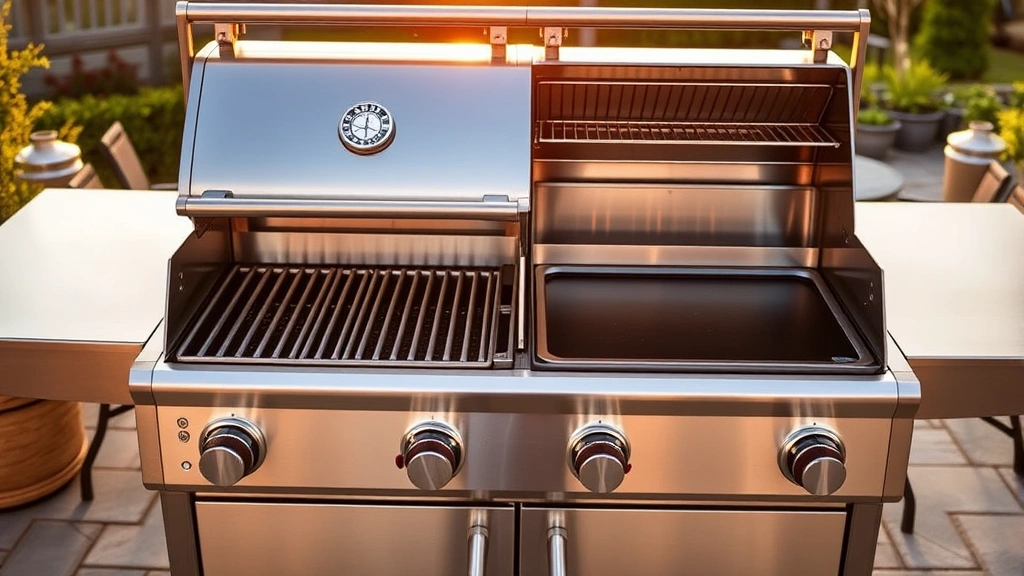
A traditional gas grill features grates positioned above burners, allowing heat to rise and cook food through direct and indirect heat methods. A griddle, conversely, is a flat cooking surface that distributes heat evenly across its entire area. When manufacturers combine these two cooking surfaces into a single appliance, they create a tool that accommodates multiple cooking styles simultaneously.
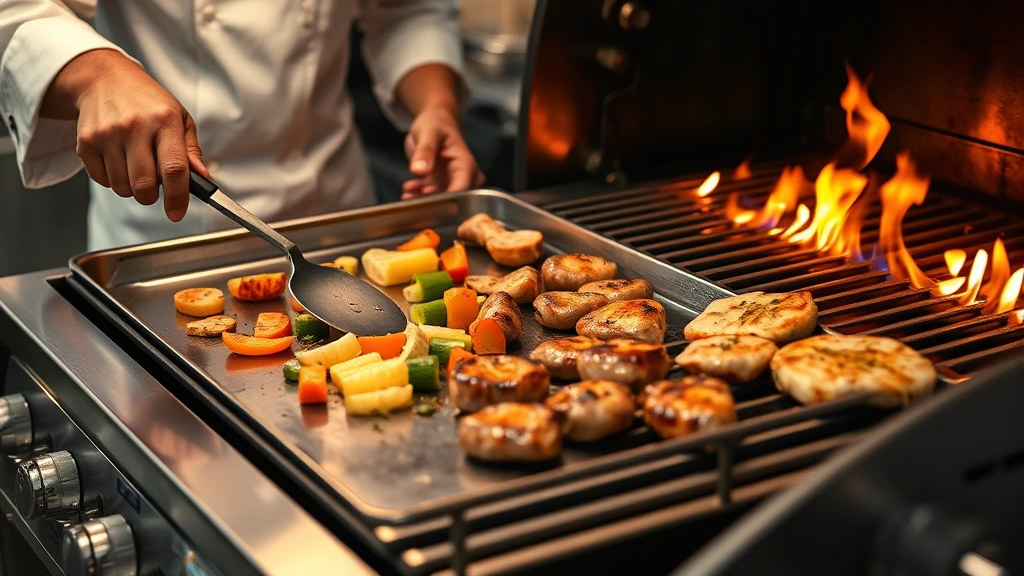
The fundamental difference lies in heat distribution and cooking methodology. Gas grill regulators control propane or natural gas flow to both the grill and griddle sections, allowing independent temperature management. This means you can sear a steak on the grill side while simultaneously cooking eggs or pancakes on the griddle side at different temperatures. For professional chefs managing complex menus during outdoor events, this capability represents a game-changer.
Combo units typically feature a dividing system that separates the grill grates from the flat griddle surface. Some premium models include a removable divider, allowing you to convert the entire cooking surface to either all-grill or all-griddle configuration depending on your specific needs. This flexibility appeals to both casual backyard cooks and professional catering operations.
The construction quality significantly impacts performance. High-grade stainless steel griddle surfaces resist rust and maintain heat distribution more effectively than lower-quality materials. Cast iron griddles, while requiring more maintenance, develop seasoning over time that improves non-stick properties naturally. Understanding these material differences helps you make an informed decision aligned with your cooking style and maintenance preferences.
Key Features Professional Chefs Prioritize
When evaluating gas grills with griddle combinations, professional chefs focus on several critical features that distinguish quality equipment from mediocre alternatives. These insights come from chefs who use these appliances in high-volume cooking environments.
Heat Output and Distribution: Professional-grade combo units typically feature multiple burners with independent controls. Look for models offering 40,000 to 60,000 BTU total output, distributed across separate grill and griddle zones. This allows precise temperature management crucial for different cooking tasks. A well-designed griddle should heat evenly from edge to center, eliminating hot spots that cause uneven cooking.
Surface Area Considerations: The balance between grill and griddle space matters significantly. Most professionals prefer approximately 40-50% griddle surface to 50-60% grill surface, though this varies based on intended use. For breakfast-focused operations, higher griddle percentages make sense. For steakhouses, larger grill areas are preferable. Understanding your primary cooking needs guides this decision.
Temperature Range and Control: Superior combo units maintain temperatures from 200°F for gentle warming to 600°F+ for high-heat searing. Precise burner controls, including dials with clear temperature indicators, enable consistent results. Digital temperature displays, while convenient, require electrical connections and maintenance. Mechanical controls prove more durable in outdoor environments.
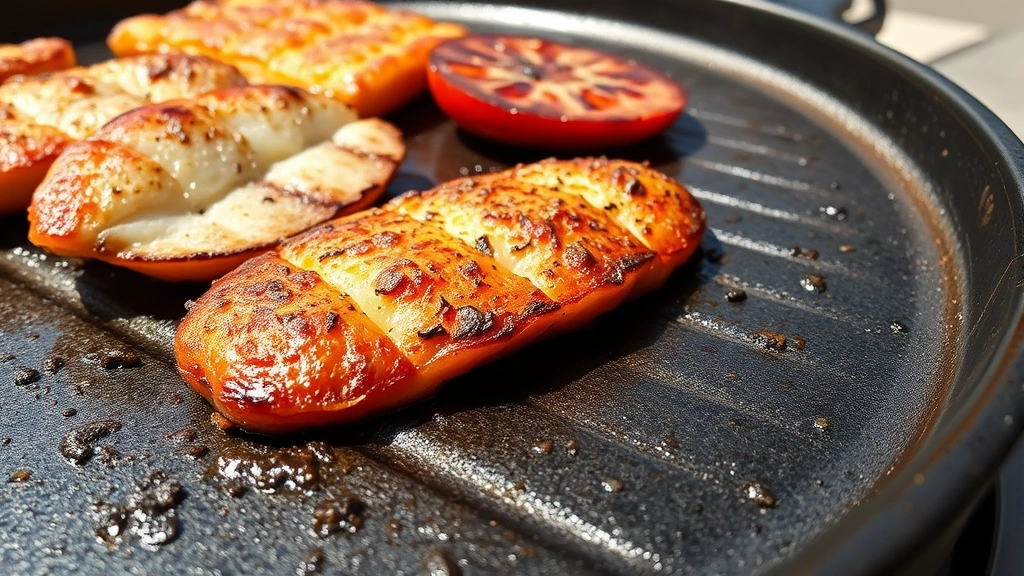
Construction Materials: Stainless steel bodies resist corrosion in coastal or humid environments. Welded rather than bolted connections provide superior durability. The griddle surface material—whether stainless steel, cast iron, or powder-coated steel—affects both cooking performance and maintenance requirements. Professional chefs often prefer cast iron griddles despite higher maintenance because of their superior heat retention and non-stick properties when properly seasoned.
Accessibility and Cleaning: Removable drip pans, grease management systems, and accessible interior spaces facilitate cleaning and maintenance. Professional kitchens demand equipment that can be thoroughly sanitized quickly. Look for designs that allow easy access to all cooking surfaces and internal components.
Cooking Techniques and Best Practices
Mastering a gas grill with griddle combo requires understanding how each surface performs and developing techniques that maximize both.
Griddle Cooking Excellence: The flat surface of a griddle creates contact with food across its entire bottom, enabling superior searing and browning through the Maillard reaction. Preheat the griddle to your target temperature—typically 350-400°F for most applications—and allow 10-15 minutes for even heat distribution. Use a thin layer of oil with high smoke point (avocado oil, grapeseed oil) for optimal results. The griddle excels at cooking breakfast items, pancakes, hash browns, vegetables, and proteins that benefit from even, consistent heat.
Professional chefs emphasize proper oil management on griddles. Too much oil creates greasy food; too little causes sticking and uneven cooking. A light coating applied just before food hits the surface typically produces the best results. For cast iron griddles, the seasoning layer provides natural non-stick properties, reducing oil requirements over time.
Grill Cooking Strategy: The grill’s grated surface creates distinctive char marks and allows heat to access food from below and above. High-heat searing (500°F+) develops flavorful crusts on steaks, chops, and vegetables. Medium heat (350-400°F) suits delicate proteins like fish. Indirect heat cooking—placing food away from primary burners—enables slow-roasting and smoking applications.
Experienced grillers use zone cooking: maintaining different temperature areas simultaneously. On a combo unit, you might keep the griddle at 350°F for cooking sides while the grill section maintains 500°F for searing steaks. This simultaneous multi-temperature capability distinguishes combo units from single-function equipment.
Temperature Management Tips: Always preheat your unit thoroughly—at least 15 minutes for a full combo cooker. Use a reliable meat thermometer for doneness assessment rather than relying on time estimates. Wind conditions affect outdoor cooking temperatures; position your unit to minimize wind exposure. Cover unused burners with foil tents to maintain consistent heat distribution across the cooking surface.
Maintenance and Longevity
Professional chefs understand that equipment quality directly correlates with maintenance demands. A gas grill with griddle combo represents a significant investment that requires proper care to maximize lifespan.
Regular Cleaning Protocol: After each cooking session, while the unit is still warm, scrape the griddle surface with a metal scraper to remove food residue and grease buildup. Use a stiff-bristled brush on grill grates. This prevents carbonized buildup that becomes increasingly difficult to remove over time. Weekly, empty and clean drip pans to prevent grease accumulation and potential fire hazards.
Seasonal Deep Cleaning: At the beginning and end of grilling season, perform comprehensive cleaning. Remove grates and griddle surface if possible. Soak cast iron griddles in warm water with mild soap, then dry thoroughly and apply a light oil coating to prevent rust. Inspect all burners for blockages from debris or insect nests—clean with a thin wire if necessary.
Protection and Storage: Invest in a quality cover to protect your combo unit during off-season or inclement weather. Proper covers prevent rust, extend material lifespan, and reduce deep-cleaning requirements. If storing long-term, disconnect propane tanks and store them safely in a well-ventilated area away from your home.
Component Inspection: Periodically inspect hoses, regulators, and connections for cracks or deterioration. Replace worn components promptly to maintain safety and efficiency. Check that your gas grill regulator functions properly—a faulty regulator can cause uneven heat distribution or unsafe operation.
Sustainability and Energy Efficiency
From an environmental perspective, gas grills with griddle combos offer interesting sustainability considerations. While natural gas and propane are fossil fuels, they present advantages over charcoal and wood alternatives in specific contexts.
Efficiency Advantages: Gas cooking is inherently more efficient than charcoal. Propane and natural gas burn cleanly with minimal waste, and heat is generated on-demand rather than requiring extended heating periods like charcoal. A combo unit consolidates two cooking functions into one appliance, reducing overall material consumption compared to purchasing separate grill and griddle equipment. This consolidation approach aligns with sustainable energy solutions that optimize resource use.
Propane Considerations: Propane is a liquefied petroleum gas that burns with lower carbon intensity than coal or wood. Modern propane appliances meet strict EPA emissions standards. If sourcing propane, inquire about suppliers committed to responsible extraction and distribution practices. Some regions offer renewable propane options—propane derived from agricultural waste or other sustainable sources.
Natural Gas Benefits: If your property has natural gas infrastructure, connecting your combo unit to the main supply eliminates the need for propane tank replacements. This reduces transportation emissions associated with tank refilling and minimizes the carbon footprint of fuel delivery. Natural gas burns slightly cleaner than propane and often costs less where infrastructure exists.
Durability and Lifecycle Impact: Purchasing a high-quality, durable combo unit reduces replacement frequency and associated manufacturing impacts. A unit lasting 10-15 years versus 4-5 years represents significantly lower lifecycle environmental impact. Proper maintenance extends equipment lifespan, further improving sustainability metrics. When the unit eventually reaches end-of-life, most stainless steel and metal components are recyclable through scrap metal facilities.
Responsible Usage: Minimize energy consumption by preheating only when necessary, maintaining proper fuel connections to prevent leaks, and using your equipment efficiently. Combining grill and griddle functions into single sessions reduces total operating time compared to separate cooking events. Consider green technology innovations that may include improved burner designs or smart controls for future combo units.
Choosing the Right Model for Your Needs
Selecting a gas grill with griddle combo requires evaluating your specific cooking needs, space constraints, and budget considerations.
Assessing Your Cooking Style: Consider how you primarily use outdoor cooking equipment. If you host large gatherings with diverse menus, a robust combo unit with substantial griddle space serves well. For steakhouse-style entertaining, prioritize grill surface and high heat output. Small family cooking may require only compact combo units. Honestly evaluate frequency of use—occasional weekend grilling doesn’t justify commercial-grade equipment investment.
Space and Installation: Measure your outdoor cooking area carefully. Combo units occupy significant space—typically 48-72 inches wide. Consider whether your setup accommodates built-in installation or requires a cart-based unit. Ensure adequate clearance for safe operation and proper ventilation. If planning permanent installation, verify that local building codes permit gas appliances in your intended location.
Fuel Source Decision: Propane offers portability and works anywhere without infrastructure. Natural gas requires connection to main supply but provides unlimited fuel access. Both options present valid choices depending on your property setup and local availability. Consult with utility companies regarding natural gas availability and connection costs before deciding.
Budget Considerations: Gas grills with griddle combos range from $500 for basic models to $5,000+ for premium equipment. Mid-range units ($1,500-$3,000) typically offer excellent value, balancing quality construction with reasonable pricing. Avoid the cheapest options—inadequate insulation and poor heat distribution frustrate users quickly. Conversely, don’t overspend on features you won’t utilize.
Brand Reputation and Warranty: Research manufacturer reputation through reviews and professional assessments. Reputable brands offer comprehensive warranties (3-10 years) that protect your investment. Check whether warranties cover labor and parts or only manufacturing defects. Some manufacturers offer superior customer service for repairs and replacements, which matters significantly for specialized equipment.
Accessories and Customization: Quality combo units integrate with modular systems allowing side burners, warming drawers, refrigeration, and storage solutions. Plan for potential future expansion when selecting your primary unit. Some manufacturers offer better accessory compatibility than others, which affects long-term flexibility.
FAQ
Can I use a gas grill with griddle combo for smoking?
While gas grills with griddle combos aren’t ideal for traditional smoking, some models accommodate smoke boxes or can be modified for light smoking applications. The primary function remains direct cooking rather than low-and-slow smoking. If smoking is important, consider dedicated smokers alongside your combo unit, or choose combo models specifically designed with smoking capabilities.
What’s the difference between a griddle and a flat-top grill?
The terms are often used interchangeably in casual conversation, but technically, griddles are flat cooking surfaces without edges, while flat-top grills may have shallow edges for grease collection. Both function similarly, creating even heat distribution across the entire cooking surface. In combo units, these surfaces operate identically.
How often should I replace the griddle surface?
Quality griddle surfaces last 10-15+ years with proper maintenance. Stainless steel griddles are more durable than powder-coated surfaces. Cast iron griddles, if properly seasoned and maintained, can last indefinitely—some professional kitchens use the same cast iron griddles for decades. Most replacement needs result from neglect rather than material failure.
Are gas combos more expensive than separate grill and griddle?
Generally, a quality combo unit costs less than purchasing premium grill and griddle equipment separately. You save on materials, manufacturing, and installation. However, entry-level combo models might cost more than separate budget-tier equipment. For quality-conscious buyers, combos provide better value.
Can I convert my existing grill to include a griddle?
Some aftermarket griddle inserts fit over existing grill grates, but these are temporary solutions with limitations. True combo integration requires manufacturer design. If griddle functionality is important, purchasing a dedicated combo unit provides superior performance and durability compared to makeshift adaptations.
What temperature should I preheat to?
Preheat time depends on ambient conditions and unit size, but typically 15-20 minutes allows full heat distribution. Target preheating temperature varies: 350°F for delicate items, 400-450°F for general cooking, 500°F+ for high-heat searing. Use a reliable thermometer to verify actual surface temperature before cooking.


