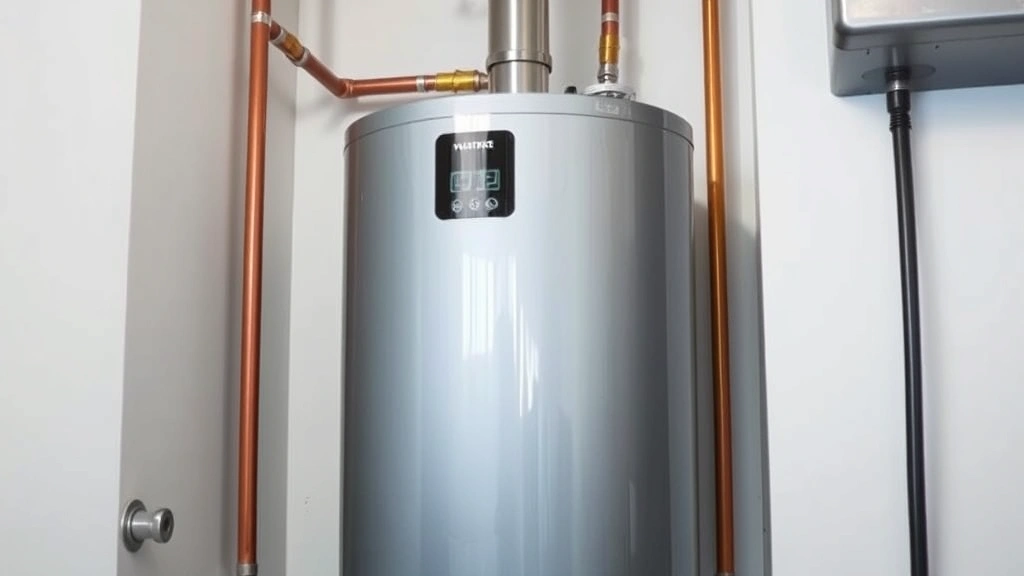
Gas Water Heaters: Efficient or Not? Expert Insights
When it comes to heating water in your home, the choice between gas and electric systems significantly impacts both your utility bills and environmental footprint. A gas hot water heater remains one of the most common options in North American households, but the question of efficiency deserves deeper examination. Modern gas water heaters have evolved considerably, yet they still present trade-offs that homeowners must carefully consider in the context of climate change and rising energy costs.
This comprehensive guide explores the efficiency ratings, operational costs, environmental implications, and emerging alternatives to traditional gas water heating systems. Whether you’re replacing an aging unit or building a new home, understanding the nuances of gas water heater performance will help you make an informed decision aligned with your sustainability goals and budget constraints.
Understanding Gas Water Heater Efficiency Ratings
The efficiency of a gas hot water heater is measured through several standardized metrics that help consumers compare different models and technologies. The most commonly referenced measurement is the Energy Factor (EF), which indicates what percentage of fuel energy actually heats water versus being lost through combustion and tank standby losses. Traditional tank-style gas water heaters typically achieve Energy Factors between 0.55 and 0.70, meaning roughly 55-70% of the energy consumed actually heats your water.
The U.S. Department of Energy established minimum efficiency standards that manufacturers must meet. As of 2015, federal regulations require gas water heaters to achieve higher efficiency thresholds than previous generations. Condensing gas water heaters represent the most efficient tank-style option available today, capturing heat from exhaust gases that would otherwise escape through the flue. These premium models can achieve Energy Factors as high as 0.90, making them substantially more efficient than conventional units.
When evaluating efficiency claims, it’s important to distinguish between different heating technologies. Tankless gas water heaters (also called on-demand systems) operate differently than traditional storage tanks and often achieve higher Energy Factors ranging from 0.82 to 0.96. However, real-world efficiency depends on usage patterns, installation quality, and maintenance practices that go beyond simple laboratory ratings.
How Gas Water Heaters Work
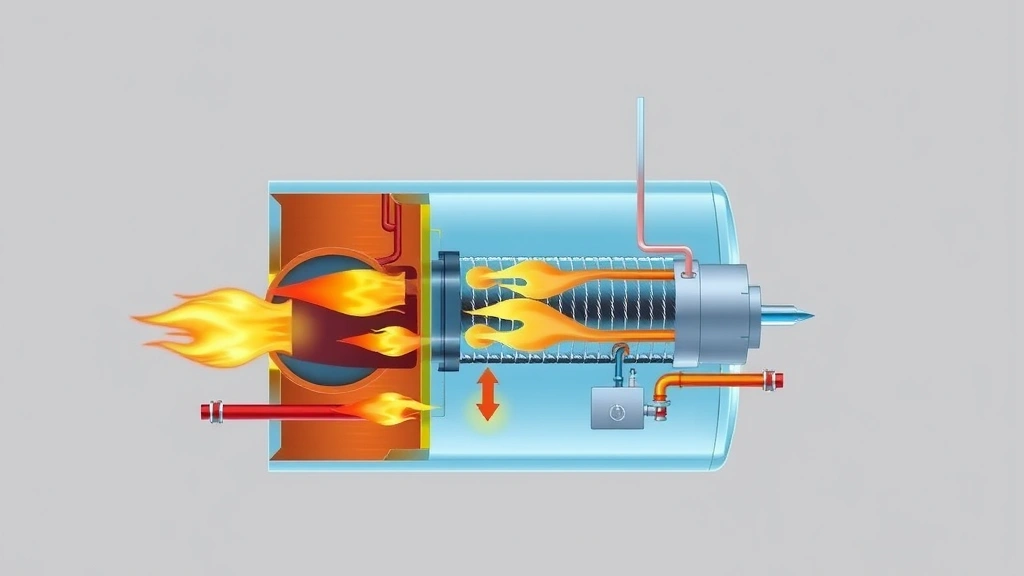
Understanding the operational mechanics of a gas hot water heater helps clarify why efficiency varies significantly across different models and usage scenarios. Traditional tank-style systems maintain a large reservoir of heated water continuously, typically 40-50 gallons in residential applications. A burner at the base of the tank heats water to your desired temperature, and the tank’s insulation attempts to minimize heat loss during storage periods.
The burner activates whenever tank temperature drops below the thermostat setpoint, cycling on and off throughout the day and night regardless of actual hot water demand. This standby energy loss represents a significant efficiency penalty, especially during extended periods when no hot water is being used. Families sleeping through the night or away from home during work hours experience substantial energy waste from this continuous maintenance heating.
Tankless systems eliminate storage-related inefficiencies by heating water on-demand as it flows through a heat exchanger. When you turn on a hot water tap, cold water passes through the unit where powerful burners heat it instantly to your desired temperature. This eliminates standby losses but introduces different efficiency considerations, including flow-rate limitations and the energy required to achieve rapid temperature increases.
Condensing technology represents an advancement applicable to both tank and tankless systems. These units capture latent heat from combustion exhaust gases that would normally escape unused. By cooling exhaust to the point where water vapor condenses, condensing heaters extract additional thermal energy and achieve significantly higher overall efficiency ratings than conventional models.
Energy Factor and Performance Metrics
The Energy Factor provides a standardized way to compare different water heating systems, but understanding what this number actually represents is crucial for making informed decisions about sustainable energy solutions. The EF measures efficiency under controlled laboratory conditions using specific water usage patterns, typically assuming 64.3 gallons of daily hot water consumption. This standard test provides useful comparison data but may not reflect your household’s actual usage patterns.
The Uniform Energy Factor (UEF) represents a newer metric introduced by the Department of Energy that incorporates more realistic usage scenarios and regional climate variations. UEF ratings generally run slightly lower than traditional EF ratings because they account for actual installation practices and environmental factors. When comparing modern gas water heaters, look for UEF ratings rather than older EF measurements for the most accurate efficiency comparison.
Recovery rate represents another important efficiency metric, measuring how quickly a water heater can reheat its tank after hot water has been drawn. A higher recovery rate means faster access to hot water and better performance during periods of high demand. Tankless systems excel in this category, providing virtually unlimited hot water flow once the system reaches operating temperature, though flow rates are typically limited to 2-5 gallons per minute depending on the model.
First Hour Rating (FHR) indicates how much hot water a system can deliver during the first hour of use, combining both stored hot water and recovery capacity. This metric matters significantly for families with multiple simultaneous hot water demands, such as showers occurring while laundry is running. Understanding your household’s peak demand helps determine whether standard or high-capacity models better suit your needs.
Operating Costs and Long-Term Expenses
The actual cost of operating a gas hot water heater extends far beyond the purchase price, encompassing installation, fuel consumption, maintenance, and eventual replacement. Natural gas prices fluctuate based on market conditions and regional availability, but gas generally remains cheaper than electricity on a per-BTU basis in most North American regions. However, this cost advantage varies significantly by location, with some areas experiencing parity or premium pricing for natural gas.
A typical household using a conventional gas water heater spends $300-500 annually on water heating fuel, representing roughly 15-20% of total home energy consumption. Upgrading to a high-efficiency condensing model might reduce this to $200-350 annually, potentially saving $1,500-2,000 over the unit’s 15-year lifespan. However, condensing units cost $1,200-2,000 more upfront than conventional models, making the payback period 6-10 years depending on local gas prices and usage patterns.
Tankless gas water heaters typically cost $2,500-4,500 installed, compared to $1,000-1,500 for conventional tank models. Annual operating costs for tankless systems often run 24-34% lower than storage tanks, potentially justifying the higher initial investment for households with high hot water demand or long payback horizons. Energy cost savings must be weighed against higher installation complexity and potential maintenance expenses for these more sophisticated systems.
Consider how energy-saving strategies at home can optimize your system’s performance. Insulating hot water pipes, lowering thermostat setpoints, installing low-flow showerheads, and fixing leaks can reduce energy consumption by 10-20% regardless of the heating system type. These behavioral and maintenance factors often provide better returns on investment than equipment upgrades alone.
Environmental Impact Assessment
The environmental implications of gas water heating extend beyond simple energy consumption metrics to encompass greenhouse gas emissions, air quality impacts, and resource extraction concerns. Natural gas combustion produces carbon dioxide, the primary greenhouse gas driving climate change, plus smaller quantities of methane, nitrogen oxides, and other pollutants. A typical household’s gas water heater generates roughly 3-4 metric tons of CO2 annually, equivalent to driving a car approximately 7,000-8,000 miles.
Methane leakage throughout the natural gas supply chain represents a significant but often overlooked environmental concern. While transporting and delivering natural gas to homes, approximately 1-3% of the gas escapes as methane—a potent greenhouse gas roughly 80-90 times more powerful than CO2 over a 20-year timeframe. This upstream leakage effectively increases the climate impact of gas water heaters by 15-25% compared to their direct combustion emissions alone.
Shifting toward natural gas alternatives and innovations becomes increasingly important as electricity grids incorporate more renewable energy sources. In regions where wind and solar generation predominates, electric water heaters powered by clean energy represent dramatically lower environmental impacts than gas systems. This geographic variation means that the optimal choice depends heavily on your local energy mix and grid trajectory.
Heat pump water heaters powered by electricity offer the most environmentally attractive option for new installations, achieving effective efficiency ratings of 200-300% by moving heat rather than generating it. These systems reduce direct emissions to zero while cutting energy consumption by 50-75% compared to conventional gas heaters, even accounting for current grid carbon intensity in most regions.
The extraction and processing of natural gas creates additional environmental concerns including land disruption, water contamination risks, and ecosystem fragmentation. Supporting infrastructure development for gas delivery systems perpetuates long-term fossil fuel dependence and delays necessary transitions toward renewable energy systems. From an environmental stewardship perspective, minimizing new gas infrastructure investments helps accelerate the clean energy transition.
Comparing Gas to Alternative Systems
Electric resistance water heaters represent the most common alternative to gas systems, particularly in all-electric homes or regions without natural gas infrastructure. Traditional electric heaters achieve Energy Factors around 0.90, higher than conventional gas systems but lower than high-efficiency gas or heat pump alternatives. Operating costs typically exceed gas in regions where natural gas pricing remains competitive, though this varies by location.
Heat pump water heaters have emerged as the most efficient option currently available for residential applications, achieving Energy Factors exceeding 2.0 by extracting ambient heat from surrounding air or ground. These systems reduce energy consumption by 50-75% compared to conventional electric heaters and 65-80% compared to gas systems. Heat pump technology works most effectively in moderate climates and larger homes with substantial hot water demand, though cold-climate models are increasingly available.
Solar water heating systems harness renewable energy directly, eliminating operating costs after the initial installation investment. Passive solar systems cost $1,500-3,000 installed while active systems with circulation pumps range from $3,000-6,000. Solar systems reduce conventional energy consumption by 50-80% depending on climate, though they typically require a backup heating system for cloudy periods and winter months when solar intensity diminishes.
Hybrid systems combining gas backup with solar or heat pump primary heating offer balanced approaches for various climate zones and usage patterns. These multi-fuel systems maximize efficiency while maintaining reliability during extreme weather or peak demand periods. Understanding green technology innovations helps homeowners identify solutions aligned with their specific circumstances.
Condensing gas water heaters represent the most efficient gas-only option, achieving 85-95% efficiency by capturing exhaust heat. While more expensive upfront, these systems bridge the gap between conventional gas heaters and alternative technologies, offering meaningful efficiency improvements without requiring complete system replacement or major infrastructure changes. For households unable or unwilling to switch from gas, condensing models provide the most responsible choice.
Maintenance and Longevity Considerations
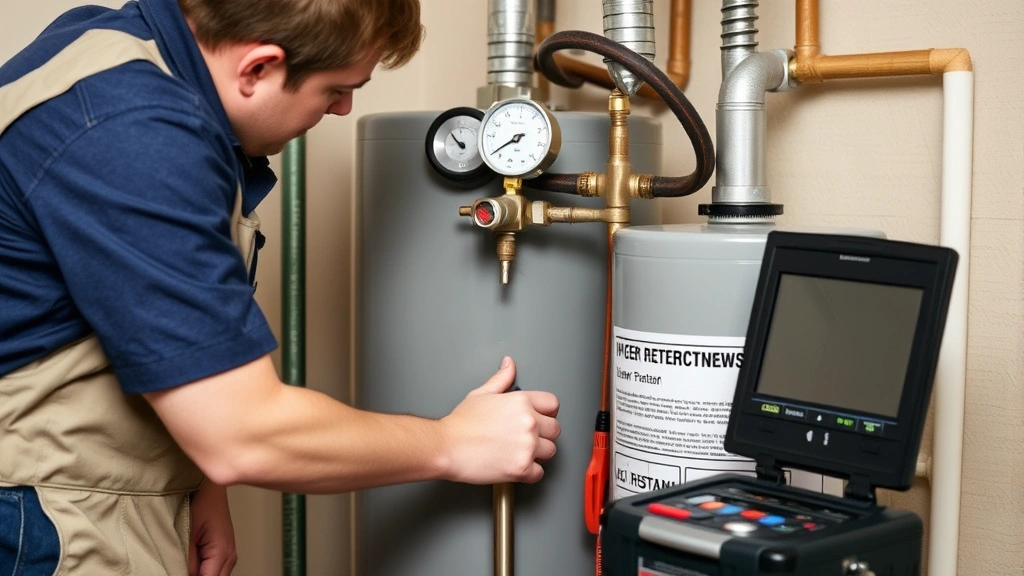
Proper maintenance significantly impacts the real-world efficiency and lifespan of any water heating system. Traditional gas water heaters require annual inspection of the burner assembly, heat exchanger, and flue pipe to ensure safe and efficient operation. Sediment accumulation at the tank bottom reduces heat transfer efficiency and can eventually damage the tank, making regular flushing essential for longevity and performance.
Professional maintenance typically costs $150-250 annually but extends system lifespan and maintains manufacturer warranties. DIY maintenance like flushing the tank and inspecting the anode rod can supplement professional service and reduce overall maintenance expenses. Neglecting maintenance often reduces system lifespan from 12-15 years to 8-10 years and increases energy consumption by 10-15% as efficiency degrades.
Tankless gas water heaters require more frequent descaling in hard water areas, as mineral deposits accumulate in the heat exchanger and reduce efficiency. Annual professional descaling costs $200-300 but prevents costly repairs and maintains efficiency ratings. Some tankless units include built-in descaling ports allowing easier maintenance, while others require professional service for proper system flushing.
Condensing water heaters require special attention to condensate drainage systems, which must remain clear to prevent system malfunction. The acidic condensate requires proper neutralization before entering standard plumbing, necessitating specialized drain systems and occasional maintenance. These additional requirements increase maintenance complexity and costs compared to conventional gas heaters, typically adding $100-150 annually to service expenses.
Anode rod replacement represents critical maintenance for traditional tank-style heaters, whether gas or electric. The sacrificial anode rod corrodes preferentially to protect the steel tank from rust. Replacing the anode rod every 3-5 years costs $100-200 but prevents catastrophic tank failure and extends system lifespan by 5-10 years. Neglecting this simple maintenance often results in premature tank failure and expensive replacement.
Optimization Strategies for Maximum Efficiency
Maximizing the efficiency of your existing gas hot water heater involves multiple strategies addressing both equipment performance and usage patterns. Lowering the thermostat setpoint from the factory default of 140°F to 120°F reduces standby losses while providing adequate hot water for most household needs. This simple adjustment saves 3-5% annually on water heating energy without sacrificing comfort or safety for most users.
Insulating exposed hot water pipes reduces heat loss during distribution, particularly important for pipes in unheated spaces like basements or attics. Pipe insulation costs $0.50-1.50 per linear foot but reduces heat loss by 50-90% depending on insulation thickness and pipe location. This low-cost upgrade typically pays for itself within months through reduced energy consumption.
Installing low-flow showerheads and faucet aerators directly reduces hot water consumption without noticeable performance reduction for most users. Standard showerheads deliver 5 gallons per minute while efficient models flow at 2-2.5 gallons per minute, reducing hot water demand by 50% during showers. At typical usage rates, this single upgrade saves $100-200 annually in water and energy heating costs.
Fixing hot water leaks promptly prevents continuous waste of both heated water and energy. Even small drips from faucets or valves can waste 5-10 gallons daily, equivalent to $50-150 annually in wasted hot water and heating energy. Regular inspection of all hot water connections identifies problems before they become expensive water and energy waste.
Upgrading to a system that reduces your environmental footprint represents the most significant long-term optimization strategy. While maintaining and optimizing existing gas water heaters provides immediate benefits, planning for eventual replacement with a high-efficiency or alternative system aligns your household with climate goals and future energy trends. Many utility companies offer rebates for efficient water heater upgrades, reducing the financial barriers to switching technologies.
Demand water heaters (recirculation systems) maintain hot water in pipes ready for immediate use, reducing the time spent running water before hot water arrives. While these systems consume additional energy for circulation, they can reduce overall hot water waste by 10-15% in homes with long distances between the water heater and fixtures. Properly sized and controlled recirculation systems represent a worthwhile investment for large homes or those with high hot water usage patterns.
FAQ
What is the average efficiency of a gas water heater?
Conventional gas water heaters achieve efficiency ratings between 55-70% (Energy Factor 0.55-0.70), meaning roughly 30-45% of fuel energy is lost through flue gases and tank standby losses. Condensing models achieve 85-95% efficiency, while tankless systems range from 80-96% depending on specific model and usage patterns. Federal minimum standards require new units to achieve at least 0.59 Energy Factor for standard models, though high-efficiency options significantly exceed this baseline.
Is a tankless gas water heater more efficient than a tank model?
Tankless gas water heaters are generally 24-34% more efficient than conventional storage tank models, eliminating standby losses that plague traditional systems. However, efficiency advantages vary based on usage patterns, with tankless systems performing best in households with distributed hot water demand rather than concentrated usage periods. Installation quality, maintenance practices, and climate conditions significantly impact real-world efficiency for both system types.
How much money can I save by upgrading to a high-efficiency gas water heater?
Upgrading from a conventional gas water heater to a condensing model typically saves $100-200 annually on energy costs, potentially totaling $1,500-3,000 over the system’s 15-year lifespan. However, the $1,200-2,000 higher upfront cost means payback periods of 6-10 years depending on local gas prices. Utility rebates often reduce net upgrade costs, improving financial returns and making the upgrade financially attractive for many households.
What is the environmental impact of using a gas water heater?
A typical household’s gas water heater generates 3-4 metric tons of CO2 annually, equivalent to driving 7,000-8,000 miles. Methane leakage in the natural gas supply chain adds another 15-25% to the climate impact. Switching to electric heat pump or solar systems reduces environmental impact by 50-80%, while high-efficiency condensing models provide modest improvements of 20-30% compared to conventional gas heaters.
How often should I maintain my gas water heater?
Professional maintenance should occur annually, including inspection of the burner, heat exchanger, and flue pipe. Flushing sediment from the tank every 1-2 years maintains efficiency and extends system lifespan. Anode rod inspection should occur every 3 years, with replacement every 3-5 years to prevent tank corrosion. These maintenance practices typically cost $150-250 annually but extend system lifespan by 5-10 years and maintain efficiency ratings.
Should I replace my gas water heater with an alternative system?
Replacement decisions depend on your climate zone, local energy prices, environmental priorities, and budget constraints. Heat pump water heaters offer the best efficiency and environmental benefits but work most effectively in moderate climates. Solar systems provide excellent long-term economics in sunny regions. For households prioritizing immediate cost savings and unable to switch from gas, high-efficiency condensing models provide the best compromise between efficiency and affordability.


