Is LPG Sustainable? Expert Insights on Gas Licuado Propano and Environmental Impact
Liquefied petroleum gas (LPG), commonly known as gas licuado propano in Spanish-speaking regions, has emerged as a transitional energy source in the global shift toward sustainability. With millions of households and businesses relying on LPG for heating, cooking, and transportation, understanding its environmental credentials is crucial for informed energy decisions. This comprehensive guide examines whether LPG truly qualifies as a sustainable fuel option and explores its role in our energy future.
The sustainability debate surrounding LPG is multifaceted, involving considerations of carbon emissions, extraction methods, energy efficiency, and its position within the broader renewable energy landscape. While LPG offers certain advantages over traditional fossil fuels like coal and heavy fuel oil, it remains a hydrocarbon-based energy source with inherent environmental challenges. We’ll analyze the scientific evidence, expert perspectives, and practical implications to help you understand this complex energy question.
What is LPG and How is it Produced
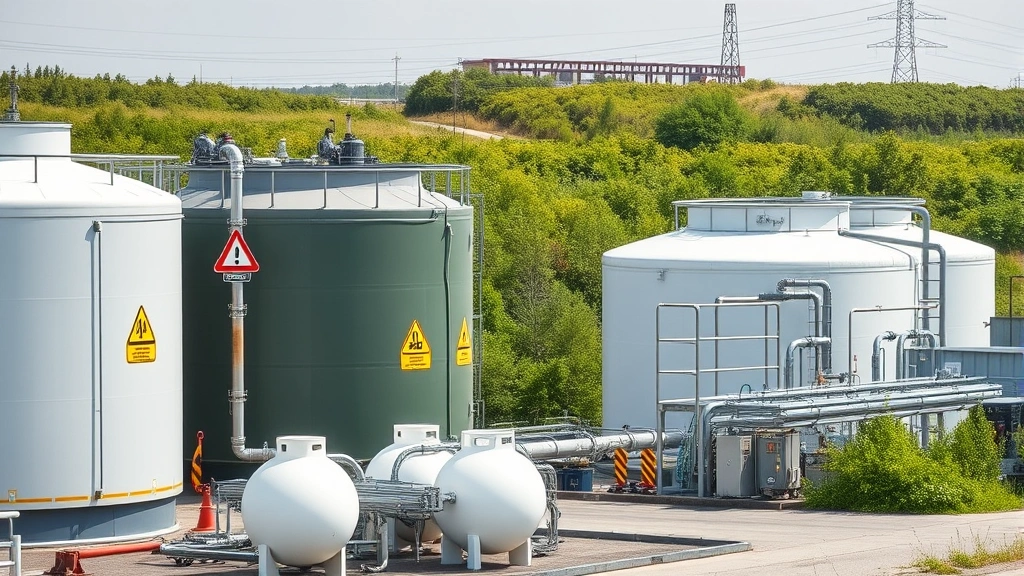
Liquefied petroleum gas (gas licuado propano) is a hydrocarbon fuel composed primarily of propane and butane. It exists as a gas at normal atmospheric temperature and pressure but becomes liquid when cooled or compressed. LPG is extracted during crude oil refining and natural gas processing, making it a byproduct of existing fossil fuel operations rather than a fuel requiring dedicated extraction infrastructure.
The production process involves capturing vapors that would otherwise be flared or vented during oil and gas operations. This aspect presents an interesting sustainability angle: utilizing LPG reduces waste from conventional petroleum processing. However, this benefit is tempered by the fact that increased LPG demand incentivizes continued oil and gas extraction, perpetuating dependence on fossil fuels. Understanding this paradox is essential when evaluating sustainable energy solutions in our current energy landscape.
LPG production capacity varies globally, with major producing regions including the Middle East, Africa, and the Americas. The fuel is stored in pressurized tanks and distributed through an established network of suppliers, making it readily accessible in many regions where renewable energy infrastructure remains underdeveloped.
Carbon Emissions and Climate Impact
The sustainability question fundamentally centers on LPG’s carbon footprint. When burned, LPG produces approximately 3 kg of CO₂ per kg of fuel consumed, making it cleaner than coal (which generates around 3.5-4 kg CO₂/kg) but significantly more carbon-intensive than renewable energy sources. A typical household using LPG for heating and cooking generates 5-8 tons of CO₂ annually, depending on consumption patterns and climate.
Research from the U.S. Environmental Protection Agency indicates that while LPG combustion produces lower emissions than coal or oil-based heating, it remains a fossil fuel with unavoidable climate impact. The carbon intensity of LPG is approximately 73.15 g CO₂/MJ, positioning it between natural gas (lower emissions) and diesel fuel (higher emissions).
Importantly, lifecycle emissions extend beyond combustion. Extraction, processing, transportation, and storage all contribute to LPG’s total environmental footprint. A comprehensive International Energy Agency assessment reveals that well-to-tank emissions account for approximately 10-15% of total LPG lifecycle emissions in developed markets with efficient distribution networks.
LPG vs Other Energy Sources
Comparative analysis reveals important context for LPG’s sustainability profile. When evaluated against natural gas renewable energy considerations, LPG emerges as slightly more efficient per unit of energy produced, though both remain fossil fuels. The comparison framework matters considerably when assessing sustainability claims.
Emissions Comparison (per unit of energy):
- Coal: 94.6 g CO₂/MJ (highest emissions)
- Oil/Diesel: 73.5 g CO₂/MJ
- LPG: 73.15 g CO₂/MJ
- Natural Gas: 56.1 g CO₂/MJ
- Nuclear: 12 g CO₂/MJ
- Wind: 11 g CO₂/MJ
- Solar: 41 g CO₂/MJ (accounting for manufacturing)
This data demonstrates that while LPG offers improvements over coal and oil, it remains substantially more carbon-intensive than renewable alternatives. For households with access to green technology innovations, transitioning away from LPG should be prioritized. However, in regions lacking renewable infrastructure, LPG represents a pragmatic interim solution.
The International Gas Union reports that LPG could serve as a bridge fuel in developing nations, enabling energy access while renewable capacity expands. This transitional role is particularly relevant in South Asia, Southeast Asia, and parts of Africa where electrification remains incomplete.
Supply Chain and Extraction Concerns
A critical sustainability consideration involves LPG’s supply chain and the extraction practices of parent industries. Because LPG is primarily derived from crude oil refining and natural gas processing, its production is intrinsically linked to environmentally problematic activities: oil extraction, natural gas drilling, and associated habitat disruption.
Conventional oil extraction causes significant environmental damage including:
- Habitat destruction and biodiversity loss in ecologically sensitive regions
- Water contamination from drilling chemicals and operational spills
- Methane leakage during natural gas production and processing
- Soil degradation and long-term land use impacts
- Indigenous community displacement and rights violations
While LPG itself doesn’t require dedicated drilling operations, its production volume directly correlates with oil and gas industry activity. Increasing LPG consumption perpetuates demand for crude oil extraction, undermining climate commitments and conservation efforts. This systemic linkage is frequently overlooked in sustainability discussions but remains fundamentally important.
The World Wildlife Fund emphasizes that transitioning to renewable energy sources breaks this supply chain dependency, protecting vulnerable ecosystems and communities.
Energy Efficiency and Performance
One dimension where LPG demonstrates genuine sustainability advantages is operational efficiency. LPG combustion converts approximately 85-95% of its energy content into usable heat, depending on appliance design and installation quality. This efficiency rate significantly exceeds many heating alternatives and approaches that of natural gas systems.
For cooking applications, LPG provides rapid heat response and precise temperature control, reducing cooking times and energy waste. Modern LPG appliances achieve efficiency ratings of 90%+, making them practical for resource-conscious households without renewable alternatives. Implementing practical tips for energy savings at home becomes more achievable when baseline appliance efficiency is high.
However, this operational efficiency must be contextualized within broader sustainability frameworks. High appliance efficiency cannot offset the fundamental carbon intensity of the fuel source. A 95% efficient LPG heater still produces 73.15 g CO₂/MJ of energy delivered—substantially more than renewable alternatives.
LPG’s energy density (approximately 46.3 MJ/kg) makes it valuable for portable applications and regions with limited electricity infrastructure. In off-grid scenarios, LPG provides reliable, storable energy that renewable sources cannot match without battery technology integration.
LPG in Transportation Sector
Autogas (LPG for vehicles) represents one of the fuel’s most controversial applications regarding sustainability. Approximately 25 million vehicles worldwide use LPG, particularly in Europe, Turkey, and South Korea. Compared to gasoline, LPG-powered vehicles produce approximately 15-20% lower CO₂ emissions and significantly reduced particulate matter and nitrogen oxides.
However, this comparative advantage becomes less compelling when evaluated against electric vehicle alternatives. Electric vehicles offer substantial advantages over all fossil fuel options, including LPG vehicles. A battery electric vehicle powered by renewable electricity produces near-zero operational emissions, while an LPG vehicle remains locked into fossil fuel dependency.
The transportation sector’s sustainability transformation increasingly emphasizes electrification rather than alternative fuels. Major automotive markets, including the European Union and China, are phasing out internal combustion engines entirely, regardless of fuel type. This regulatory trajectory suggests LPG’s transportation role will diminish significantly by 2040.
For existing vehicle fleets where electrification isn’t immediately feasible, LPG represents a practical emission reduction strategy. However, new vehicle purchases should prioritize electric options where available, accelerating the transition away from all hydrocarbon-based transportation fuels.
Safety and Infrastructure Advantages
Beyond environmental considerations, LPG offers practical safety and infrastructure benefits that support its continued use in specific contexts. LPG systems include multiple safety mechanisms: automatic shut-off valves, pressure regulators, and leak detection technology. These features have made LPG one of the safest fuels for domestic applications when properly installed and maintained.
The existing LPG infrastructure represents substantial capital investment and logistical capability spanning distribution networks, storage facilities, and retail outlets. In developing regions, this infrastructure provides energy access that would require decades to replicate with renewable alternatives. This pragmatic reality supports LPG’s transitional role in energy development strategies.
LPG’s portability and storage stability enable applications where electricity and natural gas aren’t practical: rural heating, agricultural operations, emergency power, and remote industrial facilities. These niche applications justify continued LPG availability even as broader energy systems transition to renewables.
The Transition to Renewable Alternatives
The most honest assessment of LPG’s sustainability profile acknowledges its transitional rather than permanent role in energy systems. For regions with developing renewable infrastructure and limited electricity access, LPG provides a pragmatic interim solution. However, strategic energy planning must prioritize renewable transition pathways that ultimately eliminate fossil fuel dependence.
Renewable alternatives to LPG include:
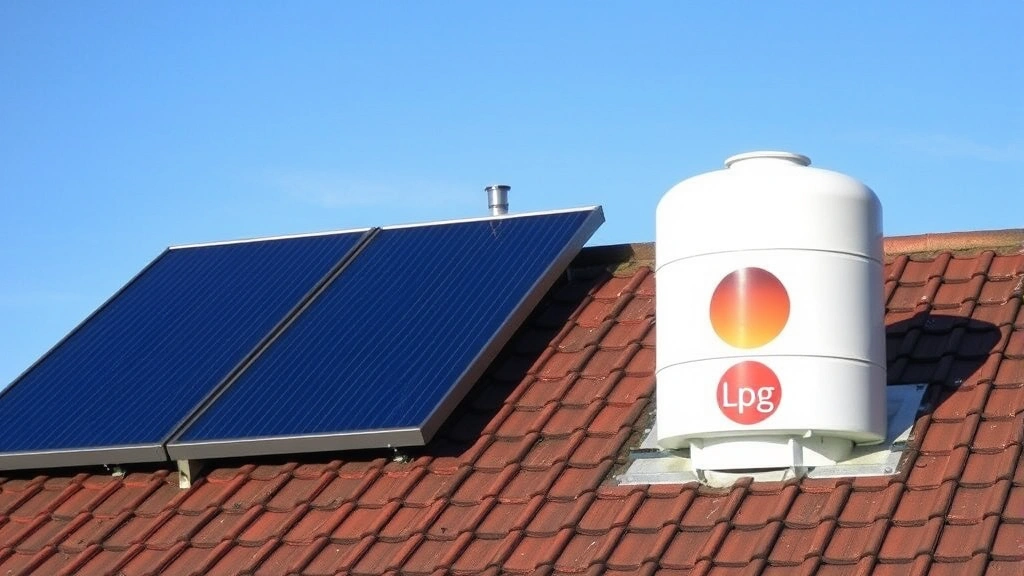
- Solar Thermal Systems: Direct solar heating for water and space heating, eliminating fuel consumption entirely
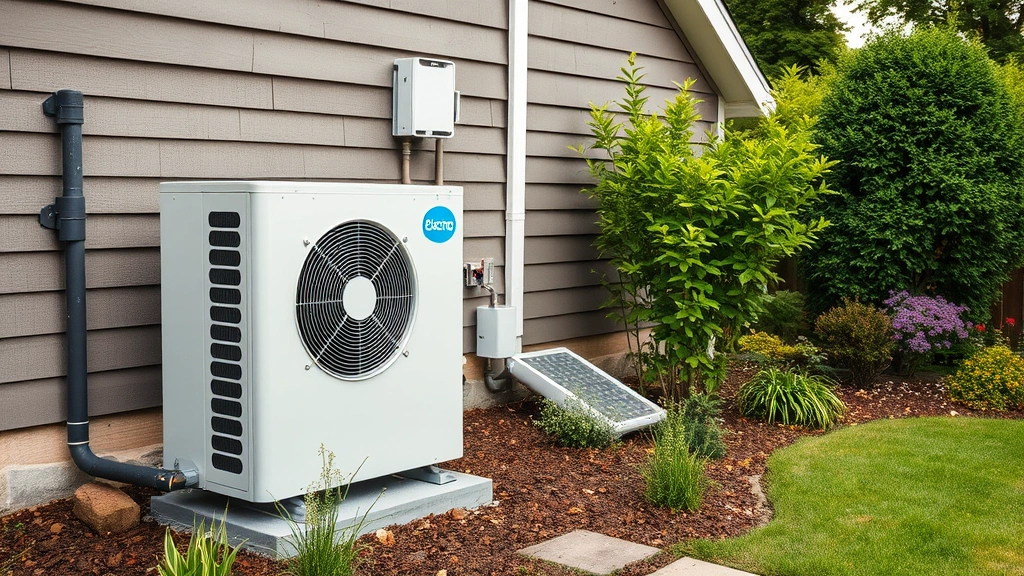
- Heat Pumps: Electrically powered systems that transfer heat efficiently, achieving 300-400% efficiency when powered by renewable electricity
- Biomass Energy: Sustainably harvested wood and agricultural waste can provide renewable heating with carbon-neutral lifecycle profiles
- District Heating: Centralized systems distributing heat from renewable or waste sources to multiple buildings
- Electric Induction Cooking: Replacing gas cooking with efficient electric alternatives as grid decarbonization progresses
Investment in these alternatives represents the authentic sustainability path. Governments, utilities, and building operators should establish timelines for phasing out fossil fuels including LPG, while supporting communities dependent on these fuels through just transition programs. The United Nations Sustainable Development Goals framework emphasizes ensuring energy access while rapidly decarbonizing energy systems—a challenge requiring intentional management rather than indefinite LPG reliance.
Developing nations face particular pressure to leapfrog fossil fuel infrastructure entirely, investing directly in renewable energy rather than replicating historical patterns of hydrocarbon dependence. International climate finance should prioritize renewable energy infrastructure in regions currently expanding LPG systems, preventing long-term carbon lock-in.
FAQ
Is LPG considered a renewable energy source?
No, LPG is not renewable. It is a fossil fuel derived from crude oil refining and natural gas processing. While it can be produced from biomass sources (creating bioLPG), conventional LPG is a finite, non-renewable resource. The term “renewable” specifically refers to energy sources that replenish naturally, such as solar, wind, and hydroelectric power.
How does LPG’s sustainability compare to natural gas?
LPG and natural gas are both fossil fuels with similar sustainability profiles. Natural gas produces slightly lower emissions per unit of energy (56.1 vs 73.15 g CO₂/MJ), making it marginally cleaner. However, natural gas systems experience methane leakage during extraction and distribution, which can offset combustion advantages. Both fuels should be considered transitional energy sources rather than sustainable long-term solutions.
Can LPG be produced from renewable sources?
Yes, bioLPG can be produced from biomass through advanced processing technologies. Sustainably harvested biomass-derived LPG offers carbon-neutral characteristics similar to conventional renewable energy. However, bioLPG production capacity remains minimal globally, and feedstock sustainability requires rigorous certification to prevent deforestation or food security impacts.
What is the most sustainable way to use LPG currently?
If LPG use is necessary, maximize sustainability through: (1) High-efficiency modern appliances (90%+ efficiency), (2) Regular maintenance ensuring optimal combustion, (3) Combining with renewable energy where possible (solar thermal systems), (4) Prioritizing LPG for applications where renewable alternatives don’t exist, and (5) Establishing timelines to transition away from LPG as renewable infrastructure develops.
Does LPG produce air pollution beyond carbon emissions?
Modern LPG combustion produces minimal air pollution when properly burned. Complete combustion generates primarily CO₂ and water vapor. However, incomplete combustion in poorly maintained appliances can produce nitrogen oxides and particulate matter. LPG produces significantly fewer air pollutants than coal or oil-based fuels, though renewable energy sources eliminate combustion pollution entirely.
What percentage of global energy comes from LPG?
LPG accounts for approximately 1-2% of global primary energy consumption, with higher percentages in specific regions. In developing nations, LPG’s share reaches 3-5% of energy supply, particularly for cooking and heating. This relatively modest global contribution suggests that phasing out LPG is technically feasible through renewable energy transition strategies.
Is LPG more sustainable than coal or oil?
Yes, LPG produces lower emissions than coal (94.6 g CO₂/MJ) and slightly lower than crude oil products (73.5 g CO₂/MJ). For regions currently using coal or oil heating, transitioning to LPG represents a meaningful emission reduction. However, this comparison shouldn’t suggest LPG is “sustainable”—it’s simply less unsustainable than dirtier fossil fuels. The ultimate sustainability path requires transitioning beyond all fossil fuels.
What role will LPG play in future energy systems?
Expert consensus suggests LPG’s role will decline as renewable energy infrastructure expands. However, LPG may retain niche applications in remote areas, emergency backup systems, and specialized industrial processes where renewable alternatives don’t yet exist. Strategic energy planning should establish specific timelines for LPG phase-out rather than assuming indefinite fossil fuel availability.


