Is Natural Gas Sustainable? Expert Insights on Energy’s Contentious Middle Ground
Natural gas occupies a peculiar position in the global energy landscape—often promoted as a transitional fuel between fossil fuels and renewables, yet increasingly scrutinized by climate scientists and sustainability experts. The question of whether natural gas qualifies as sustainable requires nuanced examination of its environmental impact, role in decarbonization strategies, and comparison with alternative energy sources. This comprehensive analysis explores what experts say about natural gas sustainability, examining both its potential benefits and significant limitations.
As nations worldwide grapple with climate change mitigation, understanding natural gas’s true sustainability profile becomes essential for informed energy policy decisions. While some argue it serves as a necessary bridge fuel, others contend that continued investment in natural gas infrastructure locks in decades of greenhouse gas emissions. We’ll delve into the science, economics, and expert consensus surrounding this pivotal energy question.

Understanding Natural Gas Composition and Sources
Natural gas primarily consists of methane (CH₄), a hydrocarbon that burns cleaner than coal or oil in terms of direct combustion emissions. When extracted from underground reserves or produced through unconventional methods like hydraulic fracturing, natural gas requires processing before delivery through extensive gas line infrastructure to end users. The composition typically includes 70-90% methane, with varying amounts of ethane, propane, nitrogen, and other hydrocarbons depending on the source.
Conventional natural gas reserves form over millions of years from organic matter buried deep underground. Unconventional sources include shale gas extracted through fracking, coal bed methane, and tight gas formations. Each extraction method carries distinct environmental considerations, from water contamination risks to habitat disruption. Understanding these source differences proves crucial when evaluating natural gas’s overall sustainability profile, as extraction methods significantly influence the total lifecycle environmental impact.
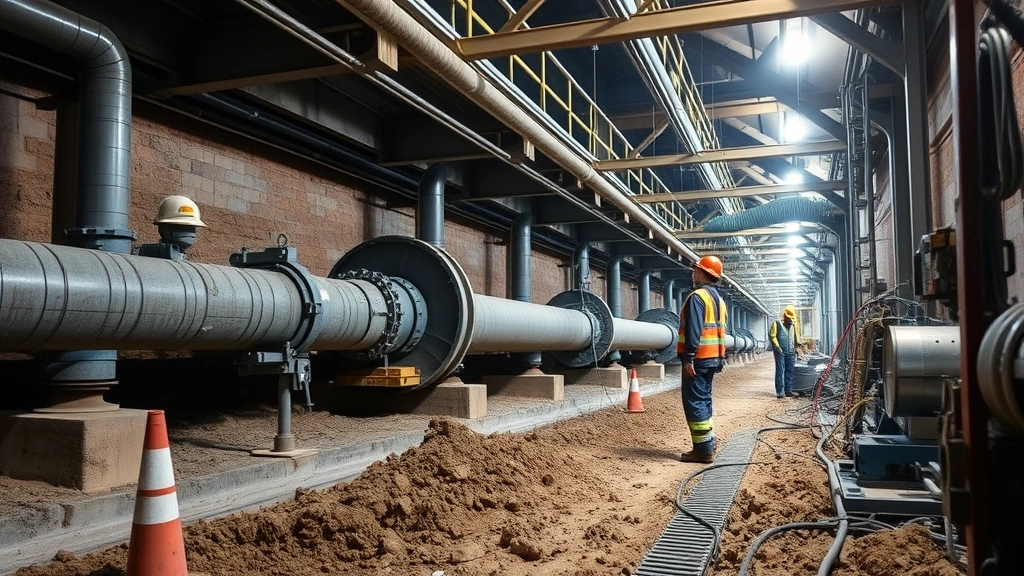
The infrastructure required to deliver natural gas—including wells, compressors, processing plants, and extensive gas line networks—represents substantial capital investment and environmental footprint. Modern systems continue expanding globally, with new gas line projects proposed in numerous regions, raising questions about long-term energy commitments.
Carbon Emissions and Climate Impact
When combusted for electricity generation, heating, or industrial processes, natural gas produces approximately 50% fewer carbon dioxide emissions than coal and roughly 30% less than petroleum. This advantage has positioned natural gas as seemingly preferable to dirtier fossil fuels. However, direct combustion emissions represent only part of the sustainability equation.
A typical natural gas power plant emits approximately 400-500 grams of CO₂ equivalent per kilowatt-hour, compared to coal’s 800-1,000 grams. For residential heating, natural gas appliances emit roughly 5-6 metric tons of CO₂ annually per household. While lower than alternatives, these emissions still contribute significantly to atmospheric greenhouse gas concentrations and climate change acceleration.
The International Energy Agency emphasizes that natural gas combustion remains fundamentally incompatible with limiting global temperature rise to 1.5°C above pre-industrial levels. Even accounting for natural gas’s relative cleanliness compared to coal, widespread adoption locks societies into continued fossil fuel dependence rather than accelerating transition to zero-carbon energy sources.
When evaluating natural gas sustainability, we must consider how it fits within broader sustainable energy solutions frameworks. The critical question isn’t whether natural gas emits less than coal—it does—but whether continued investment serves climate goals or impedes them.
Methane Leakage: The Hidden Problem
Perhaps the most significant sustainability challenge with natural gas is methane leakage throughout the supply chain. Methane, the primary component of natural gas, possesses a global warming potential approximately 28-36 times greater than carbon dioxide over a 100-year period, and up to 80-85 times greater over 20 years. Even small leakage percentages substantially undermine natural gas’s climate advantages.
Leakage occurs at multiple points: extraction wells, processing facilities, compression stations, transmission pipelines, distribution networks, and end-use appliances. Studies indicate that total methane emissions from natural gas systems range from 1-5% of production, though some research suggests higher percentages in certain regions. The U.S. Environmental Protection Agency estimates that methane leakage from oil and gas operations represents a significant source of anthropogenic greenhouse gas emissions.
A leaked ton of methane causes more climate damage than a ton of CO₂ burned through combustion. This means that if natural gas leakage exceeds approximately 3-4% of production, the climate benefit compared to coal essentially disappears. Many independent studies suggest current leakage rates approach or exceed these critical thresholds, particularly when accounting for fugitive emissions from older infrastructure.
Addressing methane leakage requires substantial investment in detection technology, pipeline maintenance, and equipment upgrades. Many existing gas line systems lack adequate monitoring, meaning actual leakage rates remain uncertain. This uncertainty itself represents a sustainability concern, as it prevents accurate assessment of natural gas’s true environmental impact.
Natural Gas as Bridge Fuel
The “bridge fuel” narrative suggests natural gas serves as a transitional energy source, enabling societies to reduce coal dependence while renewable energy infrastructure develops. Proponents argue that natural gas power plants can quickly ramp up and down to complement variable renewable generation, making it essential for grid stability during energy transition periods.
This argument contains logical merit for specific applications and timelines. Natural gas plants offer faster deployment than nuclear or major renewable infrastructure, and combined-cycle natural gas facilities achieve 50-60% efficiency compared to coal plants’ 35-40%. In regions still heavily dependent on coal, switching to natural gas reduces immediate emissions while renewable capacity expands.
However, experts increasingly question whether the bridge fuel strategy actually accelerates decarbonization or merely delays it. Natural gas infrastructure, once built, typically operates for 30-40 years, creating path dependency that discourages subsequent transition to renewables. Utilities and investors, having recovered capital costs, lack incentive to retire functioning natural gas facilities. This dynamic has led some climate scientists to argue that continued natural gas expansion represents a climate liability rather than solution.
The debate centers on timing and commitment. If natural gas deployment genuinely serves as transitional infrastructure with clear retirement timelines and concurrent aggressive renewable investment, it might support climate goals. Conversely, if natural gas becomes entrenched as long-term baseload generation, it locks in decades of emissions incompatible with climate targets.
Infrastructure and Long-Term Lock-In
Natural gas infrastructure represents one of the most significant barriers to rapid energy transition. Extensive gas line networks serving millions of households and businesses create enormous stranded asset risks if rapid decarbonization occurs. This financial exposure incentivizes continued natural gas promotion, potentially undermining climate policy effectiveness.
The U.S. alone maintains over 2 million miles of gas line infrastructure, much of it aging and requiring replacement. Rather than replacing this infrastructure with non-fossil alternatives, utilities often simply rehabilitate existing systems, perpetuating natural gas dependence. New gas line projects continue receiving approval and investment, extending infrastructure lifespan and fossil fuel lock-in.
Lock-in mechanisms operate through multiple pathways: utility business models dependent on natural gas revenue, consumer expectations for gas availability, appliance manufacturing standardized around gas systems, and regulatory frameworks favoring established infrastructure. Breaking these patterns requires deliberate policy intervention, including accelerated electrification programs, heat pump deployment, and renewable energy infrastructure investment.
From a sustainability perspective, continued gas line expansion represents particularly problematic decision-making. Building infrastructure designed to operate for decades commits future generations to ongoing emissions. Experts increasingly argue that capital currently directed toward natural gas infrastructure should instead fund renewable energy, grid modernization, and electrification technologies.
Comparing Natural Gas to Renewable Alternatives
Direct comparison between natural gas and renewable energy sources reveals stark sustainability differences. Solar, wind, and hydroelectric generation produce zero direct emissions during operation and minimal lifecycle emissions when accounting for manufacturing and installation. Battery storage technology, while still improving, offers increasingly viable solutions to renewable intermittency challenges that natural gas currently addresses.
Cost comparisons have dramatically shifted in renewables’ favor. Wind and solar now represent the cheapest electricity sources in most markets, undercutting natural gas on economic grounds alone. Battery storage costs have declined 89% since 2010, making renewable-plus-storage systems competitive with natural gas for both baseload and flexible generation.
For heating applications, heat pumps powered by renewable electricity offer superior sustainability profiles to natural gas. Modern heat pumps achieve 300-400% efficiency compared to natural gas furnaces’ 90% efficiency, and when powered by renewable energy, eliminate heating-related emissions entirely. As electricity grids decarbonize through renewable deployment, heat pump advantages compound.
The comparison extends to how to reduce your environmental footprint at household and industrial scales. Electrification strategies powered by renewables consistently outperform natural gas alternatives across sustainability metrics including carbon emissions, resource depletion, water usage, and air pollution.
Expert Consensus on Sustainability
The scientific and sustainability expert community increasingly reaches consensus that natural gas, while cleaner than coal, cannot serve as a primary component of sustainable energy systems. The Intergovernmental Panel on Climate Change emphasizes that limiting warming to 1.5°C requires rapid phase-out of fossil fuels, including natural gas, not expansion or prolonged dependence.
Climate scientists at major research institutions argue that natural gas represents a climate distraction—an energy source that appears superior to coal while still incompatible with climate targets. The EPA’s climate forcing analysis demonstrates that natural gas, accounting for methane leakage, contributes substantially to atmospheric warming.
Energy transition experts increasingly recommend accelerated electrification and renewable deployment rather than natural gas expansion. Organizations like the International Energy Agency now model net-zero scenarios that minimize natural gas usage rather than expanding it. This represents significant shift from earlier consensus that positioned natural gas as essential bridge fuel.
Notably, leading climate advocates distinguish between natural gas in existing infrastructure—which may operate during transition periods—and new natural gas infrastructure, which they argue should not be built. This nuanced position acknowledges practical constraints while opposing decisions that lock in future emissions.
Learn more about is natural gas renewable and explore natural gas news for ongoing expert analysis.
Future Outlook and Emerging Technologies
Several emerging technologies potentially address natural gas sustainability concerns, though experts debate their viability and scalability. Renewable natural gas (RNG) or biomethane, produced from organic waste decomposition or agricultural residues, offers carbon-neutral or carbon-negative potential when properly managed. However, RNG production capacity remains limited, and questions persist about lifecycle emissions and resource competition.
Hydrogen produced through renewable electricity (green hydrogen) represents another potential pathway, enabling continued use of existing natural gas infrastructure with zero-carbon fuel. However, green hydrogen currently costs 2-3 times more than natural gas and faces significant production scaling challenges. Experts estimate decades of development before green hydrogen reaches cost competitiveness and sufficient production volumes.
Carbon capture and storage (CCS) technologies could theoretically eliminate emissions from natural gas combustion. However, CCS remains expensive, energy-intensive, and has not achieved significant deployment at scale. Most climate scenarios achieving 1.5°C targets rely minimally on CCS for fossil fuel mitigation, instead prioritizing electrification and renewable energy.
The consensus among sustainability experts suggests that rather than investing heavily in these speculative technologies, immediate capital deployment should prioritize proven renewable energy, battery storage, heat pumps, and grid modernization. These approaches offer faster deployment, lower costs, and more certain sustainability outcomes.
Explore green technology innovations transforming our future and discover advantages of electric vehicles as alternatives to natural gas-dependent transportation and energy systems.
Looking forward, energy systems sustainability increasingly depends on moving beyond natural gas entirely rather than prolonging its role. Electricity grids powered by renewable sources, combined with efficient electrified buildings and transportation, represent the sustainable pathway forward.
FAQ
Is natural gas considered renewable energy?
No, natural gas is not renewable. It forms from ancient organic matter and exists in finite quantities. Once extracted and combusted, it cannot be replenished on human timescales. While renewable natural gas produced from organic waste exists, traditional fossil natural gas is definitively non-renewable.
What percentage of methane leaks from natural gas systems?
Methane leakage estimates range from 1-5% of natural gas production throughout the supply chain, though some studies suggest higher percentages in specific regions. The U.S. EPA and independent research groups continue monitoring and revising these estimates as detection technology improves.
Can natural gas help fight climate change?
Natural gas produces lower direct emissions than coal or oil, but experts increasingly argue it cannot meaningfully contribute to climate solutions. When accounting for methane leakage and the need for rapid decarbonization, natural gas expansion generally impedes rather than aids climate goals.
How does natural gas compare to renewable energy economically?
Renewable energy sources, particularly wind and solar, now cost less than natural gas in most markets. When accounting for battery storage, renewable-plus-storage systems increasingly outcompete natural gas on economic grounds while eliminating emissions.
What’s the difference between conventional and unconventional natural gas?
Conventional natural gas comes from traditional reserves accessed through standard drilling. Unconventional natural gas includes shale gas (hydraulic fracturing), coal bed methane, and tight gas formations. Unconventional extraction typically generates higher environmental impacts and greater methane leakage risks.
Should existing natural gas infrastructure be retired immediately?
Experts generally distinguish between existing infrastructure, which may continue operating during transition periods, and new infrastructure, which should not be built. Accelerated retirement of natural gas systems should proceed alongside aggressive renewable deployment and electrification programs.
Is natural gas sustainable for any applications?
Most sustainability experts argue that natural gas cannot serve as a sustainable long-term energy source. However, temporary use of existing natural gas infrastructure during energy transition—with clear retirement timelines and concurrent renewable investment—may represent pragmatic interim solutions in specific contexts.


