Gas Line Safety Tips: Essential Guide for Homeowners
Natural gas is a convenient and efficient energy source for heating, cooking, and powering appliances in millions of homes across North America. However, like any utility system, gas lines require proper installation, maintenance, and safety awareness to prevent hazards. Whether you’re considering gas line installation near me or simply want to ensure your existing system operates safely, understanding gas line safety is essential for protecting your family and property.
Gas leaks, improper installations, and neglected maintenance can lead to serious consequences including explosions, carbon monoxide poisoning, and property damage. This comprehensive guide provides homeowners with actionable safety tips, warning signs to watch for, and guidance on when to call professionals. By taking a proactive approach to gas line safety, you can enjoy the benefits of natural gas while minimizing risks and ensuring compliance with local building codes and safety standards.
Understanding Your Gas Line System
Your home’s gas line system consists of several critical components that work together to safely deliver natural gas from the municipal supply to your appliances. The main gas line enters your home from the street, passes through a meter that measures consumption, and then branches into smaller lines that feed individual appliances such as your furnace, water heater, stove, and fireplace.
Each gas appliance has its own shutoff valve, and there’s typically a master shutoff valve located near your meter. Understanding the location of these valves is crucial in emergencies—you should be able to quickly identify and shut off gas if you suspect a leak. The pipes themselves are usually made of black iron, CSST (corrugated stainless steel tubing), or copper, each with specific advantages and installation requirements.
Pressure regulators maintain consistent gas pressure throughout your system, preventing damage to appliances and ensuring safe operation. Proper grounding and bonding of your gas system protects against electrical hazards. When hiring professionals for sustainable energy solutions, ensure they understand your complete system architecture and local code requirements.
The age of your gas line system matters significantly. Older installations may use outdated materials or configurations that don’t meet current safety standards. If your home was built before 1980, having a professional inspection is especially important. Modern installations should comply with the International Fuel Gas Code and local amendments, ensuring compatibility with contemporary safety devices and detection systems.
Warning Signs of Gas Line Problems
Recognizing the early warning signs of gas line issues can prevent dangerous situations from developing. The most obvious indicator is the distinctive smell of natural gas—utility companies add mercaptan, a chemical with a rotten egg or sulfur-like odor, to odorless natural gas so leaks are detectable. If you notice this smell anywhere in or around your home, take it seriously immediately.
Other warning signs include:
- Hissing or whistling sounds near gas lines or appliances, indicating escaping gas
- Dead or discolored vegetation in patches above underground gas lines
- Bubbles in water if you test a soapy water solution on suspected leak areas
- Increased gas bills without corresponding increase in usage, suggesting hidden leaks
- Physical damage to visible gas lines from corrosion, dents, or wear
- Pilot light problems on appliances, including frequent extinguishing or difficulty lighting
- Soot or condensation around appliance burners, indicating incomplete combustion
- Headaches, dizziness, or nausea when appliances are running, potential carbon monoxide signs
Never ignore these warning signs. Even small leaks can accumulate to dangerous levels in enclosed spaces. If you suspect a gas leak, evacuate your home immediately, avoid using electrical switches or creating sparks, and call your gas utility’s emergency line or 911 from a safe distance. Understanding natural gas vs propane characteristics also helps you identify which fuel your system uses and its specific hazard profile.
Professional Installation and Inspection
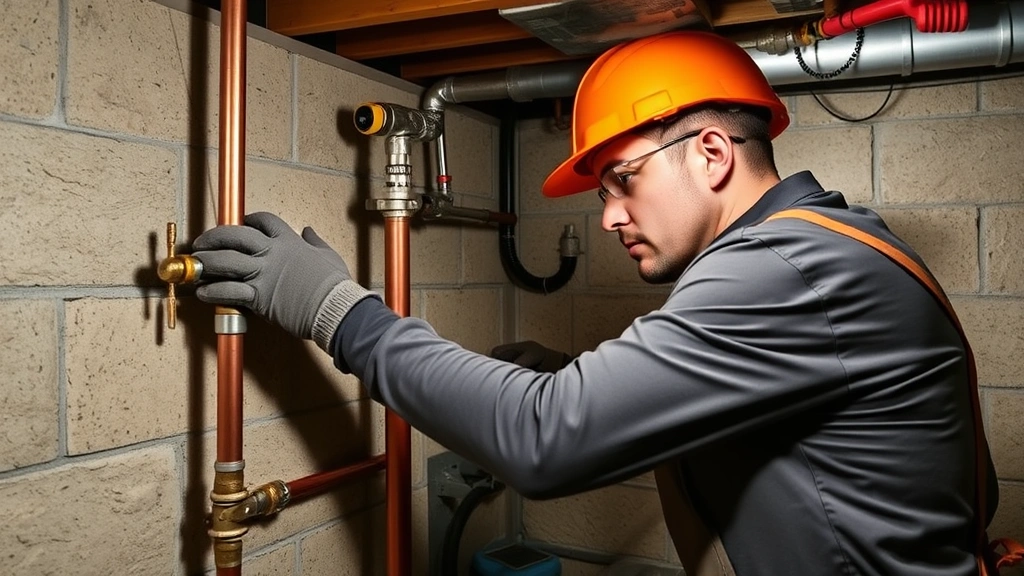
When you need gas line installation near me, selecting qualified professionals is non-negotiable. Licensed gas fitters and plumbers have the training, tools, and knowledge to install systems that meet all safety codes and function optimally. They understand pressure requirements, proper sizing, ventilation needs, and safety testing procedures that amateur installations might overlook.
Professional installation includes several critical steps: assessing your home’s layout and appliance requirements, selecting appropriate pipe materials and sizing, installing shutoff valves at proper locations, pressure testing the entire system, and verifying that all connections are secure and properly sealed. Professionals also ensure adequate ventilation for combustion appliances and verify that venting systems properly exhaust combustion byproducts outside your home.
Before hiring an installer, verify their credentials: ask for proof of licensing, insurance, and references from recent projects. Request a detailed estimate that breaks down labor, materials, and any necessary permits. Most municipalities require permits for gas line work, and this requirement exists specifically to ensure installations meet safety standards through inspections.
Annual professional inspections are recommended, particularly if your system is over ten years old or if you’ve noticed any performance changes. During inspections, professionals check for corrosion, leaks, proper pressure regulation, safety device function, and compliance with current codes. They can identify problems before they become dangerous, potentially saving money on repairs and preventing emergencies.
Regular Maintenance Practices
Beyond professional inspections, homeowners can perform several maintenance tasks to keep their gas systems safe and efficient. Monthly visual inspections of visible gas lines and connections help catch obvious problems early. Look for corrosion, which appears as white or gray crusty buildup on copper or black pipes, indicating potential weakening.
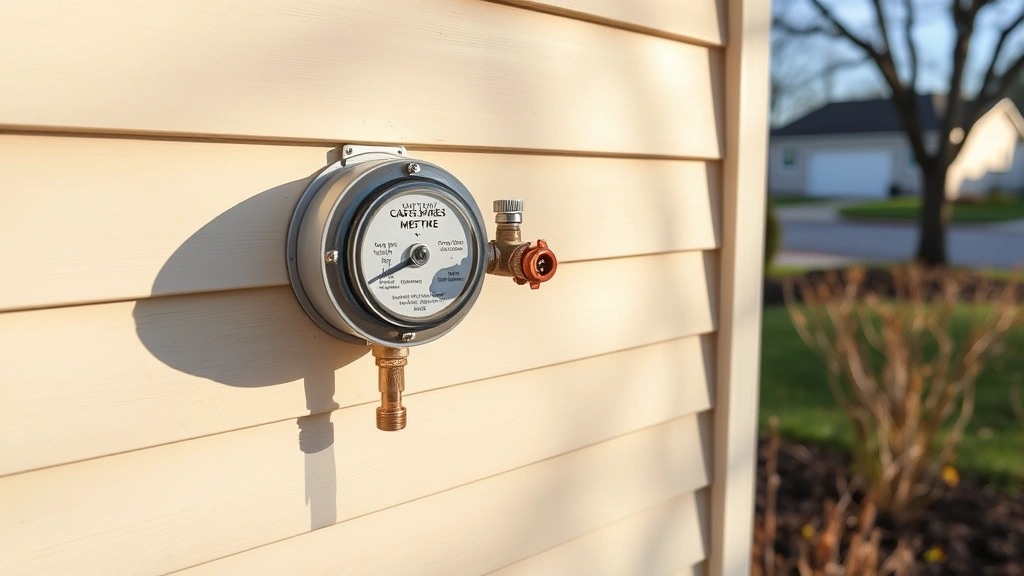
Keep the area around your gas meter and main shutoff valve clear of debris, snow, and vegetation. This ensures easy access in emergencies and allows proper ventilation around the meter. Never paint your gas meter or cover it with structures, as this can trap gas and prevent proper ventilation. Ensure outdoor meter boxes have proper drainage to prevent water accumulation that could cause corrosion.
For appliances connected to your gas system, follow manufacturer maintenance recommendations. Many appliances require annual professional servicing to ensure safe operation and optimal efficiency. Your furnace, for example, should be inspected and cleaned annually before the heating season begins. Water heater maintenance includes checking the temperature and pressure relief valve and flushing sediment annually.
Keep records of all maintenance and repairs performed on your gas system. This documentation helps you track system age, identify recurring problems, and provides valuable information if you sell your home. When you visit the SustainWise Hub blog, you’ll find additional information about maintaining home systems sustainably.
If you smell gas occasionally but can’t identify the source, request a professional leak detection service. These specialists use specialized equipment to pinpoint even tiny leaks invisible to the naked eye. Early detection prevents small problems from becoming major safety issues.
Emergency Response Procedures
Having a clear emergency action plan ensures you respond appropriately if you suspect a gas leak or smell gas in your home. First, trust your nose—if you smell natural gas, don’t wait for confirmation from others. The mercaptan additive is detectable at concentrations far below dangerous levels, so any noticeable smell warrants immediate action.
If you suspect a gas leak inside your home:
- Evacuate immediately, moving all household members and pets outside
- Don’t use any electrical switches, appliances, or create any ignition sources
- Don’t use your home telephone; use a cell phone or neighbor’s phone once outside
- Call your gas utility’s emergency number or 911 from outside the home
- Never re-enter your home until utility company or fire department personnel have verified it’s safe
- Don’t attempt to locate the leak yourself or fix it without professional help
If you suspect a gas leak outside your home, stay away from the area and call your utility company’s emergency line. Professional crews will investigate and make necessary repairs. Underground leaks require specialized equipment to locate and repair safely.
For your master shutoff valve, learn its location and how to operate it before an emergency occurs. Most valves turn off when the handle is perpendicular to the pipe. Practice locating and operating it so you can act quickly if needed. However, only shut off gas if you smell a strong gas odor or suspect a major leak—improper shutoff can complicate professional repairs.
Keep your gas utility’s emergency number posted prominently in your home and programmed into all family members’ phones. Children should know this number and understand that smelling gas is a reason to evacuate and call for help immediately.
Safety Equipment and Detection
Several devices help protect your home and family from gas-related hazards. Carbon monoxide detectors are essential safety equipment, particularly in homes with gas appliances. Carbon monoxide is a colorless, odorless byproduct of incomplete combustion that can be deadly in high concentrations. Install detectors in bedrooms, near living areas, and on every level of your home. Test them monthly and replace batteries according to manufacturer instructions.
Portable gas leak detectors are available for homeowners and can provide an extra layer of safety. These battery-powered devices alert you to the presence of natural gas, helping you identify leaks your nose might miss. While not a substitute for professional detection equipment, they can be useful for periodic self-checks. Choose models that meet industry standards and follow manufacturer instructions carefully.
Gas shutoff valves with automatic seismic shutoff technology are available in seismically active regions. These valves automatically close if earthquake vibrations are detected, preventing gas leaks during and after seismic events. If you live in an earthquake zone, consult with a professional about whether this upgrade is appropriate for your system.
Pressure gauges can help you monitor your system’s pressure, though interpreting readings requires knowledge. If you’re concerned about pressure changes, have a professional check your system rather than attempting to adjust pressure yourself. Incorrect pressure adjustments can be dangerous and damage appliances.
Consider installing excess flow check valves on individual appliance lines. These devices automatically shut off gas flow if a line is severed, preventing dangerous leaks. While they add to installation costs, they provide valuable protection, especially in areas where gas lines might be damaged by renovation work or other home activities.
Sustainable Energy Alternatives
While this guide focuses on gas line safety for those currently using natural gas, it’s worth considering the broader context of home energy use. Natural gas produces fewer emissions than oil or coal, but it remains a fossil fuel with environmental implications. As you think about long-term home energy decisions, exploring alternatives can align your energy use with sustainability goals.
Electric heat pumps represent a modern alternative for heating and hot water, offering significant efficiency improvements over traditional gas systems. They work by moving heat rather than generating it, using substantially less energy. As electricity grids incorporate more renewable sources, heat pumps become increasingly sustainable. Read more about sustainable energy solutions to understand how modern technology can reduce your environmental footprint.
Induction cooktops provide a gas-free cooking alternative that’s highly efficient and precise. They heat cookware directly through electromagnetic induction, eliminating combustion byproducts in your kitchen and improving indoor air quality. Many professional chefs prefer induction for its responsiveness and control.
Solar thermal systems can provide hot water for your home, reducing reliance on gas water heaters. Combined with efficient electric water heaters, solar thermal systems can cut water heating energy use by 50-80%, depending on your climate and sun exposure. These systems have become more affordable and reliable in recent years.
For those interested in comprehensive sustainability improvements, how to reduce your environmental footprint provides strategies for transitioning to cleaner energy sources. Explore green technology innovations transforming our future to see how emerging technologies are reshaping residential energy use.
If you decide to continue using natural gas, ensuring safe installation and maintenance protects both your immediate safety and supports the responsible use of this energy source. Efficient gas appliances produce fewer emissions per unit of heat generated, and proper system maintenance ensures optimal efficiency throughout your system’s lifespan.
The transition away from fossil fuels doesn’t happen overnight for most households. If you’re planning renovations or appliance replacements, consider the lifetime carbon impact of different options. Gas line installation decisions made today will affect your home’s energy profile for decades, making it worth careful consideration of both immediate safety and long-term sustainability.
FAQ
How often should I have my gas lines professionally inspected?
Annual inspections are recommended, particularly for systems over ten years old or if you’ve noticed any performance issues. Newer systems in good condition might be inspected every 2-3 years, but annual checks provide maximum safety assurance. If you’ve had recent work done on your system or surrounding property, schedule an inspection to verify everything remains safe.
What should I do if I smell gas occasionally but can’t find the source?
Call your gas utility’s non-emergency line to request a professional leak detection service. These specialists use sensitive equipment to identify leaks you can’t see or smell consistently. Don’t ignore intermittent gas smells—they indicate a problem that needs professional diagnosis. The utility company typically provides this service at no charge.
Can I install a gas line myself?
No. Gas line installation requires licensing and permits in virtually all jurisdictions. Improper installation can be deadly, causing leaks, explosions, or carbon monoxide poisoning. Always hire licensed professionals. DIY gas work violates building codes, voids insurance coverage, and creates serious liability if accidents occur.
How do I know if my gas appliances are venting properly?
Proper venting means combustion byproducts exit your home through chimneys or vents, not into living spaces. Signs of improper venting include soot around appliance burners, condensation on windows near appliances, and unusual odors. Have a professional inspect your venting system annually, particularly for furnaces and water heaters. Proper venting is essential for preventing carbon monoxide accumulation.
What’s the difference between black iron and CSST gas pipes?
Black iron is traditional steel piping that’s durable and proven, but requires threading and is labor-intensive to install. CSST (corrugated stainless steel tubing) is flexible, faster to install, and easier to route through walls. Both are safe when properly installed. CSST requires proper bonding to prevent electrical hazards. Your local codes may have preferences for specific applications.
Should I install a gas shutoff valve on each appliance?
Yes. Individual shutoff valves on each appliance allow you to isolate one appliance for maintenance or repair without shutting off gas to your entire home. This is standard practice in modern installations. Ensure you know the location of each valve and can operate them manually.
Is natural gas safer than propane?
Both are safe when properly installed and maintained. Natural gas is lighter than air and dissipates quickly if leaked. Propane is heavier than air and can accumulate in low areas. Natural gas requires utility company infrastructure, while propane uses tanks. The safety comparison depends on your specific situation. Research natural gas vs propane for detailed comparisons relevant to your location and needs.
What’s the cost of professional gas line installation?
Costs vary significantly based on distance, complexity, local labor rates, and materials needed. Simple installations might cost $500-1,500, while extensive systems can exceed $5,000. Always get multiple quotes from licensed professionals. Remember that cost shouldn’t be the only factor—experience, references, and proper licensing matter more. Cheap installation that doesn’t meet codes creates serious problems later.
Do I need a permit for gas line work?
Yes, virtually all jurisdictions require permits for gas line installation or modifications. Permits ensure your work meets current safety codes and includes required inspections. Working without permits violates codes, voids warranties, creates insurance issues, and can result in fines. Licensed professionals handle permits as part of their service.


