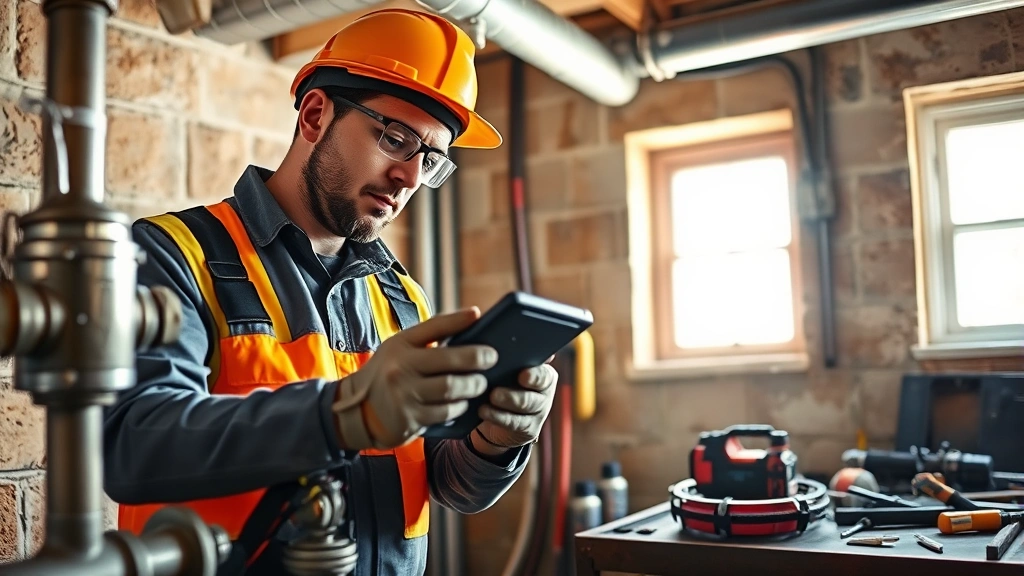
Gas Line Repair: Safe Practices from Pros
Gas line repairs are critical infrastructure maintenance tasks that require professional expertise, specialized knowledge, and adherence to strict safety protocols. Whether you’re dealing with a minor leak, damaged piping, or complete system replacement, understanding the fundamentals of gas line repair ensures your home remains safe while minimizing environmental impact and energy waste. Natural gas, while an efficient energy source, demands respect and proper handling to prevent hazards including gas leaks, explosions, and carbon monoxide poisoning.
The importance of professional gas line repair extends beyond immediate safety concerns. Properly maintained gas systems contribute to your household’s overall efficiency and reduce unnecessary energy consumption. When combined with broader sustainable energy solutions, optimized gas infrastructure supports a more environmentally responsible home. This comprehensive guide explores professional gas line repair practices, safety measures, and best practices that protect both your family and the environment.

Understanding Gas Line Systems
Gas line systems are complex networks of pipes, fittings, and connectors that safely deliver natural gas from utility providers to your appliances. These systems operate under specific pressure requirements and must maintain absolute integrity to prevent leaks. The typical residential gas line system includes the main shutoff valve, meter, branch lines to individual appliances, and various safety devices designed to prevent dangerous situations.
Modern gas distribution systems are engineered with multiple safety layers. Pressure regulators maintain consistent gas flow, odorants are added to make odorless natural gas detectable, and various shutoff mechanisms prevent gas from flowing when appliances aren’t in use. Understanding these components helps homeowners recognize when professional intervention becomes necessary. Gas line repair professionals spend years learning to navigate these intricate systems, identifying potential failure points before they become emergencies.
The materials used in gas line construction have evolved significantly over decades. Older homes may contain galvanized steel or cast iron pipes, which are more prone to corrosion and deterioration. Newer installations typically use black iron, copper, or flexible stainless steel tubing, all offering superior longevity and safety characteristics. Knowing your system’s age and material composition helps professionals recommend appropriate repair or replacement strategies.

Signs Your Gas Lines Need Repair
Recognizing warning signs of gas line problems can prevent dangerous situations and costly damage. The most obvious indicator is the distinctive rotten egg smell added to natural gas—if you detect this odor anywhere near your gas appliances or lines, evacuate immediately and call your gas provider’s emergency line. Never investigate potential leaks yourself or use open flames to locate problems.
Additional warning signs include:
- Hissing sounds near gas connections or appliances
- Dead vegetation patches in your yard, particularly above underground gas lines
- Visible corrosion on exposed gas pipes or fittings
- Frequently extinguishing pilot lights on water heaters or furnaces
- Difficulty lighting appliances or weak flame production
- Unusually high gas bills without increased usage
- Damp areas around gas line connections
- Bubbles in water near outdoor gas line connections
Some gas line issues develop gradually, while others present acute dangers. Corroded pipes may leak small amounts of gas over extended periods, creating cumulative safety risks and wasting energy. Damaged connections at appliances can allow gas to escape before reaching its intended destination, reducing efficiency and increasing your carbon footprint. Professional inspections identify these problems before they escalate.
Safety Protocols for Gas Line Repair
Professional gas line repair follows rigorous safety protocols established by organizations like the American Gas Association and enforced through local building codes. These protocols protect repair technicians, homeowners, and communities from gas-related hazards. Understanding these procedures demonstrates why DIY gas line repair is dangerous and why hiring certified professionals is essential.
Before beginning any gas line repair work, professionals must:
- Locate all utilities using ground-penetrating radar or utility marking services to prevent hitting electrical, water, or telecommunications lines
- Shut off gas supply at the main valve and verify shutoff using pressure testing equipment
- Ventilate work areas thoroughly to remove any accumulated gas
- Use non-sparking tools and eliminate ignition sources within the work zone
- Wear appropriate safety equipment including gloves, eye protection, and gas detection devices
- Test the atmosphere with calibrated gas detectors before, during, and after work
- Document all work with detailed records and pressure test results
Gas line repair also requires specific permits from local authorities, ensuring that work meets current building codes and safety standards. These permits mandate inspections at various stages of repair work, providing additional layers of protection. When you hire a licensed professional, they handle all permitting requirements and ensure compliance with regulations.
The EPA provides comprehensive guidelines for natural gas safety and environmental protection. Professionals stay current with these standards and implement them consistently across all projects.
Professional Inspection Procedures
Professional gas line inspections employ advanced technology and systematic methodologies to identify problems invisible to untrained eyes. These inspections often represent the first step in determining whether repair, replacement, or maintenance is necessary.
Common inspection techniques include:
- Visual inspection of all accessible piping, connections, and fittings for signs of damage, corrosion, or deterioration
- Pressure testing using specialized gauges to measure system pressure and identify leaks
- Soapy water testing to locate small leaks that produce bubbles when gas escapes
- Combustion analysis of appliance exhaust to ensure complete fuel burning and proper ventilation
- Thermal imaging to detect temperature variations indicating leaks or improper function
- Gas detector readings to measure ambient gas concentrations in and around the home
These comprehensive inspections provide professionals with detailed data about system condition, enabling them to recommend appropriate interventions. A thorough inspection protects your investment in your home and ensures your family’s safety while maintaining optimal energy efficiency, supporting your broader efforts to save energy at home.
Professional inspections often reveal opportunities for system optimization that reduce gas consumption and lower utility bills. Identifying and repairing inefficiencies contributes meaningfully to reducing your household’s environmental impact.
Common Gas Line Issues
Understanding common gas line problems helps you appreciate why professional repair is non-negotiable and why preventive maintenance matters. Different issues require different repair approaches, and mishandling can create dangerous situations.
Corrosion and Rust represent the most frequent gas line problem, particularly in older homes with galvanized steel piping. Moisture exposure causes metal deterioration, gradually weakening pipes and creating leak potential. Corroded sections must be replaced with modern materials offering superior corrosion resistance.
Loose or Damaged Connections occur at appliance connections, meter connections, and junction points throughout the system. Vibration, thermal expansion and contraction, or improper initial installation can loosen fittings. These loose connections allow gas to escape, reducing efficiency and creating safety hazards.
Cracked or Pinched Pipes result from ground settling, impact damage, or improper installation. Underground lines face particular risk from soil movement and root intrusion. Pinched pipes restrict gas flow, reducing appliance performance and forcing your system to work harder.
Improper Slope or Pitch in gas lines allows liquid condensate to accumulate, blocking gas flow and damaging equipment. Professional installation ensures proper slope toward drainage points where condensate can be safely removed.
Inadequate Pipe Sizing occurs when gas lines are too small to deliver sufficient gas volume to appliances. This creates weak flames, difficulty lighting appliances, and increased energy consumption as systems work inefficiently.
Faulty Regulators or Valves prevent proper pressure control or fail to shut off gas flow. These components require replacement rather than repair when they malfunction.
Prevention and Maintenance
Proactive maintenance prevents most gas line problems and extends system lifespan significantly. Regular professional inspections identify developing issues before they become emergencies, protecting your family and your investment.
Maintenance best practices include:
- Schedule annual inspections before heating season begins to ensure system readiness
- Test carbon monoxide detectors monthly and replace batteries twice yearly
- Keep gas appliances clean and properly adjusted for efficient operation
- Never ignore warning signs like unusual smells or pilot light problems
- Maintain clear access to gas shutoff valves in case of emergency
- Know your system’s age and material composition to anticipate future needs
- Document all repairs and maintenance for future reference and resale purposes
Proper maintenance also supports your commitment to energy efficiency. Well-maintained gas systems operate at peak efficiency, consuming less fuel and reducing your household’s carbon footprint. This aligns with broader sustainability goals, including exploring green technology innovations that complement your gas system efficiency.
Consider your gas line system as part of your overall home energy strategy. As you implement sustainable transportation solutions and other efficiency upgrades, maintaining your gas infrastructure ensures your entire home operates optimally.
Environmental Considerations
Gas line repair and maintenance contribute to environmental protection in multiple ways. Properly functioning gas lines prevent methane leaks, a potent greenhouse gas with significantly higher warming potential than carbon dioxide over shorter timeframes. Detecting and repairing even small leaks reduces your household’s climate impact.
Efficient gas line systems consume less fuel while delivering the same performance, directly reducing energy consumption and associated emissions. When you maintain your gas infrastructure properly, you’re actively participating in climate change mitigation at the household level.
The natural gas industry increasingly recognizes environmental responsibility as a core value. Professional repair companies employ sustainable practices including proper waste disposal, recycling of old pipes and materials, and use of low-emission vehicles for service calls. Choosing environmentally conscious contractors amplifies your positive impact.
Consider how optimized gas systems fit into your broader sustainability framework. As you reduce your environmental footprint, maintaining efficient gas infrastructure represents one meaningful component of comprehensive household sustainability. Understanding the definition of sustainability helps you see how individual maintenance decisions contribute to larger environmental goals.
Future energy transitions may shift household fuel sources away from natural gas toward electricity from renewable sources. Until that transition occurs, maintaining current gas infrastructure responsibly remains an important part of household stewardship. Professional gas line repair ensures you’re maximizing efficiency during this transition period.
FAQ
Can I repair my gas line myself?
No. Gas line repair requires specialized licensing, certification, and insurance. Improper repairs create explosion risks, carbon monoxide hazards, and gas leaks. Always hire licensed professionals for any gas line work. DIY attempts violate building codes, void warranties, and create serious safety liabilities.
How often should gas lines be inspected?
Professional gas line inspections should occur annually, particularly before heating season. Additional inspections are warranted when you notice warning signs, after severe weather events, or if your home has experienced foundation settling or ground movement.
What should I do if I smell gas?
Evacuate your home immediately without using electrical switches, lighting matches, or starting vehicles. Once outside, call your gas provider’s emergency line from a neighbor’s phone or mobile phone. Never re-enter your home until professionals have cleared it as safe.
How much does gas line repair typically cost?
Costs vary based on problem severity, line location, required materials, and local labor rates. Minor repairs might cost $150-$300, while significant replacements could exceed $2,000. Always obtain multiple quotes from licensed contractors before proceeding.
How long do gas lines last?
Modern gas lines typically last 30-50 years depending on materials and maintenance. Galvanized steel pipes may require replacement after 20-30 years due to corrosion. Regular inspections help identify when replacement becomes necessary.
Are flexible gas lines safe?
Yes, modern flexible stainless steel gas lines meet all safety codes when properly installed. They offer advantages over rigid piping including easier installation, better vibration absorption, and superior corrosion resistance. However, they must be protected from physical damage and installed according to code specifications.
What causes gas line leaks?
Common causes include corrosion, loose connections, cracked pipes, ground settling, improper installation, and age-related deterioration. Regular professional inspections identify developing problems before they become serious leaks.
Can I use a gas leak detector myself?
While consumer gas detectors exist, they’re not as accurate or reliable as professional equipment. For suspected leaks, always contact your gas provider or a licensed professional rather than attempting detection yourself.


