Gas Masks’ Role in WWI: A Historical Overview of Chemical Warfare Protection
The First World War marked a pivotal moment in military history when chemical weapons were deployed on a massive scale, fundamentally changing how soldiers protected themselves on the battlefield. Gas masks emerged not as a luxury but as essential survival equipment, representing humanity’s first coordinated response to industrial-scale chemical warfare. This technological innovation saved countless lives and established protocols for personal protective equipment that remain relevant today in industrial safety and environmental protection contexts.
The development and evolution of gas masks during WWI reflects broader themes of innovation under crisis, the intersection of chemistry and warfare, and the lasting impact of chemical hazards on human health and safety. Understanding this historical context provides valuable insights into how protective technologies emerge and why sustained investment in safety equipment remains crucial across industries, from chemical manufacturing to emergency response. The lessons learned during this period continue to inform modern approaches to hazardous material handling and worker protection standards.
The Emergence of Chemical Weapons in WWI
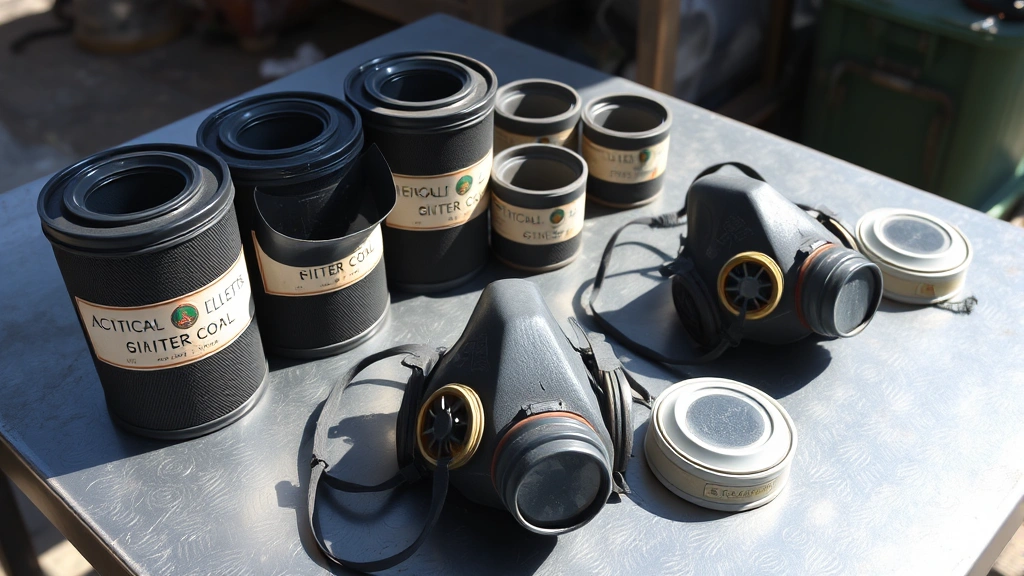
Chemical weapons fundamentally transformed the nature of warfare during the First World War, introducing a new dimension of terror and suffering to the trenches. The first large-scale chemical attack occurred on April 22, 1915, at the Second Battle of Ypres in Belgium, when German forces released approximately 150 tons of chlorine gas across a 6-kilometer front. The greenish-yellow cloud moved silently across no man’s land, causing immediate panic among French and Algerian troops who had no protection against this invisible enemy. Soldiers experienced burning sensations in their eyes, throat, and lungs, with many dying from asphyxiation as the gas filled their lungs with fluid.
The use of chlorine gas represented a deliberate escalation in warfare tactics, driven partly by the stalemate conditions of trench warfare. Military strategists sought any advantage that might break the deadlock, and chemical weapons promised to do exactly that. The initial success of the chlorine attack prompted rapid adoption by other nations, with German forces continuing to use gas in subsequent attacks. However, the very nature of chemical weapons—their unpredictability and dependence on wind conditions—meant that protecting one’s own troops became equally important as deploying the weapons themselves. This necessity directly led to the urgent development of protective equipment, including the first gas mask designs that would evolve throughout the war.
Beyond chlorine, the Germans developed increasingly potent chemical agents including phosgene, a lung-damaging gas that was even more lethal than chlorine, and mustard gas, which caused severe blistering and could penetrate fabric. These chemical agents created a horrifying new category of casualties—soldiers who survived the initial exposure but suffered long-term respiratory damage, blindness, and chronic health complications. The deployment of these weapons without adequate protection killed an estimated 100,000 soldiers and wounded over 1 million others, making chemical weapons one of the war’s deadliest innovations.
Early Gas Mask Designs and Their Limitations
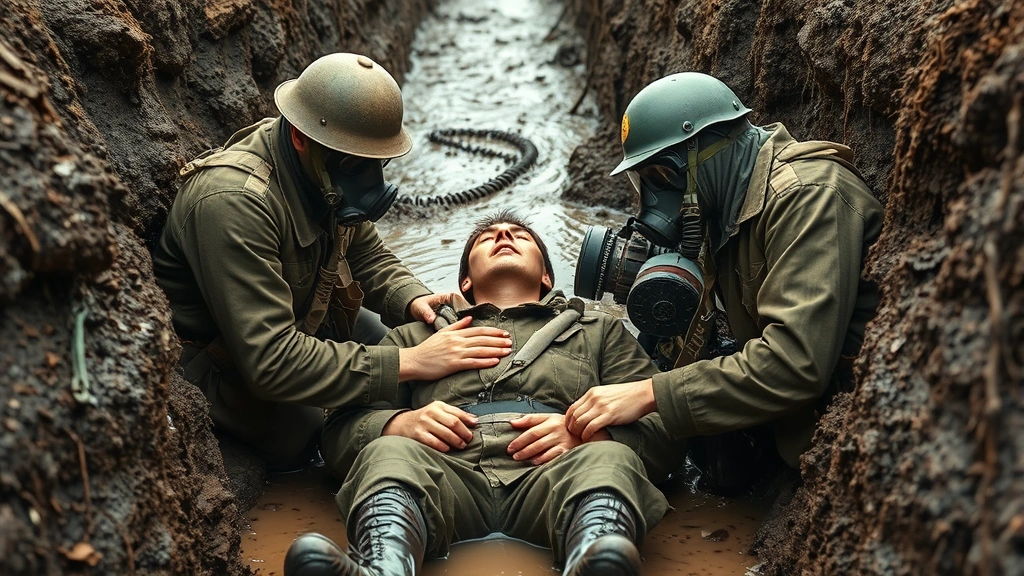
When chemical weapons first appeared on the battlefield, soldiers had virtually no protection against toxic gases. Initial improvised solutions included simple cloth pads soaked in sodium thiosulfate or sodium bicarbonate, which soldiers held against their faces. These primitive measures offered minimal protection and required both hands to maintain, leaving soldiers unable to defend themselves or operate weapons effectively. The urgent need for better protection spurred rapid innovation, leading to the development of more sophisticated protective devices.
The first true gas masks emerged in 1915, shortly after the initial chlorine attacks. British forces developed the “Hypo Helmet,” a cloth hood impregnated with sodium thiosulfate solution that covered the head and neck. Soldiers would wet the hood before battle, creating a chemical barrier against chlorine gas. While representing a significant improvement over cloth pads, the Hypo Helmet had serious limitations: it restricted vision and hearing, became uncomfortable when wet, and required constant re-soaking. The chemical impregnation also degraded over time, reducing effectiveness during prolonged battles.
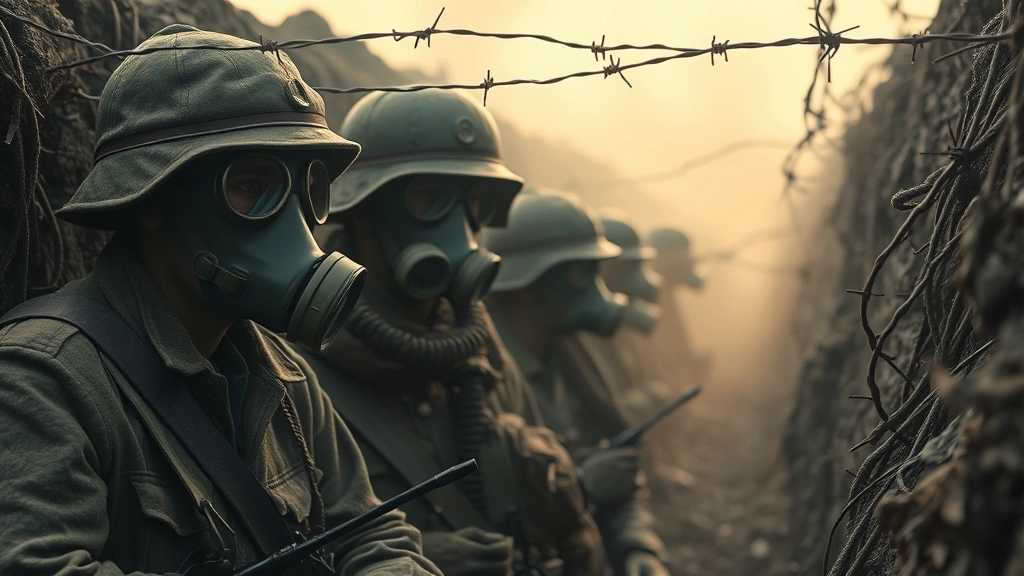
The Germans responded with their own designs, including the Small Box Respirator concept, which introduced the principle of filtering air through chemical-treated materials. These early filters used activated charcoal and other compounds to neutralize toxic gases before they reached soldiers’ lungs. The British subsequently developed the “Large Box Respirator” and eventually the “Small Box Respirator” (SBR), which became the standard British gas mask by 1916. The SBR featured a rubber facepiece, eyepieces for vision, and a canister containing activated charcoal and other chemicals that filtered incoming air.
Despite improvements, early gas masks remained uncomfortable and cumbersome. Soldiers reported difficulty breathing through the filters, fogging of eyepieces in cold weather, and skin irritation from prolonged rubber contact. The masks required training to use properly, and panic-stricken soldiers in combat sometimes removed them prematurely, exposing themselves to lethal concentrations of gas. Additionally, these masks offered no protection against mustard gas, which could penetrate rubber and attack exposed skin, necessitating protective clothing in addition to respiratory protection.
Evolution of Gas Mask Technology
As the war progressed and new chemical agents emerged, gas mask technology evolved rapidly to address evolving threats. The development of mustard gas in 1917 revealed critical gaps in existing protection systems, as this blistering agent affected skin as well as lungs. Military authorities responded by issuing protective clothing—rubberized suits and gloves—that soldiers wore in conjunction with gas masks. This integrated approach to personal protective equipment established principles still used in modern hazardous material response and industrial safety, as discussed in our article on how to reduce environmental impact through protective measures.
The Small Box Respirator represented the apex of WWI gas mask technology, incorporating several key innovations. The rubber facepiece included adjustable straps for a secure fit, separate eyepieces with anti-fog properties, and a speaking diaphragm that allowed limited communication. The filter canister used layered activated charcoal impregnated with various chemicals—soda lime, permanganate compounds, and other substances—to neutralize different types of gases. By 1918, the SBR could provide protection against chlorine, phosgene, and mustard gas when used properly, representing a dramatic improvement over earlier designs.
Training became increasingly important as gas mask technology advanced. Soldiers received instruction on proper fitting, maintenance, and deployment of their masks. They practiced donning masks quickly under stress, as delays of even seconds could prove fatal in a gas attack. Military units conducted regular drills and refresher training, recognizing that equipment only provides protection when users understand and properly employ it. This emphasis on training and human factors in protective equipment use established precedents that remain central to modern occupational safety and emergency response protocols.
The effectiveness of gas masks improved substantially during the war, but they were never perfect. Some soldiers reported that masks occasionally failed or provided inadequate protection in extremely high concentrations of gas. The psychological impact of chemical weapons also mattered—even when masks provided adequate protection, the fear and panic induced by gas attacks sometimes led soldiers to make errors. The constant threat of chemical attack created a background of anxiety that affected morale and combat effectiveness, making gas masks not only physical protection but also psychological reassurance.
Impact on Military Strategy and Soldier Welfare
The introduction of gas masks fundamentally altered military tactics and strategy during World War I. Chemical attacks became less effective once soldiers had reliable protective equipment, as the initial advantage of surprise and terror diminished. Military planners had to develop new approaches, often combining chemical attacks with conventional artillery barrages to overwhelm defensive positions. The arms race between chemical weapons developers and protective equipment designers continued throughout the war, with each side seeking advantages through innovation.
From a soldier welfare perspective, gas masks represented a crucial advance in personal protection that significantly reduced casualties from chemical weapons. Soldiers who had access to properly maintained masks and understood how to use them stood substantially better chances of surviving chemical attacks compared to those without protection. The widespread distribution of gas masks across all combatant nations by the war’s end meant that chemical weapons, while still deadly, became less effective as instruments of mass casualty. This protective equipment likely saved hundreds of thousands of lives during the final years of the conflict.
However, gas masks also created new problems for soldier health and welfare. Prolonged wearing of masks caused skin irritation, pressure sores, and psychological discomfort. Some soldiers developed claustrophobic reactions to mask use, particularly in enclosed trenches. The reduced visibility and hearing provided by masks made soldiers more vulnerable to other threats, requiring tactical adjustments. Additionally, soldiers who had been exposed to gas before developing reliable masks often suffered chronic respiratory damage that persisted long after the war ended, contributing to the epidemic of “shell shock” and other post-war health problems affecting veterans.
The development and deployment of gas masks during WWI also raised important ethical and humanitarian questions that remain relevant today. The rapid evolution of protective equipment seemed to legitimize the use of chemical weapons, as military planners believed they could limit casualties through protection rather than restraint. This logic has influenced debates about chemical weapons regulation ever since, with nations arguing that proper protection makes chemical weapons acceptable for military use. International agreements, including the Chemical Weapons Convention administered by the OPCW, have attempted to address these concerns by banning chemical weapons entirely rather than relying on protection.
Legacy and Modern Applications
The gas masks developed during World War I established fundamental principles of respiratory protection that remain central to modern safety equipment. The basic design elements—a fitted facepiece, eyepieces, speaking diaphragm, and replaceable filter canisters—persist in contemporary gas masks used for industrial safety, emergency response, and military purposes. The recognition that effective protection requires proper training, regular maintenance, and user compliance has become standard practice across all industries dealing with hazardous materials.
Modern respiratory protection builds directly on WWI-era innovations while incorporating advanced materials and chemical compounds. Contemporary gas masks use activated charcoal with greater absorptive capacity, synthetic rubber with improved comfort characteristics, and filter designs that provide protection against a wider range of hazards. Organizations like the Occupational Safety and Health Administration (OSHA) establish standards for respiratory protection in industrial settings that reflect lessons learned during chemical warfare. These standards mandate proper fit testing, training, and maintenance protocols that directly parallel practices developed during WWI.
The history of gas masks also informs contemporary discussions about chemical safety and environmental protection. Industrial facilities handling hazardous chemicals provide respiratory protection equipment to workers based on principles established during the war. Emergency responders to chemical spills or industrial accidents rely on gas masks and protective equipment descended from WWI designs. Understanding this historical context helps workers and safety professionals appreciate why rigorous protocols and equipment maintenance matter so critically in preventing chemical exposures.
Beyond military and industrial applications, the WWI gas mask experience influenced the development of broader protective equipment standards and practices. The recognition that chemical hazards require comprehensive protection—respiratory protection combined with skin protection and proper training—established an integrated approach to hazard mitigation. This holistic perspective on occupational safety, emphasizing engineering controls, administrative procedures, and personal protective equipment, became the foundation of modern safety management systems. Companies implementing sustainable practices with chemical handling draw on these historical lessons about protection and prevention.
The psychological and social impacts of chemical weapons and gas masks during WWI also shaped subsequent international law and treaties. The horrors of chemical warfare motivated early arms control efforts, culminating in the 1925 Geneva Protocol banning chemical weapons use. While enforcement proved challenging, the principle that certain weapons are too inhumane for legitimate military use became established in international law. The United Nations Disarmament office maintains resources on chemical weapons prohibition, reflecting ongoing international commitment to preventing the kind of chemical warfare that necessitated gas mask development during WWI.
FAQ
What type of gas was used first in WWI chemical attacks?
Chlorine gas was the first chemical weapon deployed on a large scale during World War I, released by German forces at the Second Battle of Ypres in April 1915. While not the deadliest chemical agent used during the war, chlorine proved effective at breaking through defensive positions and created immediate casualties through asphyxiation and lung damage.
How effective were early gas masks at protecting soldiers?
Early gas masks like the Hypo Helmet offered limited protection, primarily against chlorine gas. The Small Box Respirator, developed by 1916, provided substantially better protection against multiple chemical agents when properly fitted and maintained. However, no gas mask offered perfect protection, particularly against mustard gas, which required complementary protective clothing.
Did all soldiers have access to gas masks during WWI?
By the later stages of WWI, most soldiers in major armies had access to gas masks. However, early in the war, protective equipment was scarce and unevenly distributed. Colonial and allied forces sometimes received inferior equipment compared to troops from major powers, contributing to higher casualty rates among certain units.
How many soldiers were killed or injured by chemical weapons in WWI?
Chemical weapons caused approximately 100,000 deaths and over 1 million injuries during World War I. These figures represent roughly 3% of all war casualties, making chemical weapons significant contributors to the war’s overall death toll, though less lethal per exposure than conventional artillery.
Are WWI-era gas masks still used today?
Modern gas masks and respiratory protection equipment use principles established during WWI but incorporate advanced materials and designs. Contemporary masks provide better comfort, visibility, and protection than their historical predecessors, but the basic functional design remains remarkably similar to masks developed during the First World War.
What happened to soldiers exposed to chemical weapons before getting masks?
Soldiers exposed to chemical weapons before protective equipment became available suffered severe acute injuries and long-term health consequences. Many experienced chronic respiratory problems, vision damage, and psychological trauma that persisted long after the war, contributing to post-war veteran health crises and establishing recognition of chemical weapons’ devastating humanitarian impact.


