
Maximizing Prius Gas Mileage: Expert Insights for Optimal Fuel Efficiency
The Toyota Prius has revolutionized how millions of drivers think about fuel consumption and environmental responsibility. Since its introduction in 1997, this hybrid pioneer has consistently delivered exceptional gas mileage that saves drivers thousands in fuel costs annually while reducing their carbon footprint. Whether you own a newer model or a vintage Prius, understanding how to maximize your vehicle’s fuel efficiency can transform your driving experience and contribute meaningfully to reducing your environmental footprint.
Modern Prius vehicles achieve remarkable fuel economy ratings—often exceeding 50 miles per gallon in combined driving conditions. However, achieving these impressive numbers requires more than simply purchasing the vehicle; it demands intentional driving practices, regular maintenance, and understanding the sophisticated hybrid technology working behind the scenes. This comprehensive guide explores expert strategies for maximizing your Prius gas mileage and unlocking the full potential of your hybrid investment.
Understanding Prius Hybrid Technology and How It Impacts Gas Mileage
The Prius represents a paradigm shift in automotive engineering, combining a gasoline engine with an electric motor and sophisticated energy management system. This dual-power architecture fundamentally changes how fuel consumption works compared to conventional vehicles. The hybrid system seamlessly transitions between electric and gasoline power, automatically optimizing for efficiency based on driving conditions, speed, and acceleration demands.
At low speeds—typically under 15 miles per hour—the Prius relies almost exclusively on its electric motor, consuming zero gasoline. This characteristic makes the Prius exceptionally efficient in city driving, stop-and-go traffic, and urban commuting scenarios where conventional vehicles waste tremendous fuel during idle periods and frequent acceleration. The regenerative braking system captures kinetic energy during deceleration and braking, converting this otherwise-wasted energy into electricity that charges the hybrid battery.
When cruising at highway speeds, the gasoline engine engages to power the vehicle while simultaneously charging the battery through the generator. During acceleration or climbing hills, both the electric motor and gasoline engine work in concert, providing maximum power while maintaining exceptional fuel efficiency. This intelligent power management explains why Prius vehicles achieve superior gas mileage across diverse driving conditions.
Understanding this technology empowers drivers to work with the system rather than against it. The more you leverage electric motor operation and regenerative braking, the better your fuel economy becomes. This knowledge forms the foundation for all subsequent efficiency optimization strategies discussed throughout this guide.
Optimal Driving Techniques for Maximum Fuel Efficiency
Expert drivers recognize that driving behavior directly determines gas mileage regardless of vehicle type. For Prius owners, certain techniques yield extraordinary efficiency improvements. The most impactful strategy involves smooth, gradual acceleration. Aggressive acceleration forces the gasoline engine to work harder and consume more fuel while triggering unnecessary battery discharge. Instead, accelerate gently and progressively, allowing the system to optimize power distribution naturally.
Anticipatory driving—looking ahead and planning your movements—dramatically improves Prius efficiency. By identifying upcoming traffic lights, stops, and speed changes early, you can coast more frequently and reduce harsh braking. Coasting allows the vehicle to maintain momentum using minimal power, while regenerative braking captures energy during deceleration. Professional Prius drivers coast whenever safe and practical, transforming every approach to a red light into an efficiency opportunity.
Maintaining steady speeds on highways significantly improves gas mileage compared to frequent speed variations. The Prius achieves optimal efficiency at moderate speeds—typically 45-55 miles per hour. Exceeding 60 miles per hour substantially increases wind resistance and fuel consumption. If possible, adjust your highway speed downward by just 5-10 miles per hour; this modest change can improve fuel economy by 10-15 percent.
Cold starts consume considerably more fuel than warm engine operation. Combining multiple short trips into single journeys dramatically improves overall fuel economy. Similarly, sustainable energy solutions in vehicle operation include minimizing idling, which wastes fuel without producing any forward motion. Modern Prius vehicles feature idle stop technology that automatically shuts down the engine during complete stops, but avoiding unnecessary idling extends this efficiency benefit.
Tire pressure dramatically affects rolling resistance and fuel consumption. Under-inflated tires create more friction against the road surface, forcing your Prius to work harder and consume more fuel. Check tire pressure monthly and maintain the manufacturer-recommended PSI levels specified in your owner’s manual or on the driver’s door jamb. Properly inflated tires can improve gas mileage by 3-5 percent while extending tire lifespan.
Maintenance Practices That Preserve Fuel Economy
Regular maintenance directly impacts your Prius’s ability to achieve excellent gas mileage. A well-maintained vehicle operates more efficiently and consumes less fuel than one with deferred maintenance. The most critical maintenance item involves engine oil. Using the manufacturer-recommended oil grade and changing it at specified intervals ensures optimal engine performance. Synthetic oils often provide superior lubrication and efficiency compared to conventional options, though always consult your owner’s manual for specific recommendations.
Air filter replacement represents another fundamental maintenance task affecting fuel economy. A clogged air filter restricts oxygen flow to the engine, forcing it to work harder and consume more fuel. Replace your engine air filter according to manufacturer recommendations, typically every 15,000-30,000 miles depending on driving conditions. Similarly, cabin air filters should be replaced regularly to maintain optimal HVAC system efficiency, reducing the load on your engine.
Battery health directly influences hybrid system efficiency. The Prius hybrid battery stores and delivers electrical energy throughout each driving cycle. A degraded battery cannot charge or discharge optimally, forcing the gasoline engine to compensate and reducing overall fuel economy. Regular system checks and maintaining proper battery temperature through adequate ventilation help preserve battery longevity and efficiency.
Wheel alignment and suspension components affect rolling resistance and handling. Misaligned wheels create unnecessary drag, reducing fuel economy. Additionally, worn suspension components increase friction and vibration, forcing the engine to work harder. Professional alignment checks every 20,000-30,000 miles or whenever you notice uneven tire wear ensure optimal efficiency.
Fuel system cleaning maintains injector performance and combustion efficiency. Over time, fuel injectors can accumulate deposits that slightly misalign spray patterns, reducing combustion efficiency and increasing fuel consumption. Professional fuel system cleaning every 50,000-100,000 miles helps maintain peak efficiency, particularly for vehicles operating in regions with lower-quality fuel.
Battery Management and Electric Mode Optimization
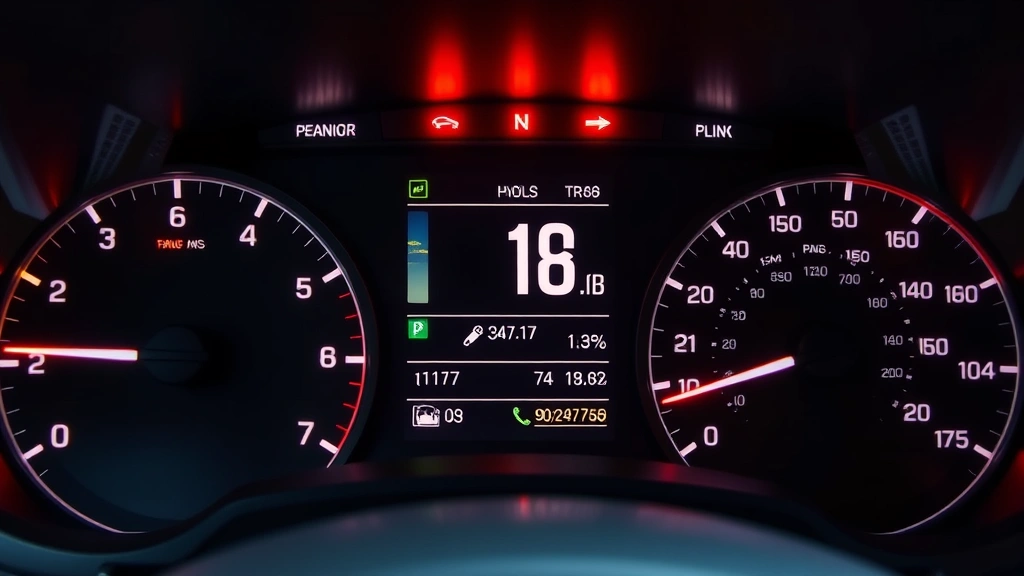
The hybrid battery represents your Prius’s most valuable efficiency asset. Maximizing electric motor usage directly translates to superior gas mileage. Modern Prius vehicles display battery charge level on the dashboard, allowing drivers to monitor energy availability. Understanding battery behavior helps optimize efficiency throughout your driving day.
The battery charges through two mechanisms: regenerative braking and the gasoline engine’s generator function. Smooth, gentle braking maximizes regenerative energy recovery. Aggressive, panic braking generates heat rather than electricity, wasting energy. Anticipatory driving that allows gradual speed reduction captures maximum regenerative energy, charging the battery while slowing your vehicle simultaneously.
In ECO driving mode, the Prius prioritizes battery usage and reduces air conditioning load, further improving efficiency. This mode slightly reduces acceleration responsiveness but substantially improves fuel economy for commuting and relaxed driving. Sport mode, conversely, prioritizes performance over efficiency and should be reserved for situations requiring maximum acceleration.
Battery temperature management affects charging and discharging efficiency. Extreme cold reduces battery capacity and efficiency, while excessive heat accelerates degradation. Parking in shaded areas during hot weather and allowing the vehicle to warm gradually during cold starts helps maintain optimal battery temperature and performance.
Newer Prius models feature plug-in hybrid versions that accept external charging. If you own a plug-in Prius, charging overnight using renewable electricity sources—such as solar panels or understanding renewable energy options—maximizes environmental benefits and fuel savings. Even conventional hybrid Prius vehicles benefit from driving patterns that maximize battery charging opportunities through regenerative braking.

Environmental and Economic Benefits of Maximizing Prius Gas Mileage
Optimizing your Prius fuel economy delivers profound environmental and financial benefits. Every gallon of gasoline not consumed represents reduced carbon dioxide emissions and decreased air pollution. According to the Environmental Protection Agency (EPA), transportation accounts for approximately 27 percent of U.S. greenhouse gas emissions. By maximizing your Prius efficiency, you directly reduce your contribution to climate change and air quality degradation.
The economic benefits prove equally compelling. Achieving 55 miles per gallon instead of 45 miles per gallon reduces annual fuel consumption by approximately 20 percent. For drivers traveling 12,000 miles annually at average fuel prices of $3.50 per gallon, this efficiency improvement saves roughly $200-300 annually. Over a vehicle’s typical 10-year lifespan, these savings accumulate to $2,000-3,000 in fuel costs alone.
Maximizing efficiency also reduces maintenance costs. Gentler driving reduces wear on brakes, tires, and engine components, extending their service life and reducing replacement frequency. The regenerative braking system means Prius brake pads last significantly longer than conventional vehicles—often 50,000-100,000 miles longer—providing substantial savings on brake service.
Your commitment to maximizing Prius efficiency contributes to broader advantages of electric vehicles and hybrid technology adoption. As hybrid and electric vehicles gain market share, petroleum demand decreases, reducing geopolitical tensions over oil resources and promoting energy independence. Supporting hybrid technology through optimal vehicle operation encourages manufacturers to continue developing cleaner transportation solutions.
Consider how your improved fuel economy influences others. Friends and family observing your exceptional efficiency may become inspired to adopt similar driving practices or choose hybrid vehicles for their next purchase. This ripple effect multiplies environmental benefits across communities and contributes to systemic transportation sustainability improvements.
The intersection of personal environmental responsibility and financial advantage makes Prius efficiency optimization exceptionally rewarding. You’re simultaneously reducing your carbon footprint, saving money, and supporting broader sustainability initiatives. This alignment of values with practical benefits represents the core appeal of hybrid vehicle ownership.
For comprehensive information about sustainable transportation and energy solutions, explore SustainWise Hub Blog, which offers extensive resources on green technology innovations transforming our future. These resources provide context for understanding how individual vehicle choices contribute to larger sustainability movements.
Frequently Asked Questions About Prius Gas Mileage
What is the average gas mileage for a Toyota Prius?
Modern Prius models achieve 50-58 miles per gallon in combined driving, with highway ratings around 48-56 mpg and city ratings of 52-60 mpg depending on the specific model year and driving conditions. Older Prius models typically achieve 40-48 mpg. Actual mileage varies based on driving habits, maintenance condition, and environmental factors like temperature and terrain.
How can I improve my Prius gas mileage by 10 percent or more?
Implement multiple strategies simultaneously: maintain proper tire pressure, adopt smooth acceleration and anticipatory driving techniques, use ECO mode during commuting, ensure regular maintenance including air filter replacement, and maximize regenerative braking through gradual deceleration. Combining these approaches can easily yield 10-15 percent efficiency improvements.
Does cold weather affect Prius fuel economy?
Yes, cold temperatures reduce battery efficiency and increase engine warm-up fuel consumption. Cold weather can reduce gas mileage by 10-20 percent compared to moderate temperatures. Allow your Prius to warm gradually, avoid unnecessary idling, and consider block heaters in extreme climates to minimize cold-start efficiency losses.
Is premium fuel necessary for Prius vehicles?
No, Toyota Prius vehicles are designed for regular unleaded fuel. Using premium fuel provides no efficiency or performance benefits and unnecessarily increases fuel costs. Always use the fuel grade specified in your owner’s manual.
How does driving speed affect Prius fuel economy?
Fuel economy decreases significantly as speed increases. Highway driving at 70 mph consumes roughly 20 percent more fuel than the same driving at 55 mph. Reducing highway speeds by 5-10 mph can improve overall fuel economy by 10-15 percent with minimal impact on travel time.
Can aftermarket modifications improve Prius gas mileage?
Most aftermarket modifications provide minimal benefit and may reduce efficiency or void warranties. Focus on manufacturer-recommended maintenance and driving technique optimization instead. Aerodynamic improvements like wind deflectors offer minimal fuel economy gains compared to proper tire pressure and smooth driving.
What role does the hybrid battery play in fuel economy?
The hybrid battery enables electric motor operation and stores regenerative braking energy. A healthy battery allows more frequent electric-only driving and efficient energy recovery, directly improving overall fuel economy. Battery degradation reduces efficiency, making proper maintenance essential for preserving fuel economy throughout your vehicle’s lifespan.


