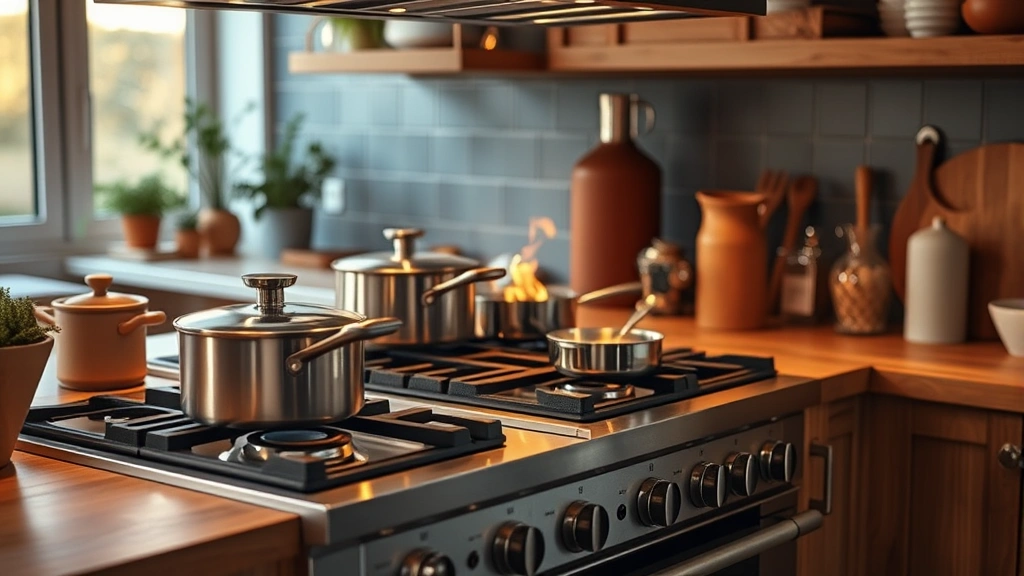
Is a Gas Oven Range Eco-Friendly? Facts Inside
When it comes to kitchen appliances, the gas oven range has long been a staple in homes across the world. Professional chefs and home cooks alike have praised gas ranges for their precise temperature control and instant heat adjustment. However, as environmental consciousness grows, many homeowners are asking critical questions about the sustainability of their cooking choices. Is a gas oven range truly eco-friendly, or are there hidden environmental costs we should consider?
The answer is nuanced. While gas ranges offer certain efficiency advantages over electric coil models, they also come with significant environmental trade-offs that deserve careful examination. This comprehensive guide explores the ecological impact of gas oven ranges, comparing them to alternative cooking technologies and providing you with the facts you need to make an informed decision for your kitchen.
Environmental Impact of Gas Cooking
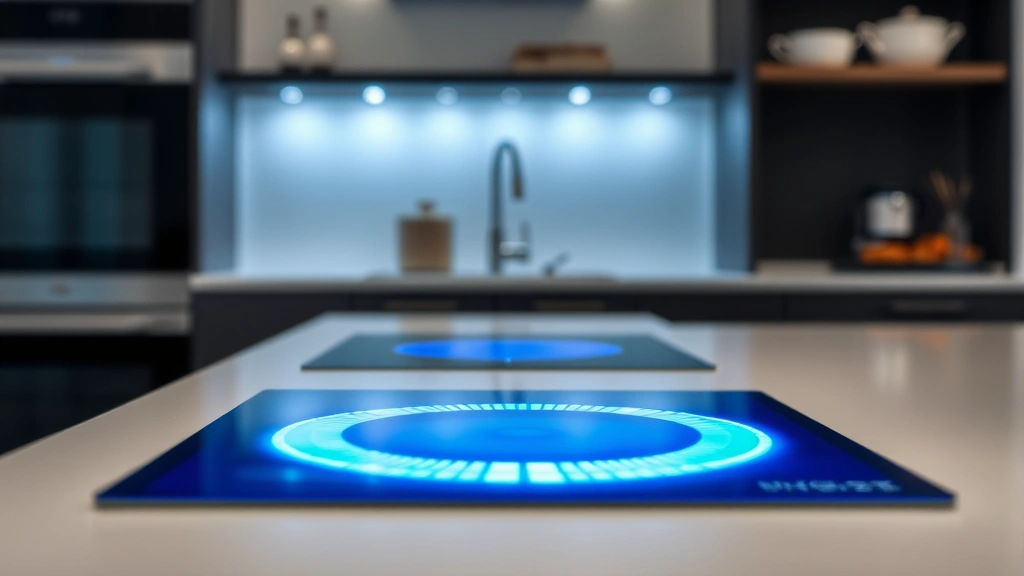
Understanding the environmental footprint of a gas oven range requires looking at multiple stages: extraction, transportation, combustion, and disposal. Natural gas, the fuel that powers most gas ranges, is a fossil fuel extracted from the earth through drilling operations. This extraction process itself carries environmental consequences, including habitat disruption, methane leakage during production, and water consumption.
When natural gas is burned in your oven or stovetop, it releases carbon dioxide (CO₂) and other combustion byproducts directly into your home and atmosphere. According to research from the Environmental Protection Agency (EPA), residential cooking accounts for a measurable portion of household energy-related emissions. The efficiency of converting gas to usable heat varies, with many gas ranges operating at 70-75% efficiency, meaning roughly 25-30% of the energy escapes as waste heat.
Additionally, methane leakage represents a significant environmental concern. Methane is a potent greenhouse gas with a global warming potential approximately 28-34 times greater than CO₂ over a 100-year period. Studies show that methane escapes at various points in the natural gas supply chain, from extraction wells to distribution pipelines to your home appliance. Even small leaks can substantially increase the overall carbon footprint of gas cooking.
The manufacturing process for gas ranges also carries environmental weight. Steel production, component fabrication, and assembly all require energy and generate emissions. Exploring sustainable energy solutions helps contextualize how your appliance choice fits into broader home energy strategies.
Carbon Emissions and Climate Considerations
To understand whether a gas oven range is eco-friendly, we must quantify its carbon emissions. The average gas range produces approximately 0.8 to 1.2 metric tons of CO₂ equivalent annually, depending on usage patterns, cooking frequency, and the energy mix in your region’s electrical grid.
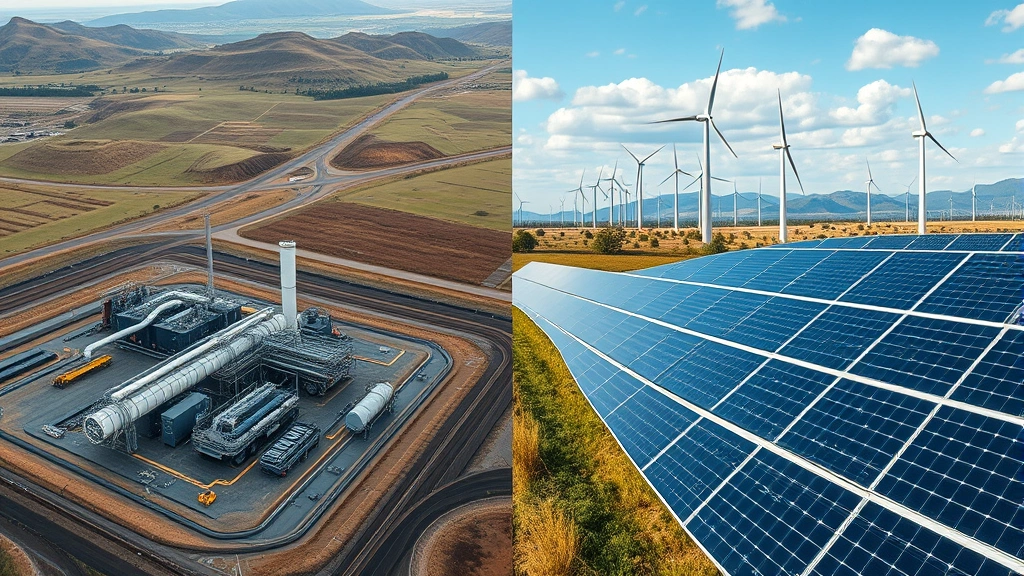
This calculation becomes more complex when considering the source of electricity in your area. If you’re evaluating a gas range against an electric induction cooktop, the comparison depends heavily on whether your local power comes from renewable sources or fossil fuels. In regions with high renewable energy adoption, electric cooking becomes significantly more sustainable than gas. Conversely, in areas still reliant on coal or natural gas power plants, the advantage diminishes.
The International Energy Agency (IEA) emphasizes that transitioning away from fossil fuel cooking is essential for meeting climate goals. Natural gas represents a transitional fuel with lower emissions than coal or oil, but it cannot be considered a long-term sustainable solution for climate stability. The Paris Agreement targets require dramatic reductions in fossil fuel consumption, and residential energy use plays a role in achieving these goals.
One often-overlooked factor is the embodied carbon in your appliance. A new gas range requires resources and energy to manufacture and transport. If your existing range still functions adequately, continuing to use it may be more sustainable than replacing it, despite its less-efficient technology. This highlights the importance of considering the full lifecycle assessment of appliance replacement decisions.
Gas Range vs. Electric: A Sustainability Comparison
The sustainability comparison between gas and electric cooking reveals important distinctions that affect your eco-conscious decision-making. Electric coil ranges are generally less efficient than gas ranges, converting only 65-75% of electrical energy to heat, while electric induction cooktops achieve 80-90% efficiency. This makes induction technology the most efficient cooking method available today.
However, the electricity powering these devices must be considered. If generated from coal or natural gas power plants, the upstream emissions can be substantial. Yet, as electrical grids increasingly incorporate renewable energy sources like wind and solar, the environmental advantage of electric cooking grows significantly. A homeowner with an electric range in a region powered primarily by renewables enjoys a much smaller carbon footprint than someone with gas in a coal-heavy grid.
Gas ranges offer superior cooking performance in several ways: precise flame control, immediate temperature adjustment, and the ability to use various cookware types. These practical advantages make gas popular among serious cooks. However, from a purely environmental standpoint, the sustainability case for gas weakens as renewable energy infrastructure expands.
For those interested in broader home energy optimization, learning about how to save energy at home provides complementary strategies beyond just cooking appliances. Your range choice is one component of comprehensive household sustainability.
The lifecycle analysis also matters. Manufacturing an induction cooktop requires energy, but the operational efficiency gains over 10-15 years typically offset the manufacturing emissions. Gas ranges, despite lower manufacturing emissions, consume more energy over their lifetime, creating a larger total environmental footprint.
Indoor Air Quality Concerns
Beyond climate impact, gas oven ranges affect indoor air quality in ways that deserve serious consideration. When natural gas combusts, it produces not only CO₂ but also nitrogen oxides (NOx), carbon monoxide (CO), and particulate matter. These pollutants accumulate in your kitchen and home, potentially affecting respiratory health, particularly for children, elderly individuals, and those with asthma or other respiratory conditions.
Research from the American Lung Association documents that gas stove use increases indoor nitrogen dioxide levels, which can exceed EPA outdoor air quality standards. Even when using a range hood or ventilation system, some pollutants remain in the home. This health dimension adds another layer to the “eco-friendly” question—true sustainability includes human health as an environmental justice concern.
The combustion of gas also produces moisture, which can contribute to indoor humidity problems and mold growth if ventilation is inadequate. Proper ventilation to the outdoors (not just recirculating filters) is essential for minimizing these health impacts, but not all homes have this capability.
Electric and induction cooktops produce no combustion byproducts, making them inherently cleaner from an indoor air quality perspective. This represents a significant environmental health advantage, particularly in tightly sealed modern homes where air exchange is limited.
Energy Efficiency Ratings Explained
Understanding energy efficiency ratings helps clarify the sustainability profile of cooking appliances. The U.S. Department of Energy (DOE) establishes efficiency standards for household appliances, though historically these have been less stringent for cooking equipment compared to refrigerators or water heaters.
Gas ranges typically carry an efficiency rating around 70-75%, meaning that 70-75% of the energy input becomes usable cooking heat. The remaining 25-30% escapes as waste heat through ventilation and the appliance exterior. Electric coil ranges operate at similar or slightly lower efficiency levels (65-75%), while induction cooktops lead at 80-90% efficiency.
These ratings don’t account for upstream energy losses in electricity generation and transmission. When considering the full energy chain, the efficiency advantage of gas depends on your local grid composition. In regions with high renewable energy penetration, electric cooking becomes substantially more efficient overall.
When shopping for a new range, look for ENERGY STAR certified models, which meet stricter efficiency standards. Some manufacturers now offer dual-fuel ranges combining a gas cooktop with an electric oven, attempting to balance performance with efficiency. However, these compromise on the simplicity and may increase overall energy consumption.
Making Your Kitchen More Sustainable
If you currently own a gas oven range and are concerned about its environmental impact, several strategies can improve your kitchen’s sustainability without immediate replacement. First, optimize your cooking practices: use lids on pots to reduce cooking time, match pot size to burner size, and use residual heat when possible. These simple changes reduce energy consumption regardless of your appliance type.
Ensure your ventilation system works efficiently. A properly functioning range hood or ventilation system removes combustion products and moisture while minimizing heat loss. If you lack adequate ventilation, this becomes a priority for both environmental and health reasons.
Consider meal planning to reduce cooking frequency and food waste. Batch cooking and using your oven efficiently (cooking multiple items simultaneously) improves overall kitchen sustainability. Exploring green technology innovations reveals emerging cooking technologies that may offer better options when replacement becomes necessary.
If replacement is in your future, evaluate your options carefully. An induction cooktop paired with an electric oven represents the most sustainable choice, particularly if your region’s electrical grid relies heavily on renewables. However, if you live in an area with a coal-dependent grid, the decision becomes more complex and may warrant waiting until renewable energy infrastructure improves.
For those seeking comprehensive sustainability improvements, exploring sustainability resources provides broader context for household environmental choices. Your kitchen is one area where meaningful sustainability improvements are possible.
Additionally, investigate whether your utility company offers programs promoting efficient cooking appliances. Some regions provide rebates for switching from gas to electric cooking, making the transition more affordable. Check with local environmental organizations for available incentives in your area.
Consider the broader context of your home’s energy use. If your house relies entirely on natural gas for heating, cooking, and hot water, transitioning to electric options offers compounded environmental benefits through reduced fossil fuel dependence. This systematic approach to home electrification represents a more significant sustainability impact than isolated appliance choices.
FAQ
Is gas cooking really worse than electric cooking for the environment?
The answer depends on your regional electricity grid composition. In areas with high renewable energy adoption, electric cooking is significantly more sustainable. In coal-dependent regions, the difference narrows. However, electric induction cooking is inherently more efficient (80-90%) than gas (70-75%), providing an efficiency advantage regardless of grid composition. Additionally, gas cooking produces indoor air pollutants that electric cooking avoids, making electric the better environmental choice from multiple perspectives.
How much does a gas stove contribute to household carbon emissions?
An average gas range produces approximately 0.8 to 1.2 metric tons of CO₂ equivalent annually, depending on usage patterns. This represents roughly 10-15% of a typical household’s energy-related emissions. When combined with methane leakage from natural gas production and distribution, the true climate impact may be 20-25% higher than direct combustion emissions alone.
What’s the most eco-friendly cooking method?
Electric induction cooktops are the most environmentally friendly cooking method, offering 80-90% efficiency and producing no indoor air pollutants. When powered by renewable energy, their environmental footprint becomes minimal. For ovens, modern electric convection ovens provide better efficiency than gas ovens while eliminating combustion byproducts.
Should I replace my gas range immediately?
Not necessarily. Manufacturing a new appliance requires energy and resources; continuing to use an existing gas range may be more sustainable than replacing it prematurely. However, if your range is old, inefficient, or nearing end-of-life, replacement with an electric induction cooktop and electric oven represents a sound environmental investment. Calculate the payback period based on your local electricity costs and grid composition.
Do range hoods eliminate the environmental concerns of gas cooking?
Range hoods help remove combustion byproducts and moisture, but they don’t eliminate the climate impact of burning fossil fuels or the upstream emissions from natural gas production. A properly functioning hood vented to the outdoors (not recirculating) improves indoor air quality significantly, but the fundamental environmental challenges of gas cooking remain.
How does natural gas methane leakage affect the environmental calculation?
Methane leakage from natural gas extraction, processing, and distribution adds significantly to the climate impact of gas cooking. Methane is 28-34 times more potent than CO₂ as a greenhouse gas over 100 years. Studies suggest 2-5% of natural gas leaks before reaching consumers, effectively increasing the climate footprint of gas cooking by 20-25% beyond direct combustion emissions. This factor is often overlooked in simple efficiency comparisons.


