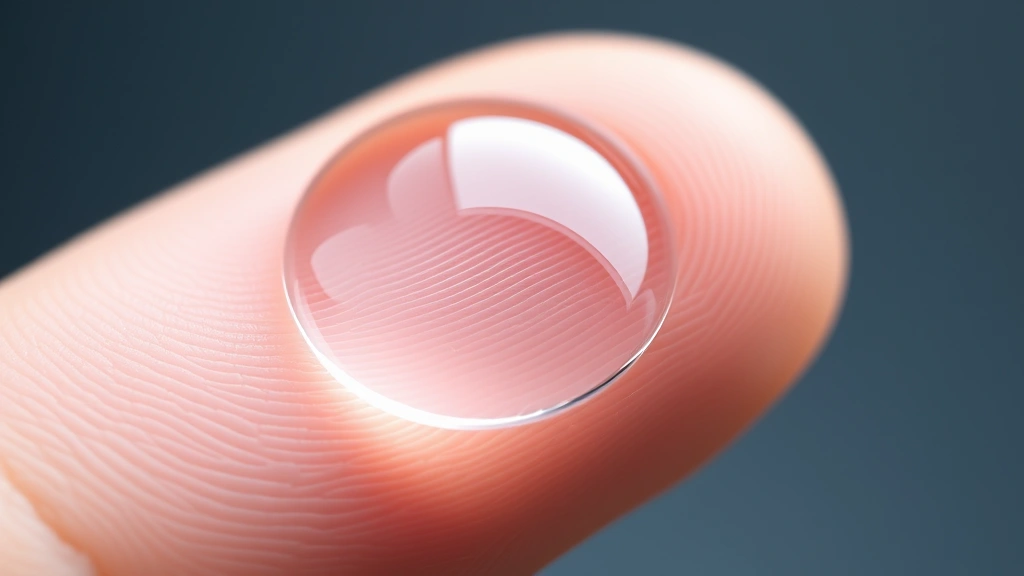
Are Gas Permeable Lenses Eco-Friendly? Facts Inside
When considering vision correction options, most people focus on comfort, clarity, and cost. However, an often-overlooked dimension of this decision involves environmental impact. Gas permeable contact lenses represent a fascinating case study in sustainability within the medical device industry. Unlike their soft contact lens counterparts, gas permeable lenses—also called rigid gas permeable (RGP) or hard contact lenses—offer unique ecological advantages alongside specific practical considerations that deserve closer examination.
The contact lens industry generates significant waste annually, with millions of soft lenses discarded worldwide. As consumers increasingly embrace sustainability principles, understanding the environmental profile of vision correction products becomes essential. This comprehensive guide explores whether gas permeable lenses truly represent an eco-friendly choice, analyzing their lifecycle impact, manufacturing processes, disposal methods, and how they compare to alternative vision solutions.
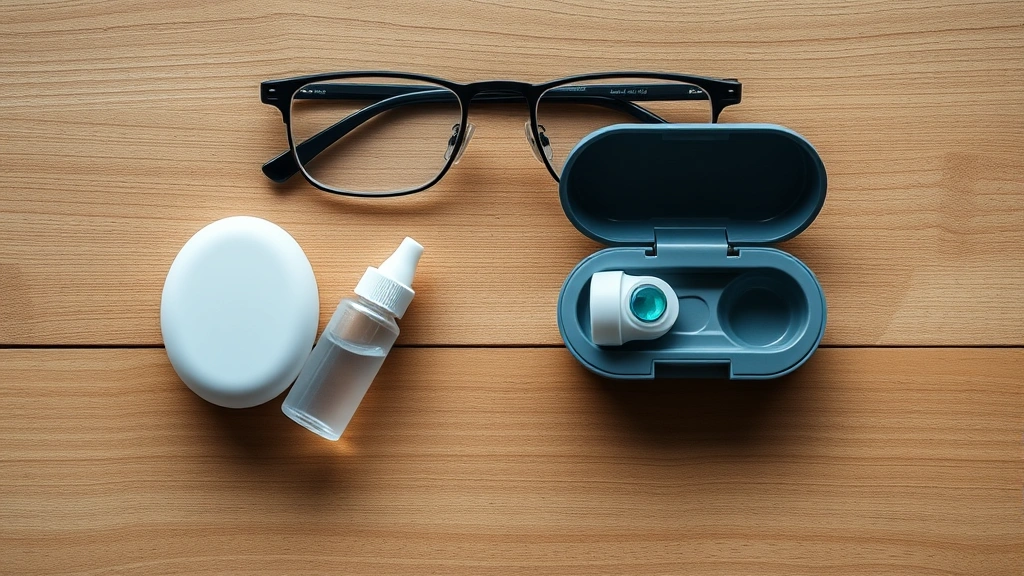
What Are Gas Permeable Contact Lenses?
Gas permeable contact lenses represent a distinct category of vision correction technology that has evolved significantly since their introduction in the 1970s. Unlike soft contact lenses made from hydrophilic polymers that contain water, gas permeable lenses are constructed from rigid, oxygen-permeable plastic materials. These materials allow oxygen to pass through directly to the cornea, maintaining healthy eye physiology while providing excellent optical quality.
The composition of gas permeable lenses typically includes polymethyl methacrylate (PMMA), silicone, and fluoropolymer compounds. This rigid structure means the lenses maintain their shape consistently, providing sharper vision correction—particularly beneficial for individuals with astigmatism or keratoconus. The durability of these lenses is remarkable; a single pair can last one to two years or longer with proper care, compared to soft lenses that typically require replacement every two weeks to monthly.
Understanding the fundamental differences between gas permeable and soft lenses provides essential context for evaluating their environmental footprint. The green technology landscape includes medical devices, and contact lenses represent an often-underappreciated category where sustainable choices can accumulate significant environmental benefits.
Manufacturing Impact and Materials
The environmental story of gas permeable lenses begins with manufacturing processes. Producing rigid gas permeable lenses requires different industrial approaches than manufacturing soft lenses, with distinct ecological implications. The manufacturing process for gas permeable lenses is generally more energy-intensive during initial production, involving precise molding, polishing, and quality control procedures to achieve the exact specifications required for comfortable wear and optical performance.
However, the materials used in gas permeable lens production present a mixed environmental profile. While the polymers used are petroleum-derived, the quantity of raw material required per lens is substantially lower than for soft lenses. Additionally, some manufacturers are exploring bio-based alternatives and more sustainable polymer formulations. The rigid nature of these lenses means less material waste during manufacturing compared to the injection molding processes used for soft lenses.
The production of gas permeable lenses also generates fewer chemical byproducts during manufacturing, though this advantage depends on specific manufacturing facilities and their environmental protocols. Many established gas permeable lens manufacturers have implemented sustainable energy solutions in their production facilities, including renewable energy sources and water recycling systems. The consolidated nature of the gas permeable lens market—dominated by fewer manufacturers—has enabled some companies to implement comprehensive environmental management systems more effectively than the fragmented soft lens market.
Durability and Lifespan Benefits
The durability advantage of gas permeable lenses represents their most significant environmental benefit. A single pair of gas permeable lenses can serve a wearer for 12-24 months or longer, compared to daily disposable soft lenses that last only one day. This extended lifespan dramatically reduces the number of lenses that enter the waste stream annually.
To illustrate this impact: a person wearing daily disposable soft lenses uses approximately 365 pairs per year. Someone wearing gas permeable lenses might use only one to two pairs annually. This 180-365 fold reduction in unit consumption translates directly to reduced manufacturing demand, lower transportation emissions, and significantly decreased waste generation. From a lifecycle perspective, the durability advantage of gas permeable lenses often outweighs the higher initial environmental cost of their more energy-intensive manufacturing process.
The extended wear period also means fewer replacement purchases, reducing packaging waste and associated shipping emissions. While soft lenses dominate the market due to comfort advantages for many wearers, the environmental calculus strongly favors gas permeable lenses for those who can tolerate them successfully. This aligns with broader sustainability principles emphasizing reducing your environmental footprint through conscious product selection.
Waste Generation and Disposal
Understanding how contact lenses enter waste streams reveals critical environmental considerations. Gas permeable lenses, being rigid plastics, cannot be processed through standard contact lens recycling programs. However, their minimal quantity—perhaps two pairs annually per wearer—means waste volume remains manageable. When gas permeable lenses reach end-of-life, they typically enter general plastic waste streams, where they may be recovered through industrial recycling programs or landfilled.
The disposal challenge with gas permeable lenses differs from soft lenses primarily in scale. While soft contact lenses pose significant environmental concerns due to their volume and tendency to break apart in water treatment systems, gas permeable lenses’ rigid structure means they remain intact. However, their small size means they easily escape wastewater treatment systems if disposed of improperly. Responsible disposal requires placing used gas permeable lenses in household trash rather than down drains or toilets.
Many eye care professionals now provide disposal guidance to patients, emphasizing proper waste management. Some vision care providers have begun collecting used lenses for proper disposal, though standardized recycling infrastructure for contact lenses remains underdeveloped. The latest sustainability insights increasingly highlight the need for improved medical device recycling systems, including contact lens collection and processing programs.
Environmental Comparison with Soft Lenses
Comparing gas permeable lenses to soft contact lenses reveals nuanced environmental trade-offs. Soft lenses dominate the market, accounting for approximately 90% of contact lens wearers globally. This market dominance creates significant environmental consequences, as soft lens wearers collectively discard billions of lenses annually—many improperly disposed through water systems.
Soft contact lenses present particular water contamination challenges. Their composition allows them to break down into microplastics when exposed to water treatment processes. Research from EPA water research initiatives has identified contact lenses as contributors to microplastic pollution in aquatic environments. The frequency of soft lens replacement—daily, weekly, or monthly—creates a continuous waste stream that accumulates substantially over years.
Gas permeable lenses, by contrast, generate minimal waste per wearer. Their rigid structure prevents microplastic fragmentation. While they still require proper disposal protocols, their reduced frequency means environmental impact scales proportionally to reduced usage. For environmentally conscious consumers, gas permeable lenses represent a more sustainable vision correction option, provided they achieve adequate comfort and visual performance.
The manufacturing energy comparison also favors gas permeable lenses when considered across a wearer’s lifetime. Although individual gas permeable lens manufacturing may require slightly more energy than individual soft lens production, the dramatically reduced manufacturing frequency means total lifecycle energy consumption is substantially lower. This aligns with principles of reducing consumption through durable goods, similar to choosing long-lasting products over disposable alternatives.
Packaging and Chemicals in Care Solutions
Beyond the lenses themselves, the complete ecosystem surrounding gas permeable lens use includes packaging and care solutions that contribute to environmental impact. Gas permeable lenses require specialized care solutions—typically daily cleaners, enzymatic cleaners, and rewetting drops—packaged in plastic bottles. However, because users maintain fewer pairs of lenses, they purchase fewer care solution bottles annually compared to soft lens wearers.
The packaging associated with gas permeable lenses typically involves minimal cardboard and plastic, as the lenses ship in small vials. Care solution bottles, while necessary, accumulate at slower rates than soft lens packaging. A soft lens wearer purchasing weekly replacement lenses generates substantially more packaging waste than a gas permeable lens wearer replacing lenses annually.
Chemical composition of care solutions presents another consideration. Gas permeable lens care solutions often contain different chemical profiles than soft lens solutions, sometimes including fewer preservatives due to the lenses’ different material properties. Some manufacturers have developed eco-friendly care solution formulations with biodegradable ingredients and reduced chemical complexity. Consumers interested in minimizing chemical exposure can select care solutions from manufacturers committed to environmental responsibility.
The cumulative effect of reduced packaging and lower chemical solution consumption makes gas permeable lens use more sustainable from a chemical and waste perspective. When wearer education emphasizes proper care solution disposal—avoiding drain disposal of solutions—the environmental advantage increases further.
Making Sustainable Vision Choices
Selecting sustainable vision correction requires balancing environmental considerations with personal comfort, vision needs, and lifestyle factors. Gas permeable lenses represent the more environmentally responsible choice for contact lens wearers, assuming adequate comfort tolerance and successful adaptation. However, sustainability encompasses broader considerations beyond just environmental impact.
For individuals unable to tolerate gas permeable lenses, other sustainable vision options merit consideration. Eyeglasses represent an excellent alternative, with durable frames lasting several years and replaceable lenses. Quality eyewear reduces waste through longevity and avoids the consumable nature of contact lenses entirely. For those requiring contact lens correction, exploring whether gas permeable lenses might work through proper fitting and adaptation period represents a worthwhile environmental investment.
Sustainable vision choices also involve supporting eye care providers who prioritize environmental responsibility. Some optometrists and ophthalmologists have implemented lens collection programs, use digital appointment systems reducing paper waste, and educate patients about sustainable vision options. Choosing providers aligned with environmental values amplifies individual impact through systemic change.
Additionally, proper lens care and maintenance extends gas permeable lens lifespan, maximizing their environmental advantage. Following care protocols, avoiding lens damage, and replacing lenses only when necessary preserves the durability benefit that makes gas permeable lenses sustainable. This connects to broader sustainability definitions emphasizing responsible consumption and careful resource stewardship.
Consumers can further support sustainability by advocating for improved contact lens recycling infrastructure. Many regions lack designated collection programs for used lenses. Supporting initiatives that establish take-back programs or partnering with recycling facilities advances systemic environmental improvement beyond individual consumption choices.
FAQ
Are gas permeable contact lenses completely biodegradable?
No, gas permeable contact lenses are not biodegradable. They are composed of rigid plastic polymers that persist in the environment. However, their durability means fewer lenses enter waste streams compared to soft lenses, and their rigid structure prevents microplastic fragmentation. Proper disposal through household trash rather than water systems minimizes environmental harm.
How long can I wear the same pair of gas permeable lenses?
Most gas permeable lenses can be worn safely for 12-24 months with proper daily care and maintenance. Some high-quality gas permeable lenses may last longer. Actual lifespan depends on material quality, care diligence, and individual eye conditions. Regular eye exams ensure lenses remain appropriate for current vision needs and eye health.
Do gas permeable lenses require special care solutions?
Yes, gas permeable lenses require specific care solutions designed for rigid lens materials. These typically include daily cleaners, rewetting solutions, and occasionally enzymatic cleaners. Using appropriate solutions protects lens integrity and eye health. Some manufacturers offer eco-conscious care solution formulations with reduced chemical complexity.
Can everyone wear gas permeable contact lenses?
While many people successfully wear gas permeable lenses, they require an adaptation period and aren’t suitable for everyone. Individuals with certain dry eye conditions, specific corneal shapes, or sensitivity preferences may find soft lenses more comfortable. Consulting with an eye care professional determines whether gas permeable lenses are appropriate for individual needs.
How do gas permeable lenses compare to eyeglasses environmentally?
Eyeglasses typically represent a more sustainable vision option than contact lenses, as quality frames last several years and only lenses require periodic replacement. Eyeglasses avoid the consumable waste associated with contact lenses entirely. However, for individuals requiring contact correction for specific activities or preferences, gas permeable lenses offer substantially better environmental performance than soft lenses.
What happens to contact lenses in wastewater treatment?
Soft contact lenses can break apart in water treatment systems, contributing to microplastic pollution. Gas permeable lenses’ rigid structure means they remain intact but still escape treatment facilities if improperly disposed. Both types should be placed in household trash rather than flushed or rinsed down drains to prevent water system contamination.


