Are Gas Pipes Eco-Friendly? Expert Analysis
Gas pipes form the backbone of energy distribution infrastructure in millions of homes and businesses worldwide. However, as environmental consciousness grows, a critical question emerges: are gas pipes truly eco-friendly? This comprehensive analysis examines the environmental impact of gas pipe systems, from production and installation to operation and end-of-life considerations. Understanding the ecological footprint of gas infrastructure is essential for making informed decisions about energy consumption and supporting the transition toward sustainable energy solutions.
The conversation around gas pipes extends beyond simple yes-or-no answers. These systems represent a complex intersection of energy delivery, infrastructure maintenance, climate impact, and technological alternatives. While natural gas is often marketed as a cleaner fossil fuel compared to coal or oil, the complete lifecycle analysis reveals significant environmental concerns that warrant careful examination. This guide explores every dimension of gas pipe sustainability to help you understand the true environmental cost of this ubiquitous infrastructure.
Understanding Gas Pipe Infrastructure and Materials
Gas pipes are cylindrical conduits designed to transport natural gas from distribution centers to residential, commercial, and industrial locations. These pipes come in various materials, each with distinct environmental implications. The most common materials include steel, polyethylene (PE), copper, and cast iron, with polyethylene becoming increasingly prevalent in modern installations due to its durability and flexibility.
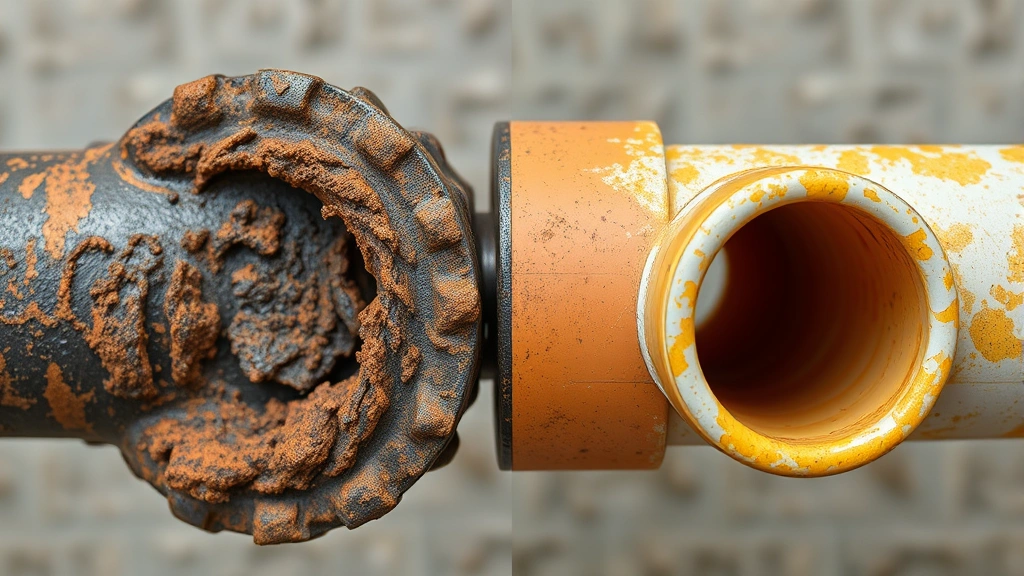
Steel gas pipes, traditionally used in older infrastructure, require significant energy for manufacturing and processing. The production of steel involves mining iron ore, refining it through energy-intensive processes, and forming it into pipe specifications. Modern steel pipes often incorporate protective coatings to prevent corrosion, adding another layer of manufacturing complexity. Polyethylene pipes, while lighter and easier to install, are petroleum-derived products that create their own environmental considerations throughout their lifecycle.
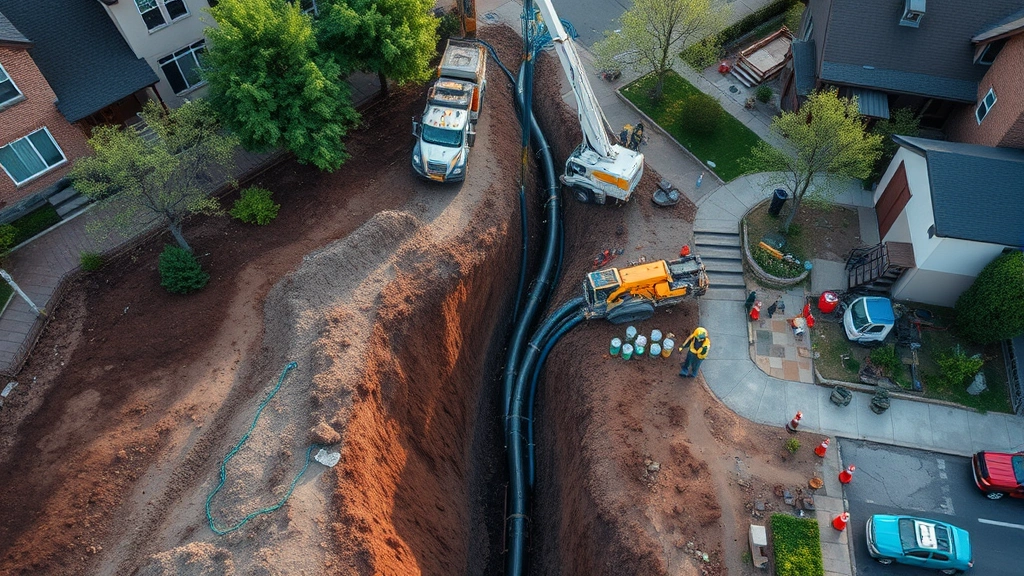
The installation process for gas pipes involves extensive excavation, which can disturb soil ecosystems and contribute to carbon emissions through heavy machinery operation. However, modern trenchless installation technologies are reducing these impacts by allowing pipes to be installed with minimal ground disturbance. Understanding these material choices and installation methods is crucial for evaluating whether a gas pipe system aligns with renewable energy principles.
Older gas pipe networks, some dating back decades, frequently use cast iron or uncoated steel, which are more prone to corrosion and leakage. Many municipalities are undertaking pipe replacement programs to upgrade to modern materials that reduce methane emissions and improve system efficiency. These modernization efforts represent a critical step toward reducing the environmental footprint of existing gas infrastructure.

Environmental Impact of Gas Pipe Manufacturing
The manufacturing process for gas pipes carries substantial environmental consequences that often go unexamined. Steel production alone accounts for approximately 7-9% of global carbon dioxide emissions, making it one of the most carbon-intensive industrial processes. When multiplied across millions of miles of gas pipes globally, the cumulative manufacturing emissions become staggering.
Polyethylene pipe production, while requiring less energy than steel manufacturing, depends on fossil fuel extraction and refining. The petrochemical industry’s environmental impact extends beyond carbon emissions to include water pollution, habitat disruption, and chemical contamination. Additionally, polyethylene pipes, though durable, are not easily recycled and may persist in the environment for centuries if they eventually reach landfills.
The coating materials applied to pipes to prevent corrosion introduce additional environmental concerns. Many protective coatings contain volatile organic compounds (VOCs) and other chemicals that can impact air quality during manufacturing and installation. Some modern alternatives use environmentally friendlier coating technologies, but these remain less common in widespread adoption.
Transportation of manufactured pipes from factories to installation sites contributes further to the environmental burden. Long-distance shipping via trucks or ships adds carbon emissions to the overall lifecycle footprint. Localized manufacturing facilities and regional supply chains could potentially reduce these impacts, but economic factors often prioritize centralized production facilities.
Energy consumption in the manufacturing facilities themselves represents another significant factor. While some modern pipe manufacturers have invested in renewable energy sources, many still rely heavily on grid electricity derived from fossil fuels. Supporting manufacturers who have committed to sustainability principles can help drive industry-wide improvements.
Methane Leakage and Climate Concerns
Perhaps the most critical environmental concern regarding gas pipes is methane leakage. Methane is a potent greenhouse gas with a global warming potential approximately 28-34 times greater than carbon dioxide over a 100-year period. Gas pipes, particularly older infrastructure, frequently leak methane into the atmosphere through corrosion, deteriorating joints, and improper connections.
Studies indicate that gas distribution systems lose between 1-5% of transported gas through leakage, though some research suggests higher rates in older urban systems. In cities like New York, Boston, and San Francisco, extensive studies have documented thousands of leaks in aging gas pipe networks. Each leak represents a direct pathway for methane to enter the atmosphere, undermining any climate benefits that natural gas might offer compared to other fossil fuels.
The detection and repair of gas pipe leaks remains inconsistent across jurisdictions. Many utility companies lack comprehensive leak detection programs, and financial incentives for repair are often insufficient to motivate rapid action. Modern leak detection technologies, including infrared imaging and acoustic sensors, can identify problem areas more efficiently, but widespread implementation requires significant investment.
Methane leakage becomes particularly concerning when considering the full lifecycle emissions of natural gas. While burning natural gas produces fewer carbon emissions than coal, the methane that escapes before combustion can negate these advantages. Research from various environmental organizations indicates that if leakage rates exceed 3-4%, natural gas may offer no climate benefit over coal for electricity generation.
Addressing methane leakage requires a multi-faceted approach including accelerated pipe replacement programs, improved maintenance protocols, better leak detection technologies, and regulatory enforcement. Some progressive municipalities have established ambitious timelines for replacing aging gas infrastructure with modern, lower-leakage systems. These initiatives represent essential steps toward reducing the environmental impact of gas distribution networks.
Comparison with Alternative Energy Systems
To properly assess whether gas pipes are eco-friendly, comparison with alternative energy systems provides valuable context. Electric heating systems powered by renewable electricity, heat pump technology, and renewable gas alternatives represent increasingly viable substitutes for traditional natural gas infrastructure.
Electric heating systems, particularly when powered by renewable energy sources like solar and wind, offer substantially lower lifecycle emissions than natural gas. Green technology innovations in heat pump efficiency have made electrification increasingly practical and cost-effective. Heat pumps can extract heat from ambient air or ground sources, requiring significantly less energy input than resistance heating and producing zero direct emissions.
Renewable gas alternatives, including biogas derived from organic waste and synthetic methane produced using renewable electricity, offer potential pathways for maintaining existing gas pipe infrastructure while reducing environmental impact. However, these alternatives currently represent a small fraction of global gas supply and face scalability challenges.
Hydrogen gas has emerged as a potential long-term replacement for natural gas in existing pipe infrastructure. Some research suggests that hydrogen can be transported through modified gas pipes with minimal infrastructure changes. Hydrogen produced through electrolysis using renewable electricity would eliminate carbon emissions entirely. However, hydrogen production, storage, and safety considerations remain significant hurdles to widespread adoption.
The comparison reveals that while gas pipes themselves are not inherently eco-friendly, they may represent a transitional solution in energy systems gradually shifting toward renewable alternatives. The environmental impact depends heavily on what fuel travels through the pipes, how efficiently the system operates, and whether leakage is effectively controlled.
Modernization and Eco-Friendly Upgrades
Gas pipe modernization represents one of the most direct approaches to reducing environmental impact. Replacing aging infrastructure with modern materials and technologies can significantly decrease methane leakage, improve system efficiency, and extend service life. Many utility companies and municipal governments have launched comprehensive pipe replacement programs targeting the oldest and most problematic segments.
Modern gas pipes manufactured from high-quality polyethylene or welded steel with superior corrosion protection demonstrate substantially lower leakage rates than legacy systems. Improved joint connections, pressure management systems, and automated monitoring can further reduce environmental impact. Some advanced systems incorporate smart sensors that detect pressure changes and potential leaks in real-time, enabling rapid response to problems.
Trenchless pipe installation technologies, including horizontal directional drilling and pipe bursting, allow replacement of aging gas pipes with minimal ground disturbance. These methods reduce construction-related emissions, minimize ecosystem disruption, and reduce traffic congestion in urban areas. While trenchless technologies cost more initially, they often prove cost-effective when environmental and social costs are considered.
Retrofitting existing gas pipe systems with improved insulation and pressure optimization can enhance efficiency and reduce energy losses. Some municipalities have implemented “dig-once” policies requiring coordination between gas, water, sewer, and telecommunications utilities to minimize the environmental impact of infrastructure work. These coordinated approaches reduce total excavation, transportation emissions, and ecosystem disruption.
Investment in leak detection and repair programs provides immediate environmental benefits without requiring complete infrastructure replacement. Acoustic monitoring systems, infrared imaging, and methane-detecting drones can identify leaks more efficiently than traditional methods. Prioritizing repair of high-impact leaks in densely populated areas maximizes environmental benefit per dollar invested.
Supporting utilities and municipalities in their modernization efforts by advocating for adequate funding and regulatory requirements can accelerate the transition to lower-impact gas infrastructure. As you consider how to reduce your environmental footprint, examining your energy provider’s infrastructure investment commitments provides valuable insight into their genuine environmental dedication.
Regulatory Standards and Environmental Protection
Regulatory frameworks governing gas pipe infrastructure vary significantly across regions, with substantial implications for environmental protection. The United States Environmental Protection Agency (EPA) establishes standards for methane emissions from natural gas systems, though enforcement and compliance mechanisms remain inconsistent.
The EPA’s Natural Gas Air Pollution Standards establish baseline requirements for leak detection and repair, but critics argue these standards are insufficient to address the full scope of environmental concerns. Many state and local governments have adopted more stringent standards, requiring faster leak response times and more comprehensive detection programs.
California’s climate regulations have driven aggressive natural gas pipe modernization, with the state requiring utilities to replace aging infrastructure and implement comprehensive leak detection programs. New York has similarly implemented ambitious timelines for pipe replacement and established penalties for utilities failing to meet environmental standards.
International regulatory frameworks, including the European Union’s Gas Directive and various national regulations, establish standards for gas pipe safety and environmental protection. However, enforcement mechanisms and environmental stringency vary considerably among countries.
Third-party certification programs for gas pipe materials and installation practices provide additional environmental assurance. Certifications from organizations like NSF International and WQA indicate compliance with environmental and safety standards. Selecting certified materials and contractors can help ensure that gas pipe installations meet rigorous environmental criteria.
Advocating for stronger regulatory standards and better enforcement mechanisms represents an important way to improve the environmental performance of gas infrastructure. Public pressure on regulatory agencies and elected officials can drive policy improvements that accelerate the transition toward lower-impact energy systems.
The Future of Gas Infrastructure
The future trajectory of gas pipe infrastructure depends on policy decisions, technological innovation, and broader energy system transformation. Several scenarios are emerging as possible futures for this critical infrastructure.
One pathway involves gradual phaseout of natural gas infrastructure in favor of electrification and renewable energy. Cities including San Francisco, New York, and various European municipalities are implementing policies that restrict new gas connections and accelerate retirement of existing systems. This approach aligns with long-term climate goals but requires substantial investment in alternative heating and energy systems.
Alternative scenario involves transformation of gas pipes to transport renewable gases including biogas, synthetic methane, and hydrogen. This approach would utilize existing infrastructure while decoupling energy delivery from fossil fuels. However, this pathway requires significant technological development and faces economic challenges in competing with direct electrification.
A hybrid approach combining accelerated gas pipe modernization with gradual system retirement represents a middle pathway. Under this scenario, investments in leak reduction and efficiency improvements would continue while new construction favors alternative systems. Over time, as buildings transition to electric heating and renewable energy, gas infrastructure would gradually become obsolete.
Technological innovations including advanced materials, improved leak detection systems, and enhanced monitoring capabilities will likely continue improving the environmental performance of existing gas infrastructure. However, technological improvements alone cannot eliminate the fundamental environmental concerns associated with fossil fuel combustion and methane leakage.
The role of consumer choice and demand cannot be overlooked. As more individuals and businesses transition to renewable energy and electric systems, demand for natural gas declines, accelerating the economic transition away from gas infrastructure. Supporting advantages of electric vehicles and renewable heating systems in your personal choices helps drive broader market transformation.
Climate science increasingly indicates that limiting global warming to 1.5-2°C requires rapid phaseout of fossil fuel infrastructure. Gas pipes, as part of this infrastructure, will likely play a diminishing role in future energy systems. The environmental performance of remaining gas infrastructure will become increasingly important as societies transition toward renewable energy dominance.
FAQ
Are gas pipes recyclable at end of life?
Steel gas pipes can be recycled like other steel products, though the process requires significant energy and infrastructure. Polyethylene pipes are more difficult to recycle and often end up in landfills. Designing pipes with recyclability in mind and establishing collection programs could improve end-of-life environmental performance. Some manufacturers are developing more recyclable pipe materials, but widespread adoption remains limited.
How often do gas pipes need replacement?
Modern gas pipes can last 50-70 years, while older cast iron or uncoated steel pipes may only function reliably for 30-50 years. Replacement timelines depend on material type, installation quality, soil conditions, and maintenance practices. Aggressive replacement programs targeting the oldest pipes provide the greatest environmental benefit by reducing methane leakage from deteriorating systems.
Can gas pipes be used for other purposes?
Decommissioned gas pipes can potentially be repurposed for other utilities including water, telecommunications, or sewer systems. However, thorough cleaning and inspection are required to ensure safety and compatibility. Repurposing infrastructure reduces waste and maximizes resource efficiency, though the environmental benefit depends on the purpose and duration of reuse.
What is the cost of modernizing gas pipe infrastructure?
Comprehensive gas pipe replacement programs typically cost billions of dollars for large urban systems, though costs vary based on geographic conditions, pipe material, and installation methods. Trenchless technologies cost more per mile but reduce overall project costs by minimizing traffic disruption and ecosystem damage. Funding mechanisms including utility rate increases, government grants, and public-private partnerships support these essential investments.
How can homeowners reduce their gas pipe environmental impact?
Homeowners can reduce environmental impact by transitioning to electric heating systems, installing heat pumps, adopting renewable energy sources, and improving building efficiency. Additionally, reporting gas leaks to utility companies and supporting policies requiring aggressive pipe modernization contributes to system-wide improvements. Choosing renewable energy providers when available and advocating for electrification in new construction accelerates the transition away from gas infrastructure.
Are there eco-friendly alternatives to natural gas heating?
Yes, numerous alternatives including electric heat pumps, solar thermal systems, and geothermal heating offer substantially lower environmental impact. Heat pumps achieve high efficiency by extracting heat from air or ground sources, while solar thermal systems utilize renewable energy directly. These alternatives become increasingly cost-competitive as technology improves and fossil fuel prices reflect true environmental costs.


