Best Gas Pipes for California Code: A Comprehensive Sustainability Guide
California’s stringent building codes and environmental standards require careful selection of gas piping materials to ensure safety, durability, and minimal environmental impact. Whether you’re installing a new natural gas line or upgrading existing infrastructure, understanding California’s specific requirements is essential for compliance and long-term performance. This guide explores the best gas pipe types that meet California code requirements while supporting sustainable building practices.
Gas piping selection involves balancing regulatory compliance with environmental responsibility. California’s Title 24 energy standards and local building codes mandate specific materials and installation practices that protect both public safety and air quality. By choosing appropriate piping materials and understanding installation requirements, property owners can ensure their gas systems operate efficiently while reducing greenhouse gas emissions and maintaining system integrity for decades.
California Code Requirements for Gas Piping
California’s gas piping regulations stem from the California Building Standards Code (Title 24), which incorporates the International Fuel Gas Code (IFGC) with state-specific amendments. These regulations ensure that all gas delivery systems maintain safety standards while minimizing risks of gas leaks and environmental contamination. The California Energy Commission works alongside local jurisdictions to enforce these codes, which are updated every three years to reflect new safety research and environmental best practices.
The primary regulatory framework includes the California Code of Regulations Title 24, Part 2, which establishes minimum safety standards for gas piping installation, sizing, and materials. Local building departments may impose additional requirements based on regional considerations, soil conditions, and seismic activity. Understanding these baseline requirements is crucial before selecting any gas pipe material.
Key code requirements include minimum wall thickness specifications, pressure drop calculations, and material compatibility standards. All piping must be sized according to the sustainable energy solutions framework that balances efficiency with safety. Gas pipes must also be protected from physical damage, corrosion, and environmental stress factors common in California’s diverse climate zones.
Approved Gas Pipe Materials
California code recognizes several approved materials for gas piping, each with distinct advantages and limitations. The most common approved materials include steel pipe, copper tubing, CSST (Corrugated Stainless Steel Tubing), and polyethylene pipe for underground applications. Each material must meet specific ANSI standards and carry appropriate certification marks.
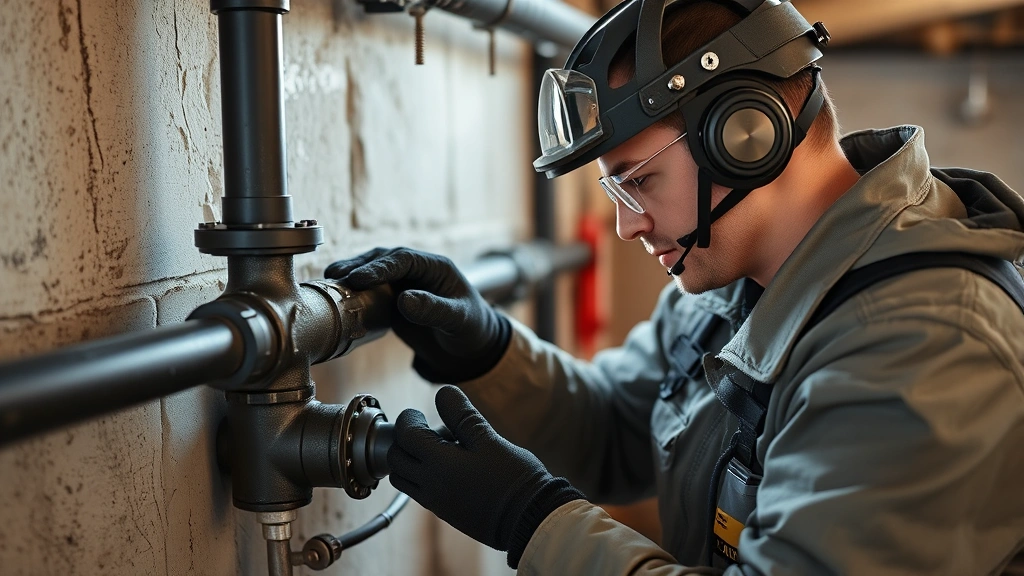
Steel Pipe (Black Iron): Traditional black iron steel pipe remains the most widely used material for indoor gas piping in California. This material is approved under California code when properly installed and maintained. Steel pipe offers excellent durability and proven performance over decades. However, it requires regular inspection for rust and corrosion, particularly in coastal areas with high humidity and salt exposure.
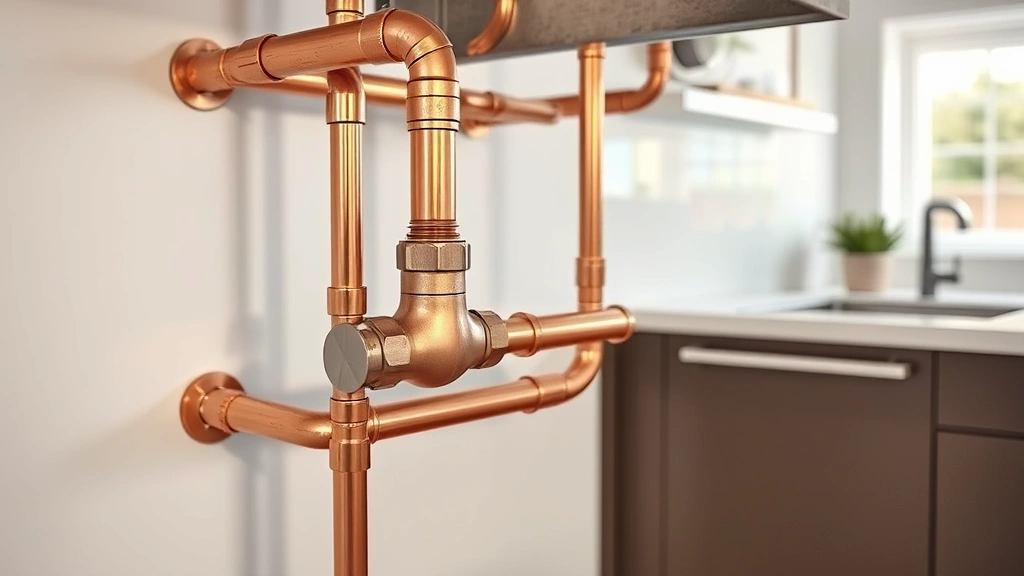
Copper Tubing: Soft copper and hard copper tubing are approved for gas piping applications in California, though copper is less common for main gas lines due to cost considerations. Copper offers superior corrosion resistance compared to steel, making it ideal for humid environments. The material’s flexibility allows easier installation in some applications, though it requires proper brazing or soldering to ensure leak-tight connections.
Polyethylene (PE) Pipe: For underground gas distribution, polyethylene pipe is widely approved and increasingly used throughout California. PE pipe resists corrosion and soil stress, making it ideal for underground installations. This material requires proper pressure ratings and must meet ASTM D2513 standards for gas service applications.
Copper vs. Steel: Comparative Analysis
Selecting between copper and steel piping involves evaluating multiple factors including initial cost, installation complexity, environmental conditions, and long-term maintenance requirements. Both materials are California-code approved, but each serves different applications optimally.
Steel Pipe Advantages:
- Lower material cost compared to copper alternatives
- Proven track record with 50+ year lifespan in proper conditions
- Superior pressure handling capabilities for main distribution lines
- Easier to repair using standard threading techniques
- Better suited for high-volume commercial applications
Steel Pipe Disadvantages:
- Susceptible to rust and corrosion in humid coastal environments
- Requires regular inspection and maintenance in moisture-prone areas
- Thread connections may develop leaks over extended periods
- Installation requires specialized threading equipment
- Heavier material increases labor costs during installation
Copper Tubing Advantages:
- Excellent corrosion resistance in all California climate zones
- Superior performance in coastal and high-humidity environments
- Flexible design allows creative routing through structures
- Lower maintenance requirements throughout service life
- Better aesthetic appearance in exposed applications
Copper Tubing Disadvantages:
- Significantly higher material costs than steel alternatives
- Requires specialized tools for brazing and soldering connections
- Less suitable for very high-pressure applications
- Installation labor costs often exceed material savings
- Potential for pinhole leaks in aggressive water chemistry conditions
For most California residential applications, steel pipe remains the code-approved standard due to cost-effectiveness and proven reliability. However, copper becomes economically justified in coastal properties where corrosion protection justifies the premium investment. SustainWise Hub Blog provides additional insights into material selection for sustainable infrastructure.
CSST and Modern Piping Solutions
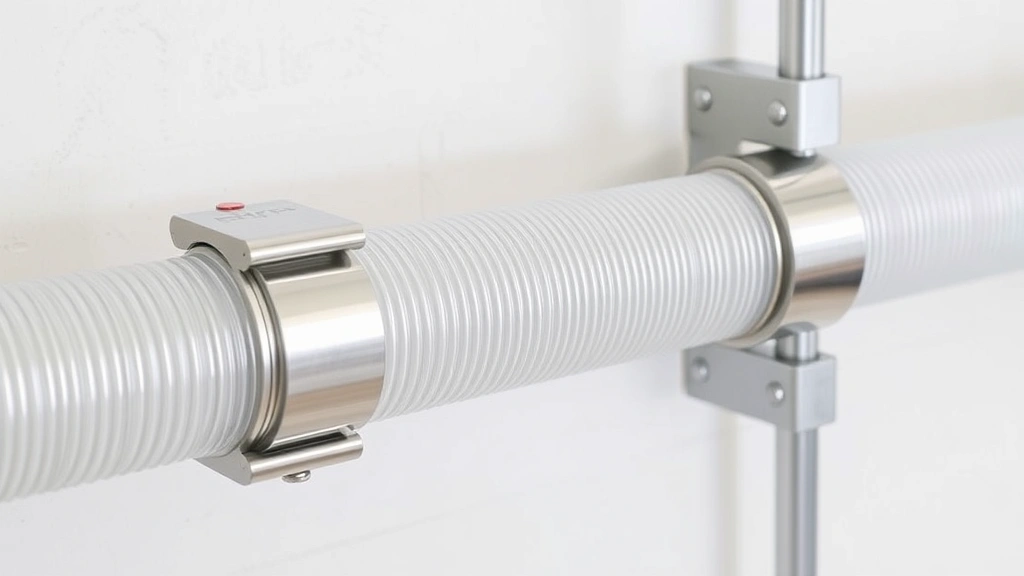
Corrugated Stainless Steel Tubing (CSST) represents a modern alternative approved for gas piping under California code, though with specific installation requirements. CSST offers significant advantages in flexibility and installation speed, making it increasingly popular for residential applications and renovations.
CSST Benefits:
- Exceptional flexibility reduces fitting requirements and installation time
- Stainless steel construction provides superior corrosion resistance
- Lighter weight compared to steel pipe reduces labor costs
- Easier routing through walls, floors, and tight spaces
- Lower overall installation costs despite higher material expense
- Color-coded sleeves simplify identification of different gas lines
CSST Installation Requirements:
California code mandates specific installation practices for CSST to ensure safety and compliance. All CSST installations must include proper bonding and grounding to prevent static electricity accumulation. The tubing must be protected from physical damage using protective sleeves where it passes through framing members or sharp edges. Support systems must secure CSST every 32 inches of horizontal run and 10 feet of vertical run.
Grounding requirements are particularly important for CSST installations. All CSST piping must be bonded to the main electrical grounding system using equipment grounding conductors. This prevents potential ignition sources from static discharge, a critical safety consideration that California code emphasizes strongly.
The natural gas vs propane comparison helps homeowners understand fuel options that work with approved piping materials. CSST works equally well with both natural gas and propane applications, providing versatility for different fuel sources.
Installation Standards and Best Practices
Proper installation of gas piping is fundamental to safety and code compliance. California requires all gas piping installation and modifications to be performed by licensed contractors holding appropriate certification. The installation process involves multiple steps and inspections to ensure the system meets all code requirements.
Sizing and Pressure Drop Calculations:
Gas pipe sizing must accommodate the total demand of all appliances while maintaining proper pressure at each connection point. California code requires pressure drop calculations using approved methods that account for pipe diameter, length, and gas volume. Undersized piping results in inadequate gas delivery and appliance malfunction, while oversized piping wastes materials and increases costs.
Support and Securing:
All gas piping must be adequately supported to prevent sagging and stress on connections. California code specifies maximum spacing between supports based on pipe material and diameter. Steel pipe requires support every 10 feet for horizontal runs and at each floor level for vertical runs. CSST requires closer support spacing to prevent damage and ensure proper operation.
Protection from Damage:
Gas piping must be protected from physical damage through proper routing and protective measures. Pipes passing through framing members or areas subject to impact require protective sleeves or guards. Underground piping needs adequate depth and marking to prevent accidental damage during excavation.
Testing and Inspection:
Before any gas piping system becomes operational, California code requires pressure testing to verify system integrity. Tests must achieve and maintain specified pressures for minimum durations without pressure loss. After testing, all piping must be purged of test gas and filled with the intended service gas. Licensed inspectors verify compliance before final approval.
Environmental Considerations
Gas piping selection impacts environmental performance through several pathways including material production, installation efficiency, and long-term operational emissions. Sustainable piping choices minimize environmental footprint while maintaining code compliance and safety standards.
Material Production Impact:
Steel pipe production involves significant energy consumption and carbon emissions, though recycled steel content varies by manufacturer. Copper production requires extensive mining operations with associated environmental impacts. CSST manufacturing involves stainless steel production, which typically uses more energy than carbon steel. PE pipe production relies on petroleum-based feedstocks, raising sustainability concerns despite excellent durability.
Choosing materials with higher recycled content and selecting manufacturers committed to sustainable practices reduces environmental impact. Many steel pipe manufacturers now incorporate 25-50% recycled content, significantly lowering production carbon footprint. Copper’s recyclability supports circular economy principles, as copper maintains properties through multiple recycling cycles without degradation.
Operational Efficiency:
Gas piping that minimizes leakage reduces operational emissions and improves system efficiency. Properly sized piping with secure connections prevents gas loss that contributes to methane emissions. reducing your environmental footprint includes maintaining gas systems that operate at peak efficiency.
Regular maintenance and inspection identify small leaks before they develop into significant problems. Even small leaks waste fuel and release methane into the atmosphere. California’s commitment to climate goals includes reducing methane emissions from natural gas systems, making proper piping maintenance an environmental responsibility.
Sustainable Fuel Alternatives:
As California transitions toward renewable energy, gas piping infrastructure increasingly serves as a bridge technology. Understanding advantages of electric vehicles and electrification of heating systems helps property owners plan long-term strategies. Modern gas piping materials accommodate potential conversion to renewable gas sources, including biogas and hydrogen blends, supporting California’s decarbonization goals.
Maintenance and Longevity
Gas piping longevity depends on material selection, installation quality, and ongoing maintenance practices. California’s diverse climate zones present different challenges requiring tailored maintenance approaches.
Steel Pipe Maintenance:
Steel piping requires periodic inspection for corrosion, particularly in coastal areas and high-humidity environments. Regular visual inspections identify rust formation before it compromises structural integrity. In corrosive environments, protective coatings or cathodic protection systems may extend service life beyond standard expectations. Most properly maintained steel pipe systems serve reliably for 50+ years.
Copper Tubing Maintenance:
Copper’s corrosion resistance minimizes maintenance requirements in most California environments. However, aggressive water chemistry in some regions can cause pinhole leaks. Water testing and appropriate treatment prevent corrosion-related failures. Well-maintained copper systems frequently exceed 75-year service life.
CSST Maintenance:
CSST requires less frequent inspection than steel pipe due to superior corrosion resistance. Primary concerns involve physical damage to protective coatings and proper grounding maintenance. Regular visual inspection ensures protective sleeves remain intact and bonding connections stay secure.
Leak Detection and Prevention:
Modern leak detection technology helps identify gas system problems before they become hazardous. Annual inspections by qualified professionals verify system integrity and identify potential issues. Homeowners should also watch for signs of gas leaks including hissing sounds, dead vegetation patches near underground lines, or distinctive odor near gas equipment.
FAQ
What gas pipe type is most commonly used in California?
Black iron steel pipe remains the most common choice for residential gas piping in California due to its cost-effectiveness and proven reliability. However, CSST adoption is increasing for new construction and renovations due to installation advantages.
Can I use copper pipe for all gas piping applications in California?
Yes, copper is California-code approved for gas piping, though it’s less common for main distribution lines due to cost. Copper works well for branch lines and applications where corrosion resistance justifies the expense, particularly in coastal areas.
Is CSST grounding mandatory in California?
Yes, California code requires all CSST piping to be bonded to the main electrical grounding system. This critical safety requirement prevents static electricity accumulation that could ignite gas.
How often should gas piping be inspected?
Annual professional inspections are recommended for all gas piping systems. More frequent inspections may be necessary in corrosive environments or if previous problems were identified.
What’s the typical lifespan of gas piping?
Properly installed and maintained gas piping typically lasts 50-75+ years depending on material and environmental conditions. Steel pipe in dry environments often exceeds 60 years, while copper commonly reaches 75+ years.
Can I install gas piping myself in California?
No, California requires all gas piping installation and modifications to be performed by licensed contractors. DIY installation violates code and creates serious safety hazards.
What’s the cost difference between steel and copper gas piping?
Copper typically costs 2-3 times more than steel for materials alone. However, labor costs may be lower for copper due to faster installation, partially offsetting material premiums.
Are there environmental benefits to choosing one piping material over another?
Material choice involves environmental tradeoffs. Steel has lower production impact but higher maintenance requirements. Copper offers superior durability and recyclability. CSST provides installation efficiency benefits. Choosing materials with recycled content and selecting sustainable manufacturers minimizes overall environmental impact.
How do I know if my gas piping meets current California code?
Have a licensed contractor perform a code compliance inspection. They’ll verify material types, installation methods, support spacing, and testing documentation against current California code requirements.
What should I do if I suspect a gas leak?
Evacuate the area immediately and call your gas utility’s emergency line. Don’t use electrical equipment, open flames, or create spark sources. Wait for professionals to locate and repair the leak.
Green technology innovations continue advancing gas system efficiency and safety. Stay informed about updates to California code and new materials that may become available for future installations.
Understanding California’s gas piping requirements ensures your installation remains safe, code-compliant, and environmentally responsible. Whether you’re working with steel, copper, or CSST, proper material selection, professional installation, and regular maintenance create gas systems that serve reliably for decades while supporting California’s sustainability goals.


