
Is Siphoning Gas Eco-Friendly? Expert Analysis
Gas siphoning—the practice of transferring fuel from one vehicle to another using a tube or pump—raises important questions about environmental responsibility and sustainability. While it might seem like a practical solution during fuel shortages or emergencies, the ecological implications are far more complex than most people realize. This comprehensive analysis examines whether siphoning gas aligns with eco-friendly practices and what alternatives exist for environmentally conscious consumers.
The environmental impact of fuel transfer extends beyond the immediate act itself. It encompasses fuel evaporation, spillage risks, personal health hazards, and the broader implications for fuel consumption patterns. Understanding these factors is essential for anyone committed to reducing their carbon footprint and making responsible energy choices. Whether you’re facing a genuine emergency or considering this practice as a regular solution, the evidence suggests there are more sustainable approaches worth exploring.
Understanding Gas Siphoning and Environmental Impact
Gas siphoning is the manual or mechanical transfer of gasoline from one vehicle’s tank to another. Traditionally, this involved placing a tube in a fuel tank and using mouth suction to create pressure—a method that’s both dangerous and increasingly illegal in many jurisdictions. Modern siphoning often uses hand pumps or electric pumps, which are somewhat safer but still problematic from an environmental standpoint.
The environmental consequences of gas siphoning are multifaceted and interconnected. When fuel is transferred, especially through older or inefficient methods, significant amounts of volatile organic compounds (VOCs) escape into the atmosphere. These emissions contribute to ground-level ozone formation and air pollution. Additionally, the mere act of opening fuel tanks and transferring fuel increases exposure to the atmosphere, accelerating evaporation rates compared to sealed fuel systems in modern vehicles.
From a sustainability perspective, siphoning gas contradicts the principles of sustainable energy solutions by promoting continued reliance on fossil fuels and potentially encouraging wasteful consumption patterns. Rather than addressing the root cause—over-consumption of gasoline—siphoning enables drivers to continue unsustainable fuel usage without addressing the underlying environmental crisis.
Fuel Evaporation and Air Quality Concerns
One of the most significant environmental impacts of gas siphoning is fuel evaporation. Gasoline contains hundreds of volatile compounds that readily evaporate at room temperature. When fuel tanks are opened for siphoning, these vapors escape directly into the atmosphere. The U.S. Environmental Protection Agency (EPA) has documented that fuel evaporation contributes substantially to volatile organic compound emissions, which are major air pollutants.
The amount of fuel lost through evaporation during siphoning can be substantial. Studies indicate that transferring just 5-10 gallons of fuel through manual siphoning can result in the loss of 10-50 milliliters of fuel to evaporation alone. Multiply this across thousands of siphoning incidents annually, and the cumulative environmental damage becomes significant. These vapors don’t simply disappear; they contribute to:
- Ground-level ozone formation: VOCs react with nitrogen oxides in sunlight to create ozone, a harmful air pollutant affecting respiratory health
- Climate change acceleration: Some volatile compounds have direct warming potential
- Regional air quality degradation: Areas with high siphoning activity experience measurably worse air quality
- Photochemical smog: The brown haze visible over urban areas is directly linked to VOC emissions
Modern vehicles have vapor recovery systems designed to minimize these emissions, but siphoning bypasses these safety mechanisms entirely. When you transfer fuel manually, you’re essentially undoing the environmental progress made through decades of emissions control technology.
Spillage Risks and Soil Contamination
Despite best intentions, gas siphoning frequently results in fuel spillage. Even small spills—seemingly insignificant amounts like a few ounces—pose serious environmental threats. Gasoline is a toxic substance that contaminates soil and groundwater, affecting ecosystems and potentially compromising drinking water supplies.
The environmental persistence of gasoline is troubling. Benzene, a known carcinogen and primary component of gasoline, can remain in soil for years. A single gallon of gasoline can contaminate up to one million gallons of groundwater. When siphoning occurs in residential areas, driveways, or yards, the risk of soil contamination is particularly high. The consequences include:
- Soil microbial community disruption
- Plant toxicity and reduced agricultural productivity
- Groundwater contamination affecting wells and municipal water supplies
- Bioaccumulation in food chains
- Long-term environmental remediation costs
Unlike industrial facilities with proper containment and cleanup protocols, siphoning typically occurs without environmental safeguards. This makes it particularly damaging from an ecological perspective. The United States Geological Survey documents extensive environmental damage from petroleum contamination, much of which stems from uncontrolled fuel transfers and spills.
Health Hazards Associated with Siphoning
While health hazards aren’t strictly environmental, they’re interconnected with ecological concerns because they reflect the toxic nature of the substances involved. Gasoline contains numerous harmful chemicals including benzene, toluene, and xylene—all known neurotoxins. Siphoning exposes individuals directly to these compounds through inhalation and skin contact.
The practice of mouth-siphoning (historically common) is particularly dangerous. It involves direct ingestion of fuel, which can cause acute poisoning, chemical burns to the mouth and throat, and systemic toxicity. Even modern hand-pump siphoning exposes users to benzene vapors, which accumulate in the body and increase cancer risk with chronic exposure.
These health impacts are relevant to environmental sustainability because they reflect humanity’s dependence on inherently dangerous fossil fuels. Rather than continuing to engage in risky fuel transfer practices, the sustainable approach involves transitioning to cleaner energy sources entirely. This is why exploring advantages of electric vehicles becomes increasingly important for health-conscious and environmentally aware consumers.
Comparison with Sustainable Energy Solutions
When examining whether gas siphoning is eco-friendly, it’s essential to compare it against the principles of true sustainable energy solutions. Genuine sustainability requires reducing overall energy consumption, transitioning to renewable sources, and minimizing environmental damage throughout the energy lifecycle.
Gas siphoning fails on all these criteria. It doesn’t reduce consumption—it often enables it. It doesn’t transition toward renewables; it entrenches fossil fuel dependence. And it actively increases environmental damage through emissions and spillage. Sustainable energy solutions, by contrast, focus on:
- Renewable generation: Solar, wind, and hydroelectric power with minimal environmental impact
- Efficiency improvements: Better vehicle technology and reduced consumption
- System-level changes: Public transportation and infrastructure transformation
- Lifecycle assessment: Minimizing environmental impact across all stages
The contrast becomes even clearer when examining advantages of electric vehicles. Electric vehicles produce zero direct emissions, require no fuel siphoning, and can be powered by renewable energy. Over their lifetime, even accounting for electricity generation, EVs produce dramatically fewer emissions than gasoline vehicles. This represents a genuine alternative aligned with environmental responsibility.
Emergency Situations: When Siphoning Might Be Necessary
While the evidence against gas siphoning from an environmental perspective is compelling, certain emergency situations might justify the practice. True emergencies—where siphoning is necessary for human safety or critical operations—exist in narrow circumstances.
Legitimate emergency scenarios include:
- Stranded motorists: When someone is genuinely stuck without fuel and no gas stations are accessible within reasonable distance
- Disaster response: During natural disasters when fuel delivery infrastructure is compromised and emergency vehicles need fuel
- Medical emergencies: When reaching medical facilities requires fuel that isn’t otherwise obtainable
- Rural hardship: In remote areas where fuel access is genuinely limited and alternative solutions don’t exist
However, it’s crucial to distinguish genuine emergencies from convenience-based siphoning. Many people siphon gas to avoid paying for fuel or to support vehicles they can’t afford to fuel properly. These situations, while sometimes financially difficult, don’t justify the environmental and health costs of siphoning. The appropriate response is to address underlying issues through better transportation planning, fuel efficiency improvements, or transitioning to alternative vehicles.
Even in legitimate emergencies, siphoning should be conducted with maximum environmental care: using modern pump systems rather than mouth siphoning, minimizing spillage, and cleaning up any fuel that does escape. The goal should be damage minimization, not normalization of the practice.

Eco-Friendly Alternatives to Consider
Rather than siphoning gas, environmentally conscious individuals have numerous alternatives that address the underlying transportation needs while supporting genuine sustainability goals.
Prevention Through Better Planning: The most effective alternative is avoiding the situation that necessitates siphoning. This means:
- Maintaining adequate fuel levels and planning trips to avoid running empty
- Using fuel consumption tracking apps to monitor efficiency
- Scheduling regular vehicle maintenance to optimize fuel economy
- Combining trips to reduce overall driving
Professional Fuel Delivery Services: Modern fuel delivery apps and services bring gasoline to your vehicle, eliminating the need for siphoning. While still fossil fuel-based, these services minimize environmental damage through controlled transfer procedures and reduce the risk of spillage compared to amateur siphoning attempts.
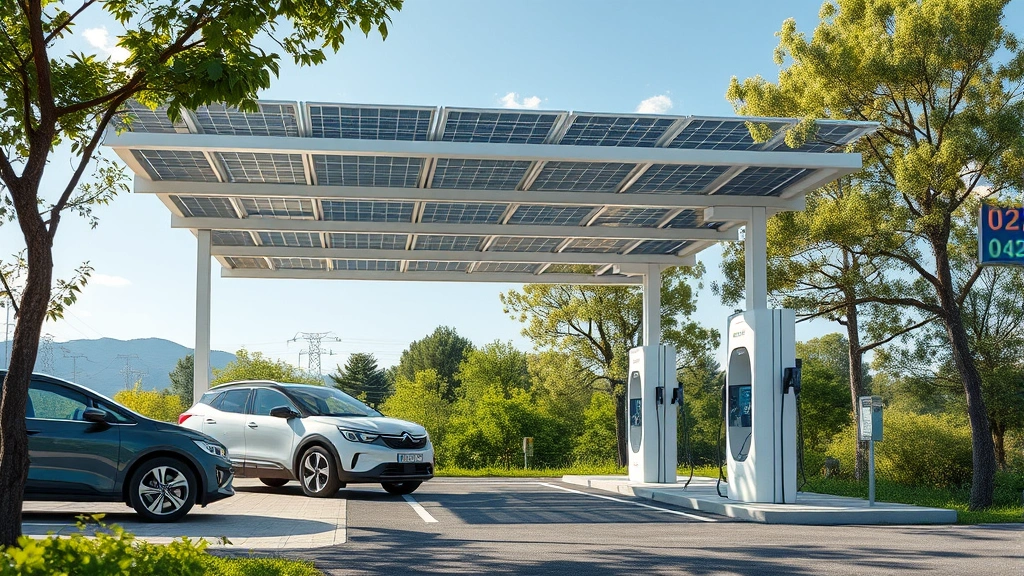
Transitioning to Electric Vehicles: The most impactful long-term solution is exploring advantages of electric vehicles. EVs eliminate fuel entirely, remove the possibility of siphoning, and dramatically reduce environmental impact. With improving charging infrastructure and decreasing costs, electric vehicles are increasingly practical for most drivers.
Public Transportation and Alternative Mobility: Reducing personal vehicle use through public transit, carpooling, cycling, or walking addresses the root problem. These approaches reduce overall fuel consumption and environmental impact far more effectively than optimizing how gasoline is transferred between vehicles.
Exploring Green Technology Innovations: Beyond electric vehicles, green technology innovations are transforming transportation. Hydrogen fuel cells, advanced biofuels, and hybrid technologies offer intermediate steps toward complete fossil fuel elimination.
For those seeking current fuel options, understanding gas prices state by state helps identify the most economical legitimate fuel purchases, reducing financial pressure that might otherwise encourage siphoning.
FAQ
Is siphoning gas illegal?
In most U.S. jurisdictions, siphoning gas from another person’s vehicle without permission is theft, making it illegal. Additionally, many states have regulations specifically prohibiting mouth siphoning due to health hazards. Even siphoning from your own vehicle can be illegal in some areas due to environmental protection laws.
How much fuel is lost to evaporation during siphoning?
The amount varies based on temperature, humidity, and siphoning duration, but typically 10-50 milliliters of fuel can evaporate during the transfer of just 5-10 gallons. This represents both wasted fuel and atmospheric pollution.
What’s the environmental impact of a single siphoning incident?
A single incident might seem minor, but it contributes to cumulative damage. The evaporative emissions are equivalent to driving several miles in a gasoline vehicle. If spillage occurs, soil and groundwater contamination can persist for years.
Are hand-pump siphons more eco-friendly than mouth siphoning?
Hand pumps are marginally better because they eliminate direct ingestion hazards and might reduce some spillage risk. However, they still result in significant evaporative losses and don’t address the fundamental environmental problems with the practice.
What should I do if I run out of gas?
Call a professional roadside assistance service, use a fuel delivery app, or contact local authorities for help. These options are safer, more legal, and less environmentally damaging than siphoning. Plan future trips to maintain adequate fuel levels and avoid this situation.
Can siphoning be done sustainably?
No. While minimizing damage through careful procedures (using pumps instead of mouth siphoning, preventing spillage) reduces harm, the fundamental act of siphoning remains environmentally problematic. True sustainability requires avoiding the practice entirely and transitioning to alternative transportation methods.
How does siphoning compare to other fuel-related environmental issues?
While individual siphoning incidents might seem minor compared to large-scale petroleum extraction or refining, they represent a broader problem: casual acceptance of fuel-dependent practices without considering alternatives. The real environmental solution involves systemic changes, including adoption of advantages of electric vehicles and sustainable energy solutions.
What about siphoning in emergency situations?
True emergencies may justify siphoning when no other options exist and human safety is at stake. However, these situations should be rare. Even then, use modern pump systems, minimize spillage, and clean up any fuel that escapes. Most situations people consider emergencies have practical alternatives that are both safer and more environmentally responsible.
Conclusion: Gas siphoning is fundamentally incompatible with environmental responsibility and sustainability principles. It contributes to air pollution through fuel evaporation, risks soil and water contamination through spillage, and perpetuates dependence on fossil fuels. Rather than engaging in siphoning—whether out of convenience or financial pressure—individuals committed to environmental stewardship should explore legitimate fuel delivery services, improve trip planning to prevent fuel depletion, and ultimately transition toward cleaner transportation options. The path to genuine sustainability lies not in optimizing how we transfer gasoline, but in moving beyond gasoline entirely.


