
Car Gas Smell? Mechanic’s Insights on Causes, Fixes, and Sustainable Solutions
A persistent gasoline smell inside or around your vehicle is more than just an unpleasant odor—it’s often a warning sign that something needs attention. Whether you’re noticing the scent while driving, parked in your garage, or during fuel-ups, understanding the root cause is essential for your safety, vehicle longevity, and environmental responsibility. As mechanics and sustainability experts agree, addressing fuel-related issues promptly prevents leaks that contaminate soil and groundwater, making this both a personal and planetary concern.
In this comprehensive guide, we’ll explore the most common reasons behind that telltale gas smell, what mechanics look for during diagnostics, and practical solutions you can implement. We’ll also discuss how maintaining your vehicle properly contributes to reducing your environmental footprint and why considering advantages of electric vehicles might be worth exploring for your next purchase.
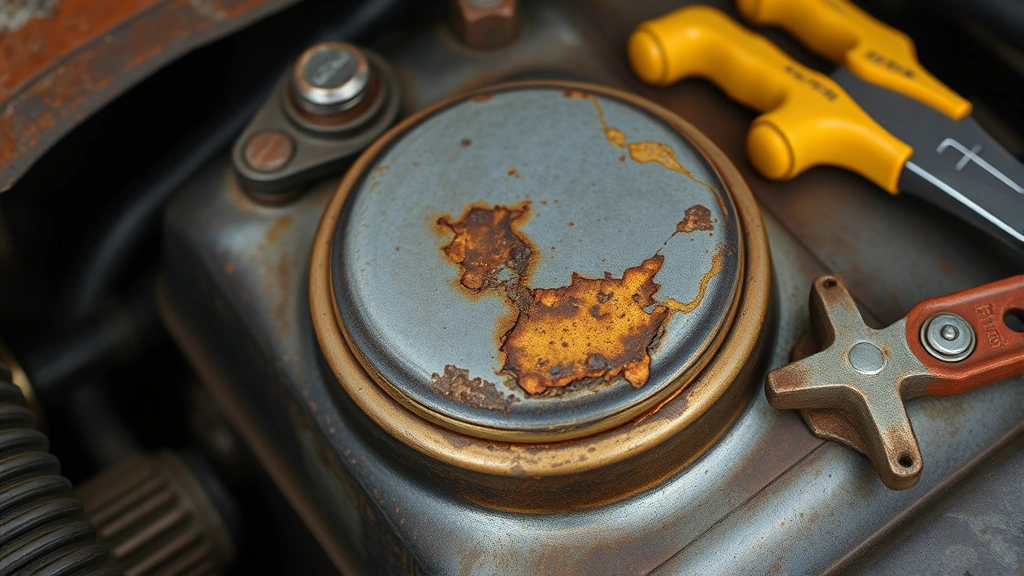
Common Causes of Gas Smell in Cars
The smell of gasoline in or around your vehicle can stem from various sources, each requiring different approaches. Understanding these causes helps you communicate effectively with your mechanic and take appropriate action. Let’s break down the most frequent culprits:
Flooded Engine is one of the most common and benign causes. When you attempt to start your car multiple times without success, excess fuel accumulates in the combustion chamber. This creates a strong gas smell, particularly noticeable near the exhaust. Modern vehicles with fuel injection systems are less prone to this issue than older carbureted models, but it still happens, especially in cold weather. The solution is simple: wait a few minutes before trying to start again, allowing excess fuel to evaporate.
Leaking Fuel Injectors represent a more serious concern. Fuel injectors spray precise amounts of gasoline into the engine cylinders. When they leak, unburned fuel drips into the combustion chamber, creating a strong smell and reducing fuel efficiency. Mechanics can diagnose this through computer diagnostics and visual inspection. Common symptoms include rough idling, poor fuel economy, and that persistent gas odor.
Damaged Fuel Tank or Lines are critical issues requiring immediate attention. Over time, fuel tanks can develop rust, corrosion, or small cracks, especially in older vehicles or those exposed to salt and moisture. Fuel lines, made of rubber or metal, can deteriorate, split, or disconnect. These leaks not only create unpleasant odors but pose serious safety and environmental risks. Even small leaks waste fuel and contaminate groundwater.
Worn Fuel Pressure Regulator controls the pressure at which fuel flows to the injectors. When it malfunctions, excess fuel can leak into the engine’s intake manifold or return line, causing that distinctive smell. This component typically fails gradually, so you might notice increasing fuel odor over time.
Cracked or Loose Gas Cap is often overlooked but surprisingly common. Your gas cap serves as a seal preventing fuel vapors from escaping. A loose, cracked, or missing cap allows gasoline fumes to evaporate, creating an odor and triggering your check engine light. This is the easiest and cheapest fix—simply tighten or replace the cap.
Faulty Charcoal Canister absorbs fuel vapors from the tank, preventing them from entering the atmosphere. When this component fails, vapors escape, creating a gas smell around the vehicle. This is part of your vehicle’s emission control system, so a failing canister also means increased environmental pollution.
Fuel System Components and How They Fail
Understanding your vehicle’s fuel system helps you grasp why these smells occur and why addressing them matters. The fuel system is a carefully engineered network designed to safely store, pressurize, and deliver gasoline to your engine with precision.
The Fuel Tank is your system’s foundation. Modern fuel tanks are made from high-density polyethylene plastic or metal, designed to withstand pressure and resist corrosion. However, they’re not indestructible. Rust develops when moisture enters the tank, creating tiny holes. Road salt accelerates this process in cold climates. Plastic tanks can crack from impact damage or UV exposure. Manufacturing defects occasionally cause premature failure, leading to recalls.
Fuel Pumps sit inside the tank and pressurize gasoline, pushing it through the system. Electric pumps are reliable but can fail due to contaminated fuel, electrical issues, or simply age. A failing pump often produces a whining sound and may cause sputtering or difficulty starting. When they fail completely, your vehicle won’t start at all, but partial failure can allow fuel to leak back into the tank, creating pressure inconsistencies and odors.
Fuel Filters remove debris and water from gasoline before it reaches injectors. Clogged filters restrict flow, causing performance issues. Damaged filters can allow contaminants through, damaging injectors and other components. While filter failure doesn’t typically cause gas smell directly, it can contribute to injector problems that do.
Fuel Injectors and Rails operate under high pressure to atomize fuel into fine mist for combustion. These precision components are vulnerable to clogging and leaking. The fuel rail that delivers pressurized fuel to injectors can develop cracks or loose connections, causing leaks. Dirty fuel or water contamination accelerates injector failure.
Seals and O-rings throughout the fuel system prevent leaks at connection points. These rubber components degrade over time, especially when exposed to heat, cold, and fuel’s corrosive properties. A single failed seal can create a significant leak, though often the smell precedes substantial fuel loss.
Diagnostic Methods Mechanics Use
Professional mechanics employ systematic approaches to identify gas smell sources, ensuring accurate diagnosis and efficient repairs. Here’s what happens when you bring your vehicle to a shop:
Visual Inspection is the first step. A mechanic examines the fuel tank, lines, and connections for visible damage, rust, or leaks. They check the gas cap condition and tightness. They look for fuel residue or stains indicating slow leaks. This simple step often reveals the problem without further testing.
Fuel Pressure Testing uses specialized gauges to measure pressure at various points in the fuel system. Abnormal pressure readings indicate failing pumps, regulators, or blocked lines. This test is particularly useful for diagnosing leaking injectors or pressure regulator issues.
Computer Diagnostic Scanning accesses your vehicle’s onboard diagnostic system. Modern cars log fault codes related to fuel system performance. Codes might indicate lean or rich running conditions, oxygen sensor issues, or fuel pressure anomalies. These codes guide mechanics toward the problem area.
Smoke Test involves introducing smoke into the fuel system to reveal leaks. Smoke escaping from cracks or loose connections shows exactly where the problem exists. This method is particularly effective for pinpointing small leaks in lines and connections.
Fuel System Pressure Regulator Testing checks whether the regulator maintains correct pressure under various engine loads. A failing regulator shows inconsistent pressure readings.
Injector Flow Testing measures fuel delivery from each injector. Uneven flow between injectors indicates some are leaking or clogged. Fuel consumption testing can also reveal which cylinder is receiving excess fuel.
Repair Solutions and Prevention
Once mechanics identify the cause, repairs range from simple to complex. Understanding these solutions helps you make informed decisions about your vehicle’s maintenance.
Gas Cap Replacement is the easiest fix. A new cap costs $10-30 and takes seconds to install. If your check engine light appeared after you loosened your cap at a gas station, simply tightening or replacing it often resolves the issue.
Fuel Injector Cleaning can address minor clogging without replacement. Professional cleaning services use specialized solvents to dissolve deposits. For $50-100 per injector, this is cheaper than replacement ($300-900 per injector). However, if injectors are leaking rather than clogged, replacement is necessary.
Fuel Pressure Regulator Replacement typically costs $200-400 in labor plus parts. This is a moderate repair that restores proper fuel system pressure and eliminates excess fuel smell.
Fuel Tank Repair or Replacement represents the most expensive scenario. Small leaks in metal tanks can sometimes be welded, costing $200-500. Plastic tank cracks might be sealed with epoxy. However, severe corrosion or damage usually requires full replacement, costing $1000-3000 depending on your vehicle. This is why fuel tank maintenance matters.
Fuel Line Replacement costs $150-400 depending on which lines need replacement. Modern fuel lines are more durable than older rubber hoses, but they still fail eventually.
Prevention Strategies are your best investment. Regular fuel system maintenance includes:
- Using quality fuel from reputable stations—cheap fuel contains more contaminants
- Keeping your fuel tank at least quarter-full to prevent rust formation inside the tank
- Replacing fuel filters according to manufacturer recommendations (typically every 30,000-50,000 miles)
- Checking your gas cap regularly and replacing it if damaged
- Having fuel system inspections as part of routine maintenance
- Addressing check engine lights promptly—they often indicate fuel system issues
- Protecting your vehicle from road salt and corrosive environments when possible
Understanding sustainable energy solutions also includes maintaining your current vehicle efficiently until replacement, reducing the environmental impact of manufacturing new cars.
Environmental Impact of Fuel Leaks
Beyond the inconvenience and cost, fuel leaks have serious environmental consequences. This is where the sustainability angle becomes crucial. Every gallon of gasoline that leaks from your vehicle enters soil and groundwater ecosystems.
Groundwater Contamination is the primary concern. Gasoline contains volatile organic compounds (VOCs) like benzene, toluene, and xylene. These chemicals are toxic to humans and wildlife. A single gallon of gasoline can contaminate up to one million gallons of groundwater. Communities relying on well water face serious health risks from contaminated supplies. Remediating contaminated groundwater costs millions and takes decades.
Soil Degradation occurs when fuel soaks into earth. These chemicals kill soil microorganisms essential for plant growth and nutrient cycling. Contaminated soil loses fertility and can render land unusable for agriculture or development. Soil remediation is expensive and time-consuming.
Air Quality Impact happens when fuel evaporates. Gasoline vapors contain VOCs that contribute to ground-level ozone formation, a major air pollutant. Ozone damages respiratory systems in humans and animals, harms plants, and contributes to climate change. Your vehicle’s charcoal canister prevents some emissions, but leaks bypass this system.
Ecosystem Harm extends beyond humans. Wildlife drinking from contaminated water sources or living in affected areas suffer poisoning and habitat loss. Aquatic ecosystems are particularly vulnerable to fuel contamination.
Addressing fuel leaks promptly is an environmental responsibility. This connects to broader definition of sustainability principles—meeting present needs without compromising future generations’ ability to meet theirs. Maintaining your fuel system prevents pollution and protects shared resources.
For those considering long-term environmental impact, exploring advantages of electric vehicles eliminates this concern entirely. EVs produce zero fuel leaks and dramatically reduce your transportation carbon footprint.
When to Seek Professional Help
While some issues like loose gas caps are DIY-friendly, most fuel system problems require professional attention. Here’s when to visit a mechanic:
Immediate Action Required:
- You see fuel pooling under your vehicle—this indicates active leaking
- You smell gas inside the cabin continuously—suggests interior fuel system issues
- Your vehicle won’t start or sputters frequently—possible fuel pump failure
- You notice fuel smell after an accident—damage may have compromised fuel system integrity
- Your check engine light illuminates with fuel-related codes
Urgent but Not Emergency:
- Persistent gas smell with no visible leak—requires diagnostic testing
- Decreased fuel economy without explanation—could indicate injector leaks
- Rough idling or hesitation during acceleration—suggests fuel delivery issues
- Gas smell that worsens over time—indicates progressive component failure
Choosing the Right Mechanic:
Not all mechanics have equal fuel system expertise. Look for certified technicians with ASE (Automotive Service Excellence) certification, particularly in fuel system specialization. Ask about their diagnostic equipment—modern fuel system diagnosis requires computerized testing capability. Check reviews and ask friends for recommendations. A good mechanic explains findings clearly, provides written estimates, and discusses repair options.
Dealerships often charge more but have manufacturer-specific training and access to original parts. Independent shops may be less expensive but vary in quality. Chain repair shops fall somewhere between. For fuel system work, prioritize expertise over price—improper repairs can be dangerous.
Understanding principles of sustainability in vehicle maintenance means keeping your car running efficiently and safely, extending its lifespan and reducing the environmental impact of manufacturing replacement vehicles.
FAQ
Is a gas smell in my car always dangerous?
Not always, but it warrants investigation. A flooded engine or loose gas cap creates smell without immediate danger. However, fuel leaks pose fire hazards and health risks. If you also see fuel pooling or experience difficulty starting, seek help immediately. When in doubt, have a mechanic inspect—it’s better to be safe.
Can I drive my car if it smells like gas?
That depends on the cause. A loose gas cap? Yes, tighten it and continue. Flooded engine? Yes, wait a few minutes and try starting again. Visible fuel leak or fuel smell inside the cabin? No—pull over safely and call for assistance. Fuel system issues can worsen quickly, potentially causing fires or leaving you stranded.
How much does fuel system repair typically cost?
Costs vary dramatically. Gas cap replacement: $10-30. Fuel injector cleaning: $50-100 per injector. Pressure regulator: $200-400. Fuel line replacement: $150-400. Fuel tank replacement: $1000-3000. Get a detailed estimate from your mechanic before authorizing work.
What’s the difference between fuel smell inside and outside the car?
Outside smell suggests external leaks from tank, lines, or connections. Inside smell indicates fuel entering the cabin, possibly from a flooded engine, leaking injectors, or damaged charcoal canister. Inside smell is generally more concerning as it means fuel vapors are entering your breathing space.
How can I prevent fuel system problems?
Keep your fuel tank at least quarter-full, use quality fuel, replace fuel filters regularly, maintain proper tire pressure, address check engine lights promptly, and have regular inspections. Avoid topping off your tank (excess fuel enters the charcoal canister), and protect your vehicle from road salt and extreme weather when possible.
Should I use fuel system cleaners to fix gas smell?
Fuel system cleaners can help with minor injector clogging but won’t fix leaks or failed components. They’re preventative maintenance, not repair solutions. If your problem is a leaking injector or fuel line, cleaners won’t help—you need mechanical repair. Consult your mechanic before using additives.
How does maintaining my fuel system relate to sustainability?
Proper fuel system maintenance prevents leaks that contaminate groundwater and soil. It also improves fuel efficiency, reducing emissions and your carbon footprint. Well-maintained vehicles last longer, reducing manufacturing waste from replacement cars. For maximum environmental benefit, consider advantages of electric vehicles for your next purchase, and visit the SustainWise Hub Blog for more eco-friendly transportation tips.
Can a fuel smell indicate other problems besides leaks?
Yes. Flooded engines, failed oxygen sensors, clogged fuel filters, and faulty emission control components can all cause gas smell without leaking. This is why proper diagnosis matters—different causes require different solutions.


