Eco-Friendly Gas Stations? Industry Insights on Sustainable Fuel and Food Services
The gas station industry stands at a critical crossroads. As climate concerns intensify and consumer preferences shift toward sustainability, traditional fuel retailers are reimagining their business models. But can gas stations truly become eco-friendly, especially when it comes to the food and beverage services that generate significant revenue? This exploration examines the current landscape of sustainable gas stations, the challenges they face, and the innovations reshaping this sector.
Gas stations have long been symbols of convenience, but their environmental impact extends far beyond fuel sales. The food offerings at these locations—often high-calorie, heavily packaged convenience items—contribute to both personal health challenges and environmental waste. As we transition toward cleaner energy through electric vehicles and alternative fuels, the entire gas station ecosystem must evolve. Understanding this transformation requires examining current practices, emerging technologies, and the role consumers play in driving change.
The Current State of Gas Station Sustainability
Traditional gas stations represent one of the least sustainable sectors in retail. Most operate with minimal environmental accountability, relying on fossil fuel sales as their primary revenue stream. However, this landscape is shifting. Progressive retailers now recognize that sustainability isn’t merely an ethical obligation—it’s a competitive advantage. The transition toward sustainable energy solutions fundamentally reshapes what gas stations must become.
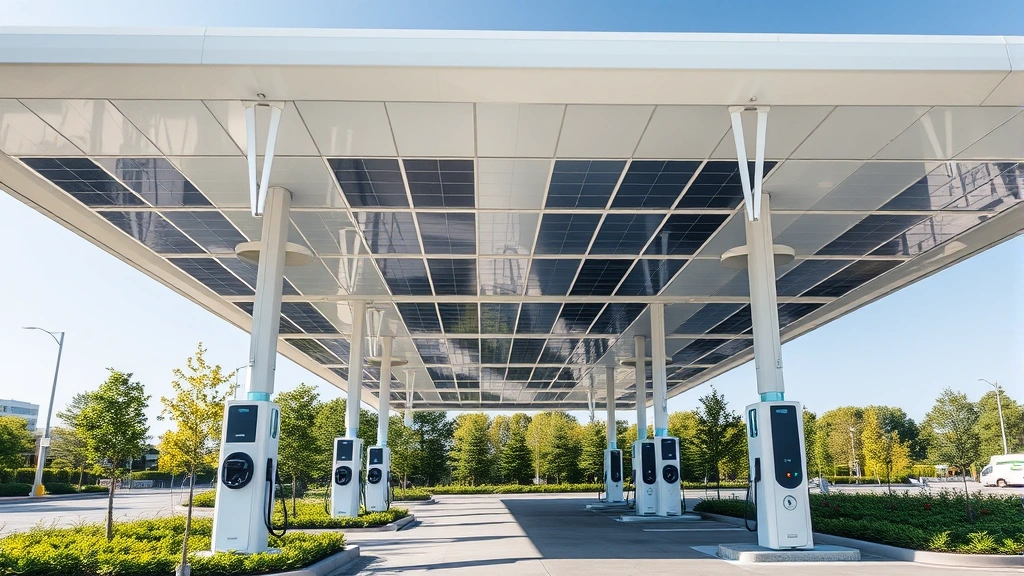
Leading stations are installing electric vehicle charging infrastructure, a critical first step in their sustainability journey. Networks like Tesla’s Supercharger and third-party providers are establishing charging hubs at convenient locations. Some traditional fuel retailers have partnered with charging networks, creating hybrid stations that serve both internal combustion and electric vehicles. This dual approach acknowledges the reality that complete electrification will take decades while positioning companies for the future.
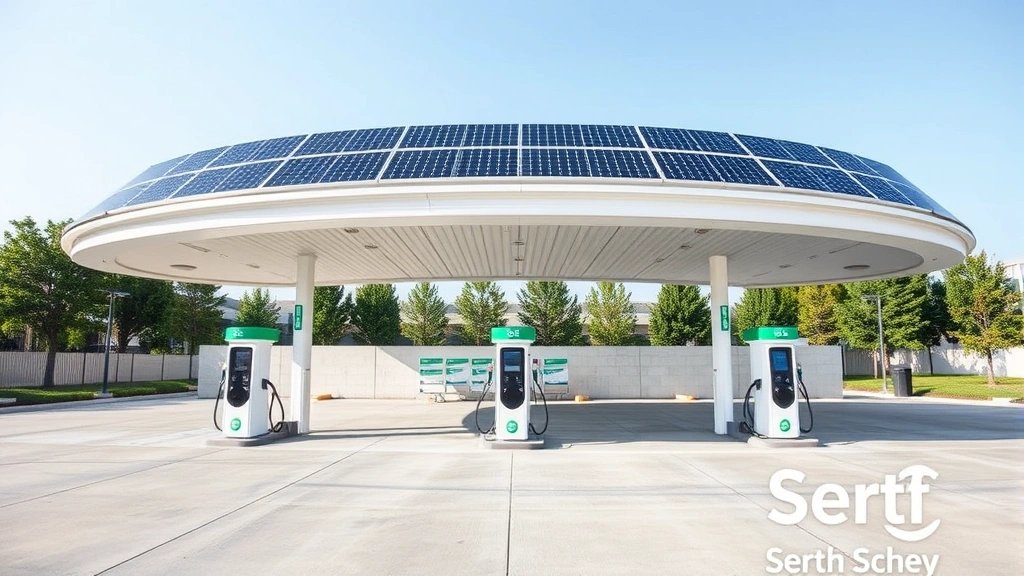
Beyond charging infrastructure, forward-thinking stations are implementing energy-efficient lighting systems using LED technology, installing solar panels to offset electrical consumption, and upgrading HVAC systems with modern, high-efficiency equipment. Water conservation measures, including automated shutoff systems in restrooms, represent another avenue for environmental improvement. These modifications reduce operational costs while demonstrating genuine commitment to environmental stewardship.
Food Services and Environmental Impact
Gas station food represents a particularly challenging sustainability issue. The typical convenience store model relies on pre-packaged, individually wrapped items—donuts in plastic containers, sandwiches in foam clamshells, beverages in single-use bottles. This business model generates enormous waste streams. A single busy gas station may produce several tons of packaging waste monthly, much of which ends up in landfills.
The food supply chain itself carries substantial environmental costs. Many gas station items travel long distances, requiring refrigeration and transportation energy. Fresh food spoilage rates are high in convenience settings, leading to unnecessary waste. Additionally, the typical gas station food offerings—high in sodium, sugar, and saturated fats—contribute to public health challenges that create broader societal environmental costs through healthcare resource consumption.
Progressive stations are addressing these challenges through several strategies. Some are partnering with local suppliers to reduce transportation distances and carbon footprints. Others are introducing bulk dispensing systems for coffee, reducing the need for individual paper cups and plastic lids. A few innovative locations now offer fresh, locally-sourced food options prepared on-site, eliminating excessive packaging while supporting regional economies.
Compostable packaging represents another advancement. Stations switching to plant-based, compostable containers for food items reduce landfill impact significantly. However, this requires customers to have access to proper composting facilities—a limitation in many areas. Digital menus and online ordering systems can reduce impulse purchases and food waste while improving customer convenience.
” alt=”Solar panels on gas station roof with EV charging stations in foreground”>
Renewable Fuel Infrastructure Development
The future of gas stations increasingly involves alternative fuels beyond electricity. Hydrogen fuel cell technology represents one promising frontier. Several demonstration stations across California and Europe now offer hydrogen fueling, though infrastructure remains limited. Hydrogen vehicles produce only water vapor as emissions, making them genuinely zero-emission when hydrogen is produced from renewable sources.
Biofuels present another pathway. Ethanol and biodiesel, derived from agricultural feedstocks, can reduce lifecycle carbon emissions compared to conventional petroleum. Many stations already blend ethanol into gasoline—typically 10% by volume. Higher blends, like E85 (85% ethanol), are available at select locations. While biofuels aren’t perfectly sustainable—agricultural production carries environmental costs—they represent a transitional step toward truly clean transportation.
Compressed natural gas (CNG) stations have expanded in fleet-focused markets. Though natural gas is still a fossil fuel, it produces fewer emissions than gasoline. This infrastructure serves commercial fleets transitioning toward cleaner options before full electrification becomes economically viable. Understanding what true sustainability means helps contextualize these intermediate solutions.
Progressive stations are diversifying their fuel offerings strategically. Rather than abandoning traditional fuel pumps immediately, they’re adding alternative fuel infrastructure incrementally. This approach acknowledges market realities while positioning companies for long-term viability. The most forward-thinking operators view their stations as energy distribution hubs rather than simply gasoline retailers.
Green Technology Innovations at Pumps
Beyond fuel type, the pump infrastructure itself is becoming more sustainable. Modern pumps incorporate digital payment systems that reduce paper receipt waste. Many stations now offer cardless payment and digital receipts, eliminating millions of paper slips annually. This seemingly minor change represents significant waste reduction across the industry.
Vapor recovery systems installed at modern pumps prevent fuel vapors from escaping into the atmosphere during refueling. These systems capture volatile organic compounds that contribute to air pollution and climate change. Though many jurisdictions mandate vapor recovery, stations that exceed minimum requirements demonstrate genuine environmental commitment.
Intelligent pump technology now provides real-time fuel quality monitoring and optimization. Some systems adjust fuel blends based on seasonal requirements, reducing unnecessary additives and improving efficiency. Smart pumps also track fuel dispensing accuracy, reducing spillage and environmental contamination.
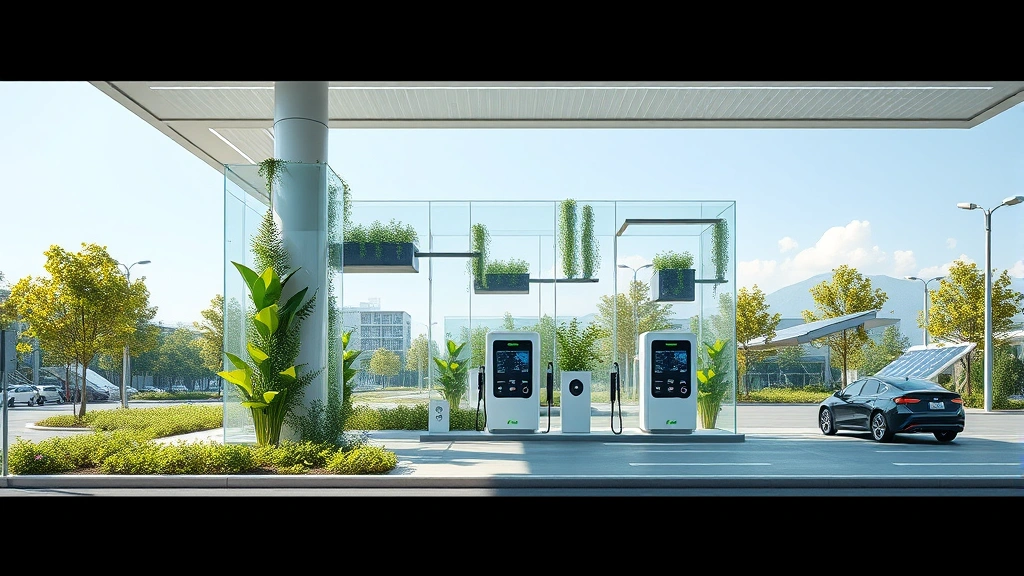
Renewable energy powers many progressive stations. Solar canopies over pump islands generate electricity while providing weather protection to customers. Wind power partnerships, where stations purchase renewable energy from local wind farms, represent another approach. Some stations achieve carbon neutrality through comprehensive renewable energy procurement and carbon offset programs.
” alt=”EV charging stations under solar panel canopy with modern aesthetic design”>
Packaging and Waste Reduction Strategies
Addressing packaging waste requires systemic change across the gas station industry. Leading operators are implementing comprehensive waste reduction programs. Reusable cup programs incentivize customers to bring personal containers for beverages, offering discounts as motivation. Some stations partner with local recycling programs, ensuring that recyclable materials are processed properly rather than landfilled.
Bulk dispensing systems for commonly purchased items represent significant waste reduction opportunities. Coffee, fountain beverages, and even some snacks can be dispensed into customer-provided containers. This eliminates the single-use cup problem that plagues the industry. Digital signage promoting reusable container usage educates customers about environmental benefits.
Supply chain optimization reduces packaging at the source. Stations working directly with suppliers can specify minimal, recyclable, or compostable packaging. Purchasing larger quantities in bulk reduces per-unit packaging compared to individually wrapped items. Strategic inventory management minimizes food spoilage and associated waste.
Waste segregation and recycling programs ensure that materials are properly processed. Dedicated recycling bins for aluminum, plastic, and cardboard increase diversion rates from landfills. Some progressive stations compost organic waste from food service operations. Tracking and reporting waste metrics creates accountability and identifies improvement opportunities.
Consumer Choices and Market Demand
Consumer preferences increasingly drive sustainability in the gas station sector. Surveys consistently show that younger demographics prioritize environmental responsibility when making purchasing decisions. This demographic shift creates market incentives for stations to adopt sustainable practices. Stations that prominently advertise environmental initiatives attract environmentally conscious customers willing to pay modest premiums for sustainable options.
Educational initiatives help customers understand the environmental impact of their choices. In-station signage explaining the benefits of reusable containers, the sourcing of food items, and the environmental advantages of EV charging builds awareness. Digital platforms and mobile apps can provide detailed sustainability information, helping customers make informed decisions aligned with their values.
Community engagement programs strengthen customer relationships while advancing sustainability goals. Stations sponsoring local environmental cleanups, tree-planting initiatives, or renewable energy education build brand loyalty and demonstrate genuine commitment beyond marketing. These programs create positive associations between the station brand and environmental stewardship.
Transparency about sustainability metrics—carbon emissions, waste diversion rates, renewable energy percentages—builds consumer trust. Third-party certifications from organizations like the EPA provide independent verification of environmental claims. Stations pursuing LEED certification or similar standards demonstrate measurable commitment to sustainability standards.
Economic Viability of Eco-Friendly Operations
A critical question confronts sustainability advocates: can eco-friendly gas stations operate profitably? The evidence increasingly suggests yes, though with important caveats. Initial capital investments in renewable energy infrastructure, EV charging equipment, and waste management systems are substantial. However, operational cost savings often offset these investments within 5-10 years.
Energy costs represent major operating expenses for gas stations. Solar panels and renewable energy contracts reduce these costs significantly. LED lighting consumes 75% less energy than traditional lighting. Water conservation measures reduce utility bills. These operational savings directly improve profit margins while reducing environmental impact.
Customer loyalty programs built around sustainability initiatives increase revenue. Stations offering discounts for reusable containers, rewards for EV charging, or loyalty points for purchasing locally-sourced food create repeat customer bases. Higher customer lifetime value justifies investments in sustainable infrastructure.
Premium pricing for sustainable products works when customers perceive genuine value. Organic snacks, fair-trade coffee, and locally-sourced prepared foods command higher prices that customers willingly pay. This premium pricing improves margins while supporting sustainable supply chains. The key is authentic commitment—customers quickly detect and reject greenwashing.
Regulatory incentives increasingly support eco-friendly operations. Tax credits for EV charging installation, rebates for renewable energy systems, and grants for waste reduction programs reduce net investment costs. Some jurisdictions offer accelerated depreciation schedules for sustainability equipment, improving financial returns. Understanding green technology innovations helps operators identify available incentives.
Employee recruitment and retention improve at stations with strong sustainability practices. Workers take pride in contributing to environmental solutions. Training programs on sustainable practices build employee expertise and engagement. Lower turnover reduces recruitment and training costs while improving service quality.
Risk mitigation represents another financial benefit. As climate regulations tighten and fossil fuel demand declines, stations diversifying into renewable energy and EV infrastructure reduce long-term business risk. Early movers in sustainability positioning gain competitive advantages as market conditions shift. Consulting strategies for reducing environmental footprints helps operators implement practical changes.
The Path Forward for Gas Station Sustainability
The transformation of gas stations toward sustainability isn’t simply an environmental imperative—it’s an economic necessity. As vehicle electrification accelerates and climate regulations intensify, the traditional gas station model becomes increasingly untenable. Smart operators are already transitioning toward energy distribution hubs that serve electric vehicles, alternative fuels, and sustainable food services.
This transition requires investment, innovation, and commitment to genuine sustainability rather than superficial greenwashing. Stations that authentically embrace environmental responsibility—through renewable energy, waste reduction, sustainable food sourcing, and community engagement—build customer loyalty and long-term profitability. Those clinging to outdated models face declining relevance in an increasingly environmentally conscious marketplace.
Consumers play a crucial role in accelerating this transformation. By supporting stations with genuine sustainability commitments, choosing reusable containers, selecting locally-sourced food options, and embracing electric vehicles, customers create market incentives for continued improvement. The choices made at gas stations today shape the environmental legacy for future generations.
Visit the SustainWise Hub Blog for more insights on sustainability trends across industries. Understanding how sustainable energy solutions are revolutionizing transportation helps contextualize the gas station transformation. Learning about global energy transitions from the International Energy Agency provides broader perspective on industry changes.
FAQ
Are eco-friendly gas stations more expensive to operate?
Initially, yes—renewable energy infrastructure and sustainable equipment require capital investment. However, operational cost savings through reduced energy consumption, lower water usage, and improved waste management typically offset initial investments within 5-10 years. Long-term profitability often exceeds traditional stations due to lower utility costs and premium pricing for sustainable products.
Can gas stations realistically eliminate single-use packaging?
Complete elimination is challenging but increasingly feasible. Bulk dispensing systems, reusable container incentive programs, and partnerships with compostable packaging suppliers significantly reduce single-use items. Success requires customer participation and infrastructure investment, but progressive stations demonstrate that substantial reduction is achievable.
What role do electric vehicle charging stations play in gas station sustainability?
EV charging represents the most significant sustainability transition for gas stations. As vehicle electrification accelerates, stations offering charging infrastructure position themselves for long-term viability while supporting the clean energy transition. Stations combining EV charging with renewable energy generation maximize environmental benefits.
How can consumers identify genuinely sustainable gas stations?
Look for third-party certifications, transparent sustainability reporting, renewable energy investments, EV charging infrastructure, sustainable food sourcing, and comprehensive waste reduction programs. Stations with genuine commitment communicate environmental practices clearly and can substantiate claims with data. Be cautious of vague environmental claims without supporting evidence.
Will traditional gas stations disappear completely?
Not immediately, but their role will diminish significantly. The transition to electric vehicles will take several decades, during which many traditional stations will operate. However, stations that don’t diversify into alternative fuels and EV charging face declining relevance as electrification accelerates. The gas station concept will evolve rather than disappear entirely.
How do renewable energy sources power gas station operations?
Solar panels installed on station roofs or canopies generate electricity for facility operations. Wind power partnerships allow stations to purchase renewable energy from local wind farms. Some stations combine multiple renewable sources with battery storage systems to ensure consistent power availability. Grid connections supplement renewable generation during peak demand periods.


