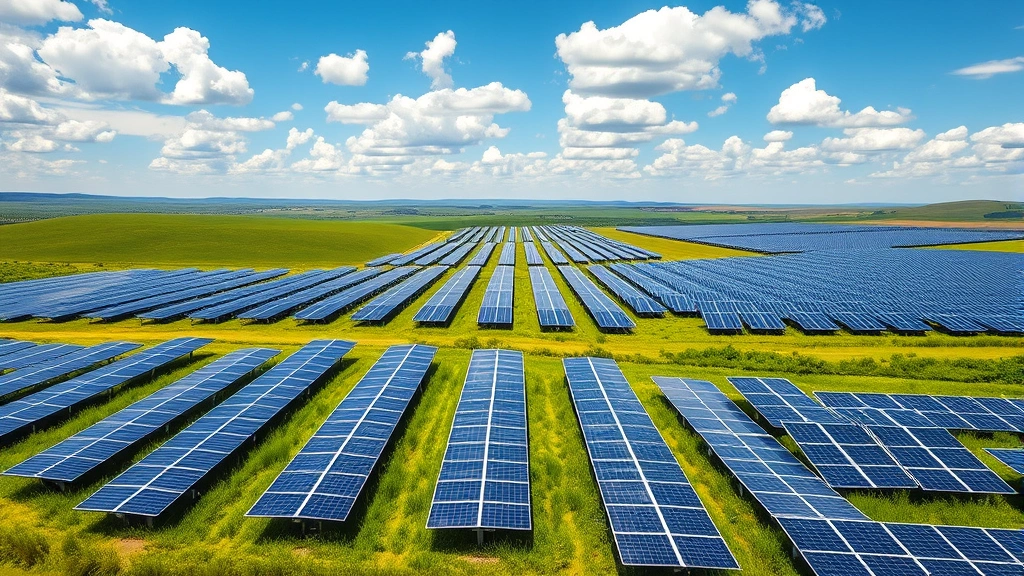
Is Green Energy the Future? Industry Insights and Market Transformation
The global energy landscape is undergoing a seismic shift. As climate change accelerates and renewable technology costs plummet, green energy has transitioned from a niche concern to a mainstream economic force. But is it truly the future, or merely a significant chapter in our energy story? The answer lies in understanding current market trends, technological breakthroughs, and the real-world challenges facing the renewable energy sector.
Whether you’re an investor, business owner, or environmentally conscious consumer, understanding green energy’s trajectory is essential. This comprehensive analysis explores industry insights that reveal how renewables are reshaping energy markets worldwide, and why the transition to clean energy represents both unprecedented opportunity and genuine complexity.
The Current State of Green Energy Markets
Global renewable energy capacity has reached unprecedented levels. According to the International Energy Agency, renewables accounted for nearly 30% of global electricity generation in 2023, with solar and wind leading the charge. This represents a fundamental shift in how humanity generates power.
The transition isn’t uniform across regions. Developed nations like Denmark, Germany, and Uruguay have achieved renewable penetration rates exceeding 50%, while developing countries are increasingly leapfrogging traditional fossil fuel infrastructure to embrace clean energy directly. China dominates manufacturing and deployment, installing more solar capacity annually than Europe generates from all sources combined.
For those in the energy sector considering business transitions, understanding these market dynamics is crucial. If you’re researching options like gas station for sale near me, it’s worth considering how your location’s energy future might evolve. Many forward-thinking entrepreneurs are converting traditional fuel stations into electric vehicle charging hubs, positioning themselves at the intersection of legacy and emerging markets.
The renewable energy market grew by approximately 45% in 2023, with global investments exceeding $2.8 trillion. This growth trajectory suggests that green energy isn’t a passing trend but a fundamental restructuring of global energy systems. Major oil companies are now investing billions in renewable projects, signaling a strategic pivot by industry titans.
Technological Innovations Driving Growth
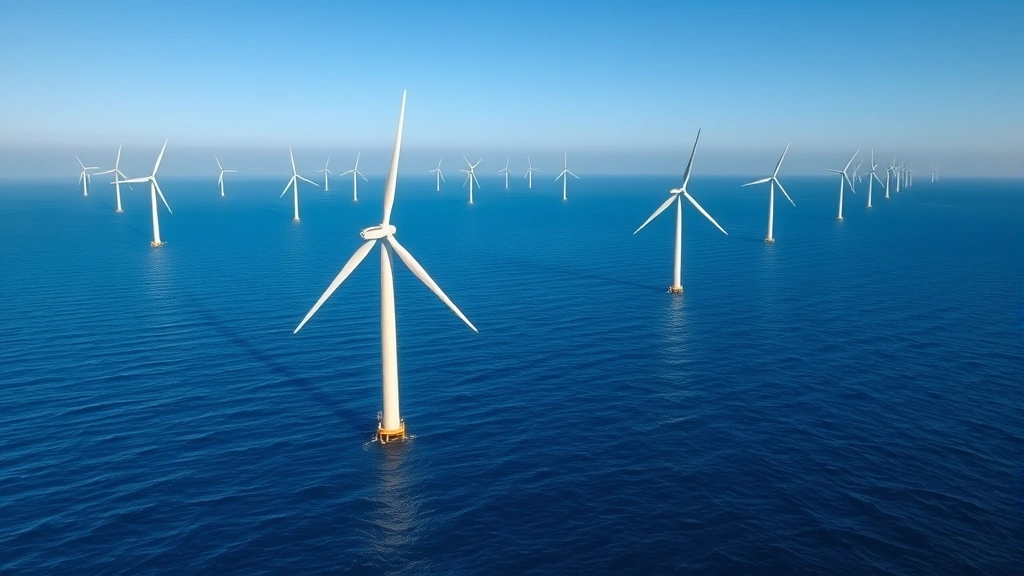
Breakthrough technologies are making renewable energy increasingly efficient and cost-competitive. Solar panel efficiency has improved from 15% to over 22% in the past decade, while costs have declined by 90% since 2010. Wind turbines now generate electricity at heights exceeding 260 meters, capturing stronger winds and producing more consistent power.
Battery storage technology represents perhaps the most critical innovation. Lithium-ion battery costs have fallen 89% over the past decade, fundamentally changing renewable viability. Energy storage solutions enable solar and wind to provide reliable baseload power, addressing the intermittency challenges that historically limited renewable adoption. Green technology innovations continue accelerating this transformation.
Emerging technologies promise even greater breakthroughs. Perovskite solar cells demonstrate potential for 30%+ efficiency at a fraction of silicon costs. Floating offshore wind farms unlock vast untapped resources. Green hydrogen production through electrolysis could revolutionize heavy industry, aviation, and shipping—sectors currently dependent on fossil fuels.
Artificial intelligence and smart grid technology optimize energy distribution in real-time, matching generation with demand more efficiently than ever possible. These innovations create a self-reinforcing cycle where improved efficiency drives adoption, which accelerates innovation through increased investment and research focus.
Economic and Financial Trends
The economics of renewable energy have fundamentally shifted. In most markets, solar and wind now represent the cheapest electricity sources available—cheaper than coal, natural gas, or nuclear power. This economic reality transcends environmental ideology; it’s pure market economics driving the transition.
Investment patterns reflect this transformation. Venture capital funding for clean energy startups exceeded $60 billion in 2023. Traditional utilities, historically resistant to change, now allocate 20-30% of capital expenditures to renewables. This represents a dramatic reversal from just five years ago when fossil fuel investments dominated energy company portfolios.
The job market reflects green energy’s economic significance. Renewable energy now employs more people than fossil fuels in the United States. Solar installation, wind turbine maintenance, battery manufacturing, and grid modernization create diverse employment opportunities across skill levels and geographies. This economic dimension often influences business decisions—those investigating options like gas station conversion opportunities should recognize that renewable energy infrastructure development creates substantial economic activity.
Financial institutions are reshaping investment criteria around climate risk. Banks increasingly price in stranded asset risk for fossil fuel infrastructure, making renewable investments more attractive from a purely financial perspective. The Securities and Exchange Commission now requires climate risk disclosure, further incentivizing capital allocation toward sustainable energy sources.
Developing nations are capturing significant investment. India, Brazil, and Southeast Asian countries are attracting renewable energy capital at record rates, often with better economics than developed markets due to lower labor costs and abundant resources. This geographic diversification reduces systemic risk in global energy systems.
Infrastructure and Grid Modernization
The electrical grid—largely unchanged in fundamental architecture for a century—requires radical modernization to accommodate distributed renewable generation. Smart grids with real-time monitoring, demand response capabilities, and automated controls are being deployed globally. These systems optimize energy flow, reduce waste, and enable higher renewable penetration.
Transmission infrastructure represents a critical bottleneck. Renewable resources concentrate in specific locations: wind in coastal and plains regions, solar in sunny areas. Moving this power to demand centers requires substantial transmission expansion. The United States alone needs $2-3 trillion in grid modernization investment over the next two decades.
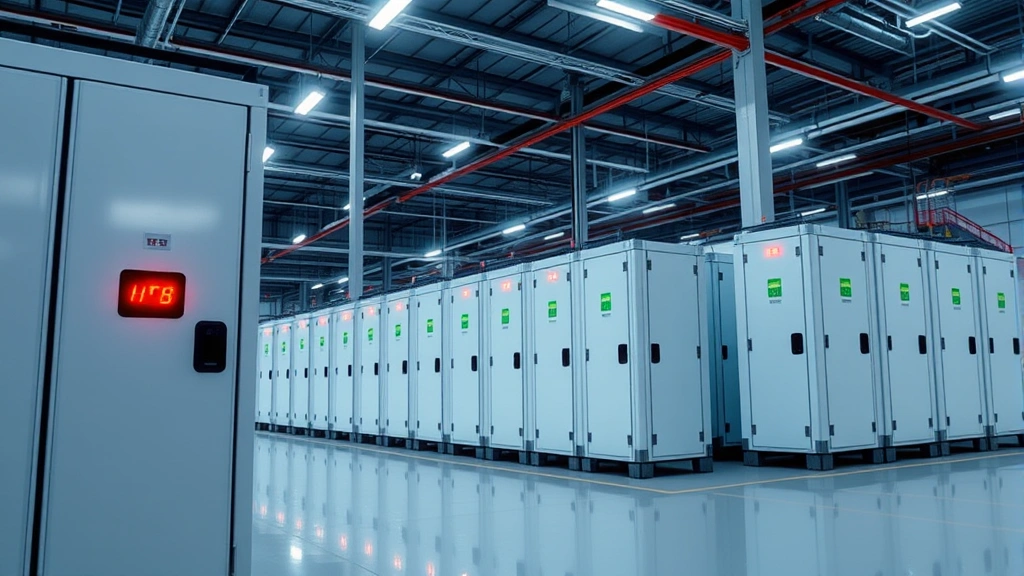
Battery storage deployment is accelerating rapidly. Grid-scale batteries now exceed 20 gigawatts globally, with projections suggesting 10x growth by 2030. These systems store excess renewable generation during peak production for use during demand peaks or low-generation periods, enabling reliable renewable-dominated grids.
Microgrids and distributed generation shift energy from centralized models toward localized systems. Communities increasingly generate their own power through rooftop solar and community wind projects. This distributed approach enhances resilience, reduces transmission losses, and democratizes energy access. Explore sustainable energy solutions relevant to your specific context.
Vehicle-to-grid technology represents an emerging infrastructure innovation. Electric vehicles can store and return power to grids, effectively creating distributed battery networks. As EV adoption accelerates, this capability could provide enormous flexibility to grid operators managing renewable intermittency.
Challenges and Realistic Obstacles
Despite remarkable progress, genuine challenges remain. Intermittency—the reality that sun doesn’t always shine and wind doesn’t always blow—requires either massive storage deployment or backup capacity. Current storage technology addresses this partially, but global deployment at required scales remains years away.
Rare earth mineral requirements for renewable technology create new supply chain vulnerabilities. Wind turbines require neodymium and dysprosium; solar panels and batteries require lithium, cobalt, and nickel. Geopolitical concentration of these resources, particularly China’s dominance in processing, creates potential bottlenecks and supply security concerns.
Grid stability challenges emerge as renewable penetration increases. Traditional power plants provide inertia—physical momentum in spinning generators that stabilizes frequency during disruptions. Renewable sources lack this property, requiring new technologies like synchronous condensers and advanced controls. Solving these technical challenges requires continued innovation and infrastructure investment.
Political and incumbent resistance persists in many regions. Fossil fuel industries invest heavily in opposing renewable policies. Regulatory capture—where regulated industries influence their regulators—slows transition progress in some jurisdictions. These political challenges often prove more difficult to overcome than technical obstacles.
Energy poverty and access equity concerns require attention. While renewable costs have fallen dramatically, upfront capital requirements remain substantial. Developing nations and low-income communities require innovative financing mechanisms to access clean energy benefits. Environmental sustainability examples demonstrate how communities worldwide navigate these challenges.
Material recycling infrastructure for renewable technology remains underdeveloped. As solar panels and wind turbines age, ensuring responsible recycling and resource recovery becomes critical. Developing circular economy approaches for renewable technology represents an essential sustainability imperative.
The Role of Policy and Regulation
Policy frameworks fundamentally shape renewable energy deployment. Supportive policies—feed-in tariffs, investment tax credits, renewable portfolio standards—accelerate adoption. Conversely, fossil fuel subsidies worth $7 trillion annually (when accounting for environmental costs) distort markets and slow transition progress.
International agreements establish frameworks for climate action. The United Nations Framework Convention on Climate Change and Paris Agreement commitments drive national renewable energy targets. However, enforcement mechanisms remain weak, and many countries fall short of stated goals.
Carbon pricing mechanisms—either carbon taxes or cap-and-trade systems—create economic incentives for clean energy adoption. The European Union’s Emissions Trading System represents the world’s largest carbon market, influencing energy decisions across Europe and internationally.
Regulatory frameworks for grid integration, interconnection standards, and utility business models require modernization. Traditional utility regulation assumes centralized generation; distributed renewable systems require new regulatory approaches. Progressive jurisdictions are redesigning regulations to enable rather than obstruct renewable deployment.
Workforce development and just transition policies address concerns about fossil fuel worker displacement. Comprehensive approaches that retrain workers and support affected communities build political support for energy transitions. These policies ensure that transformation benefits broadly rather than concentrating gains among early adopters.
Local and municipal initiatives often lead national policy. Cities implementing aggressive climate goals—like carbon neutrality by 2030—drive renewable adoption at scales that shape national trends. Municipal procurement power, building codes, and zoning regulations create markets for renewable technology and efficiency improvements.
Future Outlook and Timeline
Industry projections suggest renewables will comprise 45-50% of global electricity generation by 2030, reaching 80%+ by 2050 in developed nations. These timelines assume continued policy support and technological progress—both likely but not guaranteed. Accelerated deployment could compress these timelines; policy reversals could extend them.
Sector-specific transitions follow different timelines. Electricity generation transitions fastest, with fossil fuels potentially phased out entirely in some regions by 2035-2040. Transportation transitions more slowly; despite rapid EV growth, gasoline vehicles will likely persist through 2040-2050 given vehicle lifespans. Heavy industry and aviation face the greatest challenges, requiring technological breakthroughs in green hydrogen and sustainable aviation fuels.
The transition creates substantial investment opportunities. Renewable energy generation, battery storage, grid modernization, EV infrastructure, green hydrogen, and energy efficiency represent multi-trillion-dollar markets over the next two decades. Early investors and entrepreneurs positioning themselves strategically will capture disproportionate value.
Emerging markets offer particular opportunity. Africa, with abundant solar resources and minimal legacy infrastructure, could leapfrog developed nations in renewable deployment. Southeast Asia’s rapid electrification could follow renewable-first development models. This geographic shift in energy infrastructure development creates opportunities for investors, entrepreneurs, and workers in these regions.
Risk management increasingly incorporates climate and transition risks. Investors recognize that fossil fuel assets face stranded asset risk as energy systems transform. Conversely, renewable energy assets benefit from supportive policy and economic tailwinds. This risk-return dynamic will accelerate capital reallocation toward clean energy.
Technological convergence amplifies transformation speed. As environmental footprint reduction becomes economically rational rather than ethically motivated, adoption accelerates. Electric vehicles, renewable electricity, heat pumps, and electrified industrial processes create synergies that compound transition momentum.
Ultimately, green energy represents not just the future but an increasingly dominant present. The transition is underway, with momentum building rapidly. Success isn’t assured—policy reversals, technological setbacks, or geopolitical disruptions could alter trajectories. However, economic fundamentals, technological progress, and climate imperatives point clearly toward a renewable-dominated energy future within this century. Explore SustainWise Hub Blog for ongoing insights into this transformation.
FAQ
What percentage of global energy comes from renewables currently?
Renewables account for approximately 30% of global electricity generation as of 2023, though electricity represents only about 20% of total energy consumption. When accounting for all energy use (heating, transportation, industry), renewables comprise roughly 14% of global energy. This distinction matters because electricity transitions faster than other energy sectors.
Is renewable energy actually cheaper than fossil fuels?
Yes, in most markets solar and wind now represent the cheapest electricity sources available when comparing levelized cost of electricity (LCOE). However, this comparison typically excludes grid integration costs, storage requirements, and transmission infrastructure. When accounting for complete system costs, renewables remain competitive or superior to fossil fuels in most locations, and the advantage continues widening as costs decline.
What happens when the sun doesn’t shine and wind doesn’t blow?
This intermittency challenge is addressed through multiple approaches: battery storage, geographic diversity (wind and solar resources don’t correlate geographically), demand flexibility (shifting consumption to match generation), grid interconnection (sharing resources across regions), and backup generation. No single solution addresses intermittency entirely; effective systems combine multiple approaches.
How long until we can eliminate fossil fuels entirely?
Electricity generation could transition entirely to renewables within 10-15 years in favorable locations. However, global elimination faces longer timelines due to technological challenges in heavy industry, aviation, and shipping. Most credible analyses suggest 80%+ renewable energy globally by 2050, with remaining fossil fuel use concentrated in hard-to-decarbonize sectors.
What about rare earth minerals—won’t renewable energy create new environmental problems?
Renewable technology requires substantial mineral inputs, creating legitimate supply chain and environmental concerns. However, fossil fuel extraction also requires enormous mineral inputs while additionally consuming fuel resources. Developing responsible mining practices, improving recycling infrastructure, and advancing technologies requiring fewer rare materials address these concerns. The environmental impact of renewable technology remains substantially lower than fossil fuel systems over full lifecycle analysis.
Are renewable energy jobs sustainable and well-paying?
Renewable energy jobs span diverse skill levels and compensation ranges. Solar installation, electrical work, and manufacturing positions offer competitive wages. Engineering, project management, and advanced technical roles command premium compensation. Job growth in renewables exceeds fossil fuel employment growth dramatically, and transition support programs help workers shift between sectors.
What should investors focus on in renewable energy?
Investment opportunities span generation (solar, wind, hydro), storage (batteries, pumped hydro), grid modernization, electric vehicles, and green hydrogen. Geographic diversification, technology diversification, and exposure to both mature and emerging technologies balance risk. Understanding regulatory environments and political risks in specific jurisdictions is essential for evaluating investment potential.


