
Gas vs. Electric Ovens: Chef Insights and Sustainability Considerations
The kitchen debate between gas and electric cooking has intensified as both professional chefs and home cooks weigh performance, cost, and environmental impact. A gas stove double oven setup offers distinct advantages for serious cooks, yet modern electric alternatives are closing the gap with innovative technology and lower operational emissions. Understanding these differences helps you make an informed choice that aligns with your cooking style and sustainability values.
Professional kitchens have traditionally favored gas for its instant heat control and responsive flame, but residential cooking preferences vary widely. Whether you’re renovating your kitchen or upgrading appliances, this comprehensive guide examines both technologies through the lens of culinary performance, energy efficiency, and environmental responsibility. We’ll explore what chefs prioritize, how these systems impact your carbon footprint, and which option suits different cooking needs.
Why Chefs Prefer Gas Cooking
Professional chefs have championed gas cooking for decades because of unparalleled heat control and immediate responsiveness. When you adjust a gas flame, the temperature change happens instantly—critical for techniques like searing, sautéing, and sauce reduction. This tactile feedback allows experienced cooks to fine-tune temperatures without relying solely on thermostats or timers.
Gas burners also provide visible flames, enabling chefs to assess heat intensity at a glance. The radiant heat from an open flame creates distinctive cooking characteristics that many culinary professionals consider irreplaceable. For broiling and high-heat applications, gas remains unmatched in speed and precision. A gas stove double oven configuration amplifies these benefits by allowing simultaneous cooking at different temperatures—essential for preparing multiple dishes with varying requirements.
The psychological factor matters too. Many chefs report that cooking with flame feels more intuitive and connected to traditional culinary practices. This sensory engagement influences food quality, as immediate adjustments prevent overcooking and ensure optimal texture development. In professional kitchens where consistency and speed drive profitability, gas has remained the standard despite electrification trends elsewhere.
The Rise of Electric Oven Technology
Modern electric ovens have transformed dramatically over the past decade, incorporating convection systems, precise temperature controls, and innovative heating elements that rival traditional gas performance. Induction cooktops—a specific electric technology—have earned respect even among professional chefs for their speed and accuracy. Convection ovens circulate hot air efficiently, promoting even cooking and reducing overall cooking times by 25-30%.
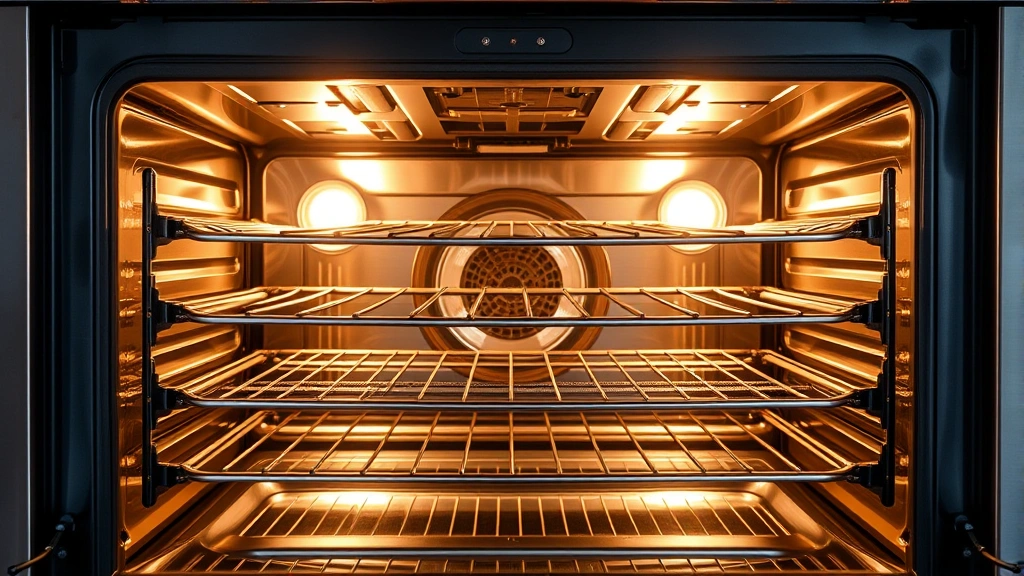
Electric double ovens now feature sophisticated controls allowing different temperatures in each chamber simultaneously, addressing a primary advantage historically held by gas. Ceramic and halogen cooktops offer rapid heat-up times approaching gas responsiveness. Digital controls provide repeatability that some chefs actually prefer, as recipes become more consistent across multiple preparations.
The energy efficiency of modern electric systems often compensates for perceived performance disadvantages. U.S. Department of Energy resources document that electric resistance ovens convert 70-80% of energy into heat, while gas ovens typically achieve 40-50% efficiency. This efficiency gap translates to lower utility bills and reduced environmental impact, factors increasingly important to environmentally conscious cooks.
Electromagnetic induction technology deserves special mention. Induction cooktops heat cookware directly through magnetic fields, bypassing air heating entirely. Water boils 30-50% faster on induction, and temperature control rivals gas burners. Many professional culinary schools now teach on induction equipment, signaling a generational shift in cooking methodology.
Energy Efficiency and Operating Costs
The operational cost comparison between gas and electric ovens depends heavily on regional utility rates and usage patterns. Where natural gas prices remain low, gas cooking offers cheaper operation despite lower efficiency. Conversely, in regions with abundant renewable electricity or high gas prices, electric ovens provide substantial savings. Consulting current gas prices around you helps establish baseline fuel costs for comparison.
A typical household using an oven five times weekly spends $150-250 annually on gas versus $100-180 on electricity, though these figures fluctuate significantly by location. Electric ovens eliminate standby energy losses associated with pilot lights in older gas models. Modern gas stoves still consume some energy for ignition systems and fans, but substantially less than operating the heating elements themselves.
Convection electric ovens reduce cooking times significantly, offsetting some energy consumption through shorter operation periods. A convection oven might use energy for 25 minutes while a conventional gas oven requires 35 minutes for identical results. Multiplied across hundreds of cooking sessions, this efficiency compounds into meaningful savings.
Installation costs often favor electric in existing homes, as gas line installation requires professional expertise and potentially structural modifications. Conversely, homes already equipped with gas lines find gas installation cheaper. Long-term maintenance costs tend to be lower for electric systems, which lack burner grates, control valves, and gas line components requiring periodic servicing.
When evaluating sustainable energy solutions for your kitchen, factor in your home’s overall energy profile. Homes with rooftop solar panels or renewable electricity plans gain additional benefits from electric cooking, as the power directly supports clean energy utilization.
Environmental Impact Analysis
The environmental calculus between gas and electric cooking extends beyond operating efficiency to encompass extraction, processing, transmission, and combustion impacts. Natural gas production involves methane extraction—a potent greenhouse gas with 80+ times the warming potential of CO2 over 20-year periods. Even small leaks throughout extraction and distribution networks contribute meaningfully to atmospheric methane concentrations.
Gas combustion in home ovens produces nitrogen oxides and carbon dioxide directly in your kitchen, contributing to both indoor air quality issues and outdoor pollution. EPA air quality documentation links indoor nitrogen oxide exposure to respiratory problems, particularly affecting children and elderly individuals. Proper ventilation mitigates this risk but adds energy costs through heat loss.
Electric ovens produce zero direct emissions, though their environmental impact depends entirely on electricity grid composition. In regions relying heavily on renewable sources—wind, solar, hydroelectric—electric cooking becomes genuinely clean. Even in areas with mixed grids containing fossil fuels, electric ovens typically outperform gas because centralized power plants operate more efficiently than individual home appliances.
The grid is steadily decarbonizing as renewable energy capacity expands. An electric oven purchased today becomes progressively cleaner over its 15-20 year lifespan as the electricity grid shifts toward renewables. Gas ovens maintain constant emissions profiles regardless of external energy developments, locking in their environmental impact.
Manufacturing impacts favor neither technology decisively. Both require metal fabrication, glass components, and electronic controls. However, electric ovens contain no gas-specific infrastructure, potentially reducing supply chain complexity. Recycling represents another consideration—both technologies contain recyclable metals, though electric ovens lack hazardous gas components.

Exploring how to reduce your environmental footprint includes kitchen appliance choices. Selecting electric ovens, particularly in regions with strong renewable energy infrastructure, represents a meaningful step toward household sustainability. Pairing this choice with energy-conscious cooking practices—using lids, batch cooking, and appropriate oven sizing—amplifies environmental benefits.
Double Oven Advantages
A gas stove double oven configuration offers compelling advantages for households regularly preparing multiple dishes simultaneously. Dual ovens enable cooking at different temperatures—perhaps roasting vegetables at 425°F while baking bread at 375°F. This flexibility transforms meal preparation efficiency, particularly for holiday cooking or meal-prep sessions.
Double oven setups reduce cooking time variability. Rather than sequential cooking requiring multiple hours, both ovens operate simultaneously, condensing preparation into single time blocks. For families or individuals who meal-prep extensively, this efficiency compounds significantly across weeks and months.
Professional bakers and serious home cooks particularly value double ovens for temperature precision. One oven might maintain exact temperature for delicate pastries while the other handles less temperature-sensitive dishes. This separation prevents temperature fluctuations from opening and closing doors, a common issue with single-oven cooking.
Modern double oven configurations come in gas, electric, or dual-fuel combinations. Dual-fuel models pair gas cooktops with electric ovens, capturing gas’s burner advantages alongside electric ovens’ superior baking precision and efficiency. This hybrid approach appeals to cooks seeking optimal performance across cooking methods.
Space considerations matter significantly. Double ovens require substantial kitchen real estate and may necessitate layout modifications. However, for serious cooks, this space investment yields genuine cooking advantages. Conversely, smaller households or apartments may find single ovens sufficient, potentially with convection features compensating for capacity limitations.
Installation and Safety Considerations
Installing a gas stove double oven requires professional expertise and adherence to local building codes. Gas line installation involves pressure testing, leak detection, and proper ventilation assessment. These requirements protect against carbon monoxide accumulation and gas leaks—legitimate safety concerns requiring certified technician involvement.
Electric oven installation involves electrical circuit assessment, potentially requiring dedicated circuits and upgraded service panels. While electrically simpler than gas installation, this work similarly demands professional expertise. Both technologies require proper ventilation, whether for gas combustion byproducts or cooking steam and heat dissipation.
Safety features differ between technologies. Gas ovens include ignition systems and safety valves preventing uncontrolled gas flow. Electric ovens incorporate heating element controls and automatic shut-off features. Both require proper ventilation hoods and clearance from flammable materials. Kitchens with young children may benefit from electric ovens’ lack of open flames, though both technologies present burn hazards.
Maintenance requirements vary substantially. Gas ovens require periodic inspection of burner ports, control valves, and gas lines. Mineral buildup in gas jets necessitates occasional cleaning. Electric ovens involve less maintenance but may require heating element replacement after extended use—typically a straightforward process.
Consulting local building departments ensures compliance with ventilation codes and electrical standards. Professional installers navigate these requirements, preventing costly mistakes and ensuring safety. Budget for professional installation rather than attempting DIY approaches with these critical kitchen systems.
Making Your Decision
Choosing between gas and electric ovens requires honest assessment of your cooking priorities, local utility costs, and environmental values. Professional chefs prioritizing heat control and instant responsiveness traditionally lean gas, though modern electric options increasingly challenge this preference. Home cooks focused on baking precision often prefer electric ovens’ consistency.
Consult the SustainWise Hub Blog for additional appliance sustainability insights. Environmental considerations increasingly influence kitchen decisions, particularly among younger homeowners and those committed to carbon reduction. Electric ovens align better with clean energy transitions and climate commitments.
Regional context matters profoundly. Homes in areas with abundant hydroelectric or wind power benefit enormously from electric cooking’s clean operation. Conversely, regions dependent on coal-generated electricity see smaller environmental advantages, though efficiency improvements still favor electric over time as grids decarbonize.
Budget constraints often prove decisive. Gas ovens typically cost less upfront, while electric ovens offer operational savings offsetting higher initial investment. Calculate payback periods based on your usage patterns and local utility rates. A double oven configuration amplifies these calculations, as the additional capacity justifies higher initial costs through improved cooking efficiency.
Consider your home’s infrastructure. Existing gas lines reduce installation costs, while homes with modern electrical service favor electric installation. Future-proofing suggests electric choices, given grid decarbonization trends and increasing renewable energy adoption. Even if current electricity comes partially from fossil fuels, your oven’s environmental profile improves annually as the grid shifts cleaner.
Trial cooking in both styles before committing helps. Many culinary schools and demonstration kitchens allow hands-on experience with various oven types. Cooking your preferred dishes on both systems reveals personal preferences that specifications alone cannot capture. Some cooks discover they adapt easily to electric cooking, while others remain committed to gas’s tactile feedback.
Articles on advantages of electric vehicles discuss similar technology transitions. The shift toward electric cooking parallels broader electrification trends throughout homes and transportation. Early adoption positions you ahead of future trends while supporting market demand for cleaner appliance technologies.
FAQ
Do professional chefs actually prefer gas ovens?
Many professional chefs prefer gas cooktops for their instant heat control and visible flame feedback. However, modern convection electric ovens earn increasing professional respect for baking precision and efficiency. The preference depends on cooking style—sauté-focused cooking favors gas, while baking-focused cooking often prefers electric. Professional kitchens increasingly install dual-fuel systems combining gas burners with electric ovens.
Are electric ovens truly more efficient than gas?
Yes, electric ovens convert 70-80% of energy into heat, while gas ovens typically achieve 40-50% efficiency. This efficiency advantage translates to lower utility bills and reduced environmental impact. Modern convection electric ovens further improve efficiency through faster cooking times and more even heat distribution.
What about carbon monoxide risks with gas ovens?
Properly installed gas ovens with adequate ventilation present minimal carbon monoxide risk. However, poor ventilation or malfunctioning equipment can accumulate dangerous gas levels. Electric ovens eliminate this concern entirely, removing a potential safety variable. Regardless of oven type, proper kitchen ventilation remains essential.
How much does a double oven cost compared to single ovens?
Double oven configurations cost approximately 50-100% more than single ovens, depending on fuel type and features. However, the efficiency gains from simultaneous dual-temperature cooking often justify the investment for households regularly preparing multiple dishes. Calculate your specific payback period based on usage patterns.
Can I switch from gas to electric cooking later?
Yes, though switching involves removing gas lines and potentially upgrading electrical service. Planning ahead during kitchen renovation allows easier transition. Some homeowners install dual-fuel systems, providing flexibility to switch between cooking methods. Discuss long-term cooking plans with installers during initial design phases.
Which option suits meal-prep cooking better?
Double oven configurations benefit meal-prep cooking significantly by enabling simultaneous multi-temperature cooking. Whether gas or electric matters less than having dual capacity. Convection electric ovens particularly suit meal-prep through faster, more consistent cooking. Gas double ovens provide traditional heat control for cooks preferring flame-based cooking.
How does grid electricity source affect electric oven environmental impact?
Electric ovens powered by renewable electricity sources (solar, wind, hydroelectric) provide genuinely clean cooking with zero direct emissions. Even on mixed grids containing fossil fuels, electric ovens typically outperform gas due to centralized power plant efficiency. As electricity grids increasingly incorporate renewables, electric ovens become progressively cleaner over their operational lifespans.


