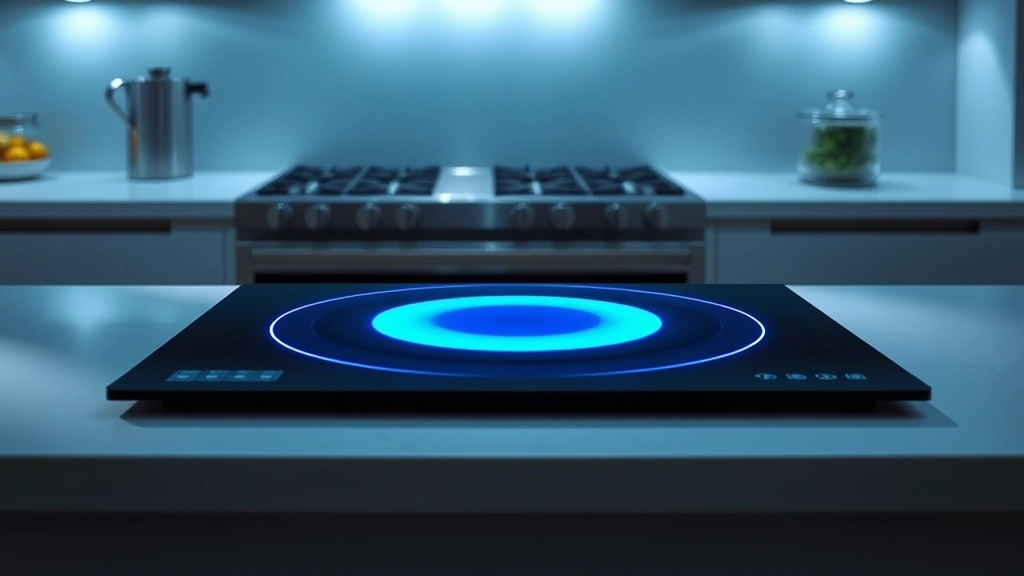
Gas Stove Top: Eco-Friendly or Not? Insights Inside
When it comes to kitchen appliances, the gas stove top has long been a staple in homes worldwide. However, as environmental consciousness grows and climate concerns mount, many homeowners are questioning whether their gas stove tops align with sustainable living practices. The answer is more nuanced than a simple yes or no, involving considerations of energy efficiency, emissions, health impacts, and alternatives that deserve careful examination.
The debate surrounding gas stove tops encompasses multiple dimensions: their carbon footprint, indoor air quality implications, energy efficiency compared to modern alternatives, and their role within broader sustainable energy solutions. Understanding these factors helps homeowners make informed decisions about their kitchen infrastructure and environmental impact.
Understanding Gas Stove Top Environmental Impact
Gas stove tops operate by burning natural gas to produce an open flame for cooking. This combustion process directly releases greenhouse gases, primarily carbon dioxide and methane, into the atmosphere. A typical household gas stove can emit approximately 5-6 kilograms of carbon dioxide annually, though this varies based on usage frequency, stove efficiency, and local energy sources.
The environmental footprint extends beyond direct emissions. Natural gas extraction, processing, and transportation contribute additional environmental costs through methane leakage—a potent greenhouse gas approximately 80 times more effective at trapping heat than CO2 over a 20-year period. When examining the complete lifecycle of gas stove tops, from manufacturing to disposal, the environmental equation becomes more complex than many consumers realize.
Current natural gas news indicates that many regions are re-evaluating their dependence on gas appliances. Several municipalities have begun restricting or phasing out natural gas in new construction, recognizing the urgency of transitioning toward cleaner energy sources. This regulatory shift reflects growing scientific consensus about climate change and the need for rapid decarbonization across all sectors.
Key environmental considerations for gas stove tops include:
- Direct combustion emissions contributing to climate change
- Methane leakage throughout the gas supply chain
- Non-renewable resource depletion
- Infrastructure maintenance and associated environmental costs
- Potential indoor pollution affecting household air quality

Carbon Emissions and Climate Considerations
The carbon footprint of gas stove tops deserves detailed analysis. When natural gas burns, it produces approximately 2.04 kilograms of CO2 per cubic meter. For a household using their stove daily for meal preparation, cumulative annual emissions can be significant, particularly in regions where electricity generation still relies heavily on fossil fuels.
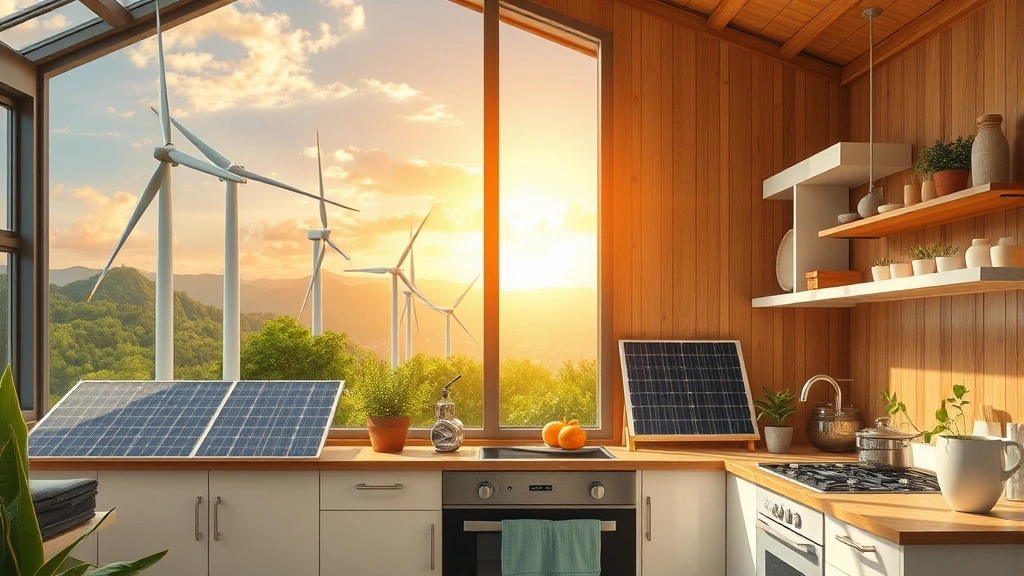
However, the environmental comparison becomes more favorable when considering regions with renewable energy sources. In areas powered primarily by wind, solar, or hydroelectric generation, electric cooking appliances produce dramatically lower emissions than gas alternatives. This geographic variability means the eco-friendliness of gas stove tops depends significantly on local electricity generation methods.
According to research from the Environmental Protection Agency, residential cooking accounts for approximately 1-2% of household energy consumption, but the indirect emissions associated with gas infrastructure are substantial. The EPA emphasizes that transitioning to electric cooking in homes powered by renewable energy represents one of many pathways toward household decarbonization.
Climate scientists increasingly view residential gas appliances as incompatible with net-zero emissions targets. A comprehensive study published in environmental journals demonstrates that eliminating gas stove tops from residential kitchens could reduce household carbon emissions by 10-15% when paired with renewable electricity sources. This makes the gas stove top decision part of larger climate mitigation strategies.
The temporal dimension matters too. While gas stove tops produce immediate emissions, the long-term atmospheric impact extends decades into the future. Carbon dioxide persists in the atmosphere for 300+ years, meaning today’s gas stove usage contributes to climate impacts affecting multiple generations.
Indoor Air Quality and Health Concerns
Beyond climate considerations, gas stove tops present indoor air quality challenges that affect household health. Combustion of natural gas releases nitrogen dioxide (NO2), carbon monoxide (CO), and formaldehyde—all recognized air pollutants that can compromise respiratory health, particularly for children and individuals with asthma or other respiratory conditions.
Research from leading environmental health organizations indicates that homes with gas stove tops experience indoor NO2 levels 50-100% higher than homes with electric cooking. These pollutants accumulate when kitchens lack adequate ventilation, creating chronic low-level exposure that studies link to reduced lung function development in children and exacerbated asthma symptoms in susceptible populations.
The American Academy of Pediatrics has issued guidance recommending consideration of gas stove top alternatives, citing emerging evidence connecting gas cooking to respiratory health impacts. This health dimension adds another layer to the sustainability question—eco-friendliness encompasses not just planetary health but also human health within household environments.
Proper ventilation can mitigate these indoor air quality concerns, but many homes lack adequate range hoods or exhaust systems. Installing and operating high-quality ventilation represents an additional energy cost, potentially offsetting some efficiency advantages of gas cooking. This creates a challenging calculus where gas stove top use requires careful management to minimize health impacts.
Indoor air pollutants from gas stove tops include:
- Nitrogen dioxide (NO2) at 2-6 parts per million
- Carbon monoxide (CO) at 1-10 parts per million
- Formaldehyde at trace to 0.1 parts per million
- Particulate matter from incomplete combustion
- Volatile organic compounds (VOCs)
Energy Efficiency Comparison
Gas stove tops have traditionally offered certain efficiency advantages over older electric resistance coils. Gas flames provide immediate heat adjustability and visible flame control that many professional cooks prefer. However, this efficiency advantage has narrowed significantly with modern induction cooking technology, which represents a major advancement in kitchen appliance sustainability.
Induction cooktops achieve 80-90% energy transfer efficiency compared to 70-75% for gas stove tops. This means more cooking energy reaches food and less dissipates into the surrounding air. Over a stove’s 15-20 year lifespan, this efficiency difference accumulates into meaningful energy savings, particularly in households with frequent cooking.
Electric resistance coils provide 65-75% efficiency, making them less efficient than both gas and induction options. Modern electric coil stoves represent an intermediate technology that’s more efficient than older models but inferior to both contemporary gas and induction alternatives. This technology spectrum matters when evaluating kitchen upgrade decisions.
When examining total energy consumption within how to save energy at home, cooking represents just one component. However, transitioning from gas to induction cooking can reduce kitchen energy consumption by 20-30%, contributing meaningfully to household sustainability goals. The efficiency advantage of induction becomes even more pronounced in regions with renewable electricity sources.
Cost considerations also merit attention. While induction cooktops carry higher upfront expenses than gas alternatives, long-term operational costs often favor induction due to superior efficiency and lower maintenance requirements. Many utility companies offer rebates for induction stove installation, recognizing their role in broader electrification strategies.
Sustainable Alternatives to Gas Cooking
The sustainability question ultimately points toward viable alternatives that homeowners should evaluate. Induction cooktops represent the most advanced cooking technology currently available, offering superior efficiency, precise temperature control, and minimal environmental impact when powered by renewable electricity.
Induction technology uses electromagnetic fields to heat cookware directly, eliminating wasted heat and providing responsive cooking control. Safety features include automatic shutoff when cookware is removed and cooler surface temperatures compared to gas or electric resistance. These advantages make induction particularly appealing for households with children or individuals seeking modern kitchen technology.
Electric coil and smooth-top electric stoves offer more affordable alternatives to induction while still eliminating direct combustion emissions. Though less efficient than induction, they represent meaningful improvements over gas stove tops, particularly when powered by renewable electricity. For households unable to afford induction conversion, electric alternatives provide an intermediate sustainable option.
Solar-powered cooking represents an emerging sustainable approach for outdoor food preparation, though impractical for primary household cooking in most climates. Biogas cooking fueled by renewable biomass offers another alternative in specific contexts, though infrastructure limitations restrict widespread adoption. For most households, induction cooking represents the optimal sustainable cooking technology.
The transition toward electric cooking aligns with broader green technology innovations transforming our future, including whole-home electrification strategies. Many climate scientists and sustainability experts recommend prioritizing gas appliance elimination as part of comprehensive decarbonization plans, alongside renewable energy installation and home insulation improvements.
Making Your Gas Stove More Eco-Friendly
For homeowners unable to immediately replace gas stove tops, several strategies can reduce environmental impact and improve sustainability. These practical measures bridge the gap between current gas stove usage and eventual transition to cleaner cooking technologies.
Optimization strategies for existing gas stove tops:
- Install high-quality range hoods: Proper ventilation removes indoor air pollutants and improves household air quality, though it increases energy consumption. Ensure hood systems include efficient motors and dampers preventing backdrafts.
- Use appropriately sized cookware: Match pot and pan sizes to burner dimensions, ensuring flame contacts cookware and minimizing wasted heat. This simple practice can improve efficiency by 10-15%.
- Keep burners clean: Debris and residue reduce flame efficiency. Regular cleaning ensures optimal combustion and heat transfer to cookware.
- Maintain proper flame appearance: Blue flames indicate complete combustion; yellow flames suggest incomplete combustion and wasted fuel. Professional maintenance ensures optimal performance.
- Cook with lids: Covering pots and pans reduces cooking time and energy consumption significantly, applicable to both gas and electric cooking.
- Plan transition timelines: Begin researching induction alternatives and exploring utility rebate programs, preparing for eventual conversion to sustainable cooking technology.
Beyond individual stove maintenance, household energy management amplifies sustainability benefits. Improving home insulation reduces overall energy demands, while renewable energy installation—solar panels or community solar programs—means that even current gas stove tops operate within cleaner energy systems during off-peak cooking times.
Understanding your household’s complete energy profile helps contextualize gas stove top impacts. For a home powered 100% by renewable electricity, gas cooking becomes the primary remaining fossil fuel consumption, making conversion to electric cooking particularly impactful. In contrast, households still drawing grid electricity from coal or natural gas plants benefit less from stove conversion until broader energy infrastructure changes occur.
Financial planning for transition also matters. Many homeowners can prioritize gas stove top replacement during planned kitchen renovations, spreading costs across multiple upgrades. This strategic approach makes sustainable alternatives more financially accessible while delivering comprehensive kitchen modernization.
FAQ
Are gas stove tops truly eco-friendly?
Gas stove tops are not considered eco-friendly from climate and sustainability perspectives. They produce direct carbon emissions, release indoor air pollutants, and rely on non-renewable natural gas. However, their environmental impact varies based on regional electricity generation sources and specific usage patterns. In regions with renewable energy, electric alternatives offer substantially better environmental performance.
What’s the environmental difference between gas and induction cooking?
Induction cooktops are significantly more environmentally friendly than gas alternatives. They achieve 80-90% energy efficiency compared to 70-75% for gas, produce zero direct emissions, and when powered by renewable electricity, represent the most sustainable cooking technology. Induction also eliminates indoor air quality concerns associated with gas combustion.
Should I replace my gas stove top immediately?
Immediate replacement depends on your circumstances. If your gas stove top is nearing end-of-life anyway, replacement with induction makes strong environmental and financial sense. If your stove functions well, maximizing its remaining lifespan through proper maintenance may be more sustainable than premature replacement, though this calculation changes as electricity becomes increasingly renewable.
What about gas stove top health risks?
Gas stove tops release nitrogen dioxide, carbon monoxide, and formaldehyde during combustion, potentially affecting respiratory health. Research links gas cooking to reduced lung function in children and asthma exacerbation. Proper ventilation mitigates these risks, though it increases energy consumption. This health dimension adds another reason to consider transitioning to electric cooking alternatives.
Can I make my gas stove top more sustainable?
Several practices improve gas stove top sustainability: using appropriately sized cookware, maintaining clean burners, installing quality range hoods, cooking with lids, and planning eventual transition to induction. Additionally, installing renewable energy sources in your home reduces overall emissions from all appliances, including existing gas stove tops, though this doesn’t eliminate their direct combustion impacts.
What’s the best eco-friendly cooking alternative?
Induction cooktops represent the most sustainable cooking technology, offering superior efficiency, precise control, and zero direct emissions when powered by renewable electricity. Electric coil and smooth-top stoves provide more affordable sustainable alternatives. For households committed to maximum sustainability, combining induction cooking with renewable energy installation creates optimal kitchen environmental performance.
How do gas stove tops compare to electric resistance cooking?
Gas stove tops are slightly more efficient than electric resistance coils (70-75% vs. 65-75%), but both produce direct emissions through electricity generation or combustion. Modern induction technology surpasses both alternatives significantly. The choice between gas and electric resistance matters less than transitioning to induction or ensuring electricity comes from renewable sources.


