Can Tampa Go Green? Local Insights on Sustainable Transportation and Energy
Tampa, Florida’s vibrant coastal city, stands at a critical crossroads in its journey toward environmental sustainability. As one of the fastest-growing metropolitan areas in the southeastern United States, Tampa faces mounting pressure to address its carbon footprint, particularly in the transportation sector where gas consumption remains a significant environmental concern. With a population exceeding 400,000 residents and millions of annual visitors, the city’s reliance on traditional fossil fuels has created both challenges and unprecedented opportunities for green transformation.
The question isn’t whether Tampa can go green—it’s how quickly and comprehensively the city can transition to sustainable practices. From innovative public transportation initiatives to the rapid adoption of electric vehicles, Tampa is beginning to demonstrate that a major metropolitan area can balance economic growth with environmental responsibility. This comprehensive guide explores the current landscape of energy consumption in Tampa, examines practical pathways to sustainability, and showcases real solutions already taking root in the community.
Tampa’s Current Energy Landscape and Transportation Challenges
Tampa’s energy consumption patterns reflect those of many American cities: heavily dependent on fossil fuels, with transportation accounting for the largest share of carbon emissions. The city’s sprawling metropolitan layout, combined with Florida’s hot and humid climate, creates substantial demands for both vehicle fuel and air conditioning energy. According to recent data, transportation accounts for approximately 27% of Tampa’s total greenhouse gas emissions, with personal vehicles contributing the majority of this figure.
The challenge intensifies when examining the region’s vulnerable position regarding climate change. Tampa Bay sits just 6-10 feet above sea level, making it one of America’s most vulnerable regions to rising sea levels and flooding. This geographic reality creates urgency around reducing carbon emissions and transitioning away from fossil fuels. The EPA’s climate impact assessments specifically highlight Florida’s coastal cities as priority areas for sustainable development and emissions reduction.
Currently, Tampa’s gas consumption remains substantial, with residents and visitors collectively pumping millions of gallons annually. The proliferation of gas stations throughout the region reflects this demand, though this infrastructure itself represents an opportunity for conversion and repurposing. Understanding where gas stations for sale near me might be located becomes relevant as property owners explore converting these facilities into EV charging hubs or other sustainable business models.
The Role of Electric Vehicles in Tampa’s Green Future
Electric vehicles (EVs) represent perhaps the most visible and tangible pathway toward reducing Tampa’s transportation emissions. Florida has emerged as one of the nation’s fastest-growing EV markets, with Tampa Bay leading much of this growth. The advantages of transitioning to electric vehicles extend far beyond environmental benefits, encompassing economic savings, improved air quality, and technological innovation.
Understanding the advantages of electric vehicles helps explain why Tampa residents increasingly choose EVs over traditional combustion engines. Lower operating costs, reduced maintenance requirements, and access to federal and state tax incentives make electric vehicles economically competitive with gas-powered alternatives. For Tampa residents, the elimination of tailpipe emissions directly improves local air quality, particularly important given the region’s subtropical climate that can trap pollutants.
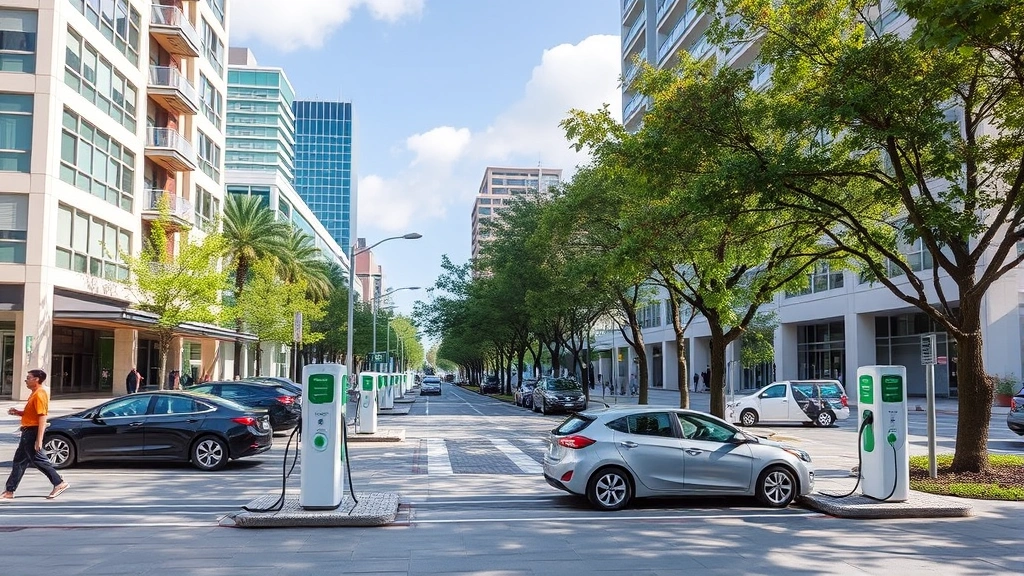
The charging infrastructure expansion has been dramatic. Tampa now boasts hundreds of public charging stations, with networks like Tesla Superchargers, Electrify America, and ChargePoint providing convenient access throughout the metropolitan area. Major employers, shopping centers, and residential communities have installed Level 2 chargers, making EV ownership increasingly practical. The city’s vision includes doubling charging infrastructure within the next five years, positioning Tampa as a regional EV leader.
Local dealerships have responded to demand by expanding their electric vehicle inventory. Toyota, Chevrolet, Ford, and Tesla all maintain significant presence in Tampa, offering diverse EV options at various price points. This accessibility democratizes green transportation, moving beyond luxury vehicles to include practical, affordable options for middle-class families.
Public Transportation and Infrastructure Development
Effective green transformation requires robust public transportation systems that provide viable alternatives to personal vehicle use. Tampa’s public transit authority, HART (Hillsborough Area Regional Transit), has undertaken substantial modernization efforts. The expansion of bus rapid transit (BRT) corridors, increased electric bus deployment, and improved frequency on high-demand routes all contribute to reducing overall transportation emissions.
The Streetcar system represents another significant initiative. Tampa’s historic streetcar network, reborn as a modern electric transit option, connects downtown with key employment centers and entertainment districts. This infrastructure encourages transit-oriented development, where residential and commercial properties cluster around transit hubs, reducing car dependency. Sustainable energy solutions like electric streetcars demonstrate how cities can reimagine traditional infrastructure through modern technology.
Bicycle and pedestrian infrastructure development has accelerated dramatically. Tampa’s Greenways initiative connects neighborhoods through protected bike paths, parks, and walking trails. The Pinellas Trail extension and downtown Tampa riverwalk improvements create safe, appealing alternatives to driving for short trips. These infrastructure investments benefit not only the environment but also public health, reducing obesity and promoting active lifestyles.
Regional rail development, while still in planning stages, promises transformative potential. The proposed Florida Rail Enterprise envisions connecting Tampa to Orlando and Miami through high-speed rail, dramatically reducing vehicle traffic on I-4 and I-75. Such mega-projects require sustained political commitment and funding, but they represent Tampa’s long-term vision for sustainable regional mobility.
Renewable Energy Initiatives and Solar Potential
Florida’s abundant sunshine creates extraordinary opportunity for solar energy expansion. Tampa’s position at approximately 28 degrees north latitude receives consistent, year-round solar radiation, making solar panels highly efficient. Despite this natural advantage, solar adoption has historically lagged, constrained by utility structures and regulatory barriers. Recent changes have begun dismantling these obstacles.
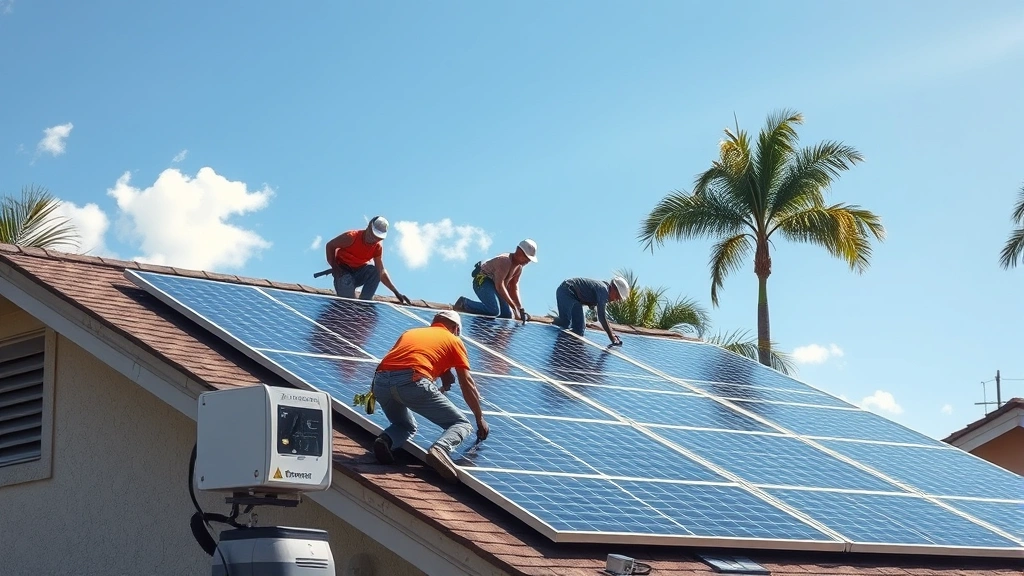
Residential solar installation has accelerated, with thousands of Tampa homes now featuring rooftop photovoltaic systems. Net metering policies allow homeowners to sell excess solar energy back to the grid, improving return on investment. Battery storage systems, increasingly affordable through declining costs, enable households to store solar energy for nighttime use or backup during grid outages—a critical consideration in hurricane-prone Florida.
Commercial and industrial solar deployment has expanded equally rapidly. Large warehouses, office buildings, and manufacturing facilities throughout Tampa now feature substantial solar arrays. Companies recognize both the environmental benefits and long-term cost savings of solar investment. The National Renewable Energy Laboratory documents that Florida’s solar potential could theoretically provide significant portions of the state’s electricity needs.
Tampa Electric Company (TECO Energy), the region’s primary utility, has committed to substantial renewable energy expansion. The company’s Renewable Energy Program includes solar, wind, and battery storage projects. These initiatives align with Florida’s renewable portfolio standards and broader corporate sustainability goals. Understanding how environmental sustainability examples work in practice helps Tampa residents and businesses identify actionable opportunities.
Corporate and Municipal Sustainability Commitments
Major corporations headquartered in or operating significantly in Tampa have made substantial sustainability commitments. Tech companies, financial institutions, and healthcare systems have pledged carbon neutrality targets, often with 2030 or 2040 deadlines. These corporate commitments create market demand for renewable energy, electric vehicles, and sustainable supply chains, accelerating broader transformation.
The City of Tampa government itself has adopted ambitious sustainability goals. The city’s climate action plan targets 40% emissions reductions by 2030 and carbon neutrality by 2050. Municipal initiatives include transitioning city vehicle fleets to electric, installing solar on public buildings, and retrofitting municipal facilities for energy efficiency. These visible government actions demonstrate commitment while creating local jobs in green sectors.
Port Tampa Bay, one of Florida’s busiest ports, has implemented sustainability measures including shore power infrastructure allowing docked ships to use electrical power instead of running diesel generators. The port’s sustainability initiatives reduce emissions from shipping operations while positioning Tampa as an environmentally responsible trade hub. Such port-level changes ripple through supply chains, influencing corporate practices across industries.
Community-Driven Green Solutions
Beyond government and corporate initiatives, Tampa’s community organizations drive grassroots sustainability efforts. Environmental groups like the Sierra Club’s Tampa Bay Group and local conservation nonprofits mobilize residents around climate action. Community gardens transform vacant urban lots into food production spaces, reducing food transportation emissions while building neighborhood cohesion.
Educational institutions play crucial roles in sustainability transformation. The University of South Florida, located in Tampa, conducts cutting-edge research on climate adaptation, renewable energy, and environmental solutions. USF’s commitment to sustainability extends to campus operations, with ambitious goals for renewable energy use, waste reduction, and sustainable transportation. Student engagement in environmental initiatives creates a pipeline of informed citizens and future leaders committed to green transformation.
Neighborhood-level initiatives demonstrate how communities can collectively reduce their environmental impact. Some Tampa neighborhoods have organized bulk solar purchasing programs, reducing installation costs through economies of scale. Others have established tool libraries and repair cafes, extending product lifespans and reducing consumption. These peer-to-peer initiatives often prove more effective than top-down mandates, as community members inspire neighbors through visible example.
Overcoming Barriers to Sustainable Change
Despite substantial progress, Tampa faces real barriers to accelerated green transformation. Cost remains a significant obstacle, particularly for lower-income residents. While EV prices have declined, they remain higher than comparable gas-powered vehicles. Solar installation, despite falling costs, requires upfront capital. Equitable access to green technology requires targeted subsidies, financing programs, and community-focused initiatives.
Infrastructure gaps persist, particularly in underserved neighborhoods. EV charging networks concentrate in affluent areas and commercial districts, leaving lower-income communities underserved. Addressing this disparity requires intentional investment in equitable infrastructure development. Similar challenges affect public transportation, which historically serves lower-income communities better but still requires substantial expansion.
Political and regulatory barriers can slow progress. Utility structures designed around centralized fossil fuel generation sometimes create disincentives for distributed renewable energy. Zoning regulations may restrict solar installations or bike infrastructure. Overcoming these barriers requires sustained political engagement, advocacy, and policy reform. Residents interested in local environmental policy often find that engaging with city council, planning boards, and utility commissions directly influences outcomes.
Cultural attitudes toward cars and consumption patterns require gradual shifting. Tampa’s car-centric development patterns, established over decades, won’t transform overnight. However, younger residents increasingly prioritize walkability and transit access, suggesting demographic shifts will naturally support sustainable infrastructure investment. Visibility of successful green initiatives—whether solar-powered homes or thriving bike commuters—normalizes sustainable choices, making them aspirational rather than sacrificial.
FAQ
What percentage of Tampa’s energy currently comes from renewable sources?
As of 2023, approximately 15-20% of electricity consumed in Tampa comes from renewable sources, primarily solar and wind. TECO Energy’s renewable portfolio continues expanding, with targets to reach 50% renewable electricity by 2050. This trajectory positions Tampa among Florida’s leading cities in renewable energy adoption.
How can individual Tampa residents contribute to the city’s green transition?
Individuals can contribute through multiple pathways: installing rooftop solar, transitioning to electric vehicles, using public transportation or bicycles for commutes, reducing energy consumption through efficiency upgrades, and advocating for green policies. Even modest changes, multiplied across thousands of residents, create substantial aggregate impact. Exploring SustainWise Hub Blog resources provides detailed guidance on personal sustainability actions.
Are there financial incentives available for Tampa residents choosing sustainable options?
Yes, substantial incentives exist. Federal tax credits up to $7,500 support EV purchases. Florida provides additional state incentives for solar installation. TECO Energy offers rebates for energy-efficient appliances and home upgrades. Many employers provide transit subsidies or EV charging benefits. Investigating available programs through local government and utility websites reveals personalized incentive opportunities.
How does Tampa’s climate vulnerability influence sustainability priorities?
Tampa’s vulnerability to sea-level rise and flooding creates urgency around emissions reduction and climate adaptation. Sustainability investments simultaneously reduce future climate impacts and enhance community resilience. Green infrastructure like wetland restoration, mangrove protection, and living shorelines provide dual benefits: carbon sequestration and flood protection. This alignment of environmental and resilience concerns creates strong political support for green transformation.
What timeline should Tampa residents expect for widespread EV adoption?
Current trends suggest that within 5-10 years, electric vehicles will comprise 25-40% of new vehicle sales in Tampa. Complete fleet transition will require 20-30 years, given the lifespan of vehicles currently on roads. However, rapid charging infrastructure expansion and declining EV costs accelerate adoption rates beyond historical projections. Early adopters benefit from incentives and technology leadership, while later adopters benefit from reduced costs and mature infrastructure.
How does the gas station industry adapt to the EV transition?
Progressive gas station operators are diversifying business models, installing EV charging infrastructure and convenience services. Some properties are being converted entirely to charging hubs. Understanding opportunities in this transition, including exploring gas stations open on Christmas and other operational aspects, helps property owners and investors navigate industry changes strategically.


