Gas vs Diesel: Eco Impact? Research Insights
When choosing between gasoline and diesel vehicles, environmental impact deserves serious consideration. Both fuel types carry distinct ecological consequences that extend far beyond the pump, affecting air quality, climate change, and long-term sustainability. Understanding these differences empowers consumers to make informed decisions aligned with their environmental values and lifestyle needs.
The debate between gas and diesel isn’t simply about fuel economy or performance—it’s fundamentally about understanding which option creates less environmental harm. Research reveals that each fuel type presents unique trade-offs in emissions, efficiency, and overall carbon footprint. By examining the science behind these fuels, you’ll discover that the “greener” choice depends on multiple factors including driving patterns, vehicle type, and regional energy sources.
Understanding Fuel Combustion and Emissions
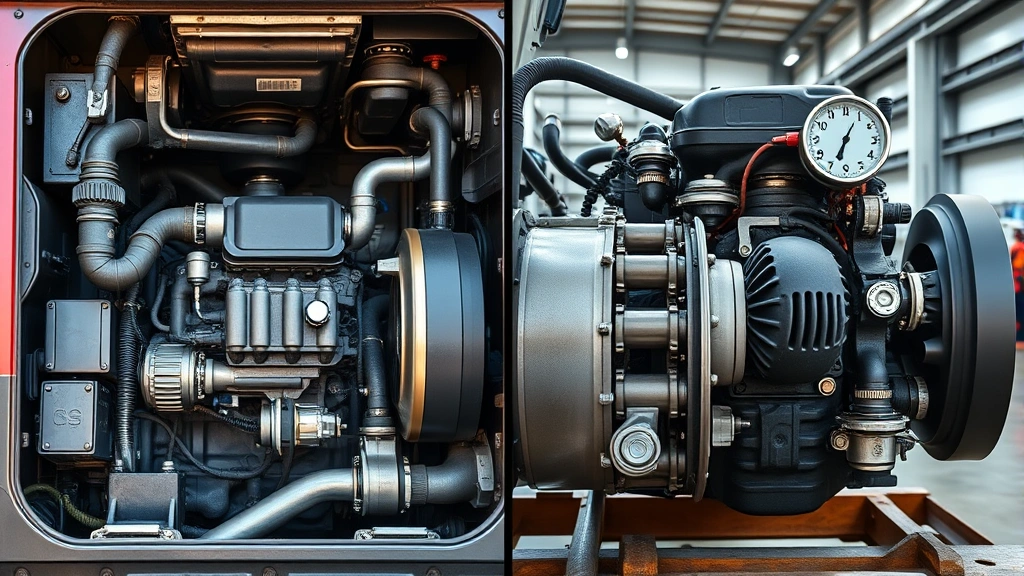
Gasoline and diesel engines operate through fundamentally different combustion processes, which directly influences their environmental profiles. Gasoline engines use spark plugs to ignite fuel at specific intervals, creating a controlled explosion that drives pistons. Diesel engines, conversely, rely on compression ignition—compressing air to extremely high pressures until it spontaneously ignites diesel fuel without spark plugs. This mechanical difference creates distinct emission signatures.
When fuel combusts in either engine type, it produces primary emissions: carbon dioxide (CO2), water vapor, and nitrogen oxides (NOx). Incomplete combustion also generates secondary pollutants including particulate matter (PM), sulfur dioxide (SO2), and volatile organic compounds (VOCs). The ratio and concentration of these emissions vary significantly between fuel types, creating different environmental challenges.
Diesel combustion typically generates higher temperatures and pressures, which increases NOx formation but generally produces more complete fuel oxidation. Gasoline combustion creates different emission profiles, often producing more unburned hydrocarbons and carbon monoxide. Understanding these chemical differences is essential for evaluating which fuel aligns with definition of sustainability goals in transportation.
Modern emissions control technologies have transformed both fuel types. Catalytic converters, diesel particulate filters, and selective catalytic reduction systems now reduce harmful pollutants significantly. However, these technologies function differently for each fuel type, affecting overall environmental impact differently across various driving scenarios and vehicle ages.
Carbon Dioxide and Climate Impact
Carbon dioxide emissions represent the most critical environmental consideration for climate change. When comparing gas versus diesel, the relationship between fuel efficiency and CO2 emissions becomes paramount. Diesel fuel contains approximately 15% more energy per gallon than gasoline, meaning diesel engines can travel further on equivalent amounts of fuel.
A typical diesel engine produces roughly 15-20% fewer CO2 emissions per mile compared to an equivalent gasoline engine, primarily due to superior fuel efficiency. However, this advantage diminishes when considering total lifecycle emissions and real-world driving patterns. Highway driving maximizes diesel’s efficiency advantage, while urban stop-and-go traffic reduces this benefit considerably.
Research from the EPA Climate Impacts Division indicates that a diesel vehicle driven primarily on highways might reduce lifetime CO2 emissions by 20-30% compared to gasoline equivalents. Conversely, an urban diesel vehicle might only achieve 5-10% reduction. This variability underscores the importance of matching vehicle choice to actual driving patterns.
Gasoline engines, while producing more CO2 per mile in many cases, have benefited from rapid efficiency improvements through turbocharging, direct injection, and hybrid technology integration. Modern gasoline engines often achieve efficiency levels approaching traditional diesel engines while producing fewer other harmful pollutants. The choice between fuels for climate purposes increasingly depends on specific vehicle models and technologies rather than fuel type alone.
When considering sustainable energy solutions for transportation, both fuel types present trade-offs. Neither represents the optimal environmental choice compared to electric vehicles, but understanding their climate impacts helps inform decisions for those not yet ready for electrification.

Particulate Matter and Air Quality
Particulate matter emissions present one of the most visible environmental differences between gasoline and diesel vehicles. Diesel engines historically produced significantly higher particulate matter emissions, particularly before modern emissions controls became standard. These tiny particles penetrate deep into human lungs, contributing to respiratory disease, cardiovascular problems, and premature mortality.
Modern diesel engines equipped with diesel particulate filters (DPF) now capture 99% or more of particulate matter, dramatically improving their air quality impact. However, older diesel vehicles without these technologies remain significant pollution sources. In regions with aging diesel fleets, air quality problems persist despite newer vehicle standards.
Gasoline engines produce less particulate matter naturally due to their combustion characteristics, though direct-injection gasoline engines produce more particles than traditional port-injection designs. The proliferation of gasoline direct injection technology means some newer gasoline vehicles now produce comparable particulate emissions to diesel vehicles, a concerning trend for urban air quality.
Fine particulate matter (PM2.5) represents a particular health concern because these microscopic particles remain suspended in air for extended periods and travel far from emission sources. Diesel vehicles, even with modern filters, contribute disproportionately to PM2.5 pollution in urban areas. This environmental justice concern means diesel emissions disproportionately affect low-income communities near highways and ports.
The World Health Organization identifies particulate matter as one of the most harmful air pollutants. Choosing between gas and diesel partially depends on prioritizing local air quality versus global climate impacts. For communities already experiencing poor air quality, reducing particulate-producing vehicles becomes an urgent environmental priority aligned with how to reduce your environmental footprint strategies.
Nitrogen Oxides: A Critical Concern
Nitrogen oxides (NOx) represent another crucial environmental consideration in the gas versus diesel comparison. These pollutants form when combustion temperatures exceed 1200°F, causing atmospheric nitrogen and oxygen to combine. Diesel engines’ higher combustion temperatures generate significantly more NOx than gasoline engines—typically 5-10 times higher on a per-mile basis.
NOx emissions contribute to multiple environmental and health problems. In the atmosphere, NOx reacts with volatile organic compounds to form ground-level ozone, a major component of smog that damages respiratory systems. NOx also contributes to acid rain formation and nitrogen pollution in waterways, disrupting aquatic ecosystems and reducing water quality.
The Volkswagen diesel emissions scandal revealed that real-world NOx emissions from diesel vehicles frequently exceeded regulatory standards by 5-40 times. This incident demonstrated that even modern emissions control systems fail to adequately reduce NOx under typical driving conditions. Since then, regulatory scrutiny of NOx emissions has intensified, prompting stricter standards across Europe, Asia, and North America.
Gasoline engines produce lower NOx emissions naturally, though gasoline direct injection vehicles sometimes produce elevated levels. Advanced gasoline engine technologies including variable valve timing, exhaust gas recirculation, and selective catalytic reduction systems effectively control NOx to very low levels. These technological advantages have made gasoline increasingly competitive from an air quality perspective.
Research published by environmental organizations indicates that NOx reduction should be a priority in vehicle selection for those concerned about air quality. The American Lung Association recommends prioritizing vehicles with the lowest NOx emissions possible, which increasingly means modern gasoline or electric vehicles rather than diesel options.

Fuel Efficiency and Real-World Performance
Fuel efficiency directly impacts environmental impact through reduced fuel consumption and associated emissions. Diesel’s energy density advantage theoretically provides 20-30% better fuel economy, but real-world performance varies considerably based on driving patterns, vehicle maintenance, and driver behavior. Understanding this gap between theoretical and actual efficiency proves essential for environmental decision-making.
Highway driving maximizes diesel efficiency advantages because engines operate at consistent speeds and optimal fuel injection pressures. A diesel sedan might achieve 45-50 mpg on highway routes while a comparable gasoline model achieves 35-40 mpg. This efficiency advantage translates to meaningful CO2 reductions for drivers covering substantial highway miles annually.
Urban driving, characterized by frequent acceleration, braking, and idle periods, reduces diesel efficiency advantages considerably. Stop-and-go traffic forces diesel engines to operate outside their optimal efficiency range, sometimes producing only 5-10% better fuel economy than gasoline equivalents. For urban commuters, fuel type matters far less than driving efficiency and vehicle choice.
Modern gasoline engines with turbocharging and direct injection now approach or match traditional diesel efficiency levels in many scenarios. Hybrid gasoline vehicles achieve even superior efficiency while producing significantly lower emissions than comparable diesel vehicles. When evaluating fuel efficiency for environmental purposes, specific vehicle technology often matters more than fuel type selection.
The Environmental Protection Agency provides detailed fuel economy comparisons through their fueleconomy.gov resource, allowing consumers to compare actual efficiency of specific vehicle models. This data-driven approach reveals that efficiency varies more between individual models than between fuel types broadly. Selecting efficient vehicles within each fuel category matters more than fuel selection alone.
Lifecycle Environmental Assessment
True environmental comparison between gas and diesel requires examining complete lifecycle impacts, not merely tailpipe emissions. Lifecycle assessment accounts for fuel production, refining, transportation, vehicle manufacturing, operational emissions, and end-of-life recycling. This comprehensive analysis often reveals different conclusions than simple emissions comparisons.
Diesel fuel production and refining typically require slightly more energy than gasoline processing due to additional hydrodesulfurization steps required to meet sulfur content standards. This refining energy difference contributes modestly to diesel’s overall carbon footprint, partially offsetting operational efficiency advantages. However, the impact remains relatively small compared to operational emissions.
Vehicle manufacturing impacts differ significantly between fuel types. Diesel engines require heavier, more robust construction to withstand higher combustion pressures, increasing manufacturing emissions and material requirements. Diesel vehicles typically contain more metal and specialized materials, generating higher manufacturing-phase environmental impacts. Gasoline vehicles and especially hybrid vehicles generally involve lower manufacturing environmental burdens.
The breakeven point—where operational efficiency gains offset higher manufacturing impacts—typically occurs after 100,000-150,000 miles for diesel vehicles compared to gasoline equivalents. Drivers keeping vehicles for shorter periods may experience net environmental harm from diesel selection despite operational efficiency. This consideration proves particularly relevant for those replacing vehicles frequently.
End-of-life recycling and disposal present different challenges for each fuel type. Diesel vehicles’ heavier construction means more material recycling, though modern recycling processes handle this effectively. Fuel tank disposal and emission control system recycling require specialized handling for both fuel types. Overall lifecycle assessment suggests modest environmental advantages for diesel in high-mileage scenarios but potential disadvantages for typical ownership periods.
Regional Regulations and Standards
Environmental regulations vary dramatically across regions, fundamentally affecting the real-world environmental impact of fuel choice. European standards emphasize diesel efficiency but recently shifted toward stricter NOx limits, effectively penalizing diesel vehicles. United States regulations prioritize NOx reduction and particulate matter control, favoring gasoline and electric vehicles. Understanding local regulations helps align fuel choice with regional environmental priorities.
The European Union’s Euro 6 standards set stringent NOx limits (80 mg/km for diesel) but allow higher limits than many U.S. regulations. However, real-world driving emissions frequently exceed these limits, prompting the EU to develop Real Driving Emissions (RDE) testing that better captures actual vehicle performance. These regulatory changes have reduced diesel’s competitive advantage in Europe substantially.
United States EPA Tier 3 standards and California’s stricter regulations emphasize NOx reduction and fuel efficiency, effectively narrowing the emissions gap between gasoline and diesel vehicles. These regulations, combined with California’s zero-emission vehicle mandates, have accelerated transition toward electric vehicles while maintaining competitive space for efficient gasoline vehicles.
China’s vehicle emissions standards have tightened considerably, with new standards emphasizing NOx reduction for diesel vehicles. This regulatory pressure, combined with air quality concerns in major Chinese cities, has shifted preference toward gasoline and electric vehicles. Understanding regional regulatory frameworks proves essential for predicting future fuel technology trends and environmental outcomes.
Exploring green technology innovations transforming our future reveals how regulations drive environmental improvements across fuel types. Regulations effectively accelerate technology development, pushing manufacturers toward cleaner combustion, better emissions control, and ultimately toward electrification. Regulatory trends suggest that fuel choice will matter less as both gasoline and diesel face increasing pressure to meet zero-emission standards.
The Future of Combustion Engines
The future of gasoline and diesel vehicles increasingly points toward obsolescence as electrification accelerates globally. Major automakers have announced plans to phase out internal combustion engines, with timelines ranging from 2030-2050 depending on region and manufacturer. Understanding this transition context helps frame current fuel choices as temporary decisions rather than long-term environmental solutions.
Synthetic fuels and biofuels represent potential bridges extending combustion engine viability. E-fuels synthesized from renewable electricity could theoretically maintain existing vehicle infrastructure while eliminating fossil fuel dependence. However, efficiency losses in fuel synthesis mean electric vehicles will remain substantially more efficient than synthetic fuel vehicles for the foreseeable future.
Hybrid technology increasingly blurs distinctions between gasoline and diesel advantages. Hybrid diesel vehicles achieve exceptional efficiency while reducing emissions, but their higher cost limits market penetration. Hybrid gasoline vehicles achieve superior environmental performance compared to conventional gasoline at lower price points, accelerating their adoption. For environmentally conscious consumers, hybrid technology increasingly represents the optimal choice within combustion engine categories.
The transition toward electric vehicles represents the most significant environmental opportunity in transportation. Advantages of electric vehicles extend far beyond zero tailpipe emissions, including reduced brake and tire wear pollution, lower operational costs, and potential for renewable energy integration. For consumers able to transition to electric vehicles, this represents the most impactful environmental choice available.
Climate urgency increasingly makes the gas versus diesel debate somewhat obsolete. Both fuel types must transition toward electrification to meet climate goals. However, for those unable to immediately access electric vehicles, understanding these fuel type differences remains relevant for making the most environmentally responsible choices available within current vehicle markets.
FAQ
Does diesel really pollute more than gasoline?
Diesel produces more nitrogen oxides and particulate matter per mile, but modern emissions control systems significantly reduce these pollutants. Diesel produces roughly 15-20% fewer CO2 emissions per mile due to superior fuel efficiency. The environmental trade-offs depend on which pollutants concern you most—local air quality (favors gasoline) or climate change (slight advantage to diesel).
Which fuel type is better for the environment overall?
Neither fuel type represents an optimal environmental choice compared to electric vehicles. For combustion engines specifically, the answer depends on driving patterns. Highway drivers benefit from diesel’s efficiency and lower CO2 per mile. Urban drivers benefit from gasoline’s lower NOx and particulate emissions. Modern hybrid gasoline vehicles often outperform both conventional options environmentally.
Are newer diesel vehicles cleaner than older gasoline vehicles?
Modern diesel vehicles with advanced emissions control systems produce significantly fewer emissions than older gasoline vehicles. However, newer gasoline vehicles with equivalent technology typically produce fewer harmful pollutants overall. The age and specific technology of the vehicle matters more than fuel type when comparing across different model years.
How do electric vehicles compare to gas and diesel?
Electric vehicles produce zero tailpipe emissions and typically generate 50-70% fewer total emissions than comparable gasoline vehicles over their lifetime, even accounting for electricity grid carbon intensity. In regions with renewable electricity, environmental advantages increase substantially. For those able to access charging infrastructure, electric vehicles represent the most environmentally responsible choice available.
Should I consider fuel type when buying a vehicle?
Fuel type should be one factor among many when considering environmental impact. Vehicle efficiency rating, size, technology features, driving patterns, and access to electric vehicle alternatives matter significantly. For highway-heavy drivers unable to access electric vehicles, modern diesel vehicles offer environmental advantages. For urban drivers, efficient gasoline or hybrid vehicles typically provide better environmental outcomes. Consulting SustainWise Hub Blog provides additional guidance on sustainable vehicle selection.
What about diesel emissions scandal concerns?
The Volkswagen scandal revealed that real-world NOx emissions from some diesel vehicles exceeded regulatory standards dramatically. This incident prompted stricter testing procedures and increased regulatory scrutiny. Modern diesel vehicles undergo more rigorous emissions testing, but concerns about real-world compliance persist. This history supports selecting vehicles with proven emissions performance records and considering gasoline or electric alternatives.


